
What Scent Layering Actually Means
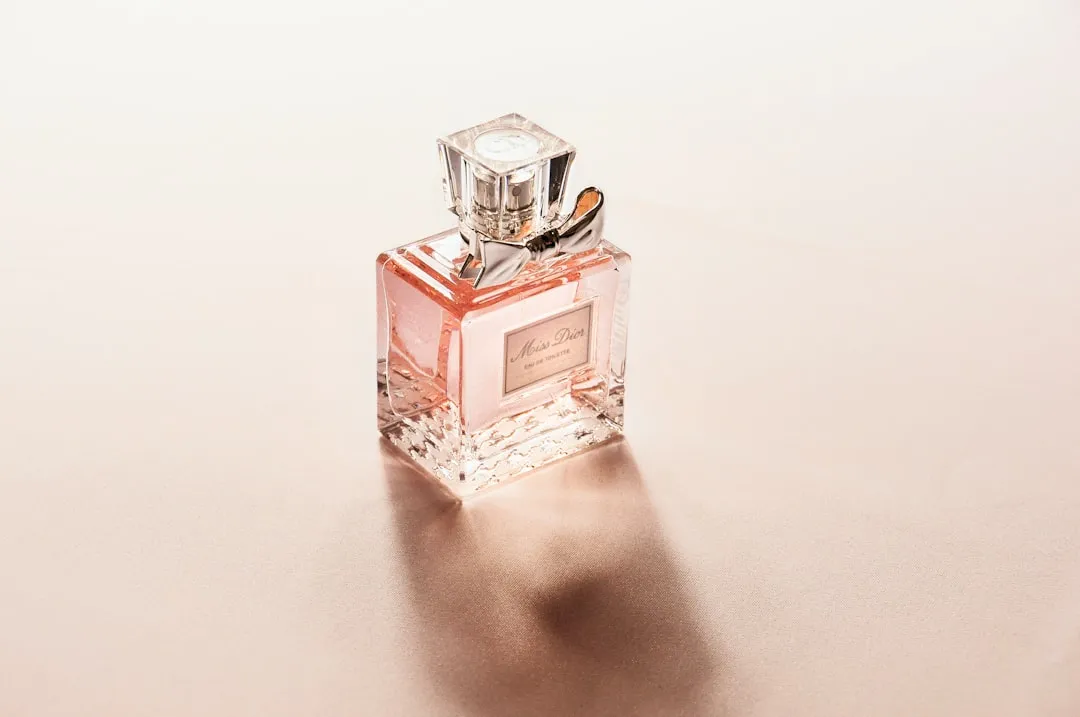
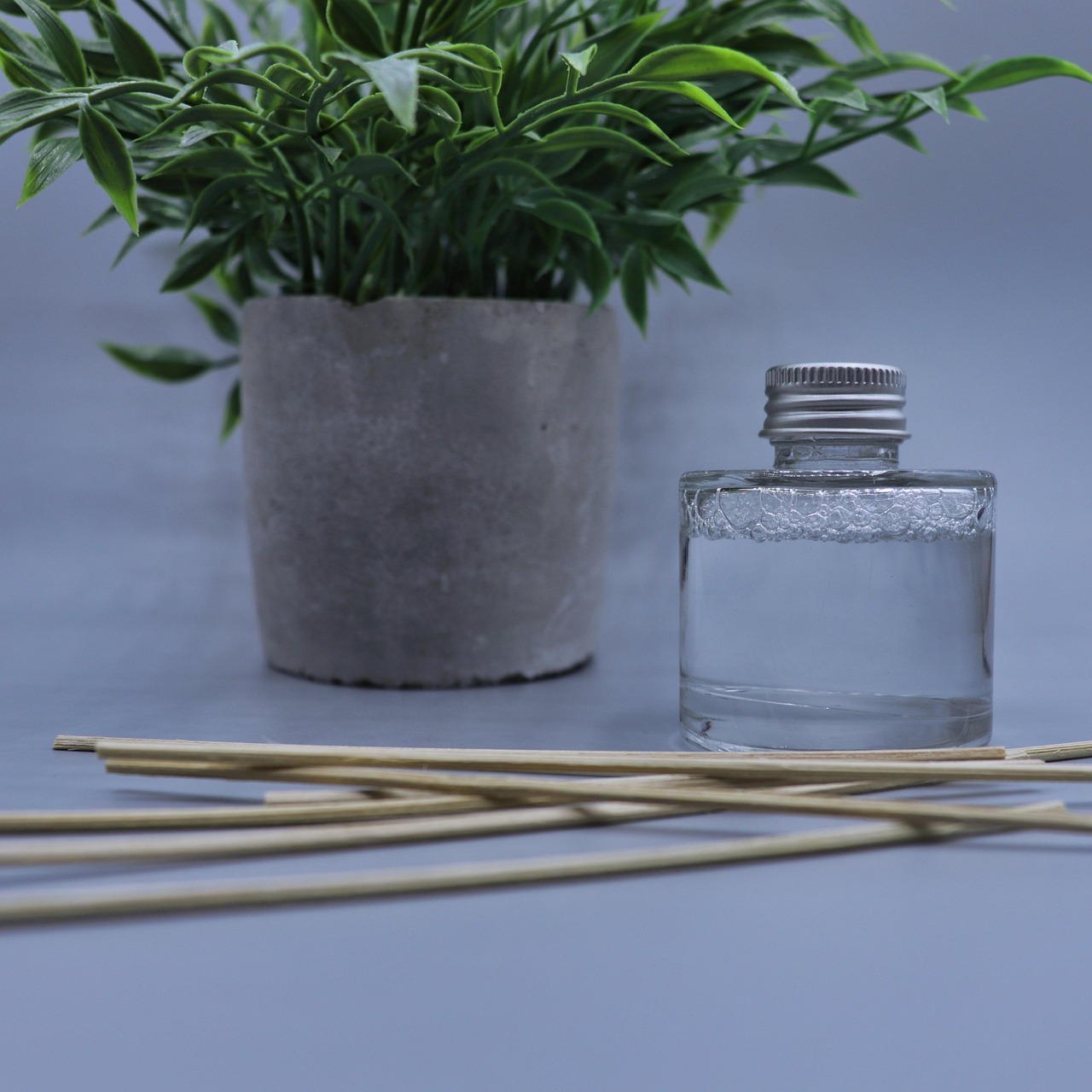
Fragrance layering in a home involves using different forms of scent, such as candles, diffusers, sprays, and incense at the same time, in a deliberate and coordinated way. This isn’t about piling on products until a room smells overwhelming. It’s closer to the logic of perfumery than it is to air freshening.
Layering allows you to play with top, middle, and base notes across your home, ensuring no single scent overwhelms the space. Layering home fragrances creates a scented journey, from a light citrus scent in the foyer to warm vanilla in the living room, so that each area has its distinct yet complementary aroma, providing overall depth to the space.
Brilliant interior designers know that designing a space isn’t just about how it looks; it’s about the entire experience of a room. Scent is simply the final, often overlooked, layer of that experience.
Why Your Brain Reacts So Fast to Smell

According to Harvard University research, scent activates the limbic system, the same area that governs emotions, memory, and motivation. That’s why the smell of freshly baked bread can make you feel hungry, or why a hotel’s signature scent can remind you of luxury and relaxation long after checkout.
Research shows that you form a scent impression of a space within the first three to seven seconds of entering. That window is extraordinarily short, which is exactly why designers address it intentionally rather than leaving it to chance.
The scent-behavior link is subconscious. People don’t always recognize that aroma is influencing their emotions, but their actions change. Guests become more relaxed, more talkative, or more comfortable, often without knowing why.
The Entryway: Your Home’s First Sentence
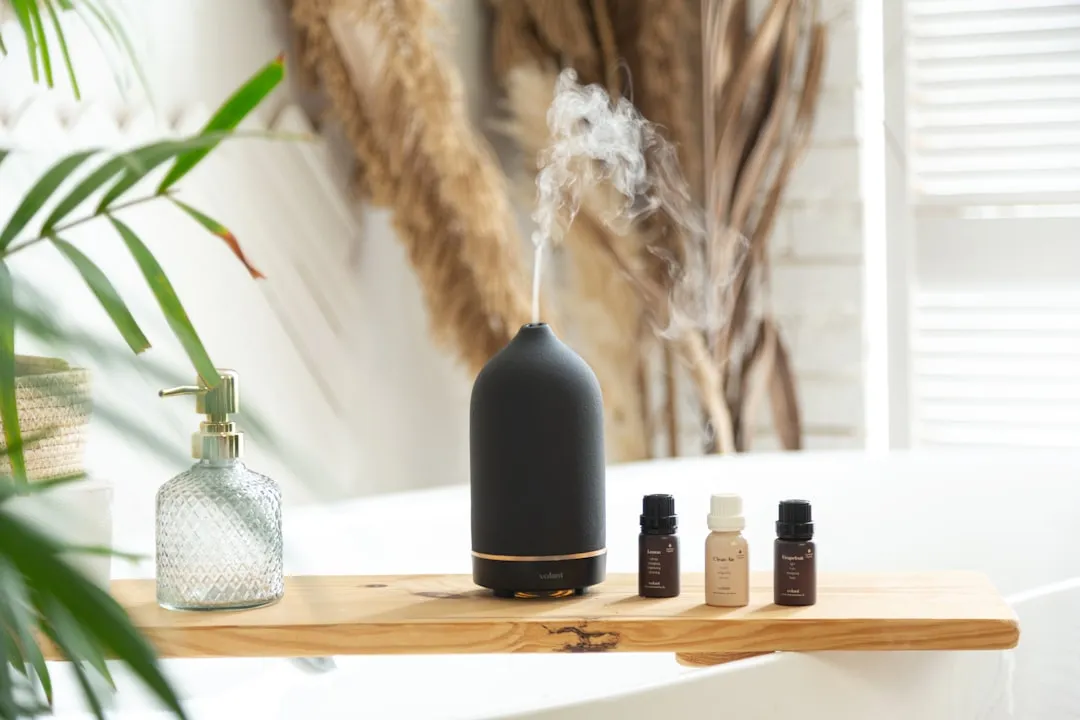
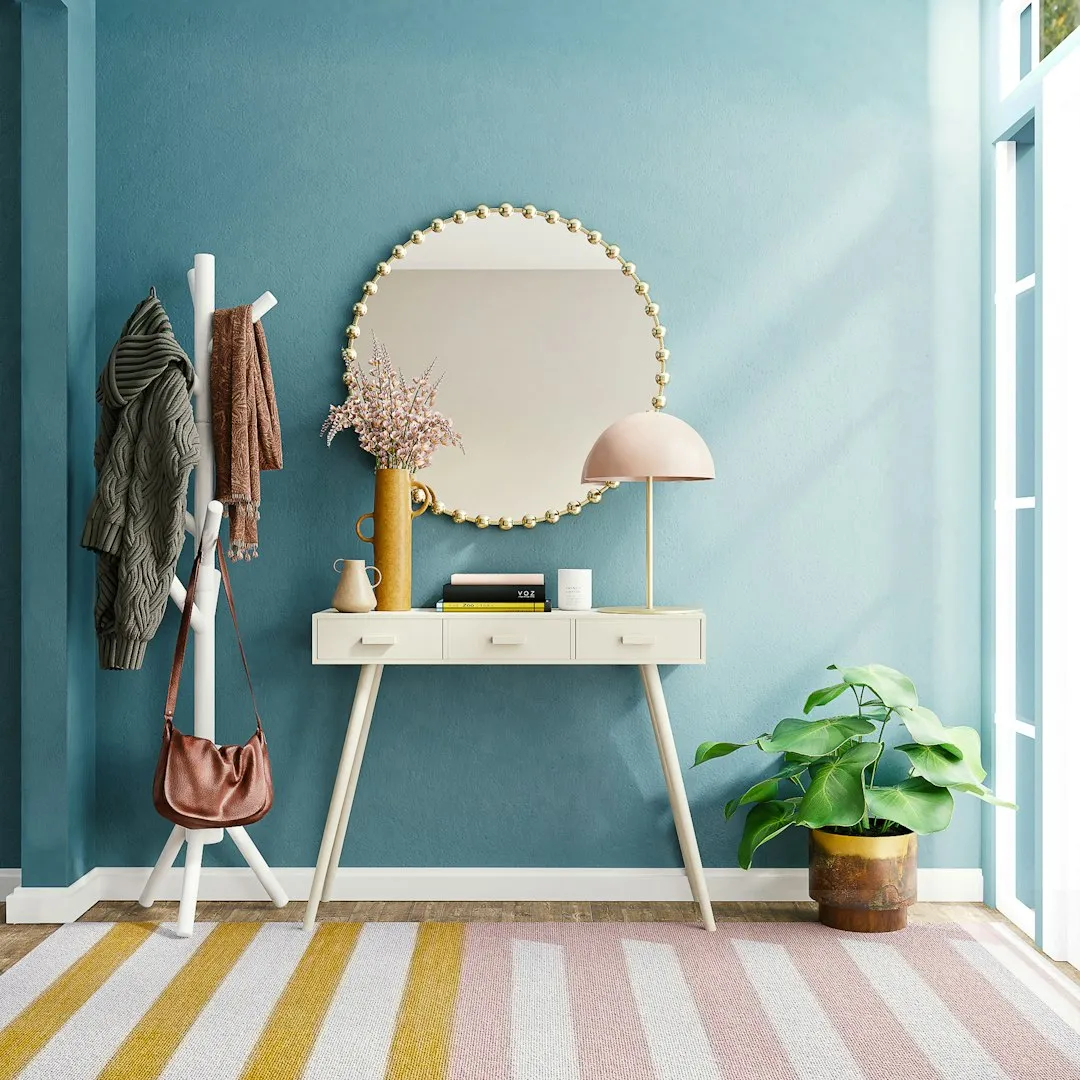
Start with the entryway or hallway, since it sets the first impression and should read as fresh and welcoming. A citrus or green-forward oil works well here. The entryway is the only space that every single guest will experience, which makes it the highest-priority zone in the whole house.
Entryways are always tricky when creating a fragrance zone. However, they are essential, as they have the most footfall and are the first and last space you use daily. Whether your entryway is big or small, a room spray is a universally good investment in fragrance zoning.
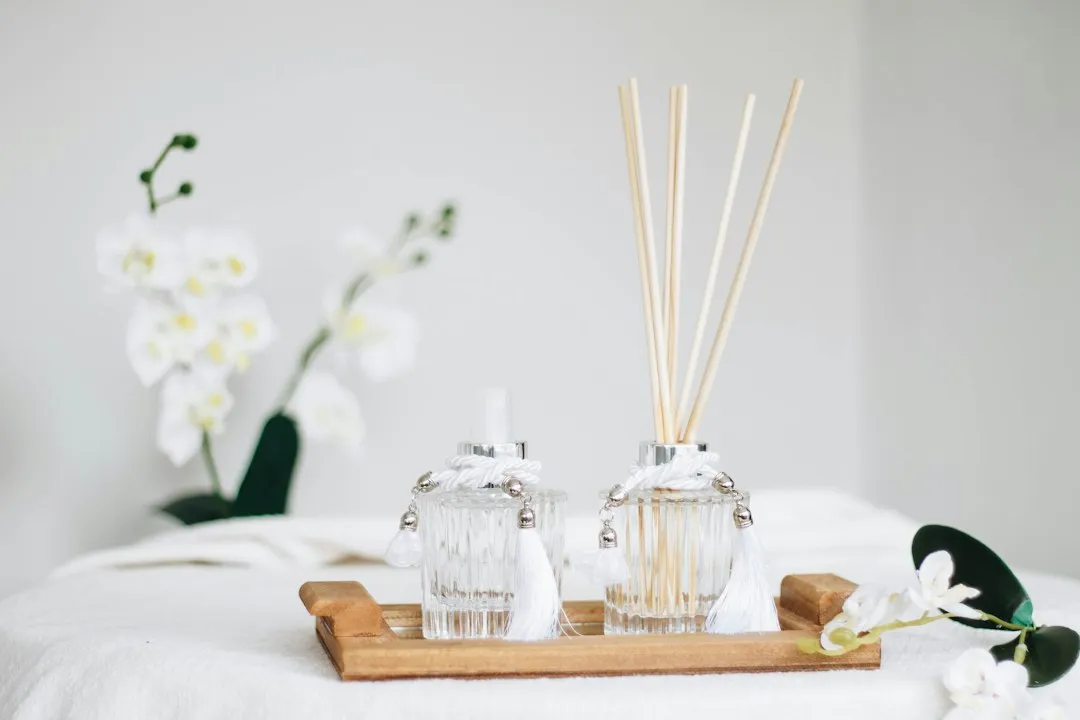
A reed or crystal diffuser placed on a console table near the door is a reliable method. The continuous, passive scent throw ensures the entryway always smells inviting. No last-minute spritz required.
The Living Room: Where the Signature Scent Lives
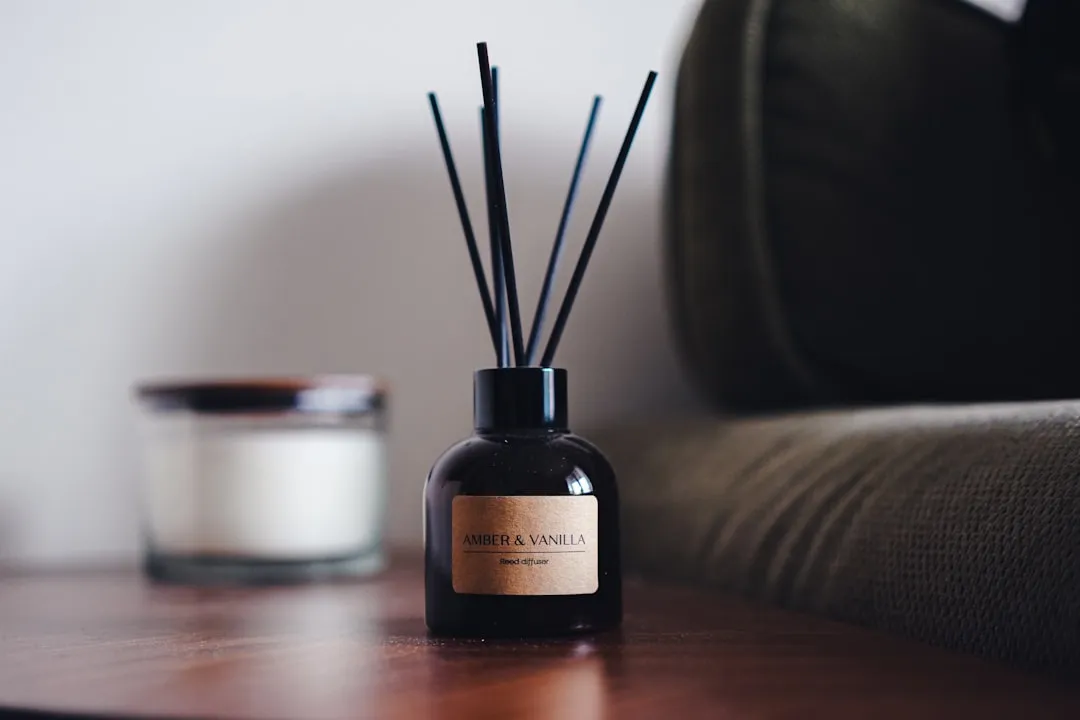
In the main living space, move to something warmer and more distinctive, since this is where guests spend the most time and where a signature scent has the most effect. Think woods, soft spices, or warm amber, something that feels settled and intentional rather than reactive.
Social spaces like the living room and dining room need warm, welcoming, conversation-friendly scents. Scents that are too sharp or too energizing can subtly put people on edge, even in a beautifully furnished room.
Blending jasmine or lavender with sandalwood or cedarwood creates a sophisticated, earthy atmosphere in living or dining rooms. These combinations sit comfortably in the background without demanding attention.
The “Nose Transition” Rule Designers Swear By
Designers use what’s called the “nose transition” rule: adjacent rooms should share at least one scent note. If your living room is vanilla-sandalwood, your hallway could be vanilla-linen. The shared vanilla note creates a smooth olfactory transition. Without this, moving between rooms can feel subtly jarring, like mismatched furniture.
Reduce intensity in transition zones. Hallways and staircases should be the lightest-scented spaces, acting as olfactory palate cleansers between rooms. Think of them as the pause between sentences.
Stick to one scent family as your anchor. If your entryway features white tea, use complementary clean or fresh scents in adjacent rooms, not heavy oud or strong cinnamon.
Matching Scent to Room Function
The practice has a name: scentscaping. It means assigning fragrance roles to zones the way a lighting designer assigns fixture types, with each scent serving a specific behavioral or emotional goal. It’s a systematic approach, not a random one.
A home office that smells of eucalyptus and a bedroom that smells of sandalwood create an invisible boundary that helps the brain shift between work mode and rest mode. That is a practical tool for anyone working from home.
The key principle is matching scent to function: active spaces like the kitchen and home office benefit from energizing, fresh scents, while relaxation spaces like the bedroom and bathroom call for calming, soothing scents, and social spaces need warm, welcoming, conversation-friendly aromas.
What the Hotel Industry Has Known for Decades
The concept of deliberate home scenting draws from hospitality design, where luxury hotels have used scent zoning for over two decades. What began as a commercial strategy has steadily moved into residential design as homeowners and their designers took notice of the results.
In the hotel industry, having a lobby scented with a signature fragrance improves guest ratings of cleanliness and comfort. The same effect translates directly to a private home when guests arrive.
Guests who associate a certain fragrance with a positive experience are more likely to return, and even more likely to want to recreate that atmosphere elsewhere. That emotional stickiness is exactly what designers are engineering when they layer scent before visitors arrive.
How Many Fragrances Are Too Many

Use fewer fragrances than you have rooms. Keep the most complex scent in one place and support it with simpler profiles elsewhere, rather than running several competing statements. Restraint is the mark of a confident approach.
Less is genuinely more here. You don’t need to scent every single room. The entryway, living room, and one bathroom are the three highest-impact starting points. Getting those three right will do far more than scattering diffusers across every surface.
Scent zoning recognizes that different rooms require varying intensities. What works in an entryway may overwhelm a small bedroom or study. Lighter diffusion is best for rest spaces, while living areas can support more complex scent layering without becoming intrusive.
Choosing Materials That Echo the Room

Real-world designers often describe choosing notes that echo the materials already in a room. A space with warm oak floors and linen upholstery calls for soft, woody, or botanical notes. A minimalist white-and-concrete kitchen reads better with a clean green or light citrus than with a heavy resin.
A simple way to think about combining fragrance notes is to approach it how you would textures in a room, layering something light and fresh with something warmer or more structured. The analogy is more literal than it sounds: both are about creating coherence across different sensory inputs.
Smell the fragrance in the actual space, not at a store counter, since temperature and airflow change everything. A scent that feels soft in a candle shop can become overpowering in a small hallway with poor ventilation.
How Widely Designers Are Now Using This

Research indicates that around two thirds of interior designers now include scent recommendations in their design plans, and homes with intentional scent design receive notably higher satisfaction ratings from occupants. Scent has crossed from optional extra to recognized design element.
Luxury homes increasingly adopt whole-home or zoned scenting strategies. Entryways, living rooms, and bedrooms may share a cohesive fragrance profile with subtle variations, supported by professional diffusers designed for open spaces to ensure even distribution throughout the home.
Luxury scenting in 2026 is about intention. When fragrance is chosen thoughtfully and diffused professionally, it becomes an invisible signature that defines how spaces are remembered.
The Takeaway

The scent layering trick isn’t a secret reserved for clients with large budgets or design-world connections. Its logic is accessible, its tools are widely available, and its effect is real. A reed diffuser near the front door, a warm candle in the living room, and a lighter note in the hallway between them is genuinely enough to start.
Fragrance is an intentional design element that shapes mood, memory, and spatial identity. Luxury designers now treat scent with the same deliberate attention as lighting and materials, using it to create what some call a “silent signature” for a home.
The best version of this technique is one your guests never consciously notice. They simply feel more at ease the moment they walk in, and that quiet comfort is the whole point.
AI Disclaimer: This article was created with the assistance of AI tools and reviewed by a human editor.