

Dogs Are Wired to Vocalize as a Primary Social Tool

Social species are known to be much noisier than animals who lead solitary lives. Given that dogs and their wild progenitor, the wolf, are highly social, it’s no surprise they produce a wide range of vocalizations: barking, whining, whimpering, howling, huffing, growling, yelping, and yipping, among other nuanced sounds. Grumbling is simply one entry in a rich vocal repertoire that evolved alongside close social living.
Dogs communicate with the world around them in many ways, and an especially important aspect of canine communication is how they vocalize, which includes barking, growling, and whining. When a dog grumbles after being told no, it’s drawing from the same instinctive toolkit it uses for everything else.
The Grumble Is Not Aggression – It’s a Message

According to veterinary experts, growling is one of the most misunderstood dog vocalizations. A low “grrr” can indicate displeasure or irritation, but dogs also growl happily in play, and some even growl to indicate contentment, much like a cat purrs. The grumble after a “no” typically sits in this middle zone between displeasure and protest.
Your dog gives off body language clues in their ears, tail, stance, and tone during a growl that can help you figure out whether the threat is serious or playful. In a study where humans listened to various types of growls, researchers found people are actually quite good at discerning when a growl is serious versus when it’s playful. So if it feels like harmless grumbling, you’re probably reading the situation correctly.
Frustration Is the Core Emotional Driver
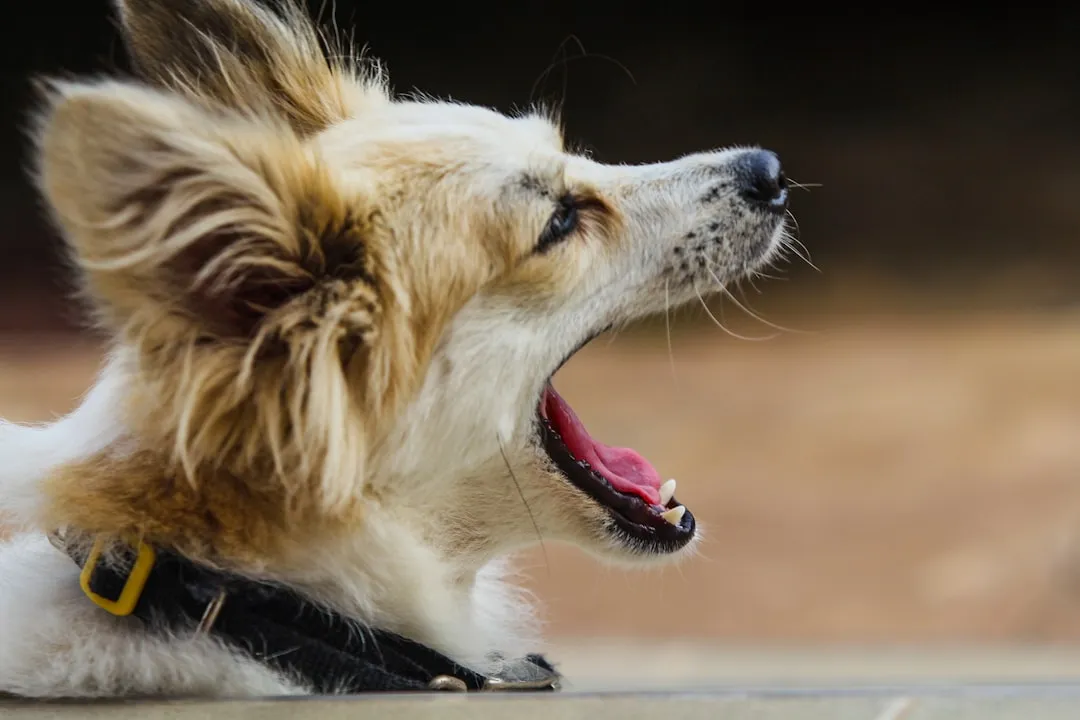
Frustration is a negative emotion elicited by situations when a positive expectation of an individual is violated – for example, when an anticipated reward is delayed or withheld, or a previously accessible resource becomes inaccessible. When you say “no” to a dog that expected a treat, a walk, or playtime, this is precisely what happens inside their brain.
Frustration is a negative emotional state that occurs when an expected reward is lost or diminished. In dogs, this negative state has been correlated with physiological and behavioral stress responses such as an increase in cortisol, vocalizations, and lunging. The grumble you hear is not theater. It’s a real emotional signal tied to measurable stress biology.
Research Confirms Dogs Vocalize More When Rewards Disappear

One study evaluated frustration reactions of domestic dogs during a communicative situation involving interactions with a human. The task included the reinforcement and extinction of the gaze response toward the experimenter’s face when dogs tried to obtain inaccessible food. The dogs’ frustration reactions during extinction involved an increase in withdrawal and side orientation to the location of the human as well as lying down, ambulation, sniffing, and vocalizations.
Results from this research suggest that after a surprising reward omission, dogs ambulated, sniffed, and vocalized more frequently. In other words, the “talking back” is not random. It’s a well-documented behavioral response to being denied something they expected.
Low-Pitched Sounds Carry Specific Meaning Across Species
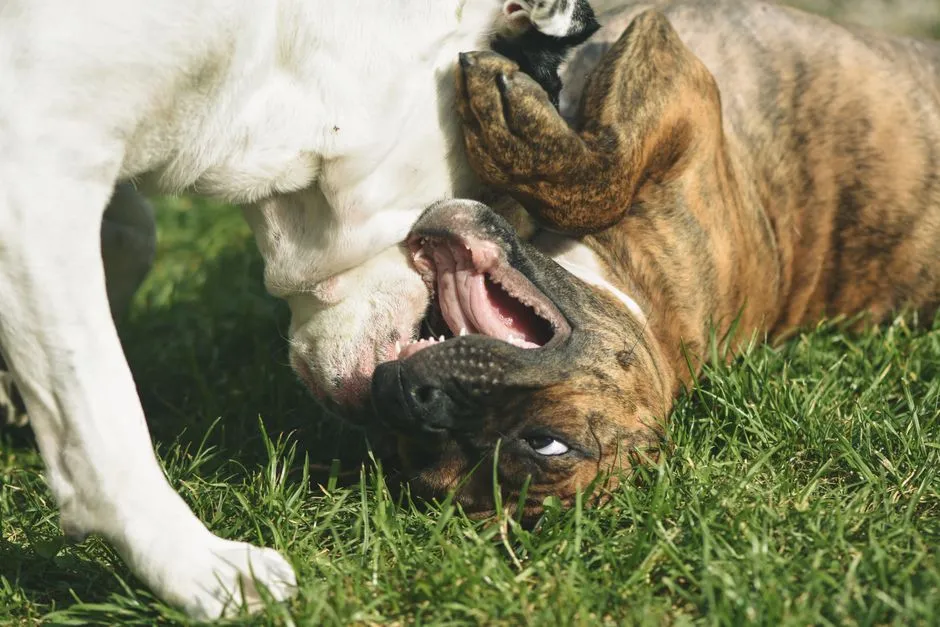
Through their shared mammalian histories, canine and human vocalizations follow similar acoustic patterns. High-pitched and more tonal noises convey friendliness, affiliation, and “come here,” whereas low-pitched and less tonal sounds convey aggression and “go away.” These rules and tendencies, which are found across mammalian and avian species, govern communication and emotional expression.
This is why the grumble sounds exactly the way it does. It’s not random pitch. A dog that grumbles after being denied something is producing a sound within the low-pitched, emotionally loaded register – one that’s biologically readable even across species. Your instinct that something is being communicated is not wrong.
Individual Dogs Vary Widely in Frustration Tolerance

Certain dogs are consistently more prone to frustration, and this correlates with problematic behaviors such as excessive barking, leash aggression, and deficits in impulse control. This explains why some dogs barely react when told no, while others launch into a full grumbling monologue.
Current research at the Clever Dog Lab Vienna situates frustration within the concept of emotional self-regulation, an area in which dogs vary greatly as individuals. Age, breed, prior training, and personality all shape how loudly – or quietly – a dog voices its disappointment.
Breed and Working Background Play a Role
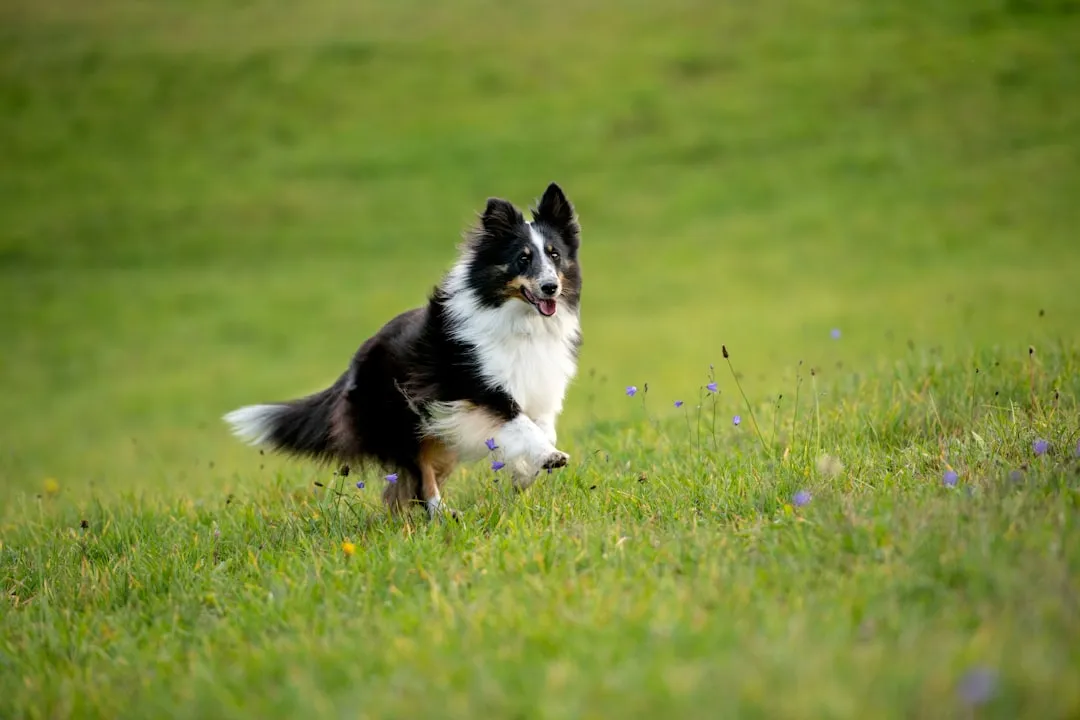
Breed type was found to be a strong factor, as representatives of cooperative working dog breeds reacted stronger to the absence of their owner and showed more human-directed behaviors in a difficult-to-solve task. Working and herding breeds that were historically bred to stay in close communication with humans tend to be more expressive overall.
Some breeds are more prone to vocalizing in certain ways than others. Breeds like Siberian Huskies are known for being big talkers and are common dog grumblers. For these dogs, a grumble when told no is basically just Tuesday. It’s the way they’re wired.
Dogs Have Learned That Vocalizing Gets Results
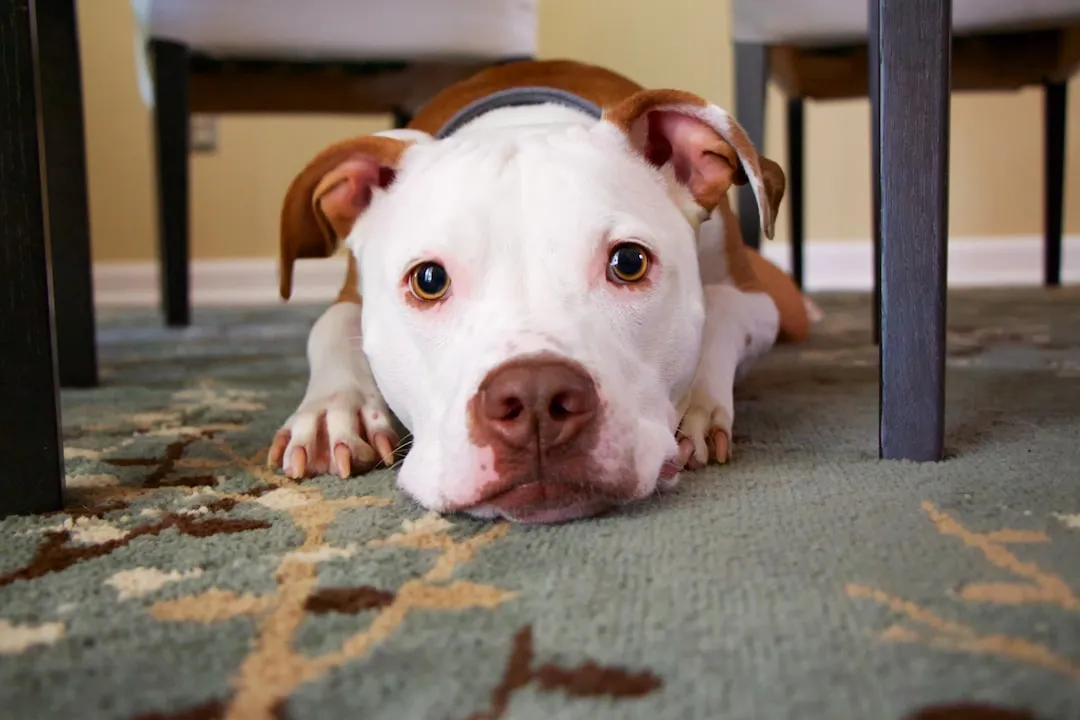
Research found that in some food-request studies, only a minority of dogs vocalized. Vocalizations may be a secondary modality of communication, or most of the dogs had previously learned from their owners not to vocalize in food-request situations by lack of reinforcement. The flip side is equally true: dogs that got attention or a softened “no” after grumbling may have reinforced the habit.
Whining is a vocalization that dogs practice from a young age to express their need for a resource or attention. Some dogs might whine when left alone, when they can’t greet a dog friend from across the street, or to try to get you to toss some tidbits from the dinner table. Over time, these early vocal habits build into the patterned responses adult dogs show every day.
Facial Expressions Accompany the Vocal Protest

Frustration has been associated with negative facial expressions such as ears flattened, blinking, parted lips, jaw-dropping, and nose licking, as well as behavioral displays such as looking away upon being denied an expected food reward or toy. Next time your dog grumbles at you, take a look at the whole face. The expression and the sound are part of one coordinated emotional message.
Frustration responses can occur in superficially similar contexts as the emotional state of positive anticipation. The anticipated delivery of a food reward may induce the state of positive anticipation, but over time, if the food is not delivered, this state will be replaced by frustration. The transition happens fast, which is why a dog can go from excited to grumbly in a matter of seconds after hearing “no.”
Should You Worry About It, or Just Let It Go?
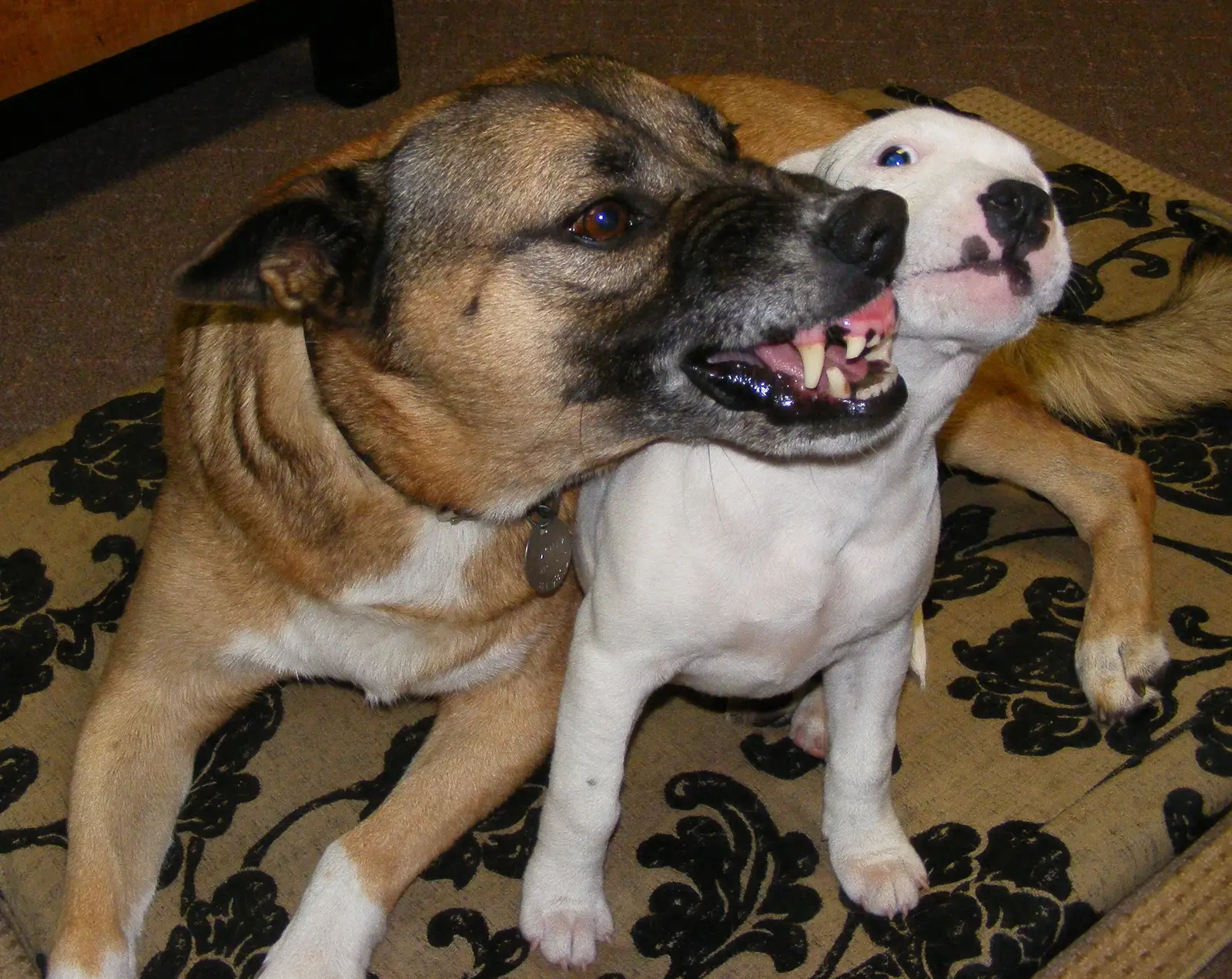
Frustration barking and grumbling should be viewed as a symptom, not a character flaw. It is an indication of a gap between expectation and reality, whether due to an inappropriate level of arousal, a lack of frustration tolerance, or unmet needs. Most casual grumbling when told no is normal and not a red flag on its own.
To know the difference between a happy growl and a displeased one, watch your dog’s body language. If a dog growls with raised hackles or a lifted lip, it’s best to give them space. Grumbling without any of those signals is generally just your dog registering their frustration in the only language they have.
Final Thoughts
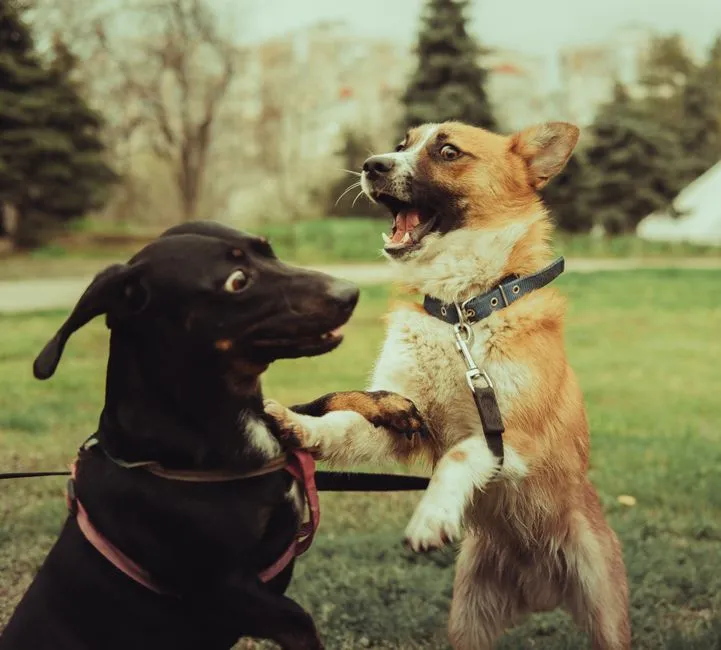
The grumble your dog produces when you say no isn’t defiance in the human sense. It’s a genuine emotional response rooted in millions of years of social evolution and decades of behavioral research. Dogs feel frustration, they have vocal tools to express it, and they use them – especially with the people they’re closest to.
That minor protest sound is also, in a quiet way, evidence of a real bond. Your dog is talking to you because it believes you’ll listen. Whether you change your mind or hold firm, the grumble is a signal worth understanding rather than dismissing.
AI Disclaimer: This article was created with the assistance of AI tools and reviewed by a human editor.