
Why Stairs Are the Most Dangerous Spot in the Home
The bedroom, bathroom, and stairs are the most common sites of at-home falls, and stairs stand out because a misstep there carries the highest consequence. Unlike a trip on flat ground, a fall on a staircase can involve multiple impacts as the body descends several steps. The forces involved are severe.
New research by the British Woodworking Federation found that stair accidents are common, with many people slipping or falling at home. While younger adults had the most accidents, older people faced the most serious and sometimes fatal injuries.
A 2024 report from the Royal Society for the Prevention of Accidents (RoSPA) found that almost half of accidental deaths in 2022 resulted from falls. That’s a striking number, and it underlines how urgently most homes need a closer look at their stair design.
The Single Biggest Modification: Handrails on Both Sides
Research has shown that the provision of a handrail on each side of the stair helps users who rely on support and can prevent falls among those who typically don’t use handrails but would instinctively reach for one if they slipped. That instinctive reach is the key. In the fraction of a second after losing footing, having something to grab within arm’s reach can stop a fall entirely.
Studies have demonstrated that sizeable stabilizing handrail force can be generated very quickly, up to roughly three fifths of body weight in less than one second, in response to a loss of balance. That finding is remarkable. It means a well-placed handrail isn’t just a comfort feature. It’s a functional safety mechanism that the body uses automatically.
Well-designed handrails not only can reduce the chance of a fall, but may also serve to limit the distance down the stairs one falls. Even when a fall isn’t completely prevented, a secure handrail can convert a catastrophic tumble into a controlled catch.
What the Research Actually Says About Handrail Standards
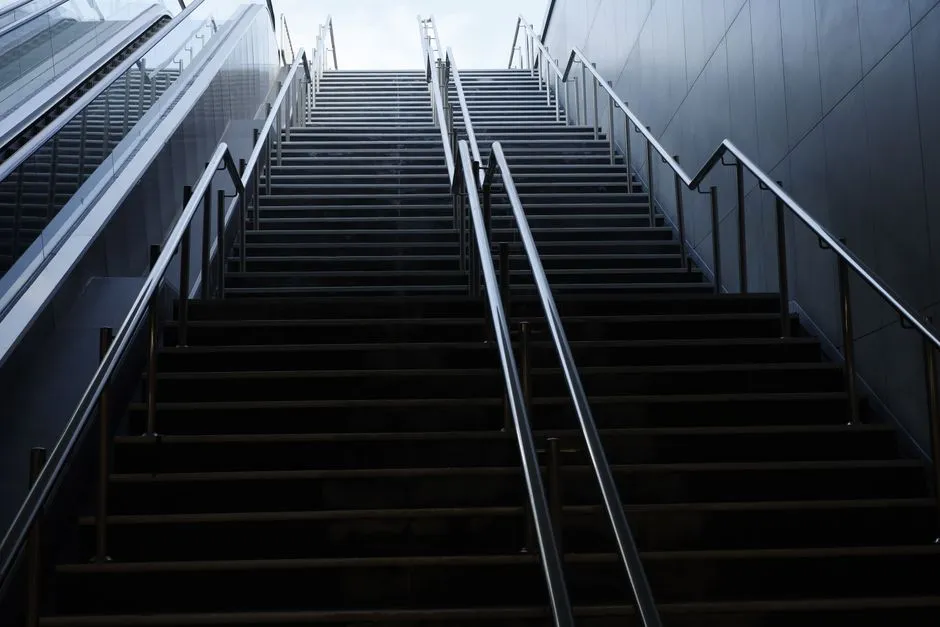
RoSPA has stated that adopting the recommendations of British Standard BS 5395-1:2010, currently voluntary, could reduce the risk of stair falls by up to 60%. That figure is significant and rarely discussed outside the building industry. It suggests that following existing guidance more rigorously, rather than waiting for new technology, could make an enormous difference.
Research also found that the current minimum height requirement for private stair guarding is too low to protect most adults, especially when descending, and is insufficient to deter children from attempting to climb it. This points to a real gap between what regulations currently allow and what safety evidence recommends.
Handrails help pedestrians keep their balance and provide leverage when ascending or descending stairs. Recommendations include installing a two-rail system, with a top rail at 42 inches high and a second handrail at a minimum of 34 inches. For home staircases, this dual-rail setup is rare, but the evidence behind it is solid.
High-Contrast Stair Nosing Strips: A Simple Fix With Real Impact
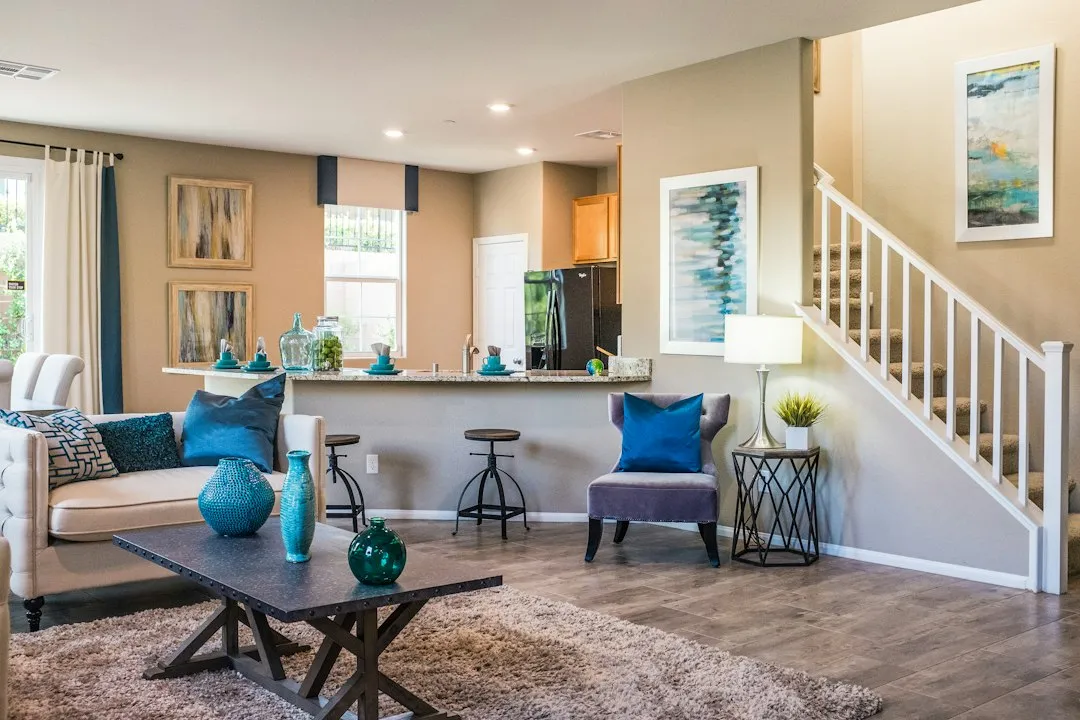
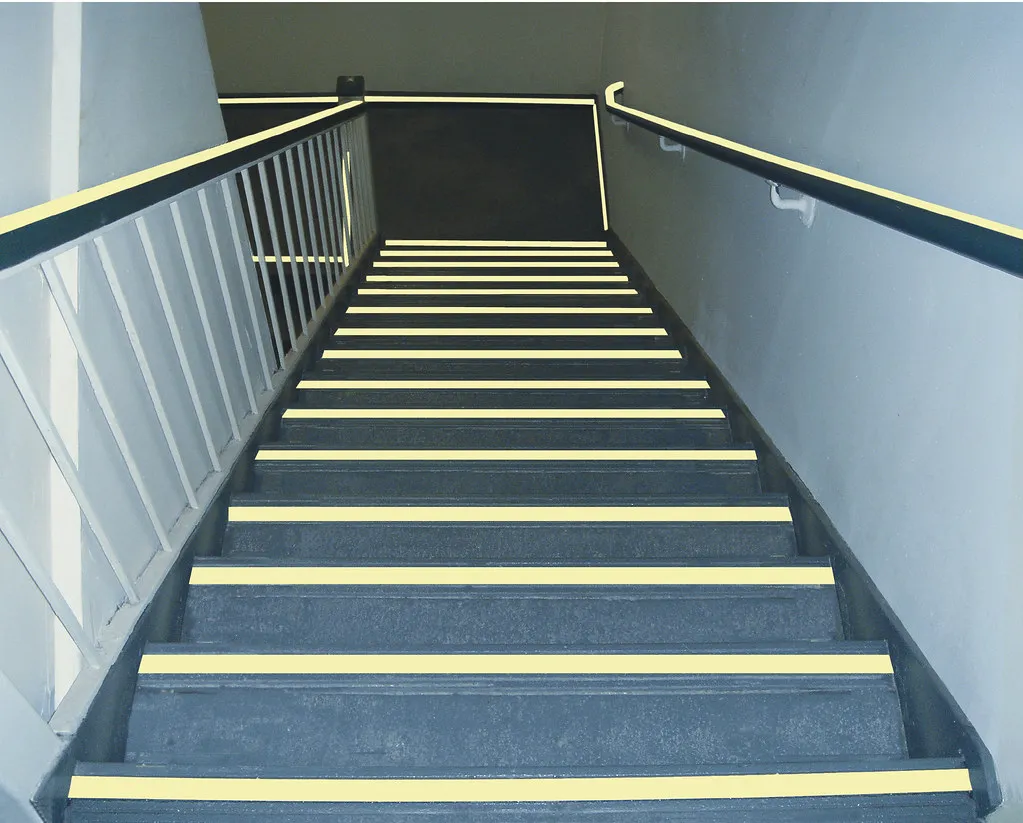
For stairs with high variability in step dimensions, more than four out of five fall-related events occurred on stairs with no striping, compared with fewer than one in five on stairs with high-contrast striping. That finding, published in early 2025, is one of the more compelling pieces of recent evidence for a low-cost intervention.
The data supports the premise that a vision-based strategy, specifically striping, may counteract fall risk associated with interstep riser height and tread depth variation. The horizontal-vertical illusion created by striping may have a positive impact on the incidence of fall-related events.
High-contrast nosings make the edge of each step more visible, aiding in depth perception and reducing the risk of missteps, particularly in dimly lit environments. For households with elderly members or anyone with impaired vision, this is a quick and inexpensive change that carries genuine protective value.
Stair Lighting: Not Optional, Actually Essential

Poor lighting is a factor in a large share of stair falls. The fix is straightforward: install bright bulbs at the top and bottom of every staircase. LED daylight bulbs provide clear, shadow-free illumination, and adding light switches at both ends of the staircase means you never have to navigate stairs in the dark to reach a switch.
Ensuring good lighting with light switches at the top and bottom of stairs is essential. Motion-activated lights that plug into electrical outlets and automatically turn on when you walk by them can help illuminate stairwells and pathways. These are widely available, inexpensive, and easy to install without any electrical expertise.
Step Dimensions Matter More Than Most People Realize
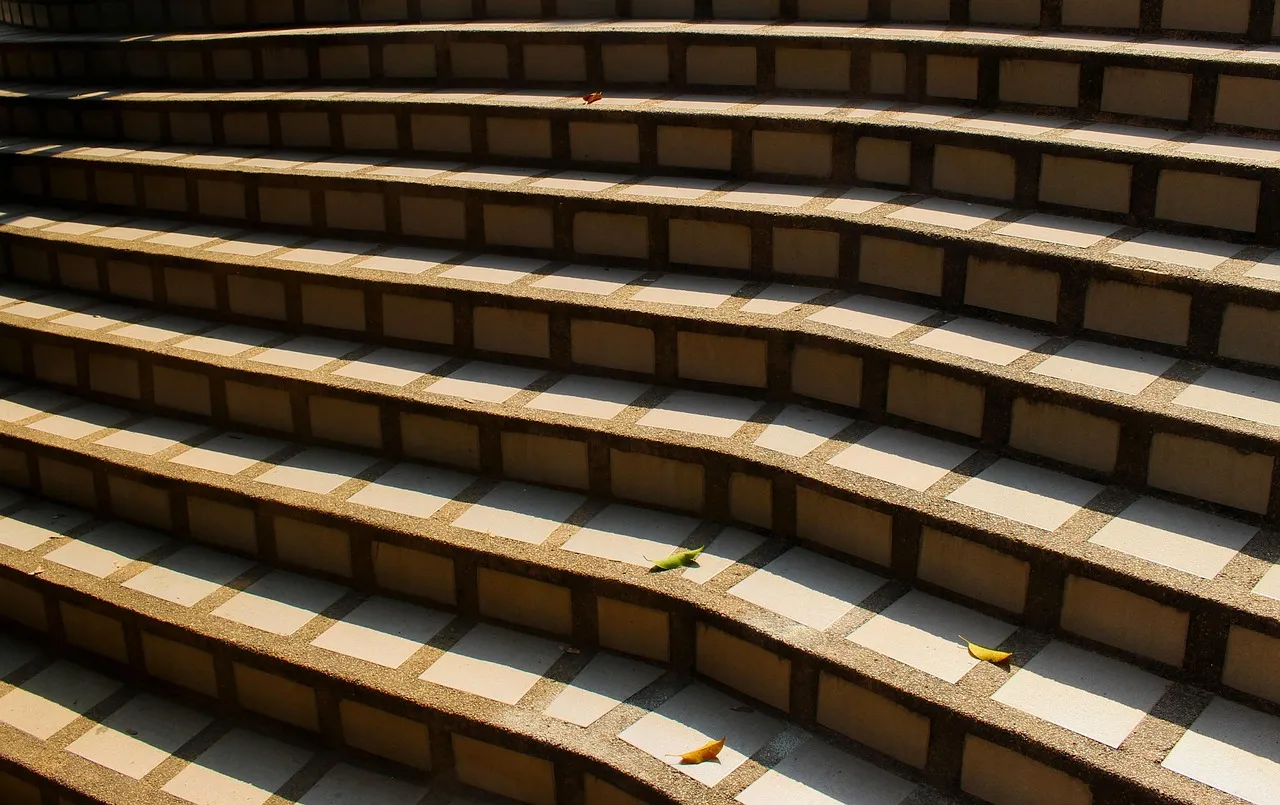
Research showed that increasing the minimum going, which is the horizontal depth of the tread, from 220mm to 275mm significantly improved stair safety, even enabling slight variations between steps without increasing risks, due to the benefit of improved foot placement. That kind of structural change is harder to retrofit, but it matters for anyone renovating or building new stairs.
Studies imply that safer stairs require more space to allow for shorter stair heights and longer tread lengths, with access to properly located and shaped handrails. Shallow treads force the foot into a compromised position, and over thousands of daily uses, that increases the cumulative risk of a misstep considerably.
Regulations demand uniformity in tread depth and riser height, which helps users maintain a consistent gait while ascending or descending stairs, reducing the likelihood of missteps. Inconsistent step heights are particularly dangerous because the body anticipates a repeated pattern. When one step breaks that rhythm, the brain doesn’t compensate fast enough.
The Age Factor: Why Older Adults Are at Greater Risk
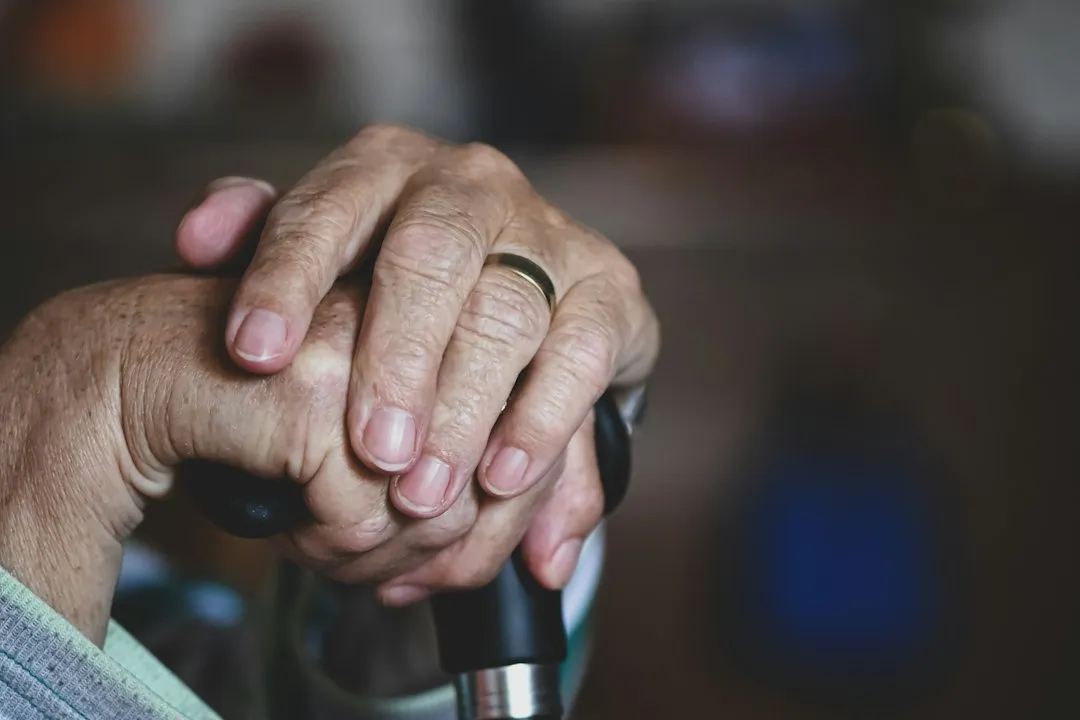
About 78% of older adults live in their own homes, yet most housing was not built for aging in place. While roughly one in six adults aged 65 to 79 and more than a third of adults aged 80 and over experience difficulty walking and climbing stairs, fewer than 4% of U.S. homes offer the three foundational features of accessible housing.
Balance, leg strength, and proprioception all decline with age. These changes are gradual, which is why they’re dangerous. People often don’t realize their stair-climbing ability has deteriorated until a fall proves it. By 70, most adults have measurably less ankle stability and slower reflexes than they did at 50.
Even non-injurious falls have significant negative consequences because of fear of falling, functional deterioration, anxiety, depression, and loss of confidence. There is evidence that if not detected and treated early enough, a person who is prone to fall may pass a threshold after which intervention is inadequate to prevent a cascade of inevitable decline and loss of independence.
Stair Carpeting and Non-Slip Treads
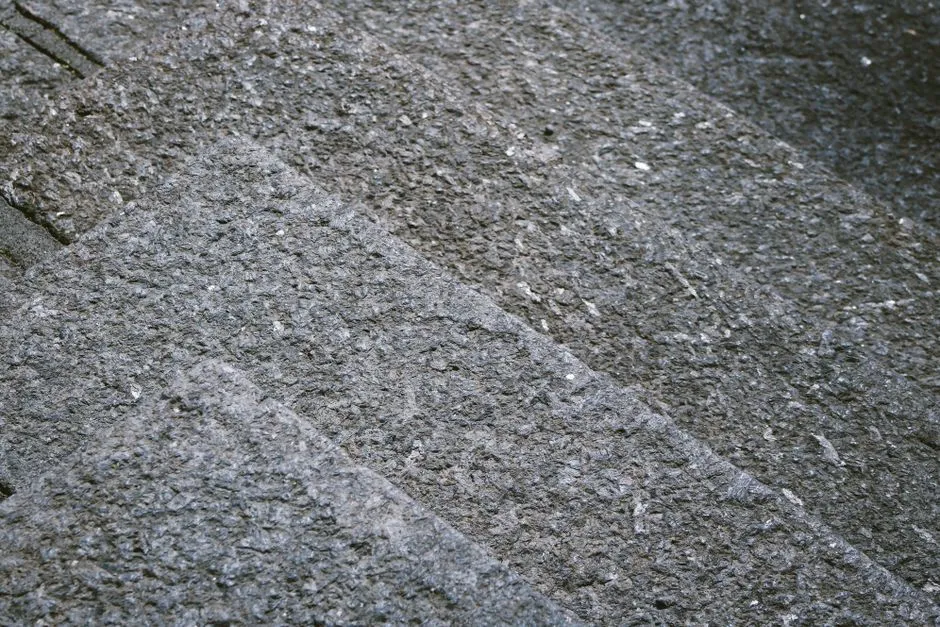
Checking that all carpets are fixed firmly to the floor so they won’t slip is important. Non-slip strips, available at any hardware store, can be placed on tile and wooden floors and on stair surfaces. A loose carpet edge on a stair is one of the most overlooked hazards in many homes, particularly in older properties where the carpet has simply worn thin over time.
High-contrast strips applied to the front edge of each step make the boundary between steps clearly visible. These strips do double duty, adding both grip and visual definition. For a full staircase, the material cost is modest, which makes this one of the most cost-effective modifications available.
Regular stair maintenance is also essential, with almost a third of accidents linked to broken safety features or poor upkeep. That statistic is easy to overlook. Maintenance isn’t glamorous, but a broken tread edge or a loose banister post is just as dangerous as having no handrail at all.
Stair Lifts: When Modifications Aren’t Enough
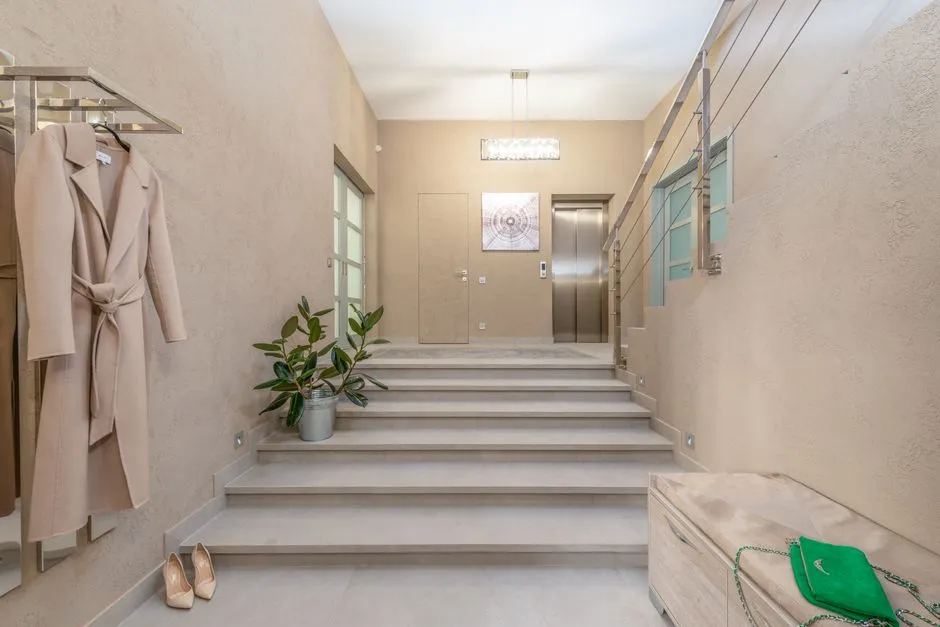
By offering a secure and dependable way to move between floors, stair lifts play a crucial role in mitigating the risk of falls and trips on stairs, ensuring safer home environments for the elderly and other individuals with mobility challenges. For people whose balance or strength has declined significantly, no amount of handrail improvement or lighting upgrade fully addresses the underlying risk.
The global stair lift market is projected to expand considerably, growing from approximately 874 million dollars in 2022 to an estimated 1.4 billion dollars by 2030. That growth reflects real demand driven by an aging population that increasingly wants to remain in multi-story homes.
Various home modifications, including grab bars, handrails, and raised toilets, are recommended to reduce fall risk in the homes of community-dwelling older adults. These home modifications may enable older adults to remain independent and are purported to reduce falls. A stair lift sits at the more intensive end of that spectrum, but for the right person at the right time, it may be the most impactful single change possible.
Behavioral Change: The Overlooked Side of Stair Safety
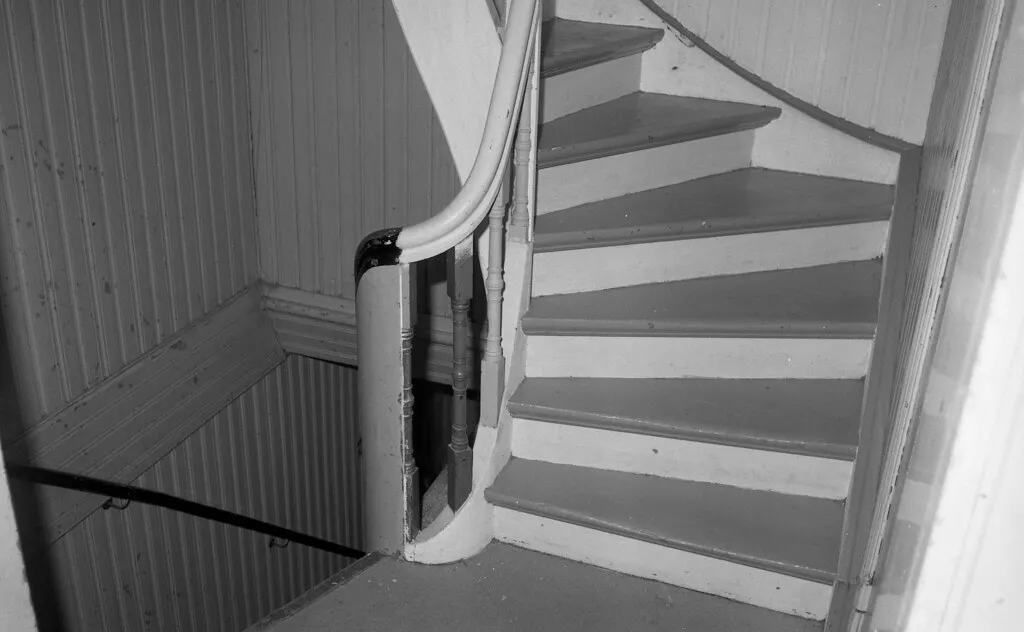
Research shows that awareness of risks isn’t always translating into behavior change, highlighting the need for broader awareness-raising and better education about the real dangers presented by slips, trips, and falls on stairs. Most people know stairs can be dangerous in a general sense. Fewer actually change how they use them.
Holding handrails when going up or down stairs, even when carrying something, is consistently recommended. Not letting anything carried block the view of the steps is equally important. These habits sound obvious but are genuinely underused. Many stair falls happen to people who were carrying laundry, groceries, or a toddler.
Combined research demonstrates that both safer stair design and changes in user behavior could substantially reduce accidents, hospital admissions, and deaths. Neither side of that equation works as well alone. Physical modifications create the conditions for safety, but behavior still determines whether those conditions are actually used.
The Takeaway

If there’s one modification that the evidence points to most consistently, it’s proper handrail installation on both sides of the staircase. Secure, graspable, correctly positioned handrails give the body what it needs in the fraction of a second between losing balance and falling. Everything else, including lighting, contrast strips, non-slip treads, and consistent step dimensions, layers on top of that foundation.
The good news is that most of these changes are genuinely affordable. Some cost very little. What they require is attention, a recognition that stairs are not a neutral feature of the home but one of its most consequential safety variables. Acting before a fall happens is far easier than recovering from one after the fact.
AI Disclaimer: This article was created with the assistance of AI tools and reviewed by a human editor.