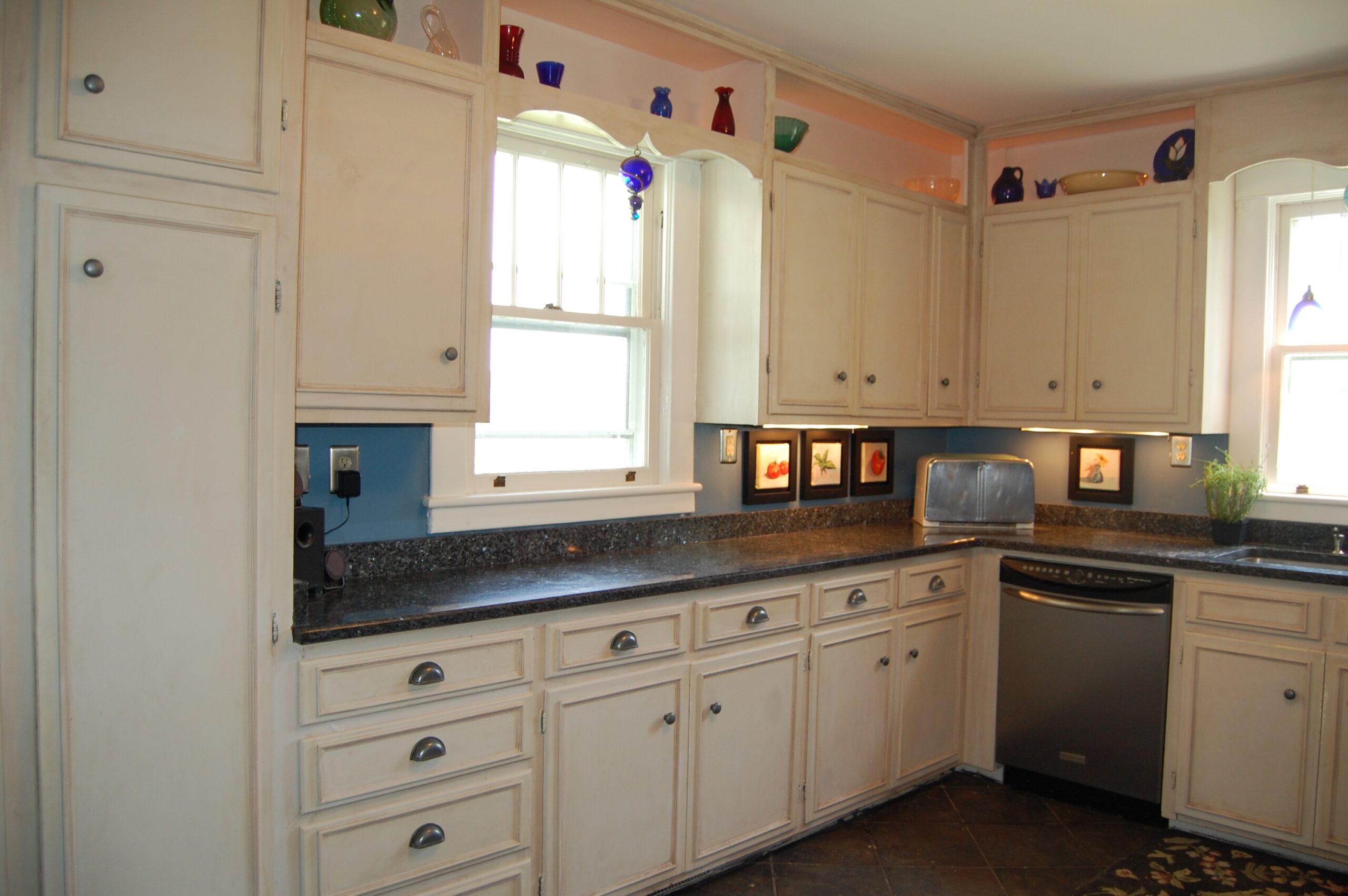

The Rise and Plateau of Open Shelving
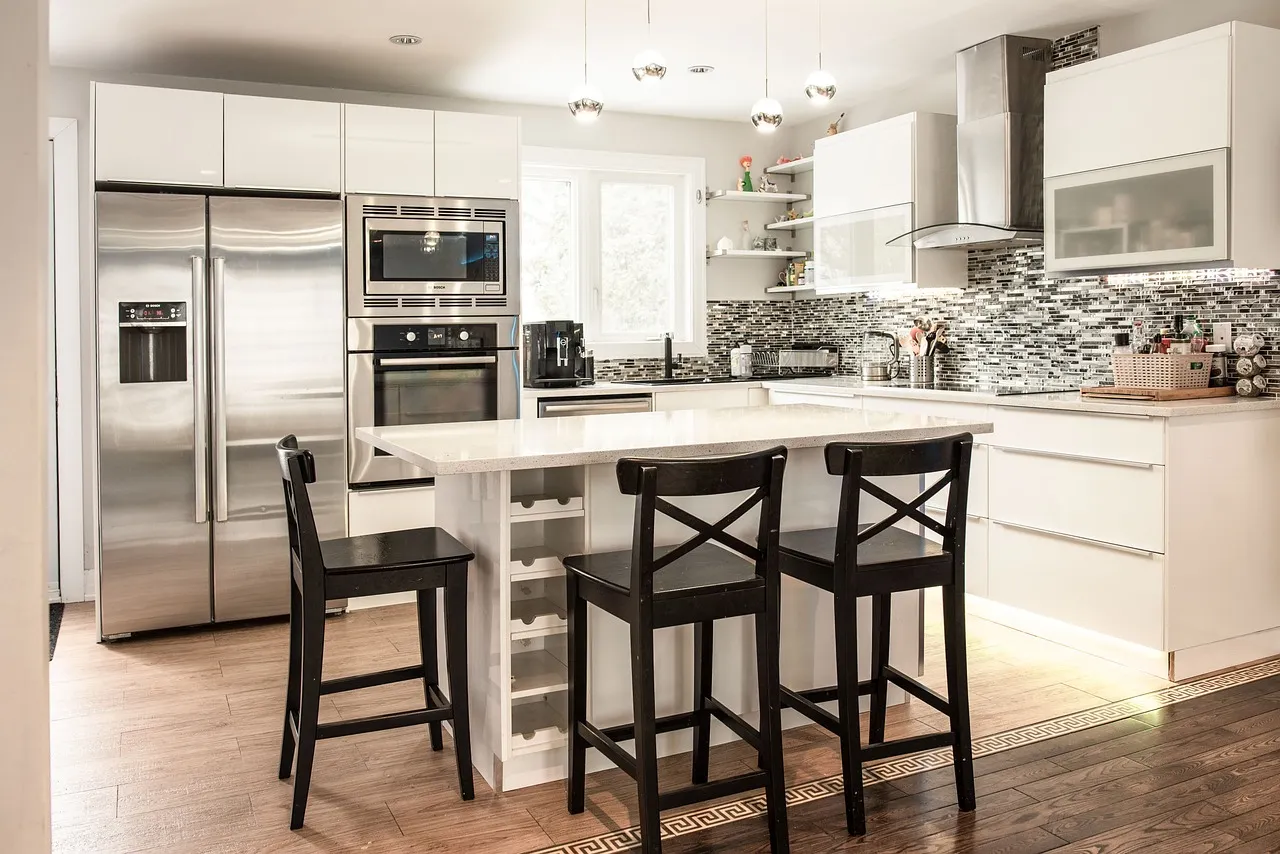
Open shelving peaked between 2019 and 2022, then faced practical backlash. The trend spread quickly through social media, fueled by the visual appeal of styled, airy kitchens that looked nothing like the closed-off cooking spaces of a generation prior. Open shelving had been one of the hottest kitchen cabinetry trends of recent years, with replacing upper cabinetry becoming a popular way to make kitchens feel brighter, more spacious, and more intentionally styled.
Design experts noted even back in 2024 that open shelves were no longer as popular as in years past, with only about 17 percent of professionals identifying it as a leading trend for that year. The momentum had clearly shifted. What rose fast had started to fall at a similar pace.
Closed Cabinets Reclaim the Lead
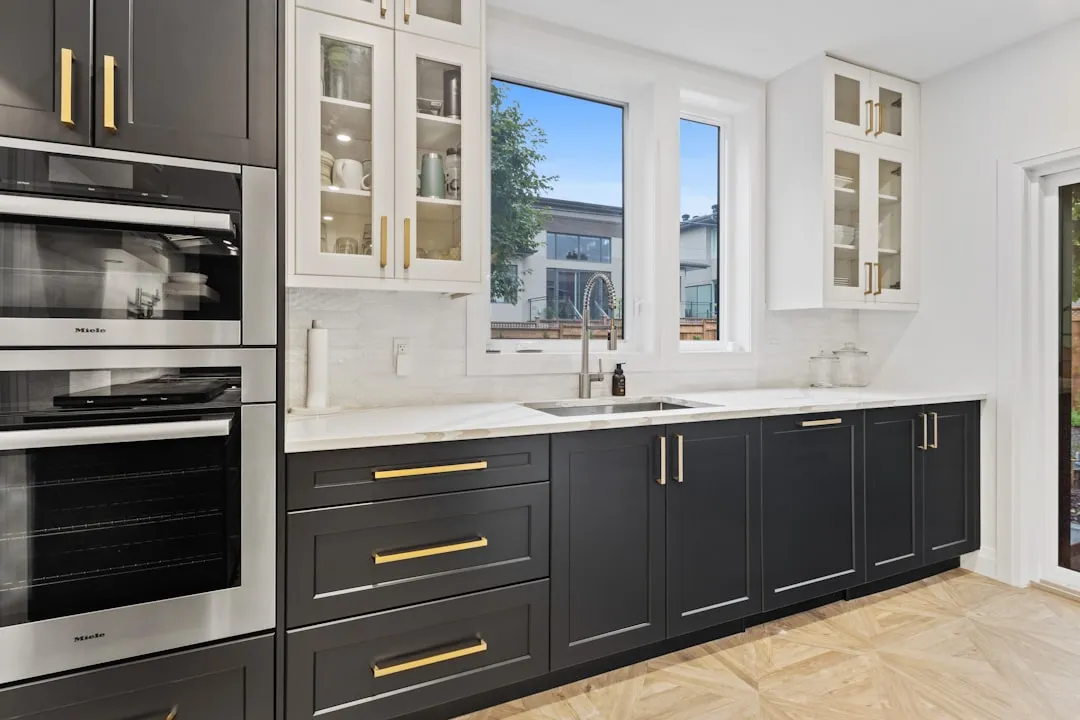
In 2024, homeowners began shifting toward more functional and streamlined options, with clutter, high maintenance, and changing preferences causing people to drift away from open shelving. The pull toward simplicity over display is real and measurable. Sleek, integrated cabinets became the new focus in 2024, hiding everything behind smooth doors and giving kitchens a clutter-free, modern feel.
Industry data from 2024 specifically cited declining open shelving as one of the trends distributors should be aware of when making strategic decisions. That’s a notable shift from a trend that just a few years prior had been considered a permanent fixture of contemporary kitchen design.
The Maintenance Reality Nobody Talks About Upfront
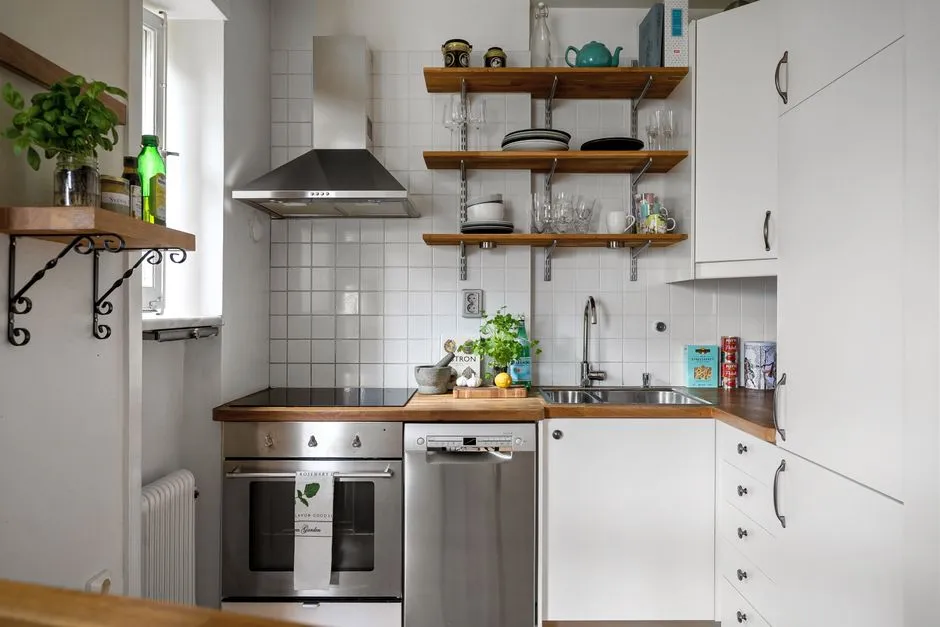
Unlike closed cabinets, open shelves are exposed to dust, grease, and cooking residue, requiring more frequent cleaning and maintenance. This sounds manageable in theory. In practice, it adds up faster than most homeowners expect. Grease particles become airborne during cooking and eventually settle on exposed items, which is especially problematic for shelving near stovetops where humidity and grease combine to create stubborn residue. Even powerful range hoods cannot completely eliminate this issue.
Open shelving requires dusting and degreasing every two to three weeks if you cook with high heat, and weekly if you fry regularly. One estimate put the time difference at roughly 13 hours per year for open shelves versus about 4 hours per year for closed cabinets. That’s a real lifestyle cost, not just an aesthetic preference.
Storage Capacity: Where Cabinets Still Win Clearly
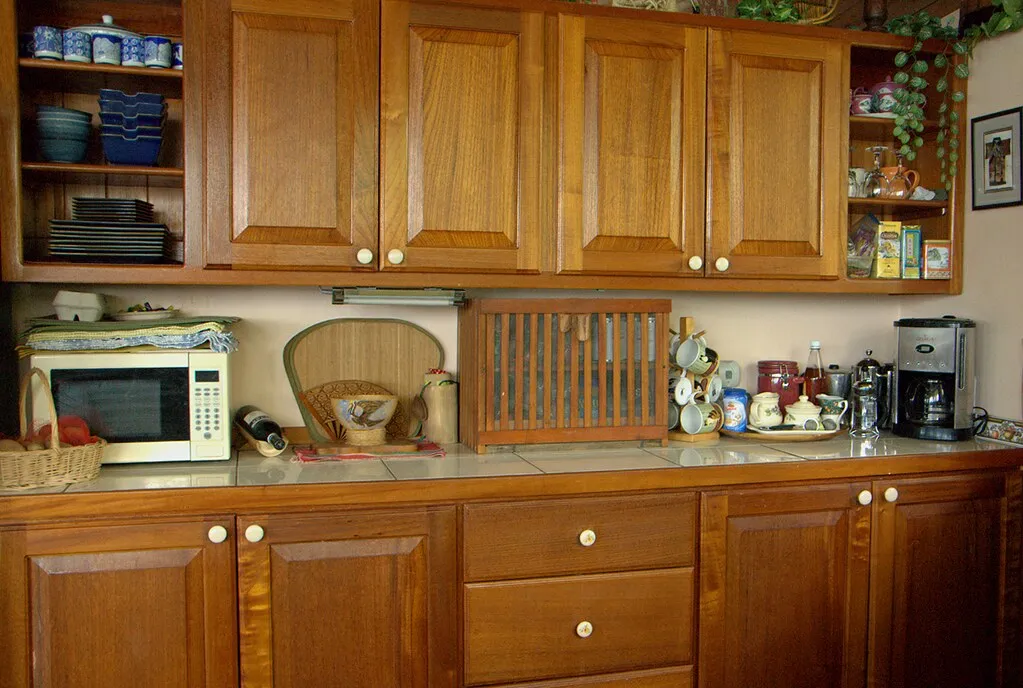
Traditional cabinets provide enclosed space to store a variety of kitchen essentials, whereas open shelves offer limited storage and are best suited for curated items rather than bulk pantry goods. This distinction matters most in smaller kitchens where every inch of usable storage is competitive. Deep drawers and integrated cabinets outpace open shelving on functionality, particularly in kitchen islands where storage needs are heaviest.
Open shelving works well as a complement to cabinetry, not as a full replacement. The moment you start hiding cleaning supplies, mismatched containers, and bulky appliances behind the visual display items, the appeal of the open shelf begins to contradict itself. Storage is rarely photogenic in full.
The Visual Clutter Problem
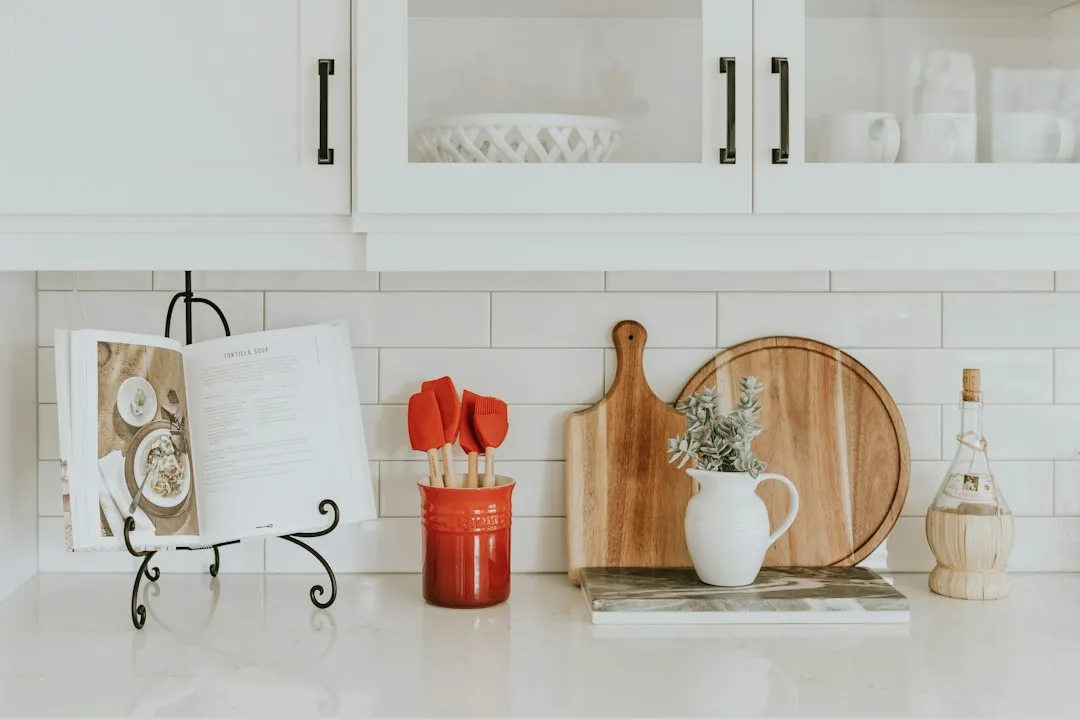
Without careful organization, open shelving can make a kitchen appear messy, with mismatched dishes or excessive items contributing to visual chaos. This is one of those trade-offs that only becomes obvious after living with the design for a few months. Open shelving also requires you to be organized at all times so that displayed items look appealing, which may not suit kitchens where crockery is mismatched and varied.
Open shelves can be visually overwhelming, especially in smaller spaces or kitchens that already have a lot going on. With so many items on display, creating a space that feels calm and inviting becomes difficult, and in busy kitchens this visual clutter can feel more stressful than stylish. That’s an honest observation worth sitting with before committing to the look.
What the Houzz Kitchen Trends Study Found
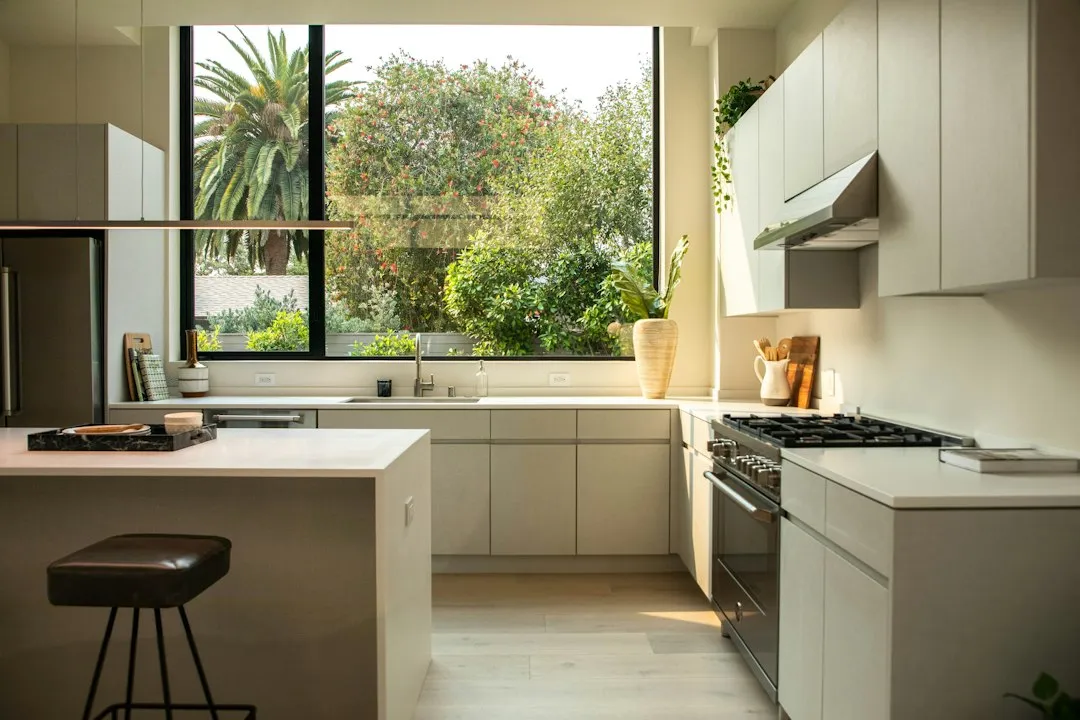
According to the 2024 U.S. Houzz Kitchen Trends Study, more homeowners are choosing open-concept kitchen layouts, rising to 43 percent in 2023 compared to 38 percent in 2021. Open layouts and open shelving are related but distinct ideas, and it’s worth separating them. A kitchen can feel spacious and connected to adjacent rooms without a single floating shelf in sight. The same study found that for kitchen islands specifically, people prefer drawers and cabinets with doors over open shelving.
The study also confirmed that cabinet upgrades remain one of the top priorities in kitchen remodels, with roughly 85 percent of people renovating choosing to upgrade their cabinetry. The investment appetite is clearly there, and it’s tilting toward enclosed storage.
The Frameless Cabinet Surge
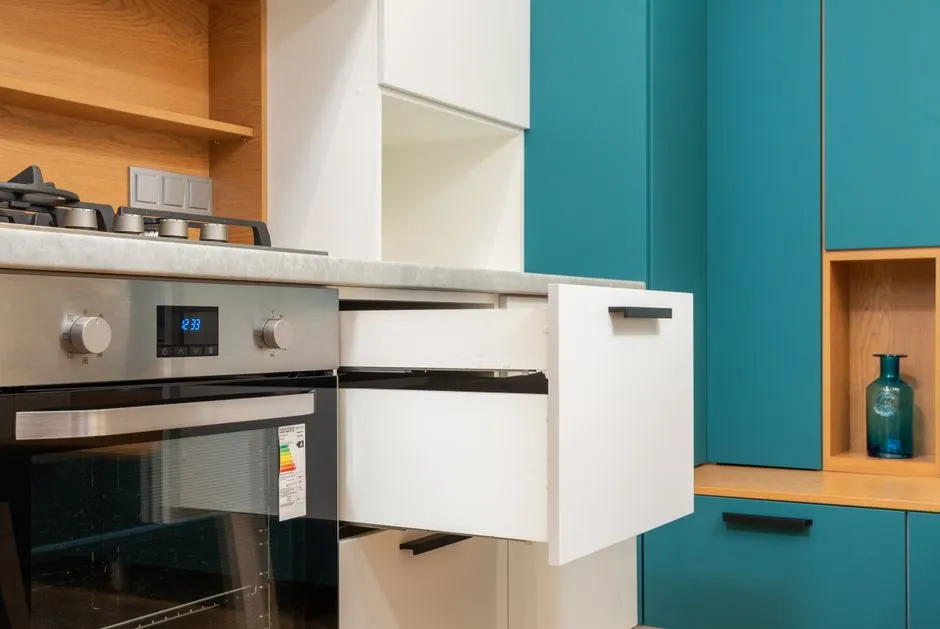
The U.S. cabinet market saw significant shifts between 2023 and 2024: framed cabinets held around 60 percent market share in 2023, but that figure dipped to 55 percent in 2024 as frameless cabinets grew to account for nearly half the market. Frameless cabinets offer the clean, seamless lines that many homeowners find appealing without sacrificing any actual storage space. This shift toward frameless cabinets reflects a broader trend toward contemporary designs that maximize both functionality and style.
In many ways, the frameless cabinet trend is the design world’s answer to the open shelving aesthetic. You get the modern, minimal look without exposing every dish and glass to airborne grease. It’s a quieter kind of elegance, and it’s clearly resonating.
Glass-Front Cabinets as the Middle Ground
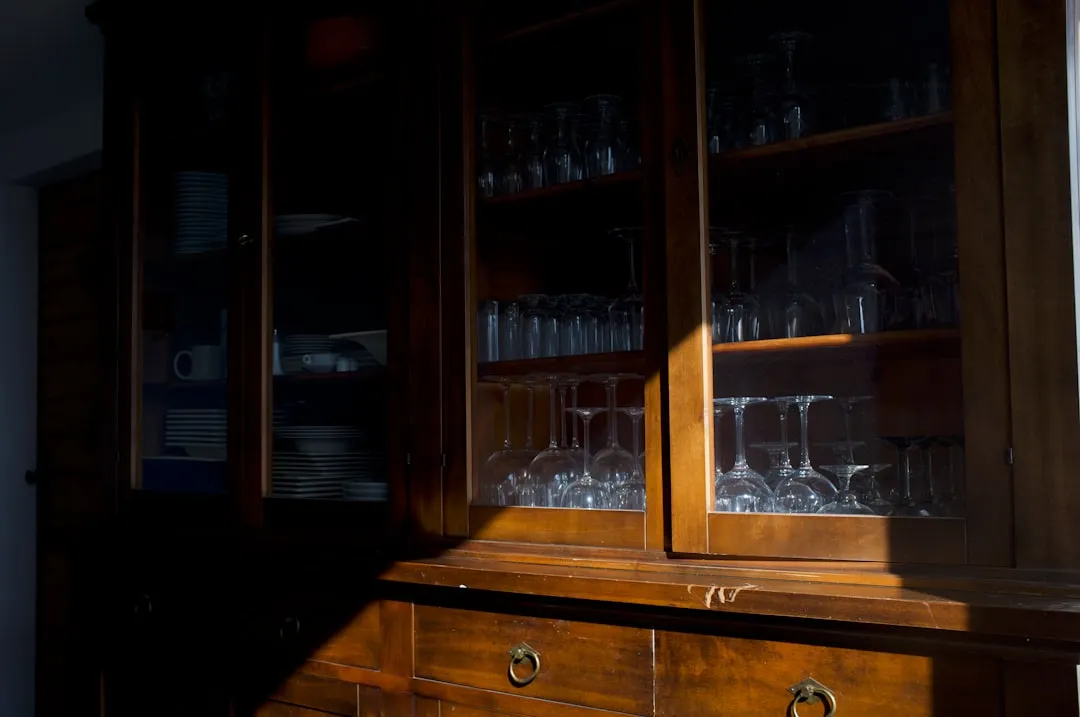
Open-frame kitchen cabinet doors have emerged as a practical middle ground between open shelving and traditional cabinets, featuring glass panels that display kitchen items inside. While this was once reserved for fine china, many people are now using glass-front cabinets for everyday use. Designers in 2026 broadly agree that alongside a more minimal use of open shelving, glass-front cabinets and decorative cabinet door fronts are set to become more prevalent.
Glass-fronted cabinets are gaining popularity quickly because they allow homeowners to display kitchenware without the dust or clutter issues that arise with open shelving, combining a polished look with practical storage. For many households, this turns out to be the genuinely satisfying compromise that neither extreme could provide.
Resale Value and Buyer Perception
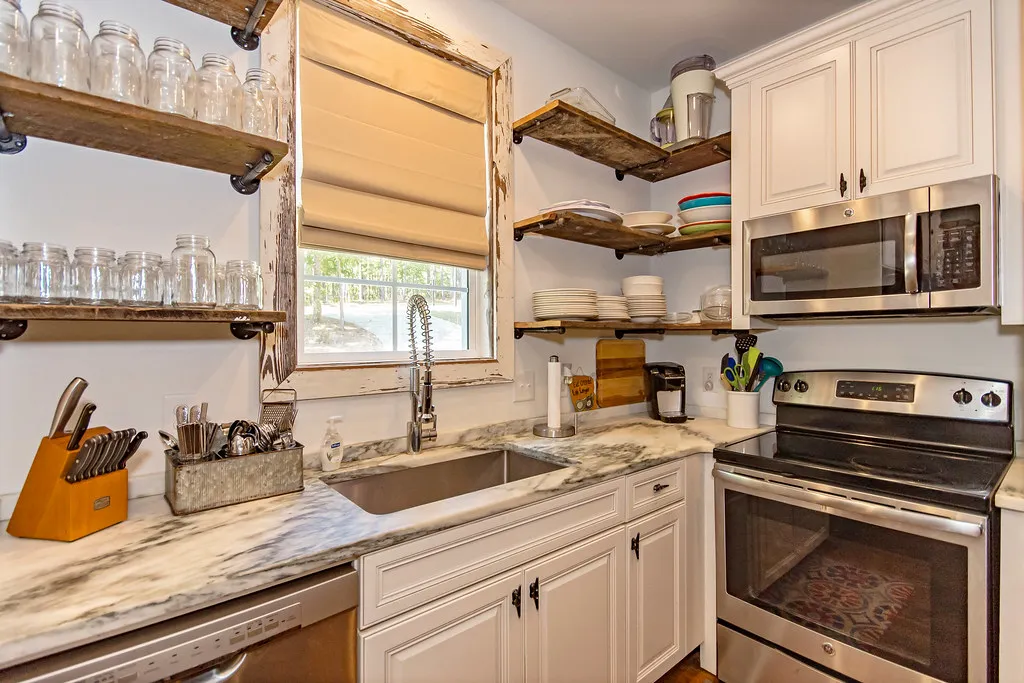
With kitchen trends leaning toward functionality and flexibility, homes with open shelving may see a dip in resale value, as closed cabinets offer designs that work long-term and are preferred by buyers. Real estate agents have been consistent on this point. When buyers see open shelves, they’re not just evaluating a kitchen aesthetic; they’re also committing to a set of lifestyle demands, including maintaining perfectly styled displays and dealing with ongoing dust accumulation.
Open shelving may still work in ultra-modern homes, condos, and luxury apartments where buyers expect more contemporary design touches. Outside of those specific contexts, the consensus among agents leans cautious. A kitchen that reads as high-maintenance can quietly reduce a home’s appeal to the broadest pool of buyers.
Where the Design World Is Heading in 2026
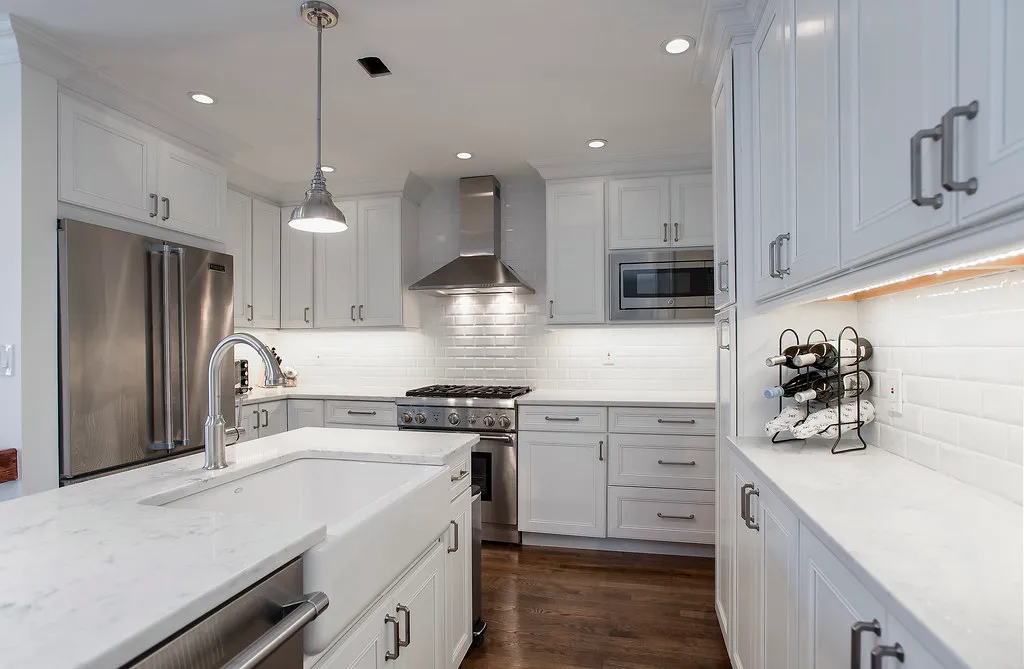
Designers broadly agree that in 2026, open shelving will be more restrained and intentional, with expansive open shelving considered a thing of the past. In its place, expect more glass-front cabinets, open visual space, and decorative door fronts. The design conversation has matured past the binary choice. The kitchen shelf market in 2025 and into 2026 is characterized by a duality: the desire for functional, concealed storage alongside the demand for expressive, stylish shelving.
The National Kitchen and Bath Association reports that 76 percent of industry professionals anticipate kitchen footprints will increase over the next three years, with formal dining rooms disappearing as kitchens expand into multi-functional spaces. Larger kitchens give designers more room to blend storage approaches thoughtfully. Multi-functional storage cabinets are dominating 2025 and 2026 kitchens, integrating built-in wine racks, spice racks, pull-out trash bins, and even charging stations or hidden appliance garages.
The Takeaway
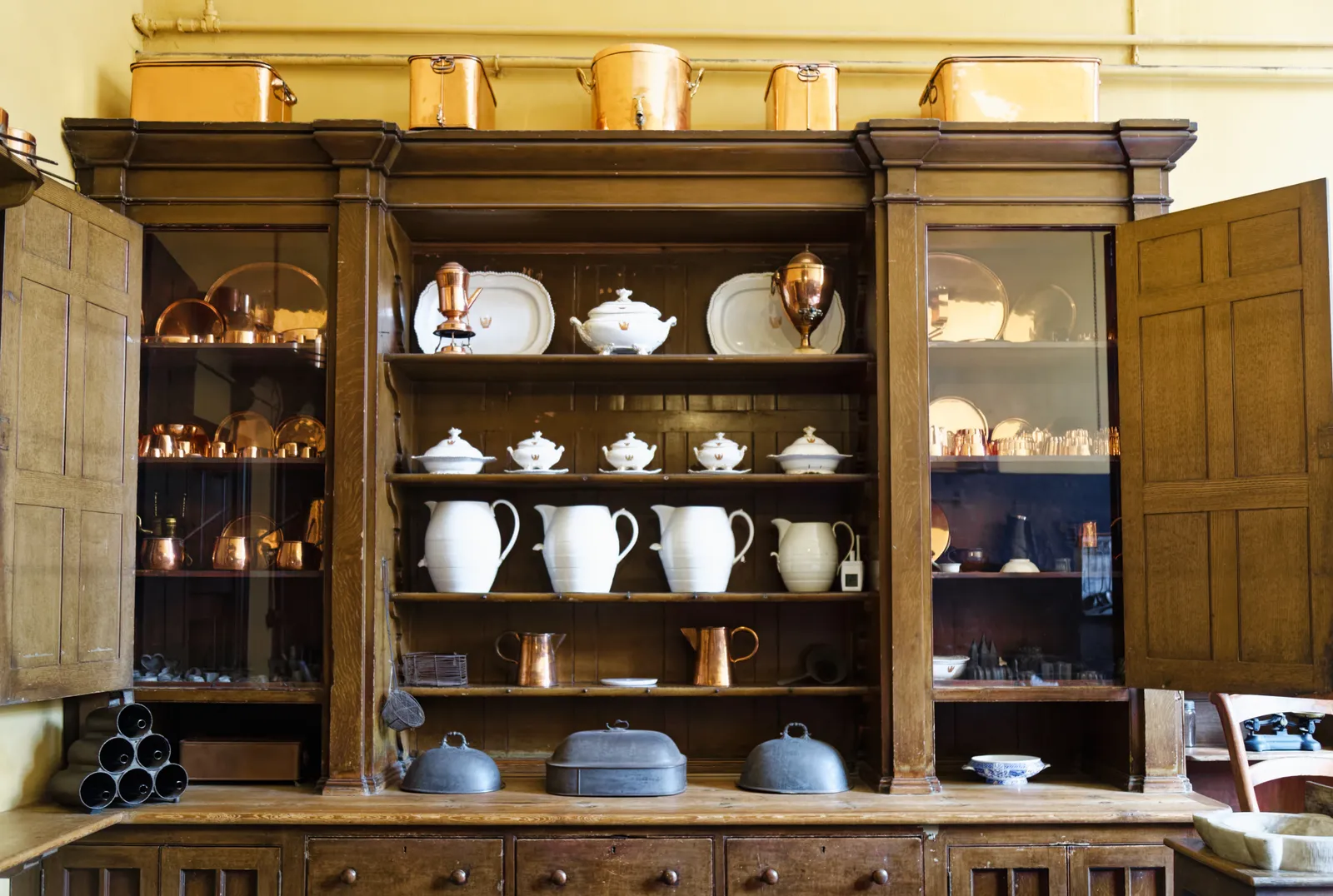
The honest answer is that the debate persists because there’s no universal winner. Open shelving can be genuinely beautiful in the right kitchen with the right lifestyle behind it. Cabinets offer something open shelves can’t: the freedom to be imperfect behind a closed door. Most designers who’ve moved past the trend cycle land somewhere in between, using open elements where they earn their place and enclosing everything else.
If you cook heavily, have a busy household, or plan to sell within a few years, the data points fairly clearly toward cabinets. If your kitchen is small, your dish collection is worth showing off, and you’re committed to regular maintenance, a few thoughtfully placed shelves still hold their own. The kitchens that age best tend to be the ones that were designed around how people actually live, not how a kitchen looks in a photograph taken on a quiet Sunday morning.
AI Disclaimer: This article was created with the assistance of AI tools and reviewed by a human editor.