

Skipping the Move-In Walkthrough Documentation

One of the costliest habits among first-time renters is signing the lease, grabbing the keys, and moving in without documenting a single scratch or scuff. According to Zillow’s Rentals Consumer Housing Trends Report 2024, only about 42% of recent renters who moved from a previous rental got their entire security deposit back. That’s not a small group of unlucky people. That’s the majority losing at least some of their money.
A 2024 Rent.com survey found that about a quarter of renters lost part of their deposit, most often due to cleaning charges. A thorough move-in walkthrough, with photos and video, creates a timestamped record that protects you against exactly those kinds of disputes. Without it, it’s your word against the landlord’s.
Ignoring the True Cost of Renting

It’s easy to forget that rent is only part of the expenses you’ll face living on your own. There’s also gas, electric, cable, phone, commuting costs, food, and more. First-timers often budget for the rent number they see in the listing and nothing else. Then the first utility bill arrives.
Many renters focus only on the advertised monthly rent, but the actual monthly housing cost may include much more than that. Before signing, always ask for a full breakdown of what’s included in rent and what isn’t. The difference between a “utilities included” and a “utilities excluded” unit can easily run to hundreds of dollars monthly.
Skipping Renters Insurance

An estimated 43 to 45 percent of U.S. renters currently carry no renters insurance coverage, leaving tens of millions of households exposed to out-of-pocket losses, per MoneyGeek’s 2024 renters insurance statistics. That’s a staggering share of people one fire, one break-in, or one burst pipe away from financial catastrophe. Only 21% of Gen Z adults carry renters insurance, according to a 2024 National Association of Insurance Commissioners survey.
A standard renters policy averages just $151 per year, according to NerdWallet’s 2026 data, and covers personal property, liability, and temporary living expenses. For less than the cost of a dinner out each month, you can cover your electronics, furniture, and clothing. A landlord’s property insurance covers the building structure only, not tenants’ belongings or personal liability. Most first-timers assume the landlord’s policy protects them. It doesn’t.
Not Reading the Lease Carefully

Always review the lease carefully and understand your responsibilities as a tenant. If anything is unclear, get clarification from the landlord before signing. A lease is a legally binding contract, and the terms you glossed over on page four are exactly the ones that will matter later. Guest policies, subletting restrictions, early termination fees, and pet clauses are all hiding in there.
First-time renters often feel social pressure to sign quickly, especially in competitive rental markets where units disappear fast. Taking an extra day to read every clause is almost always worth it. Things like automatic rent increases, required notice periods, and maintenance responsibilities vary enormously between leases and they rarely get flagged by landlords upfront.
Overspending on Rent Relative to Income

In 2022, the number of cost-burdened renter households hit a new high of 22.4 million. This marked an increase of 2 million households since 2019, pushing the share of cost-burdened renter households to 50 percent. The problem isn’t just that rent is expensive. It’s that renters consistently commit to rent that stretches them too thin from the start.
If more than a third of your salary goes to rent, you’ll live to regret it. That rule exists for good reason. When rent consumes too much of your income, there’s nothing left to absorb an unexpected expense, let alone build any savings. More than half of renters in the U.S. spend more than 30% of their household income on rent, and nearly three in ten pay more than half their income toward housing. Signing a lease you can barely afford is one of those mistakes that compounds over months.
Falling for Rental Scams
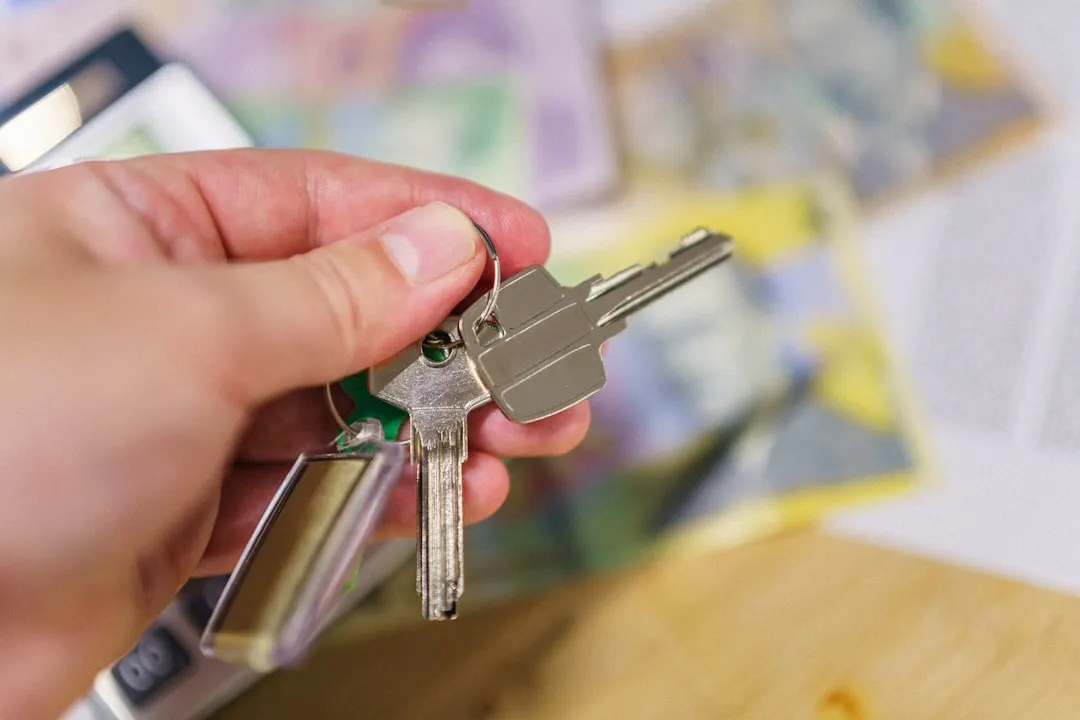
According to the 2024 Rently Survey on Rental Scams and Fraud, 93% of renters believe rental scams are common, and 90% are worried about falling victim themselves. Awareness of the problem is high, yet scams keep working. First-time renters, eager and sometimes desperate to lock in a unit, are particularly vulnerable because they don’t always know what a legitimate rental process looks like.
Among those who fell victim to a rental scam, 88% came across the fraudulent listing on Facebook. Top features drawing them in were ideal location, below-market price, and fast availability. Before discovering they were scammed, 70% of victims had already paid their security deposit. A listing that seems too good on price should always trigger more verification, not less.
Not Researching the Neighborhood Before Signing

Neglecting to research the neighborhood is a real and common mistake. An apartment may seem perfect, but if it’s in a high-crime area, significant problems can follow. Checking local crime statistics and visiting the area at different times of day before committing is essential. Most people visit an apartment once, during the day, when everything looks fine.
According to Zillow’s 2024 Consumer Housing Trends Report, recent renters were most likely to place high importance on their commute (56%) and neighborhood walkability (55%) when evaluating a rental. These priorities make sense in theory, but they often get pushed aside when someone finds an apartment they love aesthetically. The neighborhood shapes daily quality of life in ways the apartment interior simply can’t override.
Misunderstanding the Security Deposit Rules

Many renters pay a security deposit without fully understanding what it covers, why landlords require it, or how to ensure they get their money back when moving out. The deposit isn’t just a formality. It’s a legal instrument with specific rules that vary by state, and not knowing those rules puts you at a disadvantage.
At least eleven jurisdictions cap standard deposits at roughly one month’s rent, including California and Maryland following 2024 legislation. Return deadlines range from 14 days in states like New York and Hawaii to 60 days in Alabama and Arkansas, with 30 days being the most common. Roughly 35 states allow tenants to recover at least double the wrongfully withheld deposit amount if a landlord fails to comply. Not knowing your state’s rules means you might not pursue money you’re legally owed.
Underestimating Move-In Costs Beyond First Month’s Rent

Moving costs extend well beyond the first month’s rent, and planning these costs ahead of time helps prevent financial surprises. First-time renters often budget for the deposit and first month, then discover they also owe last month’s rent, application fees, and possibly a pet deposit on top of that. Add the cost of moving supplies, truck rental, or professional movers, and the number climbs fast.
The typical security deposit reported in 2024 was $750, according to Zillow’s research. For single-family rentals, that figure climbs considerably higher. When you stack up all upfront costs together, it’s common for the total to reach two to three times the monthly rent before you’ve spent a single night in the apartment. Going in without a full accounting of that number is one of the quickest ways to start your tenancy already financially stretched.
Not Keeping Records Throughout the Tenancy
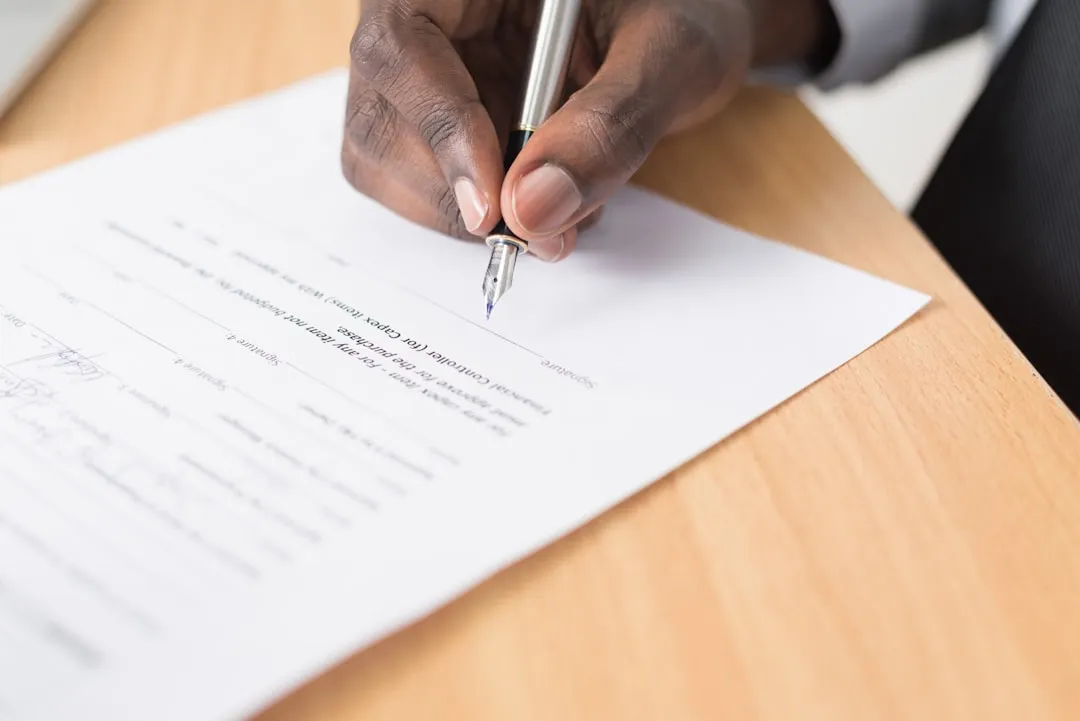
Most renters only think about documentation when something goes wrong, which is exactly the wrong time to start. Maintenance requests, communications with landlords, and any promises made verbally should all be tracked in writing from the beginning. Email is your friend. A text thread saved to the cloud is better than nothing.
About two in five recent renters who moved from a previous rental say they disagreed with their landlord or property manager about something. Disputes happen constantly, and the renter who wins is almost always the one with documentation. Landlords filed over one million evictions in 2024, according to Eviction Lab data. While most landlord-tenant disagreements never reach that point, they do escalate further and faster when there’s no paper trail to establish what was agreed upon.
The Real Lesson Behind All of These Mistakes

The thread running through all ten of these mistakes is the same: first-time renters tend to move quickly and trust that things will work out. Sometimes they do. Often enough, they don’t. Renting an apartment involves a real legal and financial commitment, and treating it casually in the early days tends to cost money months later when it’s harder to fix.
The good news is that most of these pitfalls are straightforward to avoid once you know they exist. Document everything at move-in. Read the full lease. Research your state’s deposit laws. Get renters insurance before you unpack a single box. None of these steps are complicated. They just require slowing down at a moment when excitement tends to push you forward.
Your first apartment is a genuine milestone. It’s also a contract. Treating it as both, from day one, makes a real difference.
AI Disclaimer: This article was created with the assistance of AI tools and reviewed by a human editor.