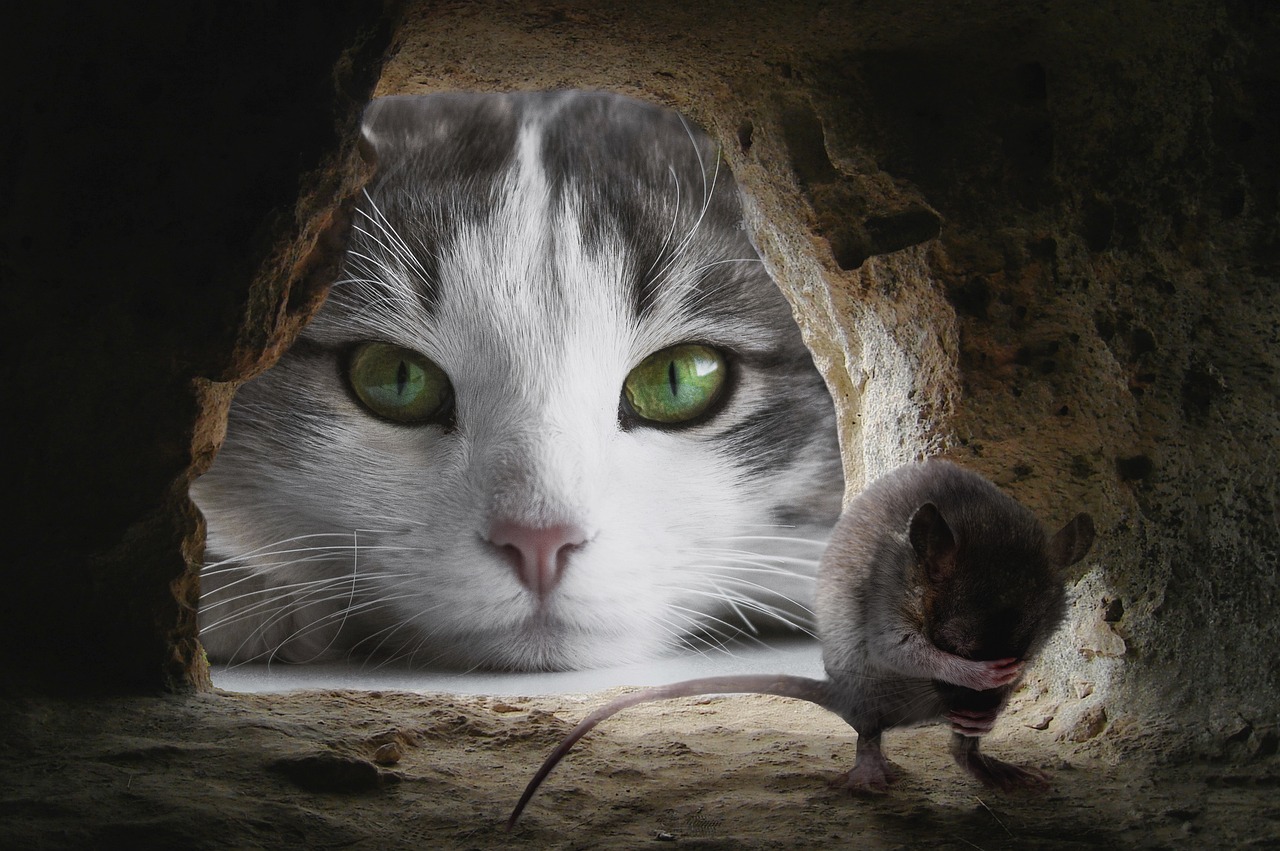

It’s Rooted in Pure Instinct, Not Hunger
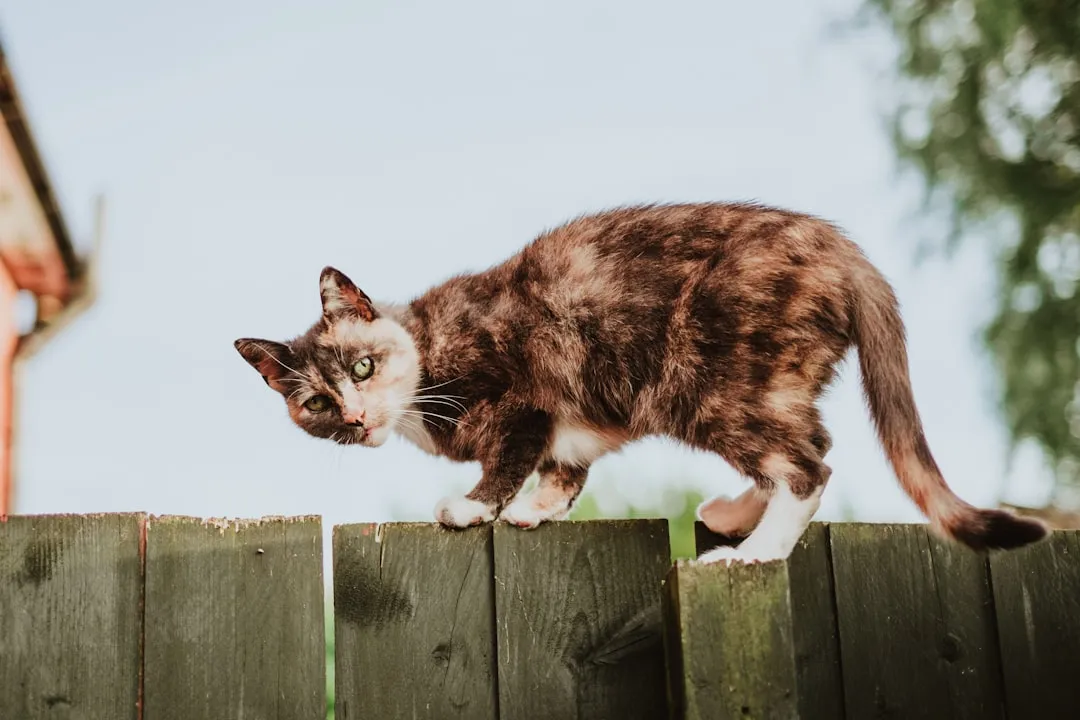
Perhaps the most important thing to understand first is that your cat isn’t bringing you a dead bug because it’s desperate for food. A University of Exeter study published in the journal Ecosphere analyzed the diets of domestic cats through stable isotope analysis of their whiskers, finding that even cats that regularly caught wild animals still obtained roughly 96% of their nutrition from owner-provided food, with wild prey contributing just 3 to 4% of their diet.
The study reassures owners that the motive to hunt is instinctive, not driven by nutritional needs. Along with the urge to procreate and defend territory, the hunting instinct is one of the most distinctive behavioral patterns in cats, and crucially, the desire to hunt is not governed by hormones, meaning it does not diminish after neutering.
Your Home Is Their Safe Zone
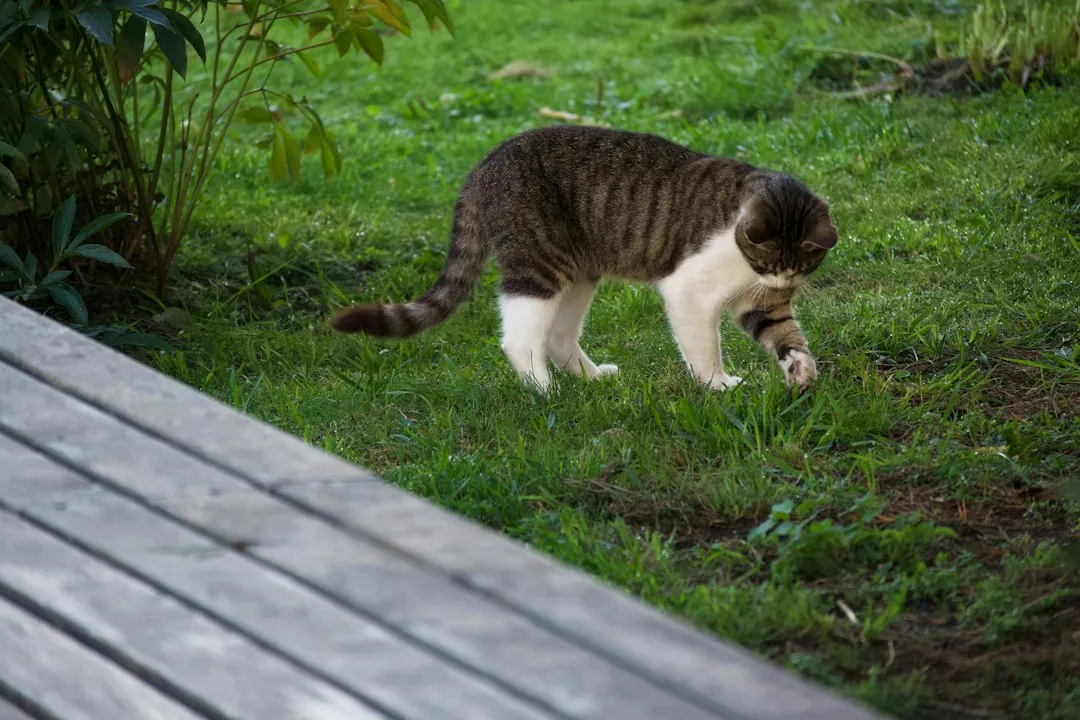
The real reason cats bring prey home is that their home is where they feel safe and secure. When cats catch prey, they may not want to eat it immediately or leave it somewhere other animals could steal it, so they bring it back to their core territory where they can consume it undisturbed or store it safely for later.
While it isn’t technically a gift for you, it can still be considered a sign of love, as it shows they feel safe with you. The home, in a cat’s mind, is the equivalent of a secure den. Bringing something valuable back to it is a completely rational move from their perspective.
They May Be Treating You Like Family
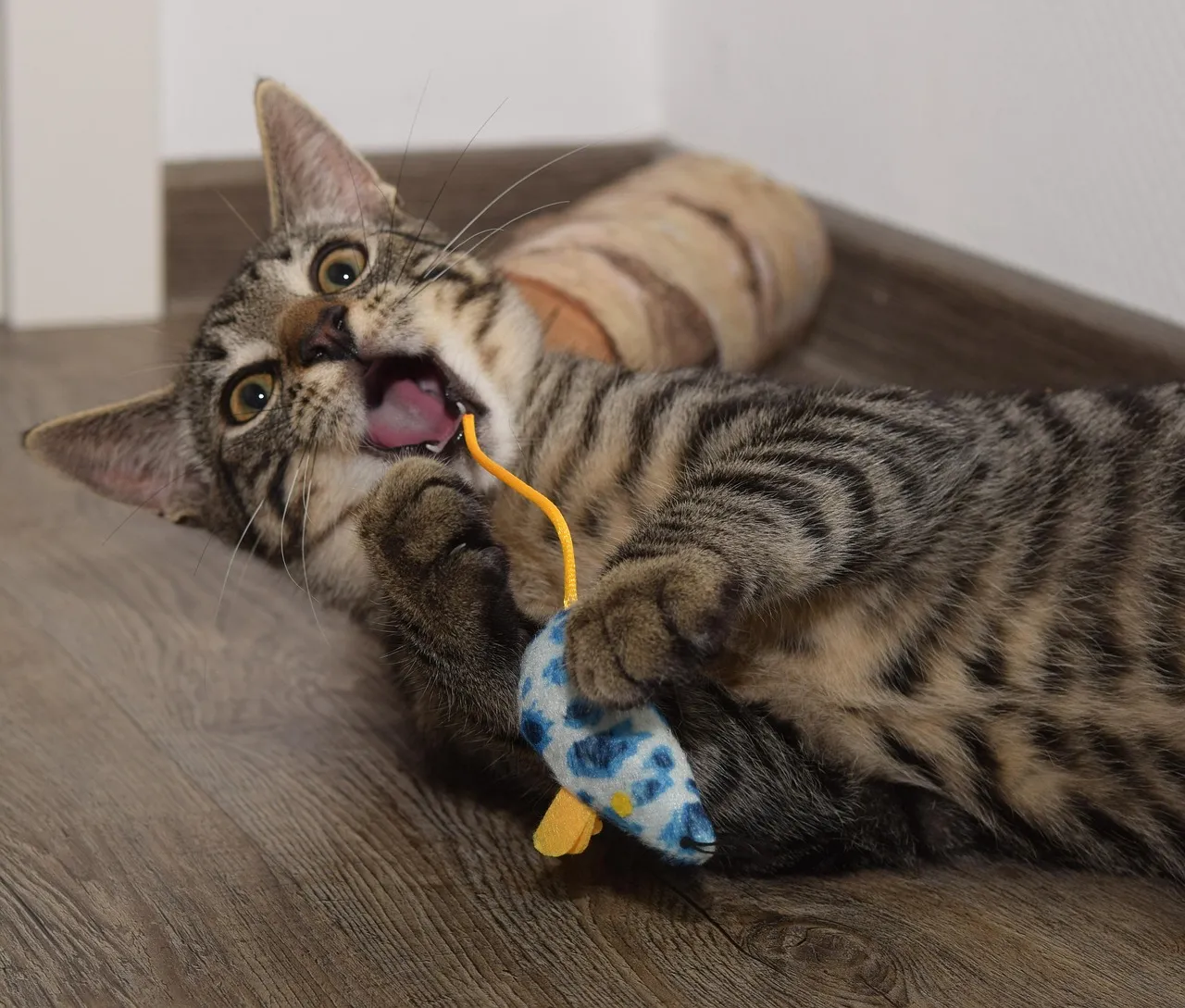
One widely discussed theory is that cats are practicing a skill their mother taught them, including stalking, pouncing, and killing prey, before bringing it home to share with family members, and your cat recognizes you as a member of their family.
The act of capturing and killing prey involves a range of skills that cats find inherently rewarding, and when they bring back their catch, they may consider it a prize not just for themselves but for sharing with members of their social circle, which in a domestic setting includes you, the owner. It’s their version of bringing something home for dinner.
Mother Cat Behavior Transferred to Owners
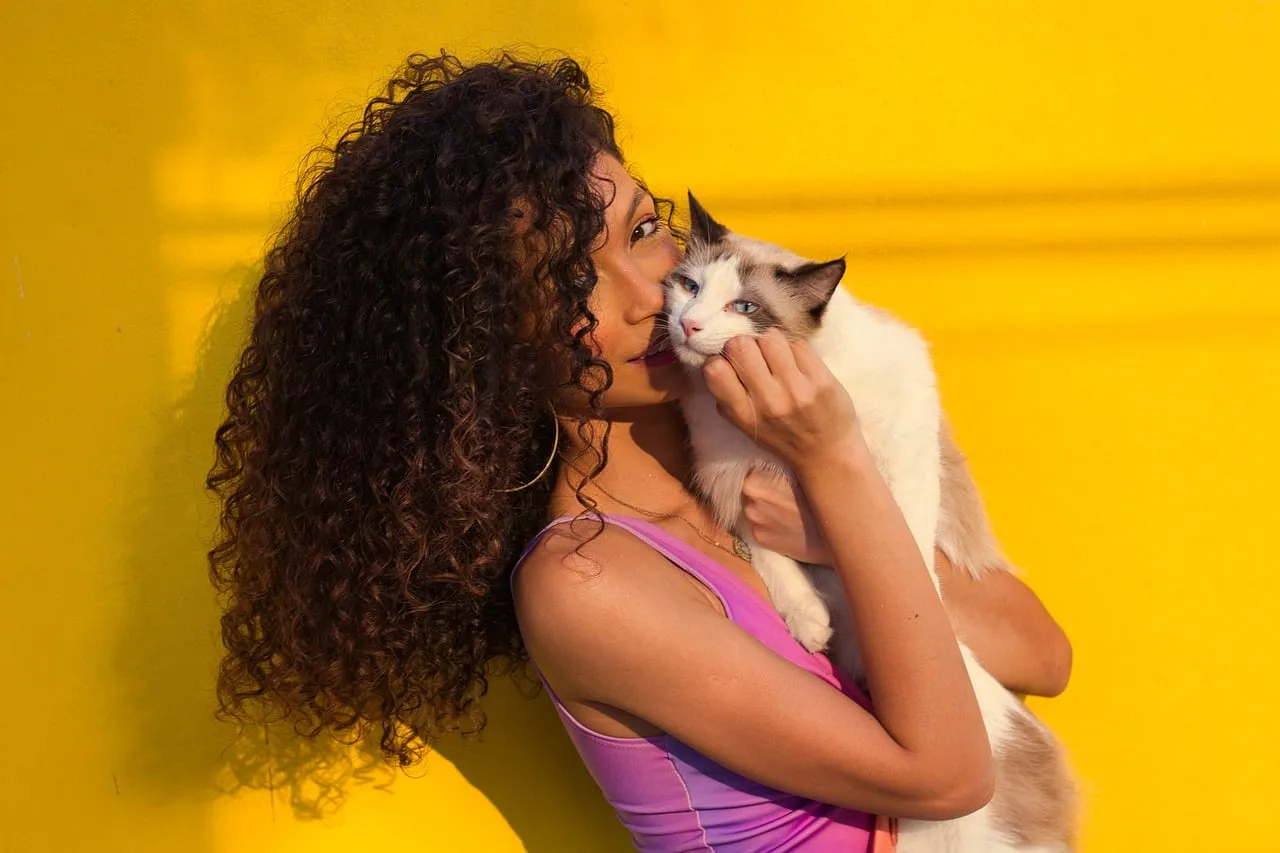
Live Science suggests that the gift-giving behavior could mirror what wild cats do, as they provide for their young and bring them food while teaching them valuable survival skills. Cats may bring prey home either as a form of provisioning transferred from caring for young to their owners, or simply to consume it later in a safe place.
The gift of dead prey from your cat can signify affection in this way, since it reflects how a cat would feed its kittens in their natural habitat. Female cats, whether or not they’ve ever had kittens, can display this provisioning behavior toward the humans they’re bonded with.
They Want Your Approval
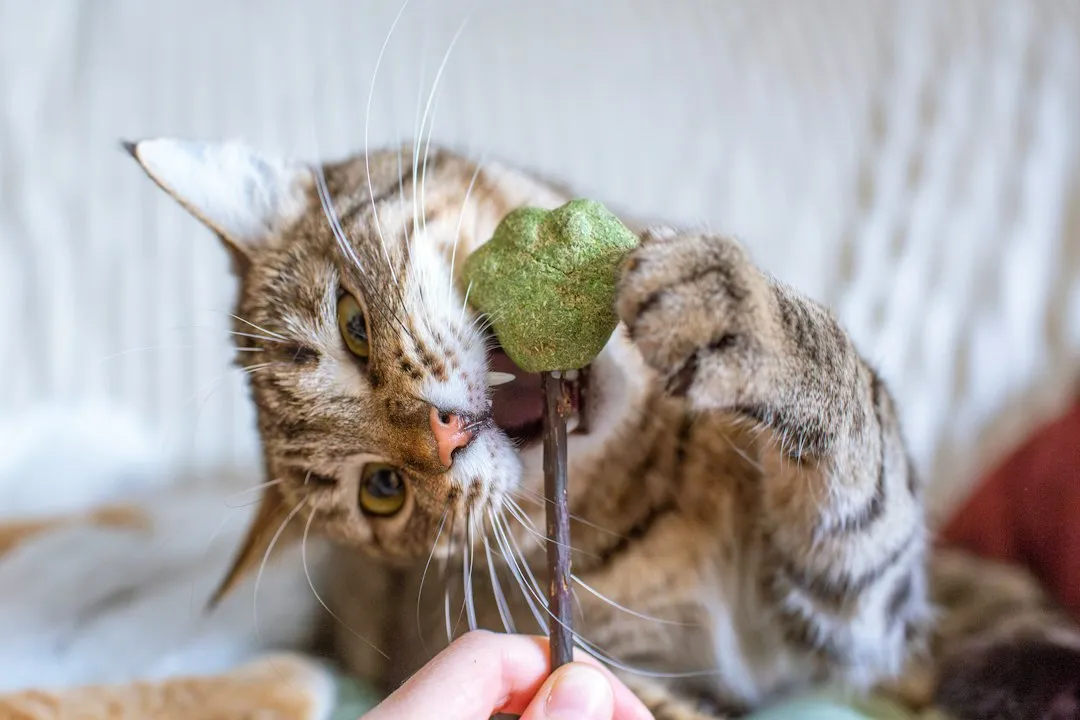
Some research suggests that cats bring you items they believe you would appreciate as a means of expressing love, gratitude, or seeking acknowledgment, and they want approval and praise from their owner. The exchange isn’t entirely one-sided from the cat’s point of view.
From a cat’s perspective, when an owner immediately picks up the prey and “stores” it by putting it in the trash, the cat may mistakenly believe the human is highly appreciative of the gift. So in a somewhat ironic twist, quickly cleaning up the mess might actually be reinforcing the behavior over time.
Hunting Is Play, Not Just Survival
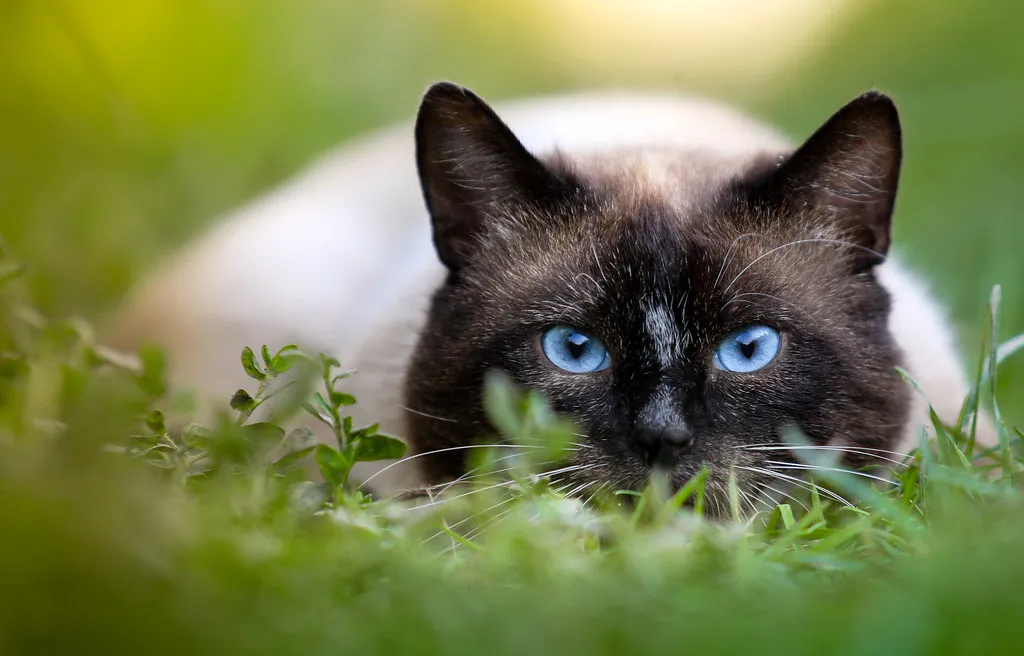
Hunting can be purely a form of play for cats. The cat may successfully catch a small, moving creature, but once the “toy” stops working, they lose interest and discard it. This explains why toys, scraps of paper, and random household objects end up in the gift pile just as often as real prey.
Today, cat hunting is more about fun and entertainment. The mere sight and sound of prey triggers the hunting instinct, which is hardwired into their brains, and quite simply, cats are powerless to resist the flapping wings of a bird or the scuttling feet of a small mouse. The kill or capture is almost secondary to the thrill of the chase itself.
They Learn It From Their Mothers
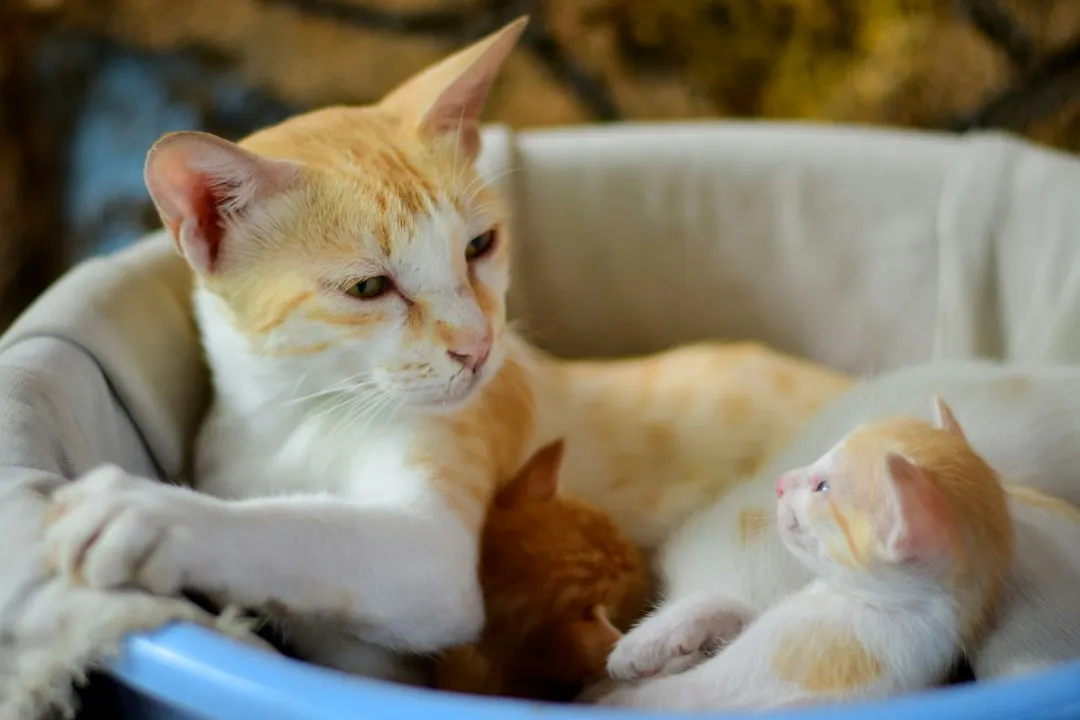
Cats learn to hunt the same way most mammals learn things, from their mother, and hunting is a skill which needs to be learned first, almost always taught by the mother or through play with litter mates. This learned dimension means some cats are more active gift-givers than others, depending on how much they observed and practiced as kittens.
In a cat’s eyes, bringing live prey can serve as a teaching moment, much like how a mother cat teaches her kittens to eat by bringing them live prey to practice on. When your cat drops a still-moving bug at your feet, they may genuinely be trying to help you learn. It’s an uncomfortable thought, but there it is.
Where You Live Affects How Often It Happens
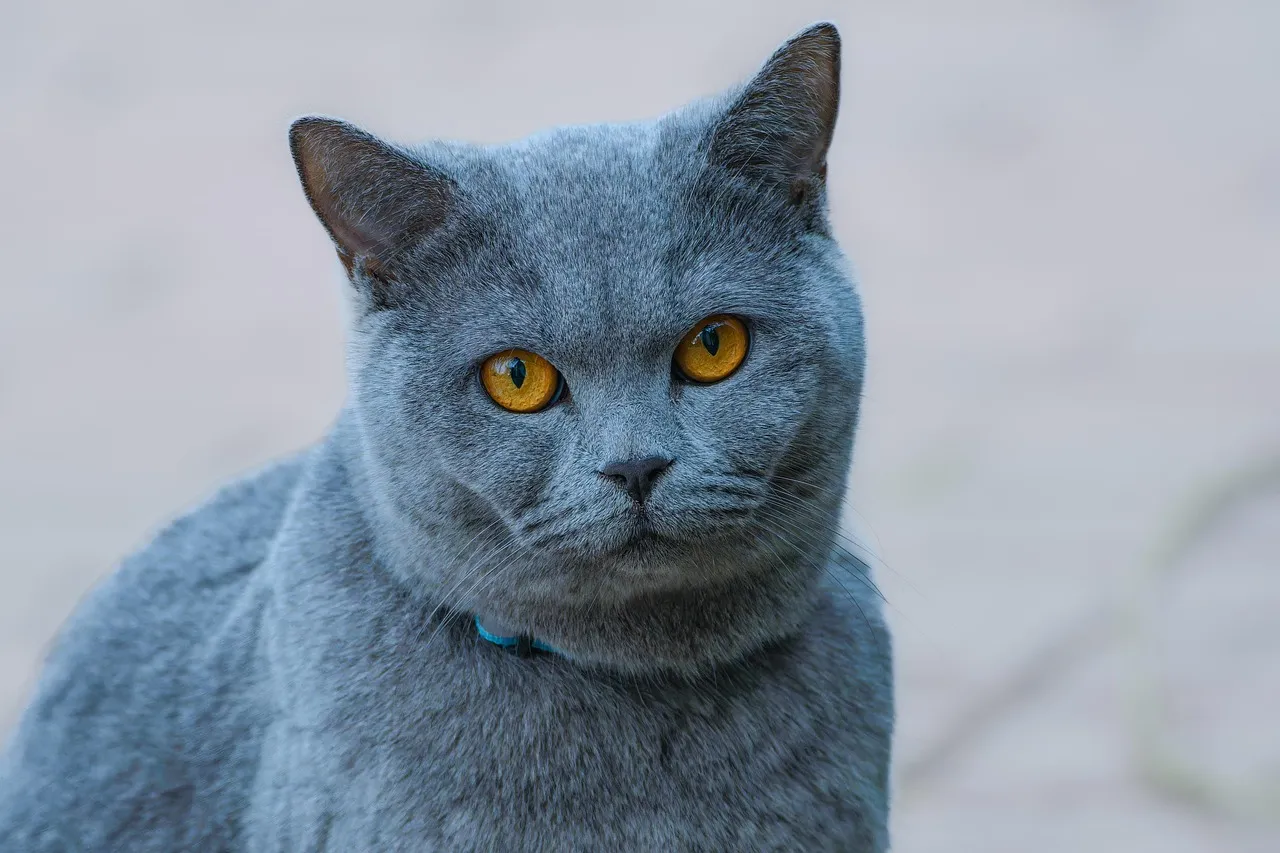
Research has found that how much hunting a cat does depends on both its environment and how much time it spends outside. A cat that lives in a rural area may have more space to roam and access to more prey than city cats, so urban pet owners may get fewer dead animals delivered to them than those in the countryside.
Domestic cats achieve roughly a 32% success rate when catching prey. One study in which cats wore tiny video cameras around their necks documented that they killed an average of 2.1 animals every week, but brought home fewer than one out of every four. The gifts you receive are only a fraction of the story.
The Wildlife Impact Is Significant
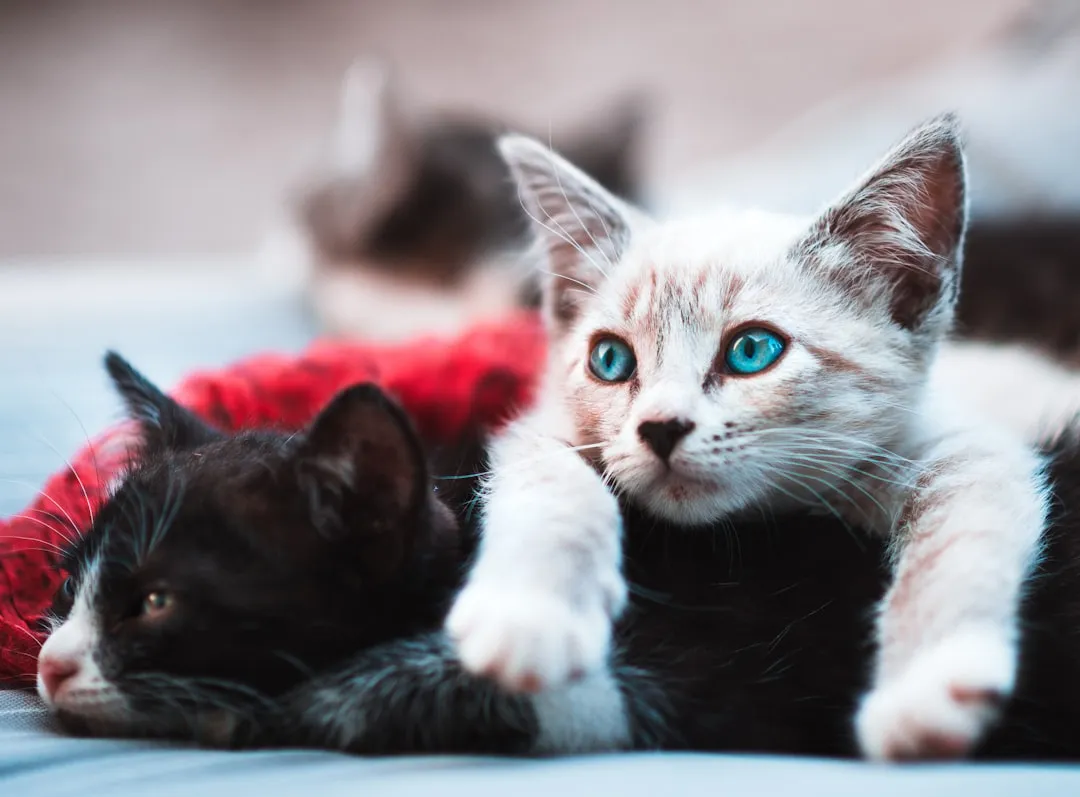
Cats pose a major threat to birds, killing an estimated 2.4 billion birds each year in the U.S. alone, making cats the top source of direct, human-caused bird mortality in the country. Free-ranging domestic cats kill between 1.3 and 4.0 billion birds and between 6.3 and 22.3 billion mammals annually in the U.S., with un-owned cats causing the majority of this mortality.
One study found that a park with just 25 cats had half as many birds as a cat-free park, and some ground-nesting birds disappeared entirely. Well-fed cats still hunt out of instinct, not hunger, which means access to outdoor space, not hunger, is the key variable. This is worth keeping in mind if you let your cat roam freely.
Handling Gifts Safely and Redirecting the Behavior
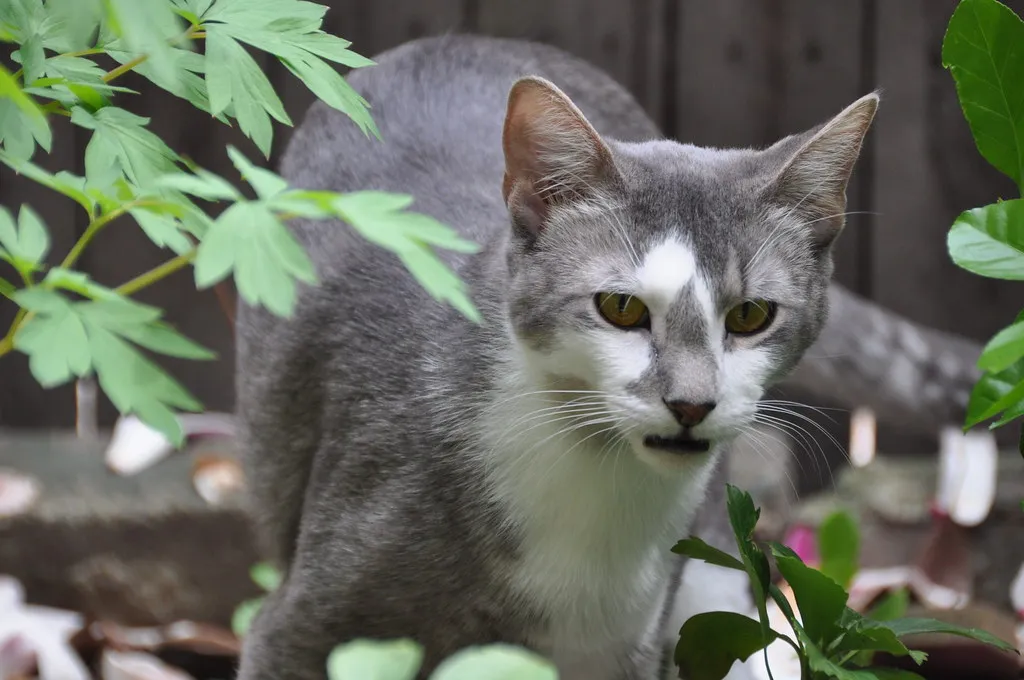
While hunting and gifting dead animals is a natural behavior for cats, it’s not without risks. Rodents like mice and rats can carry diseases that humans can contract, and the CDC recommends covering your hands with plastic bags or gloves when picking up a dead rodent. If your cat brings home a dead bird, you may need to contact your state health department so they can test it for avian flu.
To discourage hunting, owners should not punish but instead redirect the behavior with interactive play, consider breakaway collars with bells, ensure adequate and well-timed feeding, and keep cats indoors during peak prey activity times like dawn and dusk. A cat’s drive to hunt needs to be satisfied in other ways, such as giving them toys they can chase and pounce on. Channeling the instinct, rather than trying to suppress it entirely, is by far the more realistic and humane approach.
The Bottom Line
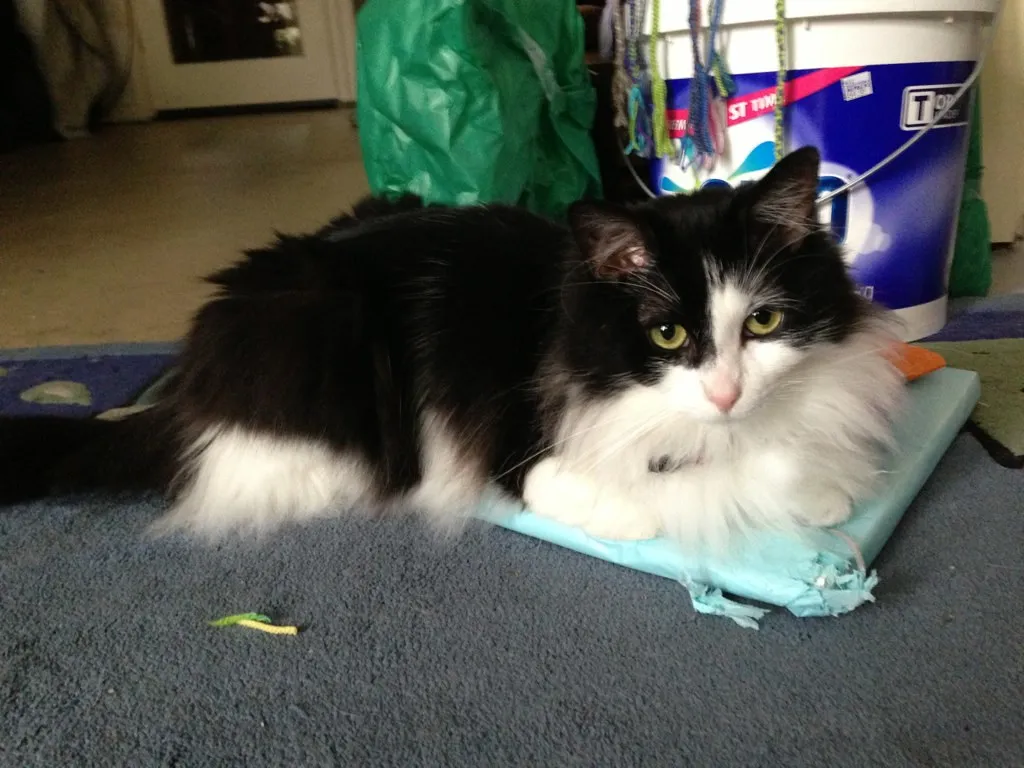
There’s something almost touching about the whole thing, even if your stomach doesn’t agree. Gift-giving behavior is as instinctual for cats as scratching posts, grooming, kneading, and other classic feline activities, and it’s actually a positive indicator of how they feel about you.
Science has uncovered evidence that cats form bonds with their owners, and they can even read some of our emotions. The dead bug on the kitchen floor, however unwelcome, is evidence of that bond in its rawest form. Understanding the instinct behind it makes it a lot easier to respond thoughtfully, both for your cat’s wellbeing and for the local wildlife.
AI Disclaimer: This article was created with the assistance of AI tools and reviewed by a human editor.