

1. The Social Life They Left Behind

Over decades, older adults build a complex network of friends, neighbors, club members, and local acquaintances, people who know the best mechanic in town or have a favorite table at the local diner. Leaving all of that behind to be near family often results in a profound sense of isolation.
Adult children are usually entrenched in the busiest seasons of their own lives, building careers, raising kids, and maintaining their own social circles. They simply cannot be a senior’s entire social life. When a parent relocates to their town, that parent may find themselves sitting in an empty house waiting for a free hour to visit.
The National Council on Aging notes that maintaining strong community connections is vital for cognitive health and preventing depression in older adults. Rebuilding a social life from scratch in your sixties or seventies requires tremendous effort.
2. The Move Costs More Than Expected

Moving is often a costly process that can run between $4,000 and $10,000 for a long-distance endeavor, while a move to a nearby state may still cost between $700 and $5,000. Those are significant sums for people on fixed retirement incomes.
Any period between buying a new home and selling a current one represents serious financial strain, with equity tied up in two properties. Beyond that, retirees may face the prospect of paying two mortgages simultaneously.
Zillow reports that the average home sale takes between 47 and 62 days to complete, and selling competition has been rising. Active home listings jumped by more than 15% from 2024 to 2025, which can elongate the time a senior’s property sits on the market.
3. Poor Housing Choices Made in a Rush

The urgency to find a home near family often leads to poor real estate decisions. In a competitive housing market, seniors may settle for a home that doesn’t meet their aging-in-place needs simply because it’s located in the right school district for grandchildren.
Retirees frequently regret buying two-story homes with steep stairs, properties with high-maintenance yards, or houses in suburban sprawl that require a car to get everywhere. Others buy homes that are too large, maintaining extra bedrooms solely to host extended family for the holidays. Heating, cooling, and cleaning a four-bedroom house when only two rooms are used drains both finances and stamina.
4. Family Dynamics Shift in Unexpected Ways

While living close together may seem like an effective way to stay connected, it can quietly strain family dynamics. Mutual respect in a parent-child relationship can shift toward one of dependence, and that friction can lead to resentment over time.
Adult children likely have their own daily routines built around their families and careers, and a senior’s needs and expectations might genuinely clash with theirs. What felt like warmth during holiday visits can start to feel like friction when proximity becomes permanent.
5. The Grandparent Becomes a Default Babysitter

An increasing number of retirees discover that relocating to be near adult children creates unexpected logistical hurdles, including taking on exhausting childcare responsibilities that derail personal retirement goals. This is more common than most families admit before the move happens.
Grandparents often want to be involved with grandchildren, but there’s a real difference between choosing to help and feeling obligated to. When a senior has uprooted their entire life and moved across the country, it becomes much harder to set healthy limits around childcare.
6. Healthcare Systems Are Harder to Navigate in a New Place

While some retirees move specifically for health-related reasons, relocating to rural or booming sunbelt towns can leave older adults stranded in medical deserts with long specialist wait times. A trusted cardiologist or longtime primary care doctor is not easy to replace.
Research shows that older adults who comprehend the need to move and participate in the decision-making process adjust to new living environments with fewer negative outcomes than those who experience a more forced or rushed relocation. Healthcare continuity is one area where rushed decisions show up quickly.
7. Relocation Stress Syndrome Is Real

Uprooting an older adult from a home where they may have lived for 40 or 50 years severely disrupts their routines, rituals, and surroundings. This can lead to a recognized condition known as relocation stress syndrome, sometimes called transfer trauma.
Research highlighted by the American Society on Aging found that nearly two-thirds of adults aged 75 or older say their home’s emotional value is more important to them than its monetary value. Being forced to uproot from a familiar place, a home filled with decades of memories, can be deeply upsetting.
Some research also suggests that elders who relocate may face increased health risks, particularly those with dementia or significant cognitive vulnerabilities. That’s not a risk to take lightly.
8. Loss of Personal Identity and Autonomy

Moving in with or very near adult children can feel like a loss of autonomy. Maintaining independence is often essential for emotional well-being in older adults. The shift from being a self-sufficient homeowner to someone living under another family’s orbit can quietly erode a person’s sense of self.
Gradually losing independence can lead to a loss of identity and feelings of stress, and relocation near family can accelerate that process if boundaries aren’t thoughtfully discussed in advance. A senior who was respected as capable and independent in their old community may find that new family proximity changes how others see them.
9. The Family Might Move Again

One of the most painful surprises seniors report is that the very people they moved to be near end up relocating themselves. Career changes, job transfers, and lifestyle shifts don’t stop just because a parent moved closer. Relocating to a more distant place, as opposed to moving within a community, often entails finding new friends, doctors, and churches all over again.
Research has found that ties to one’s community and personal relationships are deterrents to these types of moves, which means when seniors eventually consider moving again, those same ties that made leaving the first time painful may not yet exist in the new location. It’s a compounding problem.
10. The Decision Was Made Under Pressure, Not Preference

Research consistently shows that older adults who comprehend the need to move and actively participate in the decision-making process adjust to new living environments with fewer negative outcomes. The few quantitative studies on the subject support the necessity for older adults to recognize the possibility of a future move and contribute meaningfully to that process.
Surveys have found that people who move out of necessity, typically financial or crisis-driven, have more stress and regrets than those who move for an aspirational reason such as a change in lifestyle. Moving to be near family out of guilt, fear, or pressure from adult children rather than genuine personal desire is a recipe for long-term regret.
Aging is commonly paired with a series of physical, psychological, social, and spiritual changes in life, and these conditions can sometimes make relocation feel unavoidable rather than chosen. When a move feels like something that happened to you rather than something you decided, it’s much harder to feel at home afterward.
The Takeaway
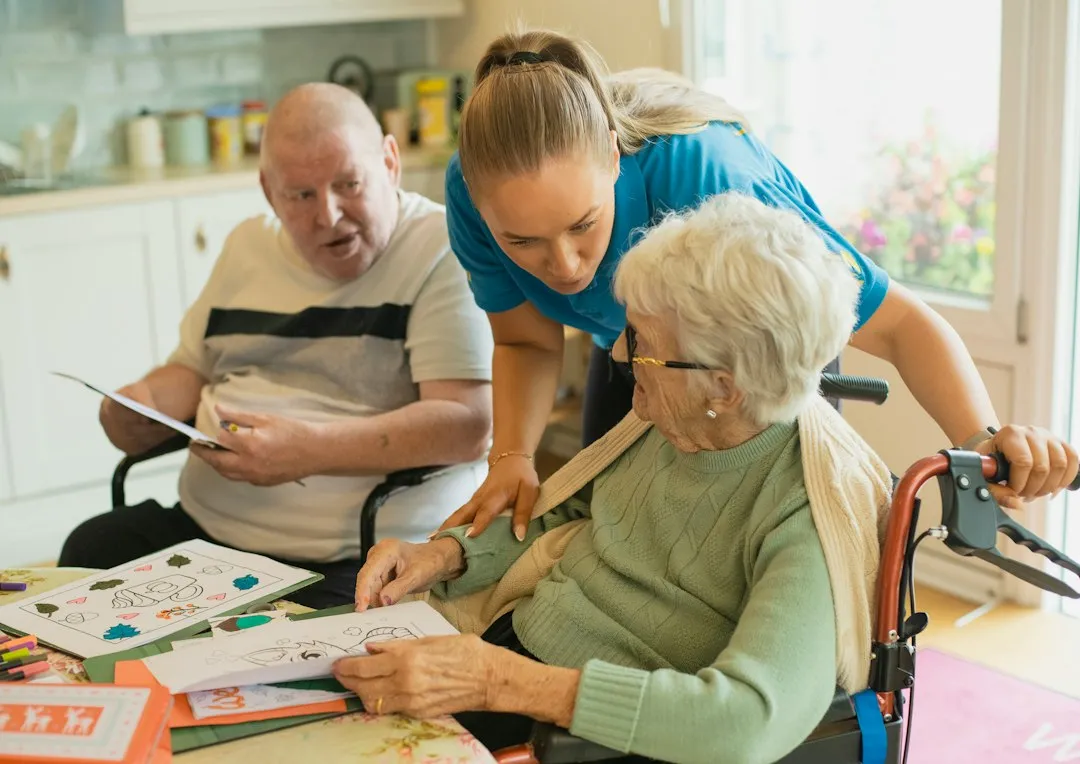
None of this means moving closer to family is a bad idea. For many seniors it works beautifully, and the proximity genuinely improves everyone’s quality of life. The trouble tends to come when the decision is rushed, idealized, or shaped more by obligation than honest reflection.
The seniors who fare best are typically those who rent before they buy, who have direct conversations about expectations, and who plan their social lives rather than assuming family will fill that role automatically. Renting in a prospective town for six to twelve months helps older adults evaluate seasonal weather, community integration, and local healthcare before committing long-term capital.
Proximity to the people you love is genuinely valuable. It just works better when it’s chosen carefully, on your own terms, with your whole life accounted for, not just the Sunday dinners.
AI Disclaimer: This article was created with the assistance of AI tools and reviewed by a human editor.