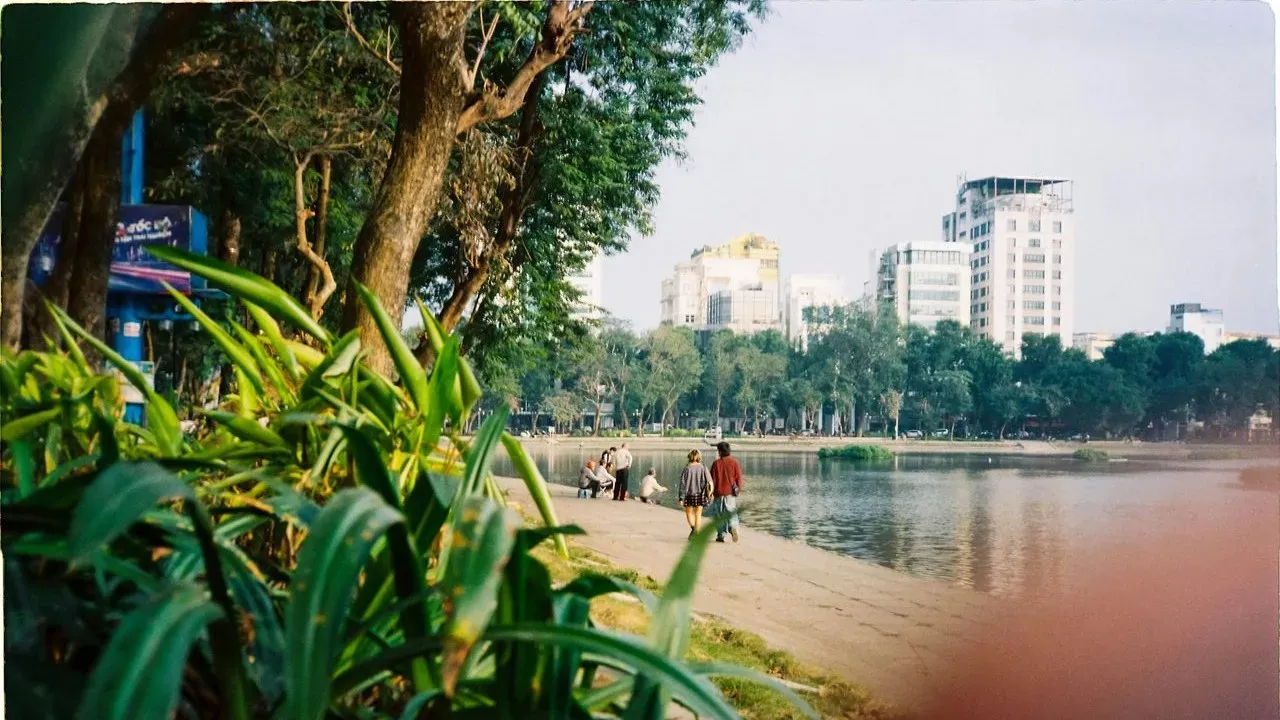

New York – Designer Ulla Johnson used her latest runway presentation to celebrate feminine silhouettes while drawing attention to the role of urban greenspaces in daily city life. The Spring 2027 collection arrived as a quiet reminder that fashion can reflect broader environmental priorities without losing its aesthetic focus. The event positioned the runway as a space where style and advocacy intersect naturally.
A Collection Rooted in Feminine Form
Johnson’s designs emphasized soft lines, flowing fabrics, and details that evoked lightness and movement. Each look maintained a sense of ease suited to urban environments where women navigate both professional and personal demands. The emphasis remained on wearable pieces that feel grounded rather than overly ornate. The collection avoided heavy ornamentation in favor of clean construction that highlights the body’s natural shape. Reviewers noted how the garments suggested both comfort and quiet confidence. This approach aligned with a broader shift toward clothing that supports active city living.
Runway as Tribute to City Greenspaces
Beyond the clothing itself, the presentation carried an underlying message about the value of parks, gardens, and open areas within dense urban settings. Johnson framed the show around the idea of an “urban oasis,” turning the catwalk into a subtle nod to these essential public spaces. The theme resonated with audiences seeking connections between personal style and community well-being. The choice to spotlight greenspaces felt timely amid ongoing conversations about city planning and quality of life. Attendees left with a clearer sense that fashion events can serve purposes beyond commerce or spectacle. The designer’s decision to weave this element into the narrative gave the collection added depth.
Why Greenspaces Belong in Fashion Conversations
Urban gardens and parks provide measurable benefits, from improved air quality to mental health support for residents. By linking her work to these spaces, Johnson invited the industry to consider how design choices can echo larger environmental themes. The move stands out because it treats greenspaces not as an afterthought but as central inspiration. Fashion has long drawn from nature for color palettes and textures. Johnson’s presentation took that tradition one step further by making the preservation and appreciation of city nature explicit. Such gestures can encourage viewers to value and protect these areas in their own neighborhoods.
Setting a Precedent for Future Seasons
The Spring 2027 show suggests designers may increasingly use their platforms to highlight civic and ecological concerns alongside creative output. Johnson’s balanced approach demonstrates that advocacy need not overshadow the clothes themselves. Instead, the two elements can reinforce each other. As the season progresses, other houses may explore similar territory. The result could be a fashion calendar that feels more connected to the lived realities of city dwellers. Johnson’s contribution lies in showing how a single collection can open that door.
AI Disclaimer: This article was created with the assistance of AI tools and reviewed by a human editor.