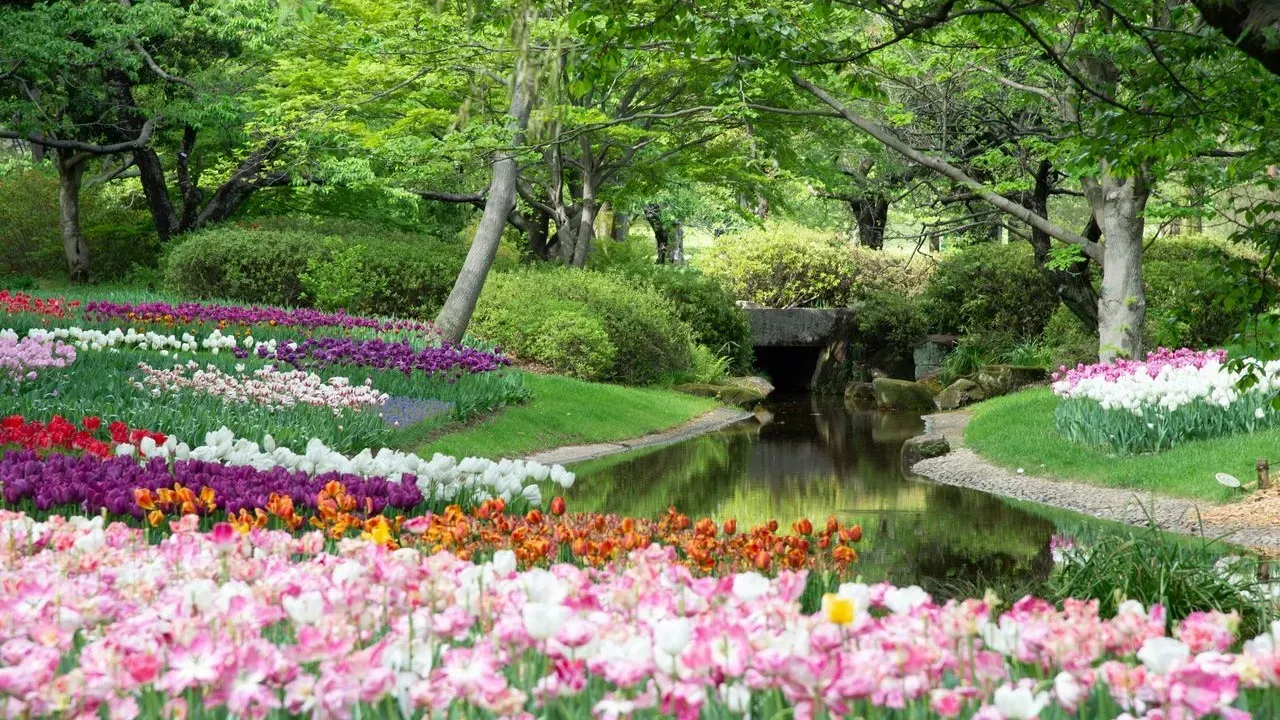

In a city where space often comes at a premium, one gardener in St. Louis has shown how thoughtful plant choices can turn even a modest yard into a vibrant, productive retreat. Sarah’s garden relies on a mix of reliable perennials, well-chosen containers, and flowers grown specifically for cutting to keep the space lively from spring through fall. The result is a compact plot that feels generous in both color and utility, offering lessons for anyone working with limited room. ([1])
Making the Most of Limited Ground
Urban lots in St. Louis frequently measure just a fraction of traditional suburban yards, yet they can still support impressive displays when every square foot is considered. Sarah focused on layering plants that return year after year, reducing the need for constant replanting and freeing up time for enjoyment rather than maintenance. This approach creates a stable backbone of foliage and blooms that shifts gradually with the seasons instead of requiring wholesale changes each spring.
By concentrating on perennials suited to the local climate, the garden maintains visual interest even during transitional periods when annuals might struggle. The design avoids overcrowding while ensuring no area sits bare for long, a practical response to the constraints of a small footprint.
Containers Add Flexibility and Height
Colorful pots and planters play a central role in expanding the garden’s reach beyond the soil line. Placed on patios, steps, or along borders, they introduce vertical interest and allow for quick seasonal adjustments without disturbing established beds. These movable elements also help define different zones within the compact space, guiding the eye and creating a sense of depth.
Because containers can be refreshed or relocated as needed, they provide a buffer against the unpredictability of Midwest weather. Sarah uses them to highlight plants that might otherwise be overshadowed, turning potential limitations into opportunities for creative arrangement and repeated color accents throughout the growing season.
Growing Flowers Meant for Cutting
A dedicated portion of the garden is reserved for blooms intended to be harvested and brought indoors. This dual-purpose strategy means the outdoor display remains full while also supplying fresh arrangements for the home. Choosing varieties that produce multiple stems over an extended period ensures a steady supply without depleting the garden’s overall appearance.
Cut-flower sections are integrated thoughtfully so they complement rather than compete with ornamental plantings. Regular harvesting actually encourages more blooms, turning what might seem like a sacrifice into an ongoing benefit that keeps both the garden and the household supplied with color.
Lessons for Other Small-Space Gardeners
The success of this St. Louis garden rests on repetition of reliable performers, strategic use of containers for mobility, and a clear purpose for every plant. These choices create a resilient, low-maintenance landscape that still feels abundant. Gardeners facing similar constraints can adapt the same principles by prioritizing perennials that thrive locally and reserving room for portable color.
Ultimately, the project demonstrates that scale does not dictate impact. With careful selection and placement, even a modest urban plot can deliver continuous interest and practical rewards, turning a small St. Louis space into a source of daily pleasure.
AI Disclaimer: This article was created with the assistance of AI tools and reviewed by a human editor.