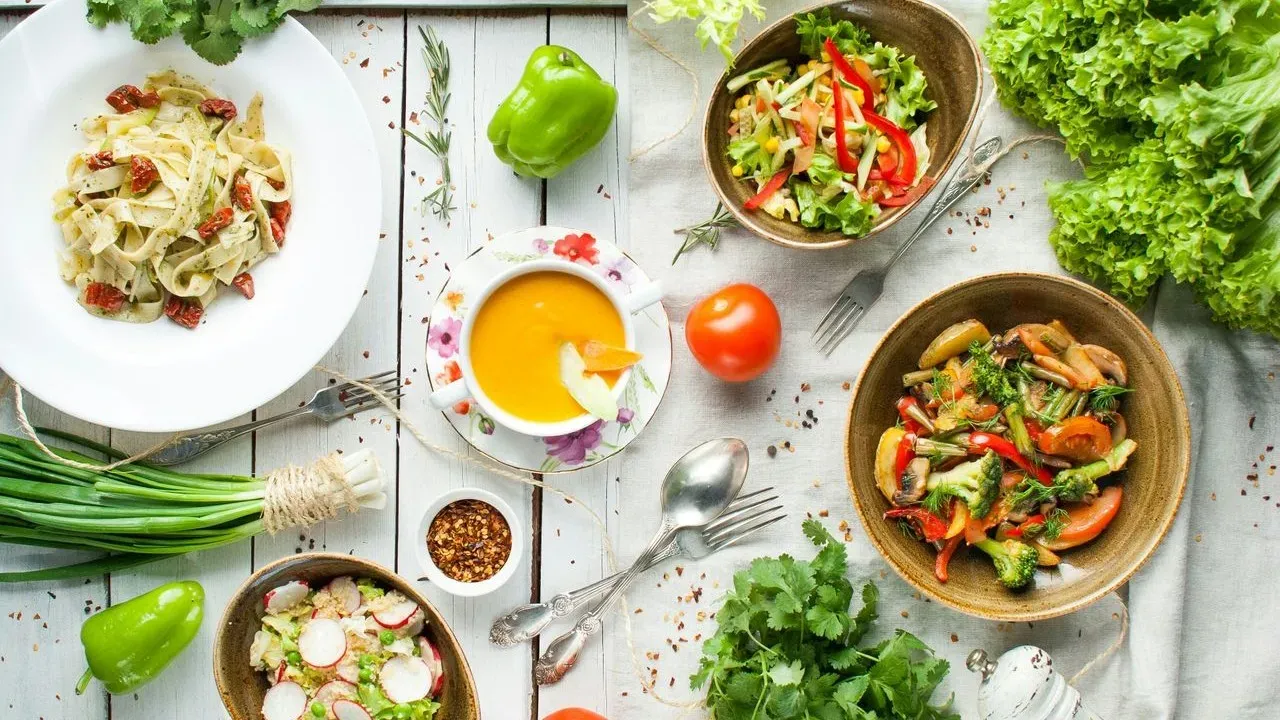

Home cooks who grow their own vegetables often look for ways to turn fresh harvests into satisfying meals that support protein goals without relying on meat or processed substitutes. A nutrition consultant recently shared a collection of vegetarian recipes designed exactly for that balance, focusing on whole ingredients like eggs, cheese, beans, and plenty of produce. These options emphasize real pantry and dairy-case staples while keeping net carbs in check. The full set appears on ([1]).
Stocking Up on Reliable Protein Sources
Many gardeners already grow leafy greens, zucchini, asparagus, cauliflower, and herbs that pair naturally with higher-protein vegetarian staples. Eggs, Greek yogurt, cottage cheese, paneer, halloumi, and firm tofu deliver solid protein with minimal carbohydrates. Legumes such as chickpeas, black beans, and lentils add both protein and fiber, though they contribute more carbs and work best in supporting roles rather than as the main event.
Keeping a few of these items on hand makes it simple to build meals around whatever is ready in the garden. Extra-firm tofu and paneer hold up well in stir-fries or skewers, while halloumi grills nicely alongside summer vegetables. Greek yogurt and eggs serve as quick bases for breakfast dishes that highlight spinach or kale.
Breakfast Options That Use Fresh Greens
Dishes built around eggs and yogurt offer some of the easiest ways to start the day with substantial protein. A spicy Turkish-style bowl combines garlicky yogurt with poached eggs and chili oil for roughly 49 grams of protein per serving. Spinach-based shakshuka cooks eggs directly into a pan of greens, yielding about 24 grams of protein across two portions.
An asparagus and goat-cheese frittata spreads eight eggs across eight servings for steady protein with very low net carbs. Gardeners can swap in whatever leafy greens or early-spring vegetables are available. These preparations require little more than a skillet and deliver flavor without extra steps.
Lunch Salads Built Around Garden Produce
Salads become main dishes when they incorporate cheese or beans alongside abundant vegetables. A halloumi salad keeps the cheese crisp under heat and pairs it with whatever greens and herbs are in season. Kale salads that feature feta and chickpeas provide balanced protein while letting garden kale take center stage.
Zucchini ribbons tossed with goat cheese and avocado create one of the lowest-carb options, easily topped with an extra egg or chickpeas for more staying power. Cauliflower roasted with chickpeas and a tahini dressing turns a simple vegetable into a satisfying plate. Each of these builds on produce that many home gardeners already have in abundance during peak season.
Dinner Ideas That Stretch the Harvest
Evening meals can highlight heartier garden vegetables while still meeting protein targets. A white chickpea chili combines beans with crumbled tofu for roughly 24 grams of protein per serving and freezes well for later use. Spinach-stuffed portobello mushrooms rely on mozzarella and parmesan to boost protein without adding many carbs.
Paneer kebabs marinated overnight deliver about 14 grams of protein per skewer and pair beautifully with grilled garden vegetables. A spring onion and goat-cheese quiche uses eggs and cheese as the primary protein sources, with the crust accounting for most of the carbohydrates. When a lentil dal comes in lower on protein, adding eggs or a side of tempeh quickly raises the total while keeping the focus on homegrown greens.
Practical Tips for Everyday Meals
Reaching 30 grams of protein at a single meal is straightforward once a few reliable combinations are in rotation. Pairing yogurt or cottage cheese with eggs, or scattering chickpeas over a salad, often closes the gap without extra planning. The same approach works whether the meal centers on breakfast bowls, lunch salads, or dinner skillets.
Gardeners benefit most when they treat their harvest as the flexible element and let eggs, cheese, or tofu handle the protein load. Keeping staples like Greek yogurt and canned beans in the kitchen means any surplus zucchini, kale, or cauliflower can become part of a balanced plate in minutes. These strategies turn seasonal abundance into consistent, nutrient-dense meals that feel both practical and rewarding.
AI Disclaimer: This article was created with the assistance of AI tools and reviewed by a human editor.