
Where Most Americans Actually Stand
The artificial tree side wins on raw numbers, and it isn’t particularly close. According to a survey published by the American Christmas Tree Association, approximately 83% of households planning to display a Christmas tree choose an artificial one. That figure has been remarkably stable for years.
Statista data from 2024 shows that 26% of consumers said they were putting up a real Christmas tree that year, while 46% said they would be putting up an artificial tree. The remaining share either skips the tree entirely or hasn’t yet decided. Real trees are clearly the minority choice, though they’re far from disappearing.
The Rise of the Artificial Tree Market
The artificial Christmas tree market was valued at roughly $3 billion in 2024 and is projected to reach around $4.4 billion by 2032, growing at a compound annual growth rate of nearly 5% during that period. That kind of sustained growth signals a market far beyond a passing convenience trend.
The shift to fake trees has been steady. Imports of artificial trees have been climbing since the mid-1990s and spiked in 2021 despite Covid-19-related supply chain disruptions, according to the U.S. Census Bureau. The pandemic era, with its emphasis on home-centered living, accelerated a preference that was already forming.
Real Trees: Holding Their Ground
Real Christmas trees still make up a roughly $2 billion market in the United States, despite sustained competition from artificial alternatives. That’s not a dying industry. Over 21.6 million real trees were sold in 2023 alone, according to data compiled by the USDA and industry groups.
Industry experts forecast that Americans spent about $1.9 billion on real Christmas trees in 2024, up from roughly $1.6 billion in 2023, a sign that interest in cut trees may be growing. Some of that renewed interest traces back directly to price shifts on the artificial side. Rising costs for artificial trees, driven in part by import tariffs on Chinese goods, have made real trees look more attractive in comparison.
The Cost Question: What You’re Actually Paying
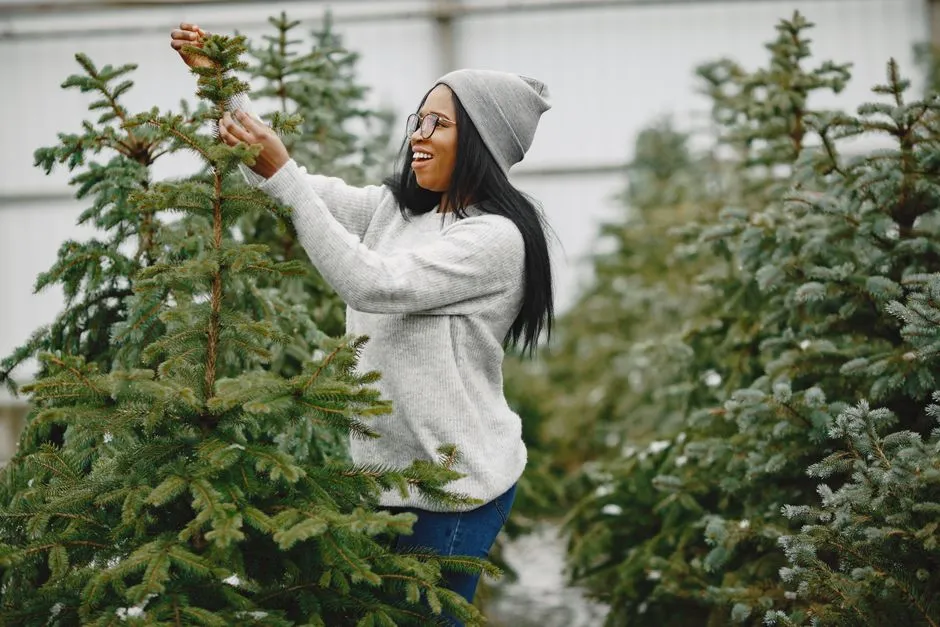
On average in 2024, families could expect to spend anywhere from $80 to $100 on a Christmas tree, according to the American Christmas Tree Association. For a real tree, that’s a recurring annual cost. For a fake tree, it’s theoretically a one-time investment, depending on how long you keep it.
A 2024 survey found that 62% of artificial tree owners plan to keep their tree for up to six years. The math generally works in their favor over that time frame, though upfront costs are climbing. The American Christmas Tree Association noted that artificial trees were estimated to cost between 10% and 20% more in 2025 than the year before, citing tariff-related pressures.
In a 2024 holiday consumer survey, 90% of respondents who purchased a real Christmas tree said the price they paid was worth it. Satisfaction, it turns out, holds up regardless of which side of the debate you’re on.
Where Fake Trees Come From
The vast majority of artificial trees sold in the U.S. are imported, primarily from China, and in recent years between 85% and 95% of all artificial Christmas trees arriving in the U.S. came from Chinese manufacturers. That’s a supply chain almost entirely concentrated in a single country.
Import values for artificial trees climbed from around $170 million in 2000 to more than $500 million in 2024. While real Christmas trees support tens of thousands of seasonal and full-time jobs across farming, transport, retail lots, and agritourism, artificial trees support relatively few domestic jobs beyond shipping and distribution. That distinction matters to consumers increasingly interested in where their money goes.
The Environmental Truth About Both Options
Artificial trees are manufactured primarily from polyvinyl chloride (PVC), are energy-intensive to produce, rely on petrochemical inputs, are predominantly made in China, and once discarded, are typically non-recyclable and end up in landfills. The convenience comes with a real environmental price tag.
A real tree has a carbon footprint of roughly 4 to 12 kilograms of carbon dioxide, depending on how it’s disposed of. Composting or wood-chipping is the most eco-friendly disposal method, while sending it to landfill significantly increases its footprint. According to the Carbon Trust, a two-metre artificial tree carries a carbon footprint of around 40 kilograms, more than ten times that of a real tree that is burned after Christmas.
How Long Before a Fake Tree “Breaks Even” Environmentally
Artificial trees carry a carbon footprint of 22 to 40 kilograms of carbon dioxide. Their carbon cost evens out if you use the tree for six years or more and surpasses a real tree’s footprint only after around ten years of use. Most people don’t keep their fake tree that long.
Research by the Carbon Trust suggests you may need to use your artificial tree for around 12 years before it becomes greener than a real tree. The environmental impact of an artificial tree becomes more favorable if it’s used for at least 10 years, though considering how trends change and social pressures mount each year to have a new look, this longevity may not always be realistic for everyone.
The Recycling Factor
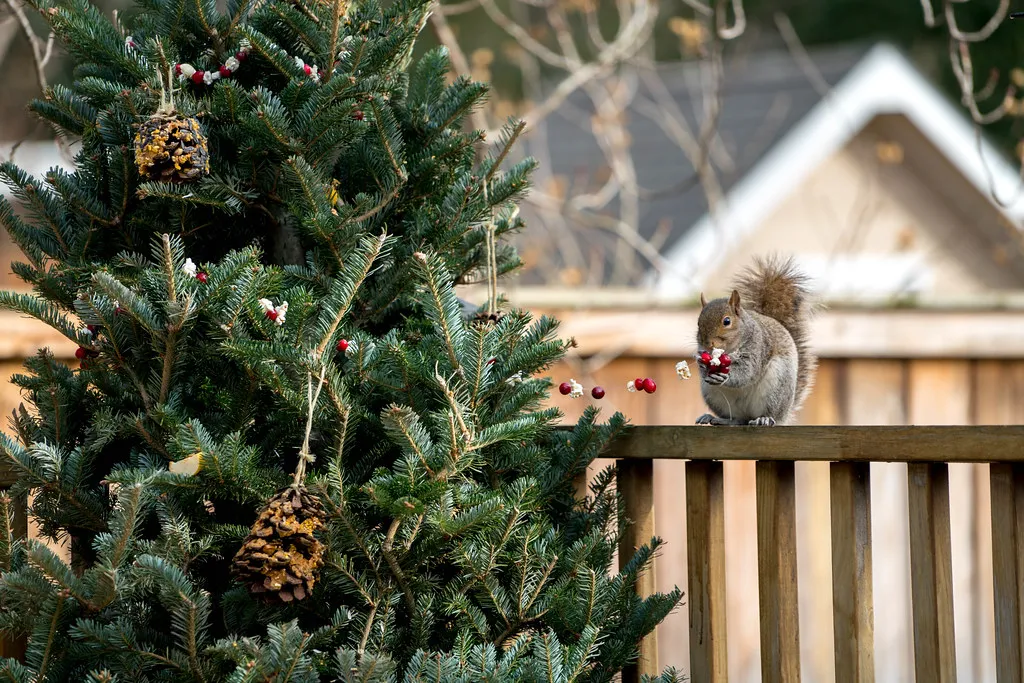
Real Christmas trees are 100% recyclable, according to the Real Christmas Tree Board, and there are over 4,000 local Christmas tree recycling programs located across the U.S., according to the National Christmas Tree Association. Disposal options are more accessible than many people realize.
Real trees absorb large quantities of carbon dioxide during their growth, and a single acre of Christmas trees can capture up to one ton of carbon dioxide annually. Beyond carbon sequestration, real Christmas tree farms support forest conservation, sustain habitats for wildlife, maintain soil health, and support local economies. The environmental story around real trees is more nuanced than the simple “cutting down trees is bad” assumption.
The Fraser Fir and What Farmers Are Doing
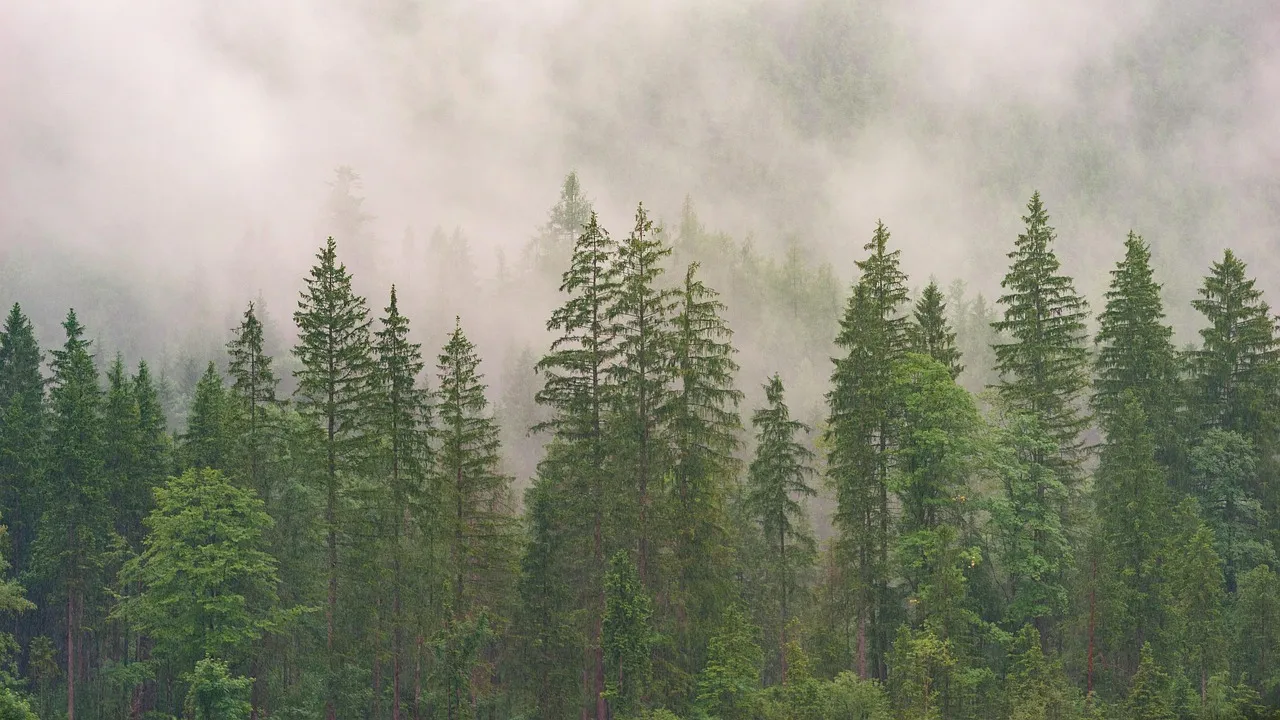
The Fraser Fir dominates real tree sales with roughly 35% market share, followed by Douglas and Noble Firs. It’s a tree known for its pleasant scent, strong branches, and relatively long needle retention, which makes it well suited to indoor display for several weeks.
On average, it takes about seven years for a Christmas tree to grow to a traditional height suitable for household display. That long lead time means growers are making planting decisions years in advance, often without certainty about what demand will look like. Looking ahead to the 2025 season, nearly 8 in 10 growers surveyed expected to sell the same number of trees or more compared to the year before, with 32% saying they expected to sell more trees in 2025 than in 2024.
Tradition, Nostalgia, and Why the Debate Never Ends
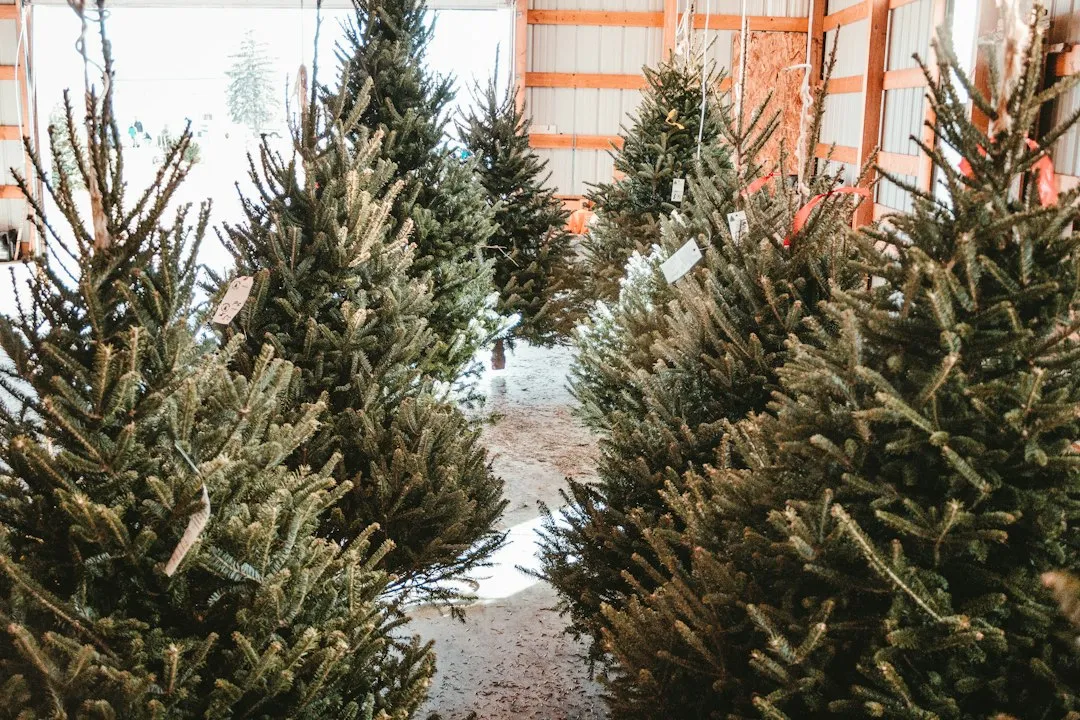
Many families are still holding onto the tradition of taking their kids to a Christmas tree farm and picking out an authentic tree. For these households, the experience of selecting and cutting a tree is the point, not just the decoration. The smell, the outing, the moment of deciding which imperfect tree is the right one. None of that comes from a cardboard box.
Cost is certainly a factor, though consumers tend to celebrate the holidays with whatever kind of tree they most prefer. In fact, consumers are choosing to display multiple trees more than ever. That detail says something interesting: for many households, the debate isn’t even binary anymore. People are putting up a big fake tree downstairs and a small real one on the kitchen table, or vice versa. The two sides have, in many homes, quietly coexisted.
The Bottom Line on Both Sides
Neither tree is perfect, and the honest answer depends on what matters most to you. If you value convenience and plan to use the same tree for a decade or more, a quality artificial tree can be a reasonable choice. If you care about supporting American agriculture, want a lower carbon footprint, or simply love the smell of pine in your living room, a real tree has a genuinely strong case.
The data shows a clear national preference for artificial trees, but the real tree market is more resilient than many assume. The 2025 real Christmas tree outlook pointed to steady demand, consistent supply, and largely unchanged wholesale prices, with 84% of wholesale growers surveyed saying they did not plan to raise wholesale prices for the upcoming season. The choice, as always, remains entirely yours, shaped by your habits, your budget, your values, and probably whoever in your family feels most strongly about it.
AI Disclaimer: This article was created with the assistance of AI tools and reviewed by a human editor.