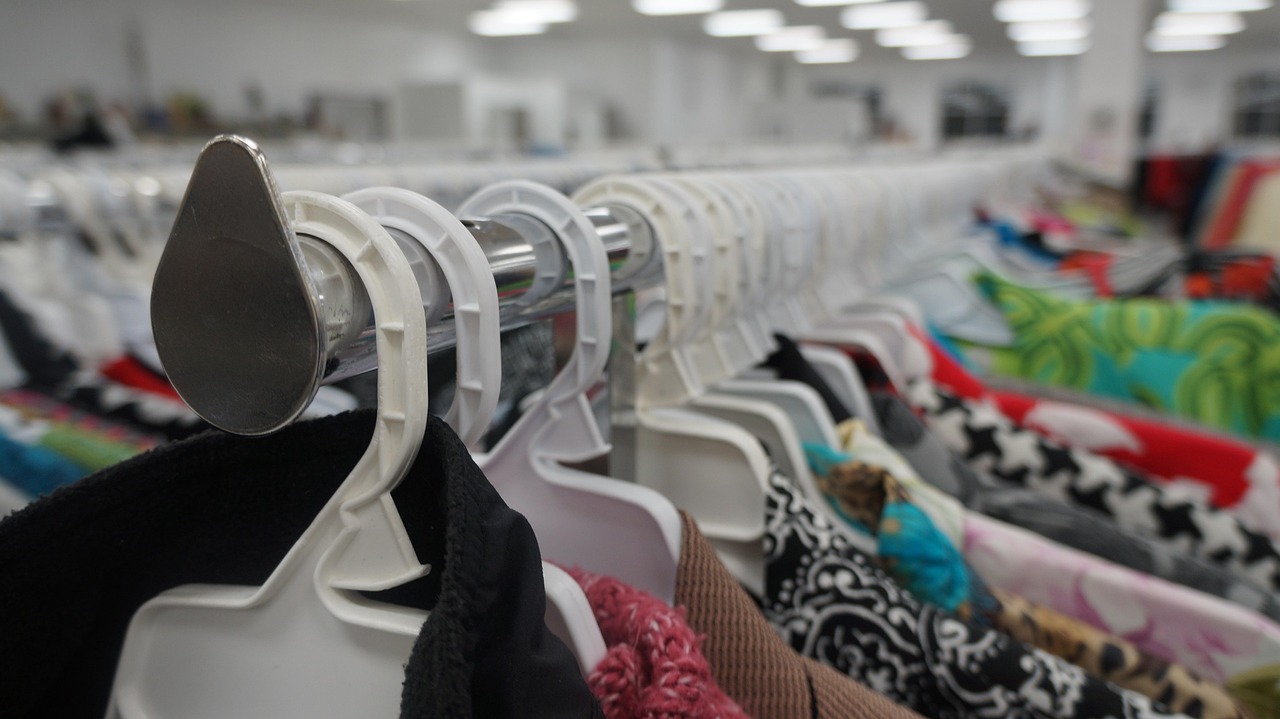

Thrifting has moved well past a budget necessity. It’s become a genuine cultural habit, one that spans income levels, generations, and lifestyles. The U.S. secondhand market is now worth roughly $56 billion as of 2025, up more than fourteen percent from 2024. That’s a lot of people walking through a lot of store aisles.
Here’s the thing though: most of them are heading to the exact same spots. The furniture area, the women’s clothing racks, the shoe bins. While everyone clusters in those places, entire sections of the store sit quietly underused, full of surprisingly good finds. These are the sections worth knowing about.
The Men’s Section (Even If You Don’t Wear Men’s Clothing)
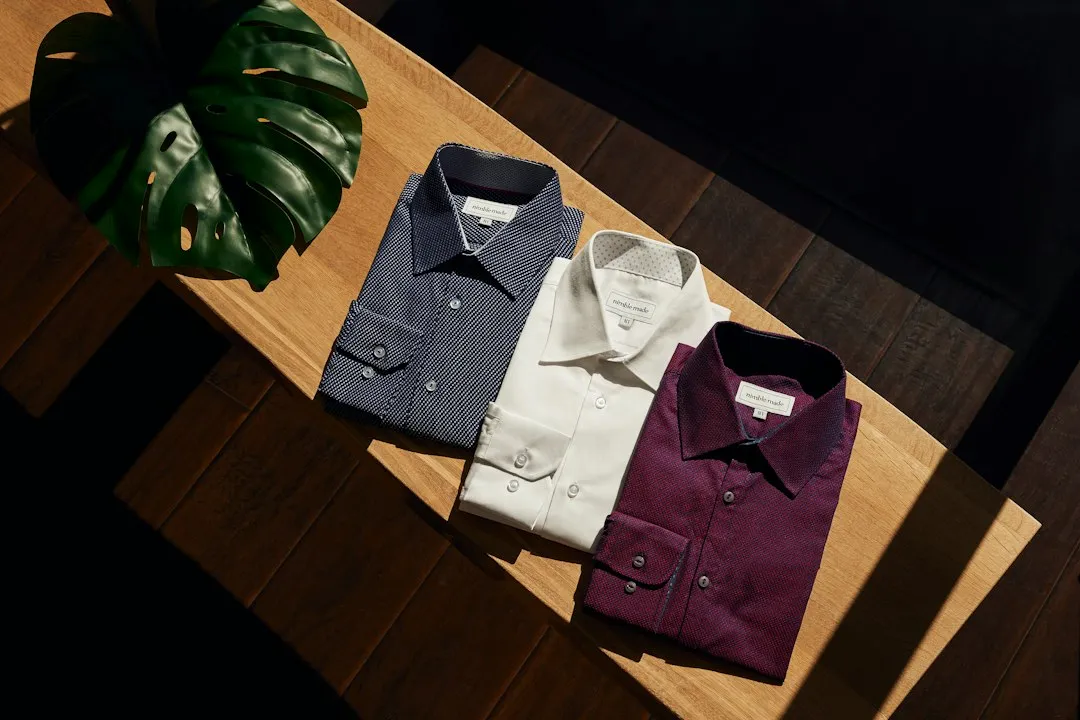
Most thrift shoppers are women, so naturally the women’s section gets the most attention. By the time you get to those racks, especially in common sizes, a lot of the best items have already been picked through. That’s just the reality of how foot traffic works.
Meanwhile, the men’s section is usually quieter and less competitive. There’s often more inventory left behind, and a lot of it is still in great condition. You’ll often find thicker fabrics, sturdier denim, and more durable basics that hold up better over time. That means even secondhand pieces can still feel like they have a lot of life left in them.
The Linens Aisle
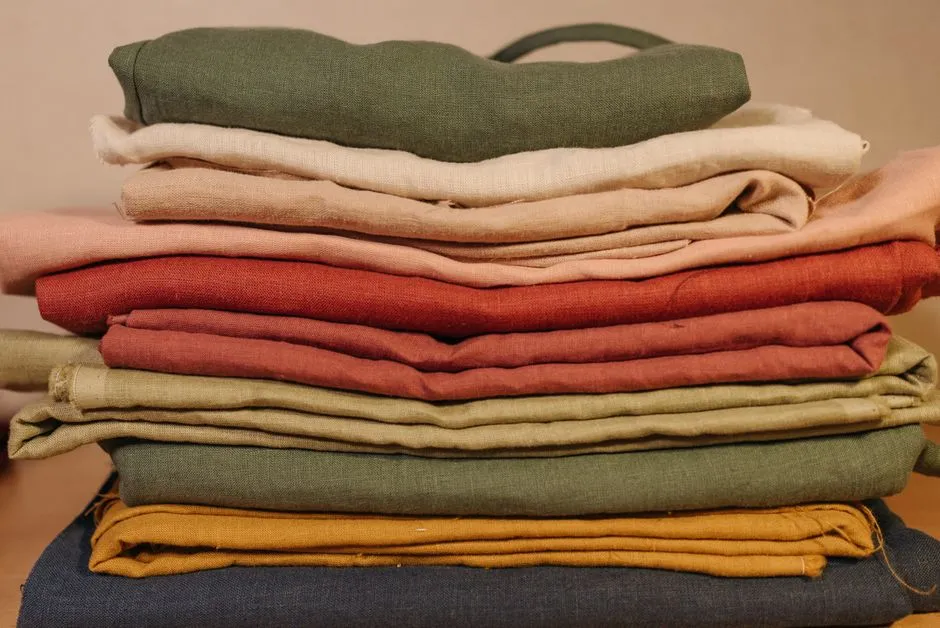
With the rising cost of textiles and the closure of many local fabric stores, the linens aisle has become a crucial stop for crafters and homemakers. Don’t just look at a sheet and see bedding; look at it as four to five yards of affordable fabric.
A high-quality cotton tablecloth or a set of linen curtains can be repurposed into almost anything: tote bags, garden aprons, pillow covers, or even clothing, for a fraction of the price of buying fabric by the yard. Some experienced thrifters have scored fabric by the yard for just a few dollars, like $3 for 5 yards of jacquard fabric, practically unheard of at a typical fabric store.
The Hardware Aisle
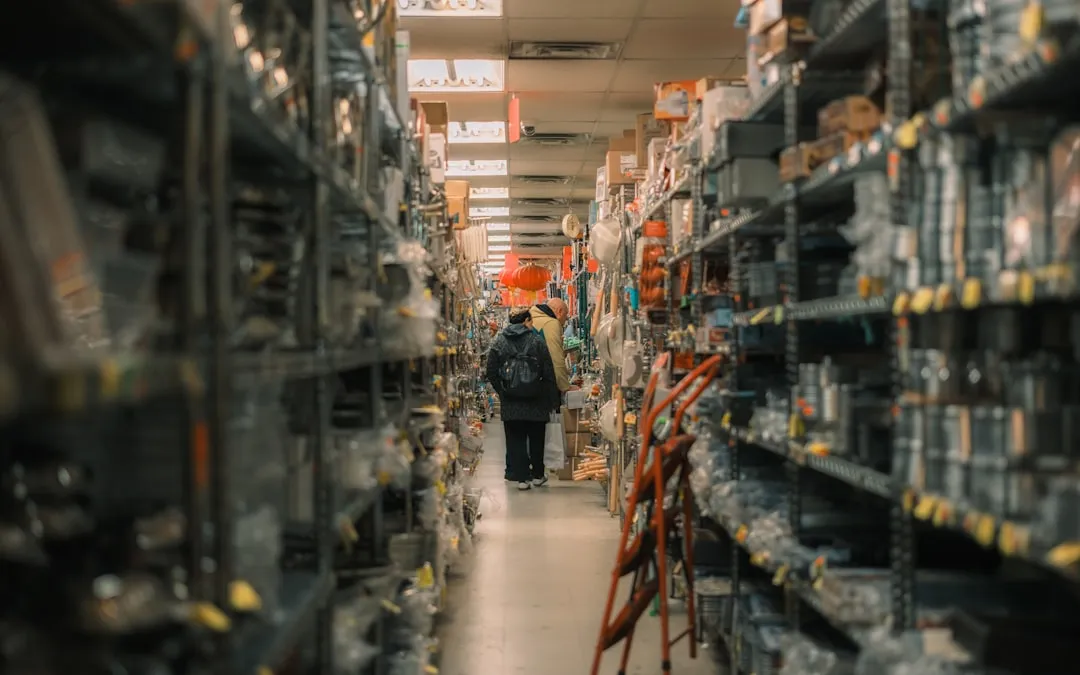
The hardware aisle may not be the prettiest spot in the store, but for DIYers and homeowners, it’s a hidden goldmine. From hooks and replacement casters to specific screwdriver sizes, this section is packed with practical necessities at a fraction of the cost.
Professional thrifters often snag drawer pulls and cabinet knobs here, perfect for budget-friendly, high-impact upgrades like refreshing dressers or kitchen cabinets. You might even find vintage brass or ceramic knobs for just a few dollars. That kind of detail can completely change how a piece of furniture reads in a room.
The Craft and Hobby Supply Section
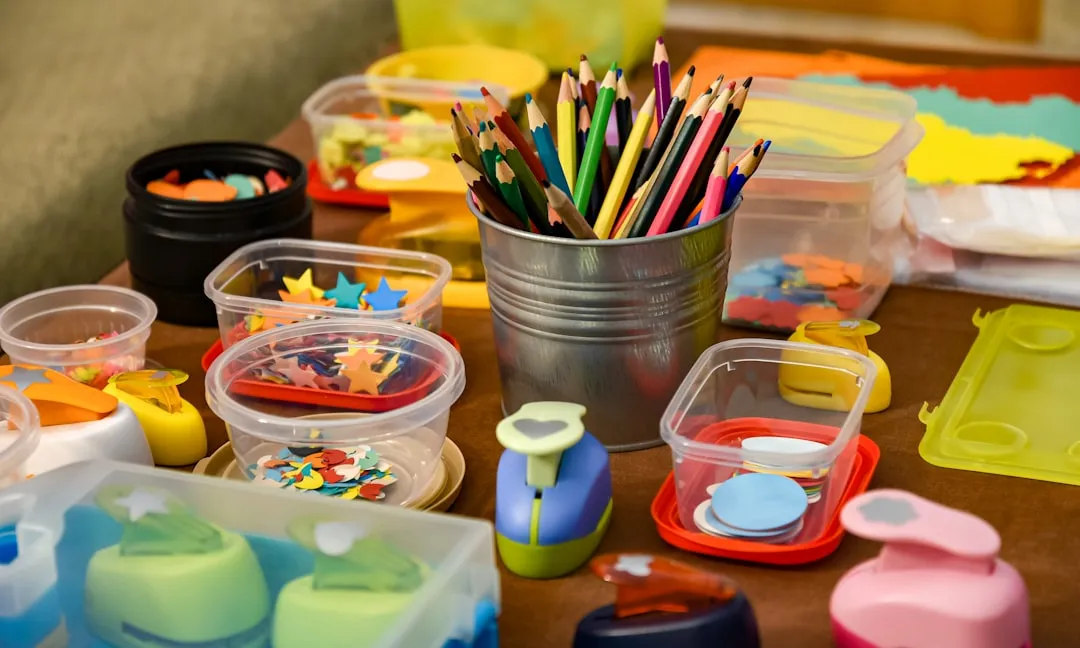
Look no further for rubber stamps than the craft aisle. You’ll also find rolls of wrapping paper, scrapbooking supplies, commercial hole punches and binding machines, as well as skeins of yarn in every fiber content, ranging from acrylic to silk mohair.
Yarn, ribbon, paper notebooks: these are thrift store staples. You can find bins brimming with crafting supplies at incredibly low prices. Depending on your store and its supplies, you may even score unused canvases and scrapbook materials, but don’t overlook paintings that you can transform into unique DIY wall decor.
The Book Section
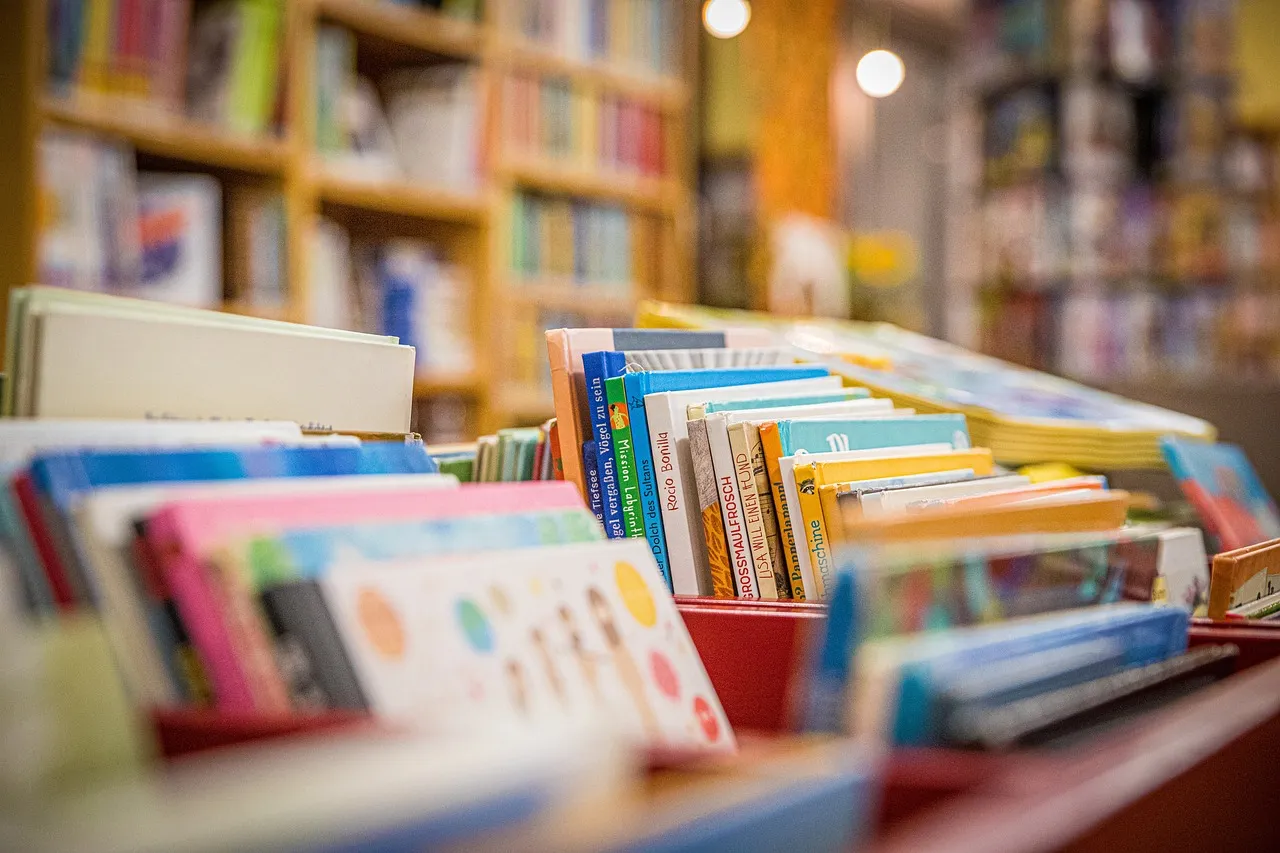
Always take a moment to browse the book section. Unless you need a specific title brand new, the shelves can turn up hidden gems. Often, you’ll stumble upon books that are relatively new or even on your past reading lists, saving yourself a bundle by buying them secondhand.
Besides novels, the coffee table book selection is worth exploring. Large, hardcover volumes on topics like fashion, art, travel, and homemaking frequently show up in thrift stores. These books often retail for $50 or more new, yet they sit on thrift shelves mostly untouched.
The Paper and Stationery Bins
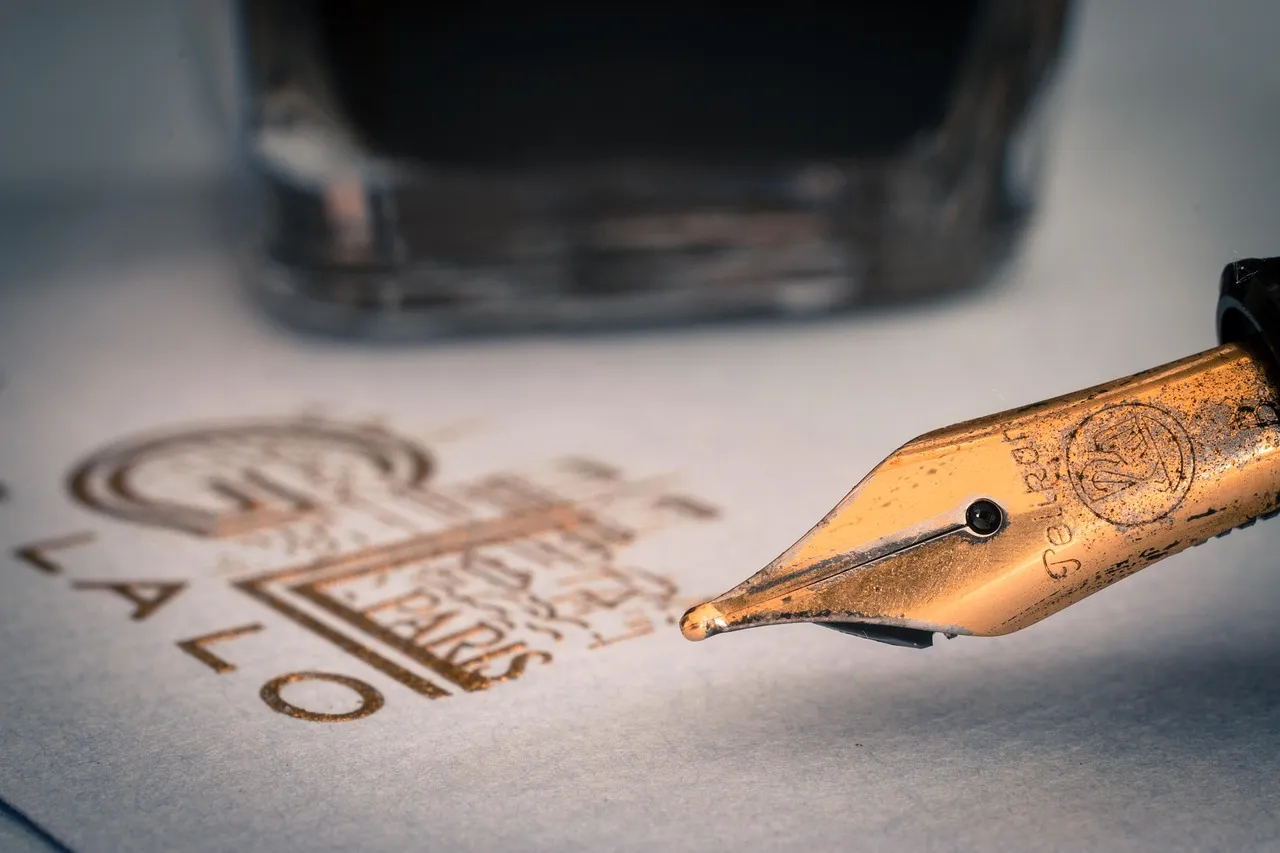
Often overlooked, what some shoppers call the “paper bins” are typically tucked away in corners or jammed into basement shelves, holding excellent, cheap treasures that are great not just for personal use, but also as gifts.
These items tend to not be the main draw for shoppers, so you’ll likely have these bins all to yourself. Train your eye to look for vintage details: embossed designs, groovy motifs, bright colors, and original packaging that looks old. It’s a genuinely quiet corner of the store that rewards patience.
The Candle Section
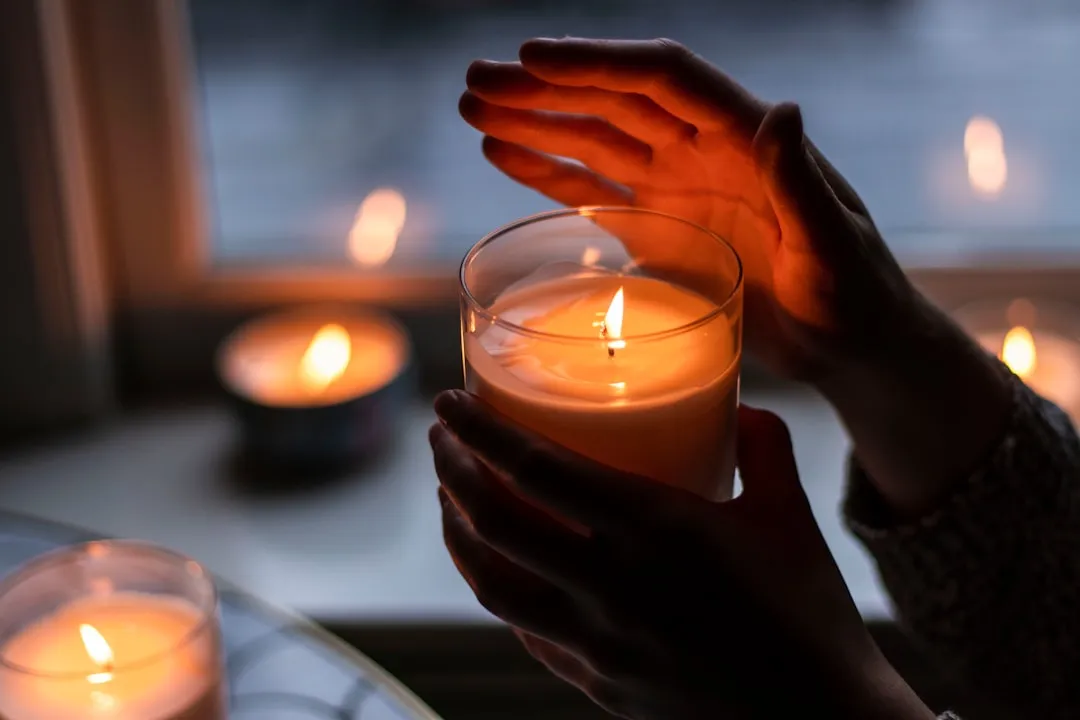
If you’re only thinking big when you walk into a charity shop, you may be missing out on the candle section. It took experienced shoppers a while to realize what a treasure trove this often overlooked area is.
As with everything at a secondhand shop, candles cost a fraction of what they are new, with the added bonus that you’re actually burning them instead of just using them as visual fillers for holders. High-end candle brands turn up here more often than you’d expect, usually barely used or still sealed.
Vintage Kitchenware
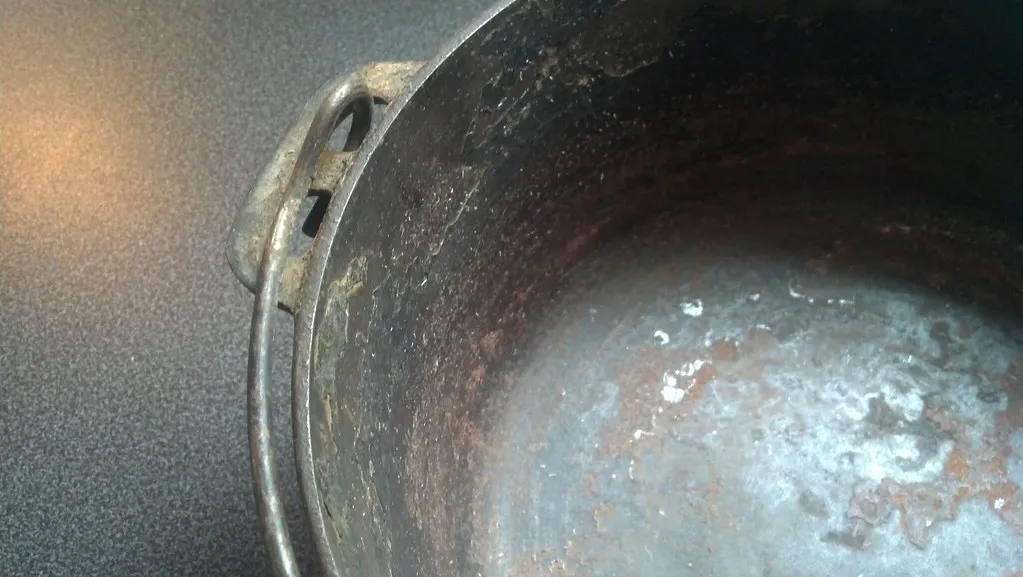
Vintage kitchenware, like cast iron pans and Pyrex dishes, is both useful and collectible. These items are durable and often perform better than new ones. They also give your kitchen a nostalgic feel.
Cast iron cookware in particular has seen a real resurgence in interest. A well-seasoned vintage pan from a thrift shelf can outlast almost anything bought new today, and it typically costs a small fraction of a modern equivalent. Most shoppers walk past it without a second glance.
Decorative Scarves
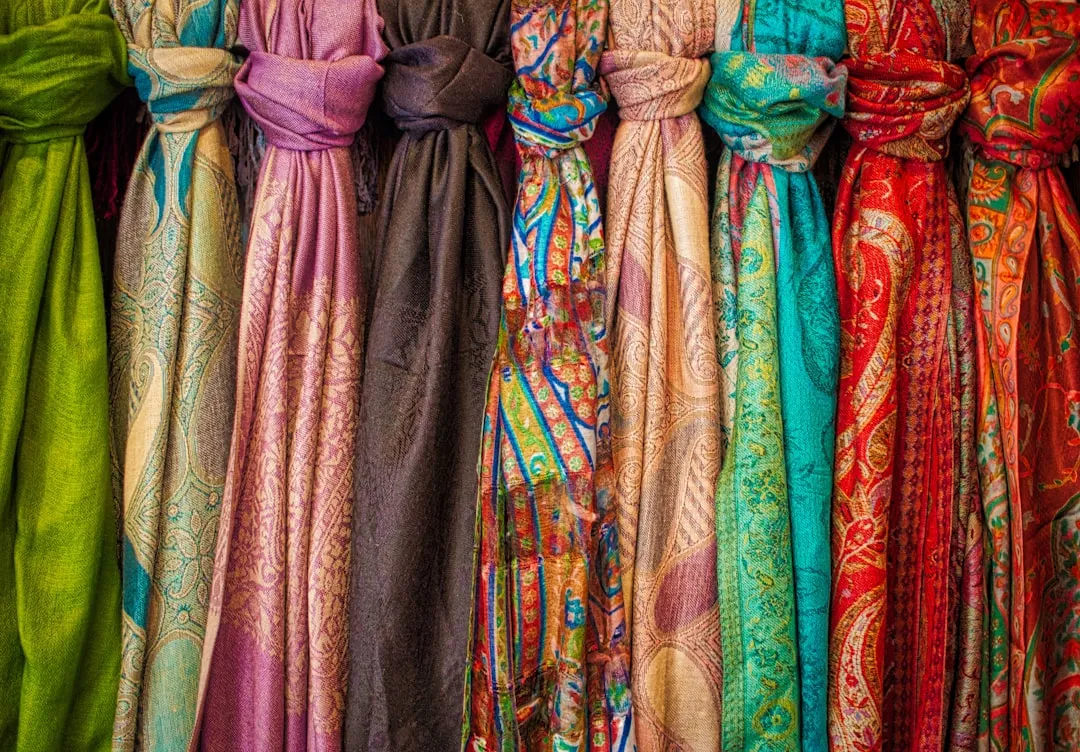
While scarves are fun to wear, they can be used in many more ways. Gather several and sew them together to use as charming curtains, or grab one scarf and use it to wrap a gift using the furoshiki method. You can also use this method to wrap a decorative pillow to bring more color into any room.
A beautifully patterned, colorful scarf looks gorgeous under glass, name brand or not. Frame and hang it on the wall for a unique and timeless art piece. Most people thumb past the scarf rack without even slowing down, which keeps prices very low and selection surprisingly good.
The Accessories and Handbag Section
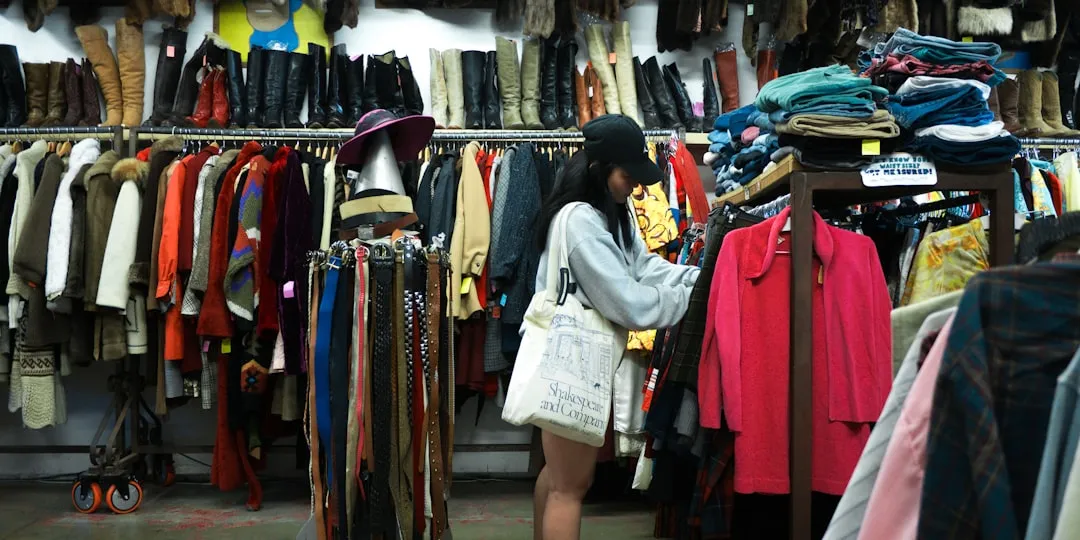
The quality of thrifted handbags is often remarkable, and you can discover something in every style, shape, and color. From everyday totes to intricately beaded evening bags, it’s a genuine treasure trove. Accessories like these add longevity and versatility to a wardrobe.
Nearly half of consumers now say that if they can find an item secondhand, they won’t buy it new. Among younger generations, that figure rises even higher. The accessories section is one of the strongest examples of where that mindset pays off. A quality leather bag at a thrift store can represent savings of well over a hundred dollars compared to buying new.
The Real Edge Goes to Those Who Look Differently
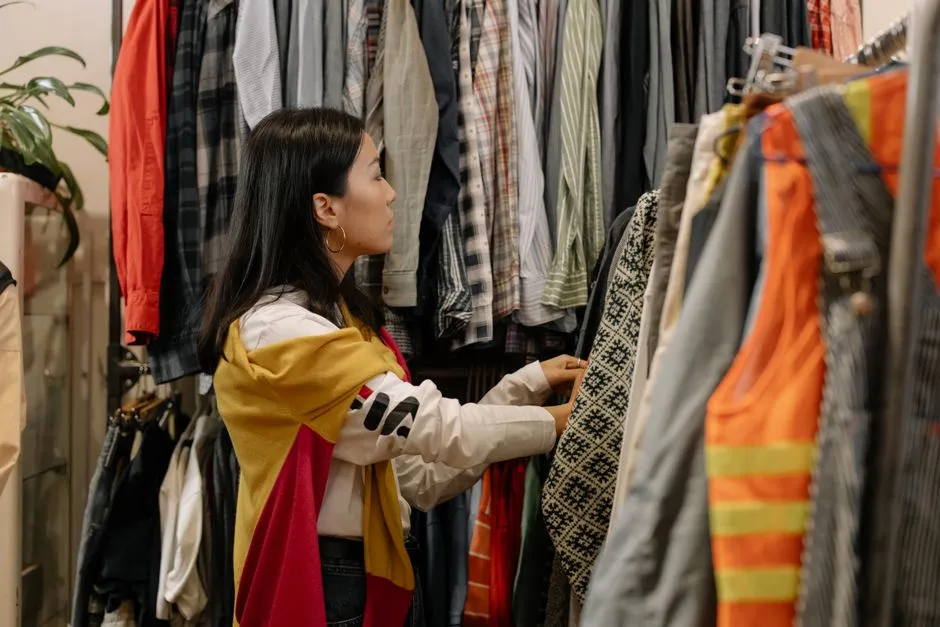
A successful thrift store trip often depends on more than just good luck. Walking in with a few essential tools can transform your shopping from a hopeful hunt into a strategic mission. Having the right items on hand helps you evaluate potential treasures accurately and make confident decisions.
The secondhand market isn’t slowing down. The U.S. secondhand apparel market grew fourteen percent in 2024, its strongest annual growth since 2021, outpacing the broader retail clothing market by five times. More people are thrifting than ever, which means the well-trafficked aisles are more picked over than they used to be.
The sections covered here aren’t secrets exactly. They’re just quieter, less glamorous, and require a slightly different lens. That’s precisely what makes them worth your time on the next visit.
AI Disclaimer: This article was created with the assistance of AI tools and reviewed by a human editor.