
How the Scam Actually Works
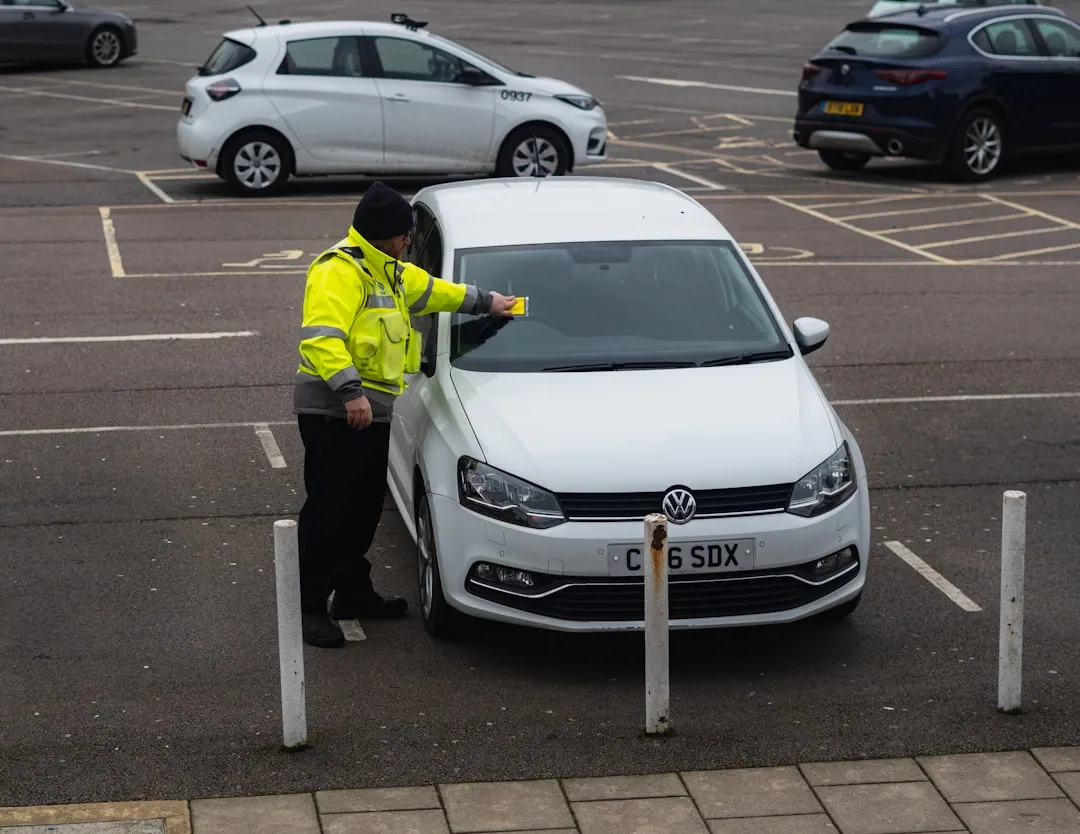
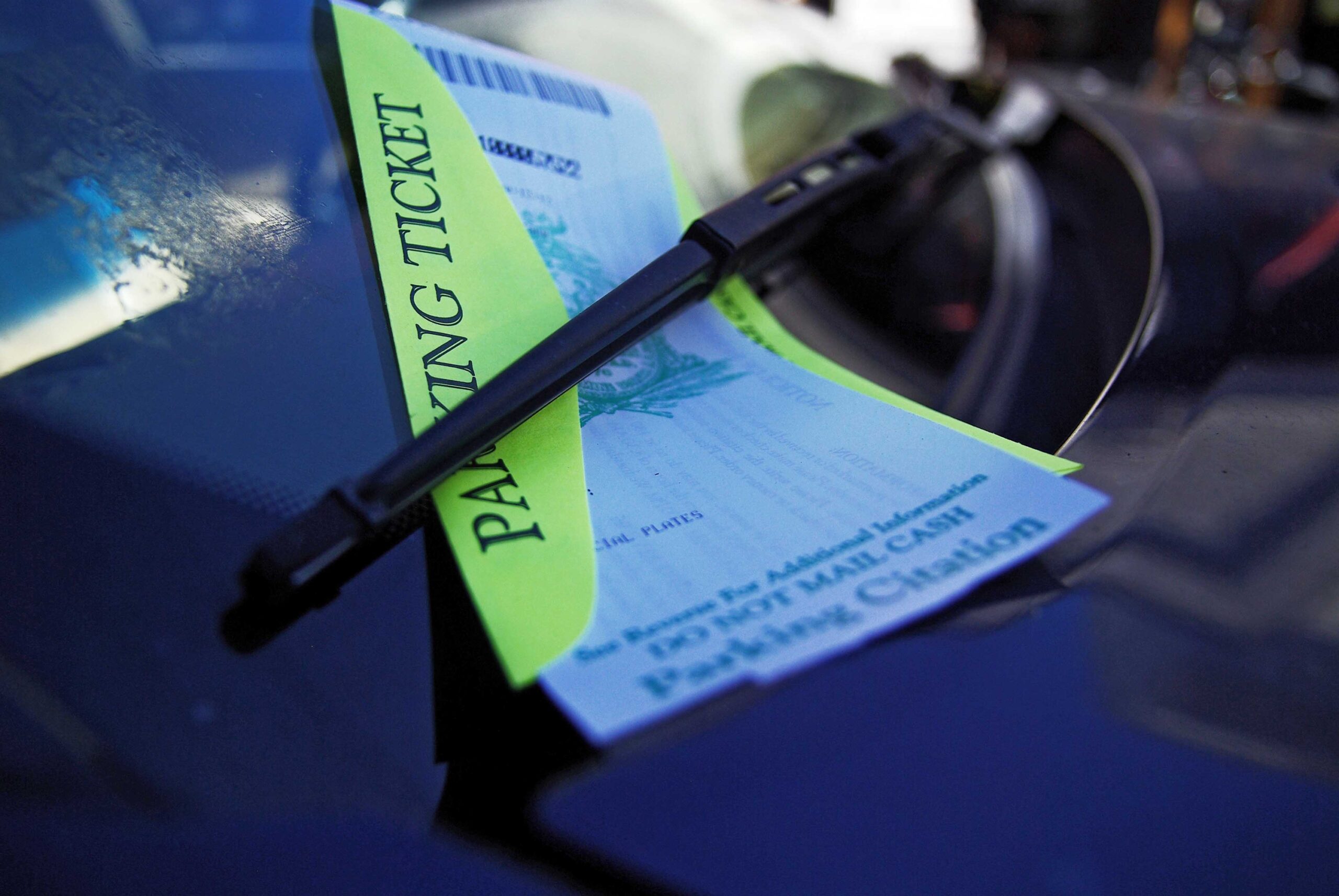
You park in a legal zone or pay to park on the street or in a garage. While you’re away from your car, scammers use high-tech, hand-held printers to make a fake ticket and leave it on your windshield. This phony citation usually asks you to pay online or via PayPal.
Parking scams trick drivers into paying fake fines, entering card details on fraudulent payment pages, or scanning malicious QR codes placed on parking meters, signs, or fake tickets. The whole operation can be carried out in minutes, and the scammer is long gone before you even return to your car.
The Cities Where It’s Been Reported
Police in Nashville, New York, Florida, and California have all reported similar instances. The scam is not limited to one region or one type of neighborhood.
Metro Police in Nashville warned residents to be aware of an ongoing parking ticket scam, with someone putting fake tickets on vehicles downtown, targeting the Midtown Hills area, which includes 12 South, Music Row, and Midtown. Meanwhile, cybercriminals launched a large-scale phishing campaign across the U.S., impersonating city parking violation departments, with authorities in cities including New York, Boston, San Diego, Denver, and Houston issuing warnings about fraudulent messages claiming recipients owe unpaid parking fees.
The QR Code Is the Heart of the Trap
The QR code is the essential component of the scam. In some cases, scammers are merely trying to get the funds you believe are going toward a real ticket. In other cases, police say the criminals might be trying to gain access to personal devices.
Scammers use a high-tech handheld device to print out the realistic parking ticket with a QR code to stick on the windshield. Once scanned, the QR code directs the ticket holder to a peer-to-peer app like Venmo, PayPal, or Zelle – a clear sign that the ticket is nothing more than a scam. Other versions of the scam skip peer-to-peer apps entirely and go straight for your card details on a cloned payment site.
How Realistic These Fake Tickets Actually Look
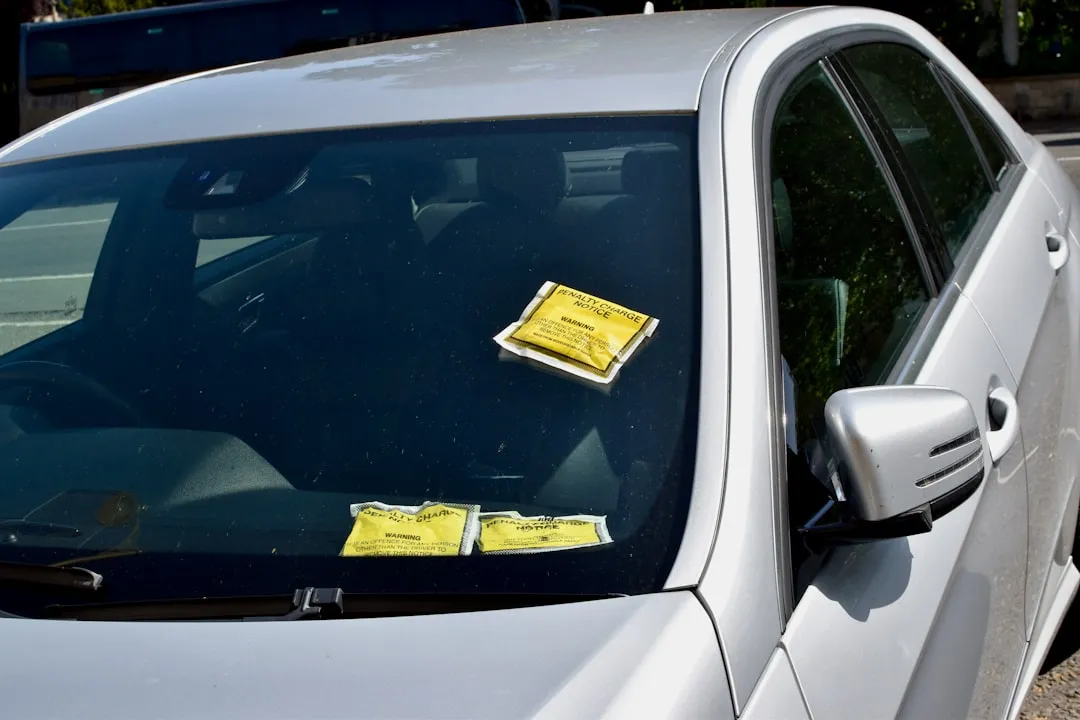
According to the Identity Theft Resource Center, fake parking ticket scams have been reported across the U.S. The national non-profit acknowledges that these tickets appear disturbingly real, with scammers sourcing citation envelopes and handheld printers online.
The phony tickets look just like the real deal, with scammers having their act perfected down to the same logo that the city’s parking division uses, getting creative by buying envelope templates and mini printers online to make their fakes look authentic. In Nashville, the printed tickets are labeled as “Metro Nashville Parking” and include a QR code for people to pay the $25 or $50 fine.
The Rise of “Quishing” – QR Code Phishing
“Quishing” attacks skyrocketed by a factor of ten between 2021 and 2024, according to security company Egress. Experian describes quishing as when bad actors steal money, personal information, or sensitive data and infect devices by distributing altered QR codes meant to mimic legitimate companies.
QR code scams, also known as “quishing,” involve the use of fraudulent QR codes to deceive users. These scams trick people into scanning malicious codes that lead to fake websites or apps, where users may unknowingly provide sensitive information such as credit card numbers, login details, or other personal data. Parking scams are now one of the most common delivery mechanisms for this type of fraud.
What Happens After You Pay

If you follow the instructions, you’ll end up paying a fine you don’t owe. Your personal information will now be in the hands of scammers. That’s the immediate damage. The longer-term problem can be worse.
According to the BBB, some people have reported being charged the amount for parking, but then weeks later receive another charge from an unrelated company posing as the city’s parking fee service. In other cases, people have unknowingly signed up for an entertainment streaming service. The payment link might also download malware onto the ticket holder’s device.
The Text Message Version of the Same Con
In some cities, scammers began sending text messages telling victims about a parking ticket that costs a nominal fee, but that additional fines will accrue if not paid off promptly. Between the low cost and urgency to avoid fees, victims often follow the link to an unofficial website, where their money or personal information is stolen.
The phishing scheme begins with a text message appearing to come from an official city department, warning the recipient about an “unpaid parking invoice,” stating that if payment is not made immediately, a $35 daily late fee will apply. Real parking tickets are either placed on the windshield of the vehicle or mailed to the driver – never delivered through a text message.
Red Flags That Reveal a Fake Ticket
Most cities haven’t implemented QR codes in their ticketing system, so the use of QR codes in texts or paper tickets should be a red flag. Most parking tickets are double-sided or placed in an envelope, with detailed information explaining how to contest or pay the ticket.
Several signs can indicate a ticket might be fake, including incorrect information about you or the date of the alleged violation, requests for payment using gift cards or cryptocurrency, or a ticket that’s missing key information like your license plate number or the make and model of your vehicle. Spelling and grammar errors or blurry logos on the payment website can also signify a potential scam.
What to Do If You Receive One
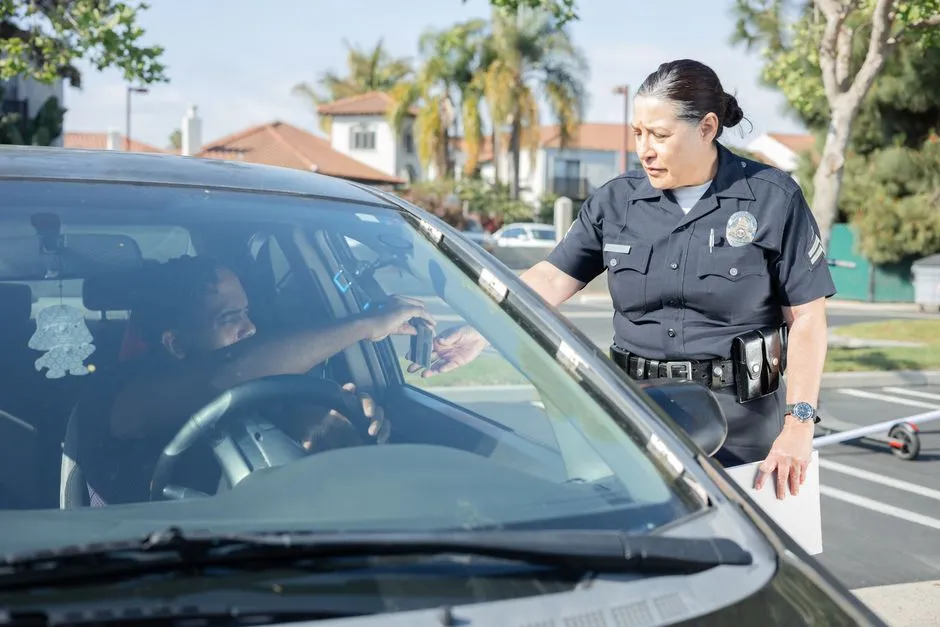
Don’t pay a parking ticket immediately if you’re not fully certain of its authenticity. Use Google Image Search to see what legitimate parking tickets in your area currently look like and compare the real thing to the ticket in hand. Call your local ticketing agency to confirm the ticket’s legitimacy before paying up.
If you think you’ve fallen victim to a QR code con, don’t panic. Contact your credit card company or bank immediately to report the fraud and freeze your accounts, and file a report with your local police department. Acting quickly is the most important factor in limiting the damage.
How Authorities Are Fighting Back
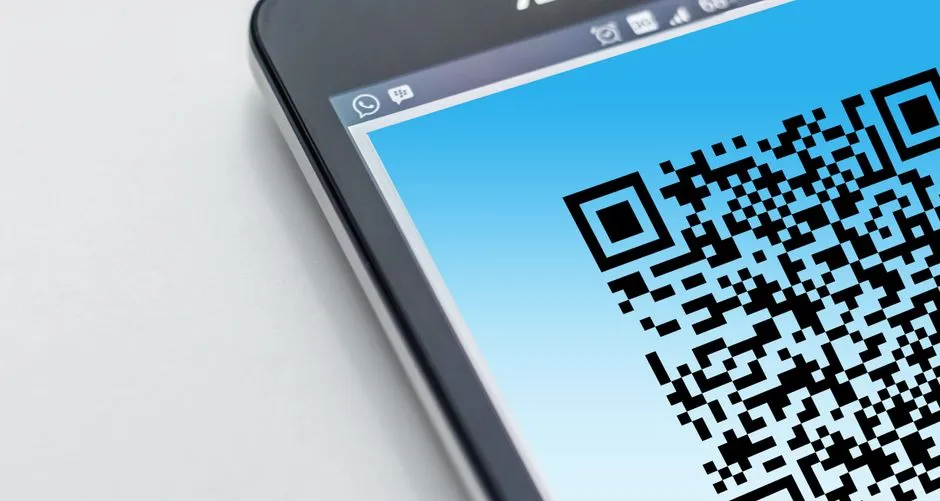
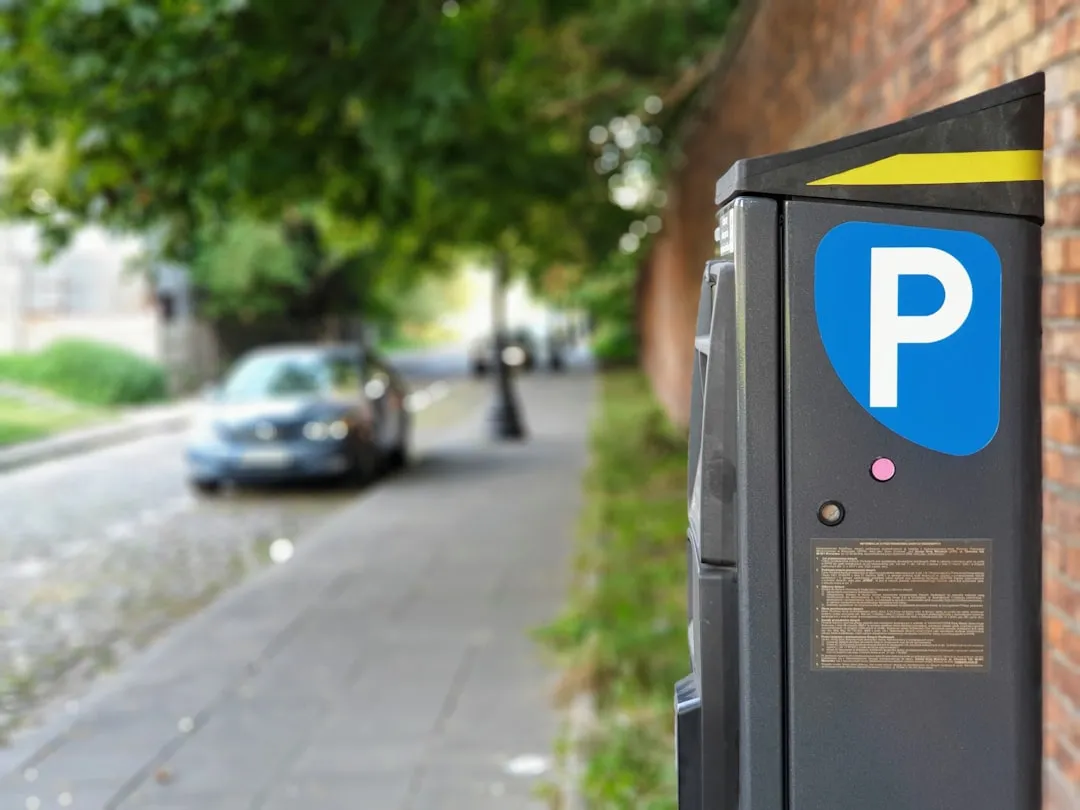
Both the Better Business Bureau (BBB) and the Federal Trade Commission (FTC) are tracking a rise in parking meter QR code scams. Local governments have also been stepping in directly. Hartlepool Borough Council in the U.K. issued a fresh warning as recently as September 2025 over a QR code scam targeting pay and display parking ticket machines, stating that any QR codes appearing on its machines are fake and should not be scanned.
The QR codes found on machines take people to what appears to be a legitimate pay-by-phone website, but is in fact a scam, with people reporting multiple payments taken from their bank accounts after entering their card details. Amid the rise in parking scams, popular parking services like ParkMobile are posting warnings on their websites to ensure drivers stay vigilant.
The Takeaway
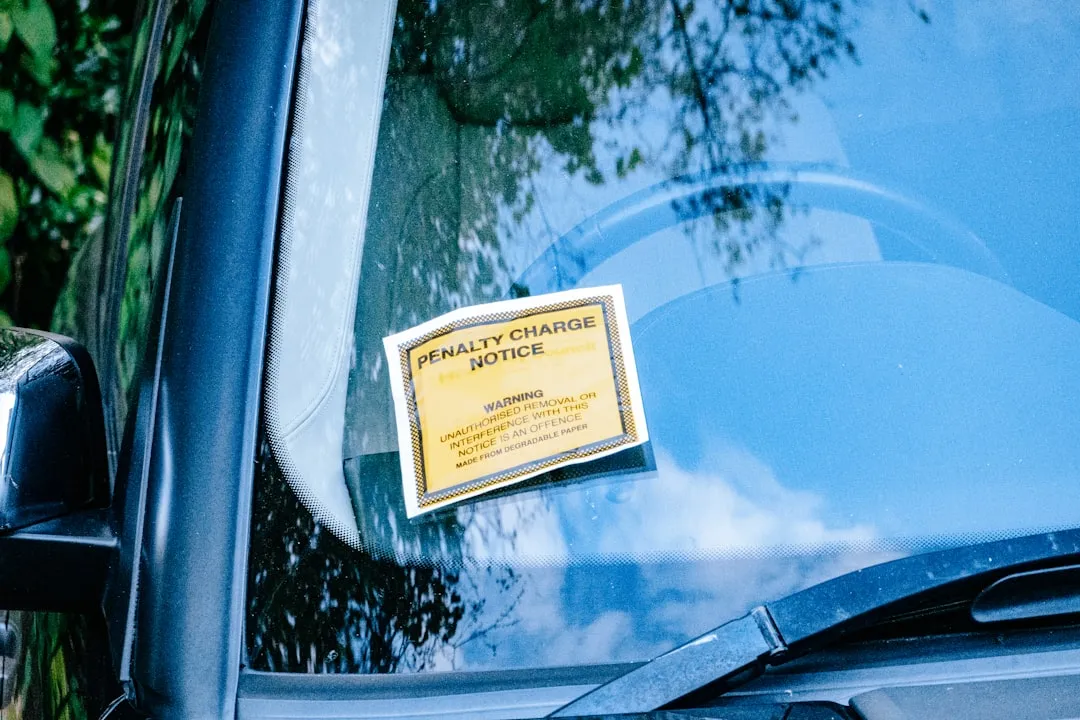
The fake parking ticket scam works because it targets something almost everyone does: park a car, come back, and assume a ticket is real. Scammers count on that moment of automatic compliance, that instinct to just pay and move on.
The safest habit is a simple one: before scanning anything or entering any payment details, look up the actual parking authority for your city independently and verify the ticket through official channels. Before paying for parking or a fine, verify the website, app, meter, ticket number, and authority through official channels. If something feels rushed, unusual, poorly written, or asks for sensitive information, stop and check before you pay.
A moment of hesitation costs nothing. Skipping it can cost considerably more than a parking fine ever would.
AI Disclaimer: This article was created with the assistance of AI tools and reviewed by a human editor.