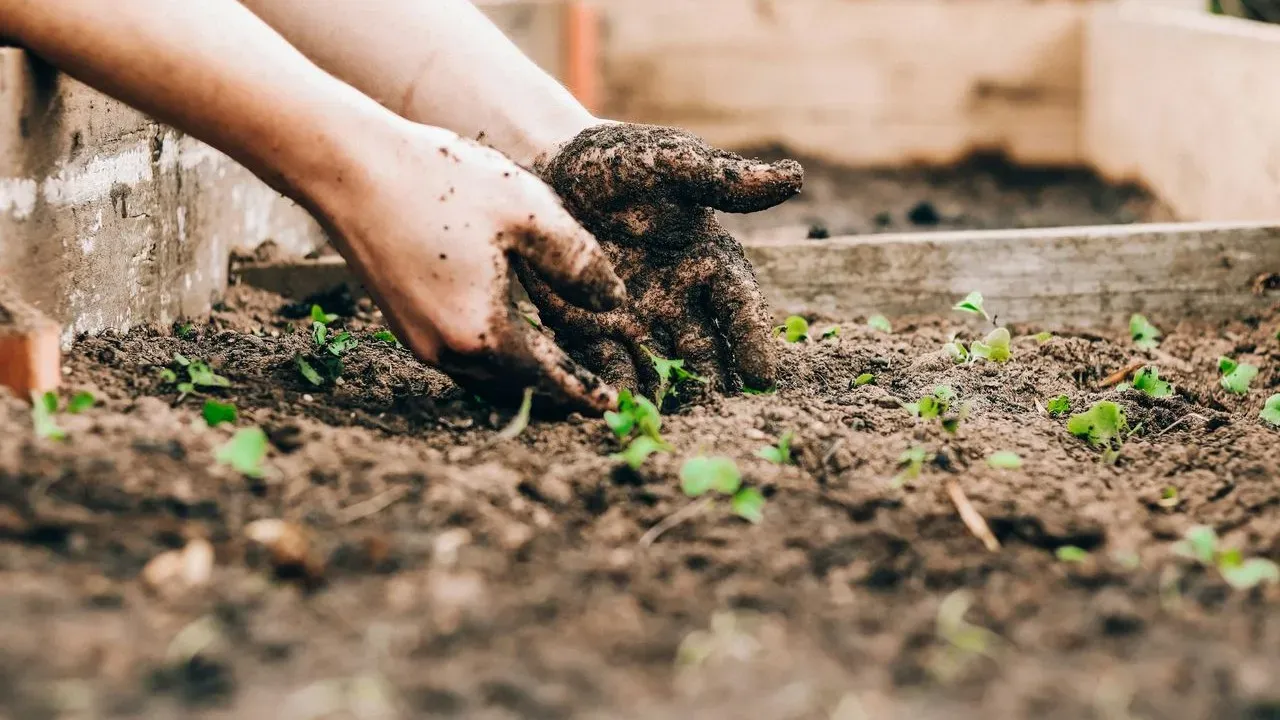

Gardening often appears in public discussions as a reliable path to better mental health, with time outdoors and contact with plants promoted as calming and restorative. Yet the same activity can produce very different outcomes when it becomes a full-time occupation. Recent attention to the experiences of those who garden for a living shows that professional demands frequently override the benefits many amateurs report. The contrast raises questions about how the industry supports its workers amid ongoing economic and physical pressures.
Public Perception Versus Daily Reality
Widespread messaging positions gardening as green therapy that reduces stress and improves mood through moderate activity and sensory engagement with soil and plants. This view draws from studies linking time in nature to measurable well-being gains. Professional horticulturists, however, operate under conditions that limit personal control and introduce repeated deadlines. Expectations remain high regardless of weather, staffing levels, or seasonal sales fluctuations. The result is a gap between the hobbyist experience and the career version. Amateurs decide their own pace and tolerate incomplete tasks without external consequences. Career gardeners must deliver consistent results for employers or clients while managing tight budgets and variable conditions. This structural difference turns an activity often described as therapeutic into a source of sustained pressure.
Evidence From Industry Surveys
Data collected by the UK charity Perennial, which supports professional horticulturists, illustrates the scale of the issue. A 2021 survey found that 85 percent of respondents described their mental health as below average or poor. Separate analysis drawing on Office for National Statistics figures placed the suicide rate among horticultural professionals at nearly twice the national average. A 2025 wellness study by the same organization reported that 59.6 percent of respondents experienced ongoing back and joint pain. Such physical conditions compound mental strain over time. These findings stand in contrast to broader claims about gardening’s benefits and suggest that occupational factors play a decisive role.
Key Pressures in the Profession
Several recurring elements contribute to elevated stress. Reduced staffing means fewer people handle the same workload, while volunteer support has also declined in many places. Nurseries face additional challenges from weather events such as drought and from falling plant sales, which affect income without reducing fixed costs. Many professionals also cite the demands of running a business or meeting employer expectations as more taxing than the physical tasks themselves. Isolation can intensify these difficulties, particularly for those working alone or in small teams. Low pay and limited external recognition further erode resilience, as the skills required receive less respect than comparable trades.
Steps Toward Better Support
Some observers argue that the sector must confront these patterns directly rather than rely on the general reputation of gardening as wholesome work. Greater visibility for the contributions of working gardeners, alongside practical measures such as improved staffing and mental health resources, could narrow the gap between perception and experience. Technological advances have already reduced some physical demands, yet cultural attitudes within and outside the industry continue to lag. Perennial’s long history, dating to 1839, demonstrates that concerns about gardener welfare are not new. Addressing them now requires acknowledging that professional horticulture carries distinct risks even as the activity itself retains value for many participants. Sustained attention to these realities offers the clearest route to meaningful change.
AI Disclaimer: This article was created with the assistance of AI tools and reviewed by a human editor.