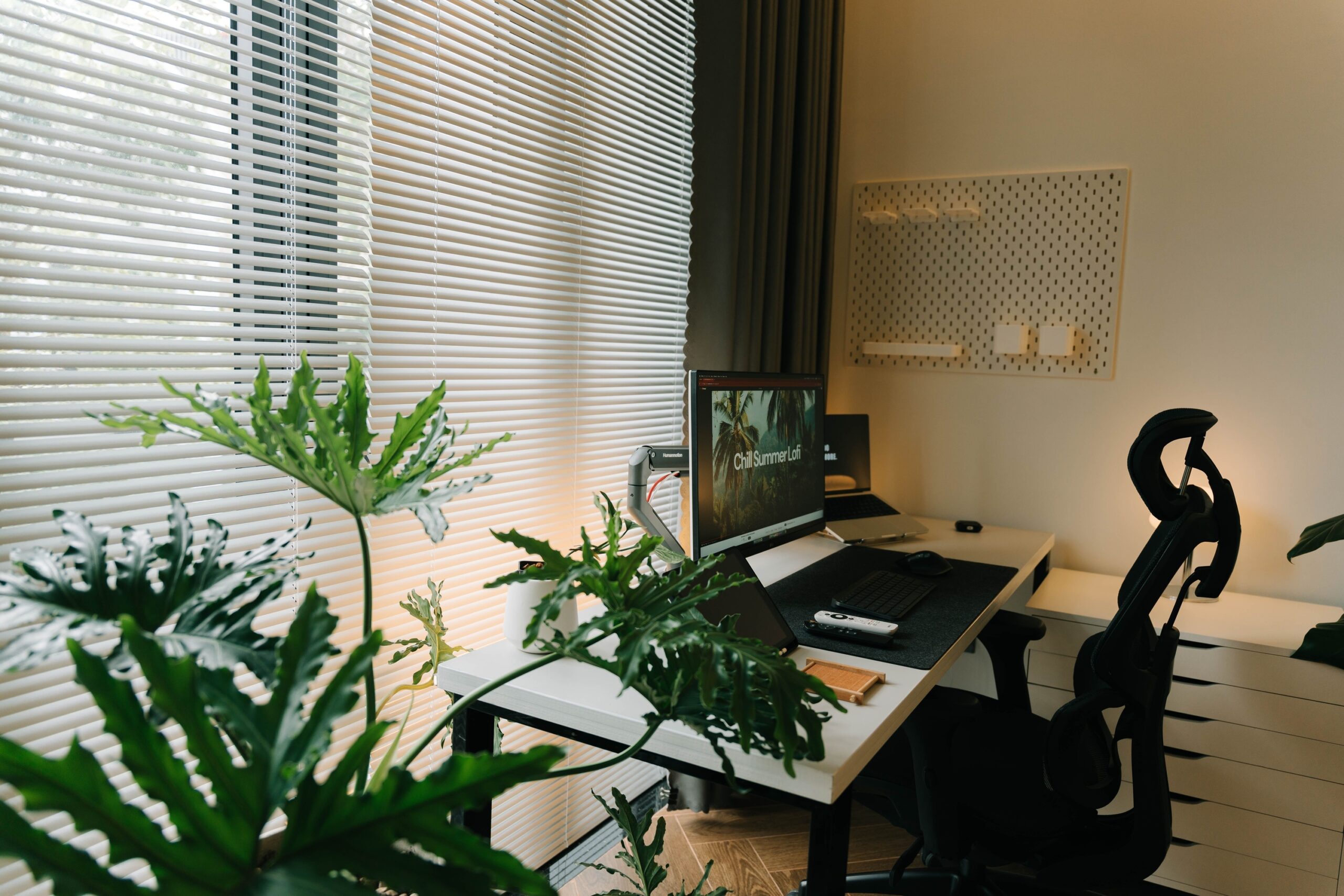

Most people who work from home have spent time thinking about what they need: a decent chair, a monitor, maybe a good pair of headphones. What they rarely think about is everything else. The temperature of the room. How many unrelated objects are within eyeline. Whether the light source is positioned behind the screen or beside it.
These things feel minor. They’re not. Home office design determines whether you spend your workday fighting distractions or flowing through tasks with focus, and the shift to remote work has exposed how much physical environment affects productivity. The setup mistakes most people are making aren’t dramatic. They’re quiet, cumulative, and surprisingly well-documented by research.
Visual Clutter Is Draining Your Cognitive Resources

A 2024 study from Yale University revealed that clutter impairs the brain’s ability to filter out irrelevant details. The more stimuli present, the harder it becomes to focus on what truly matters, which explains why workers in disordered offices report feeling mentally overloaded despite working fewer hours.
In research terms, clutter isn’t defined as “messy” or “untidy.” It refers to an environment with excess visual information competing for attention. From the brain’s perspective, each visible object is a potential signal, and signals require processing even when you try to ignore them.
In professional settings, clutter creates an “extraneous cognitive load,” essentially overloading working memory and making complex problem-solving more difficult. It’s a constant presence, quietly draining cognitive resources even when you’re not actively engaging with it.
Only a Third of Home Workers Have a Dedicated Workspace
According to the U.S. Bureau of Labor Statistics’ 2025 American Time Use Survey, roughly 37 percent of employed Americans now work from home at least part-time, yet a 2024 survey by Herman Miller found that only 31 percent of home workers have a dedicated, organized workspace. The remaining 69 percent work from kitchen tables, couches, bedrooms, or informal corners.
Working from home was supposed to eliminate commutes and open-plan distractions. Instead, many people ended up hunched over kitchen tables, battling household interruptions, trying to focus in spaces designed for living, not working. The problem isn’t remote work itself. It’s that most home offices are accidental.
Poor Lighting Is More Than an Annoyance
Even workplace lighting influences focus directly. A 2025 systematic review found that exposure to blue-enriched light improved attention, alertness, and reaction time, though the same review showed mixed effects on memory and long-term tasks depending on both intensity and exposure duration.
One underappreciated consequence of working from home is a reduction in light exposure. Home offices converted from bedrooms, basements, and kitchens are often illuminated in the 50 to 100 lux range, compared to the approximately 500 lux of most offices. While that level is sufficient to read by, it may be insufficient to maintain adequate mental and physical health.
Lighting that’s too harsh or too dim, combined with a constant hum of distracting noise, creates a low-level, chronic stress that erodes focus and well-being over time. This kind of gradual erosion is easy to miss precisely because it never announces itself as a crisis.
Desk Position Shapes How Easily You Concentrate
Where you place your desk shapes how easily you concentrate throughout the day. Facing a wall minimizes visual distractions but can feel claustrophobic and limiting over long sessions. Facing a window introduces natural light but can also pull attention outward. Neither option is universally right.
Most home office setup mistakes happen when one rule is optimized without checking the rest of the room. Someone moves the desk toward the window for natural light, then discovers that afternoon glare makes the screen unreadable. A small change in one direction creates an unintended problem somewhere else. The whole system has to be considered together.
Noise Is Fragmenting Focus Faster Than You Think
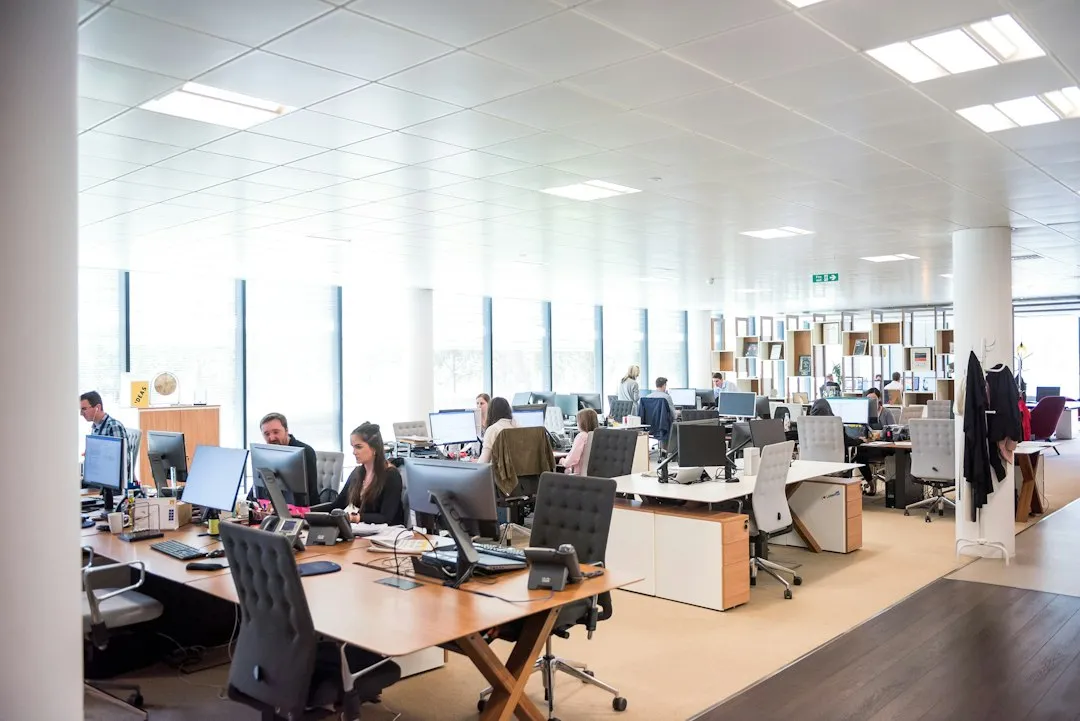
The average focused session at work lasted just 13 minutes and 7 seconds in 2025, down 9 percent from 2023, based on ActivTrak’s 2026 State of the Workplace Report. That’s not a small number. It means people are being pulled out of deep work before they’ve really settled into it.
Constant noise is a major distraction, making it difficult to focus on tasks that require deep concentration. This leads to decreased productivity and increased errors. Studies have shown that even intermittent noise can significantly impair cognitive performance.
Evidence consistently shows that intentional acoustic planning, including absorptive materials and designated quiet zones, measurably enhances workplace performance. Acoustic interventions have been linked to roughly 20 to 30 percent improvements in focus and task accuracy compared to untreated spaces.
Sitting Still All Day Is Its Own Form of Sabotage
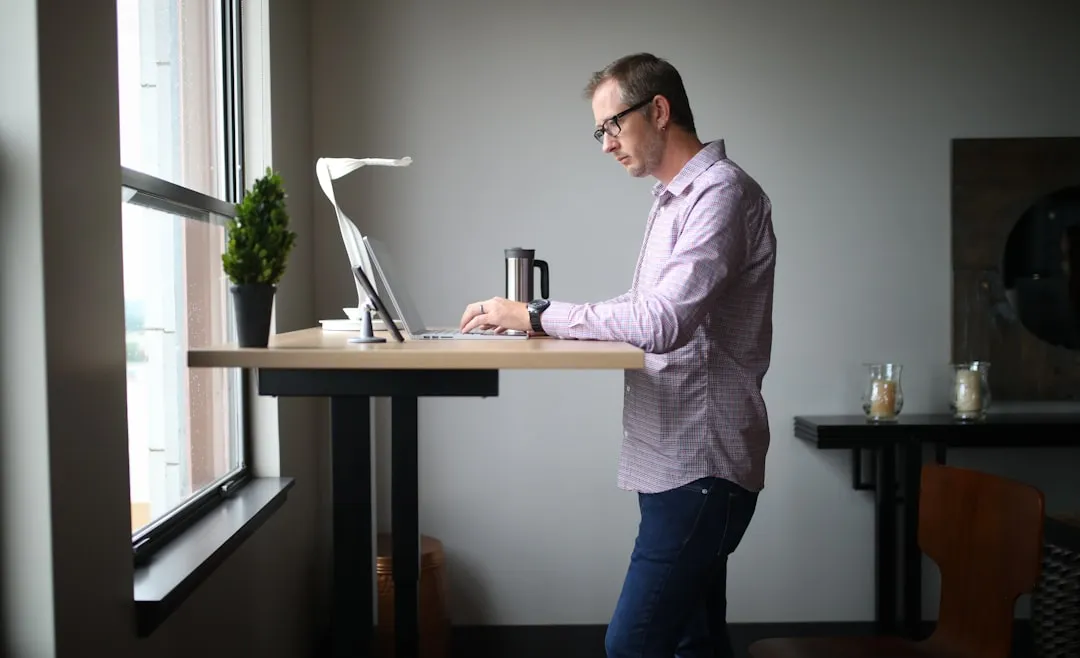
A 2024 study found that alternating between sitting and standing increased productivity and reduced mental fatigue. The mechanics behind this are relatively straightforward: sustained static posture reduces circulation and builds physical discomfort, which then competes with cognitive attention in ways that feel more like distraction than pain.
In August 2025, researchers at Monash University published a study in JAMA Network Open projecting the productivity cost of long-term back problems in working-age Australians at $638 billion in lost GDP over the decade from 2024 to 2033, driven by early retirement, absenteeism, and reduced output in people who are present at work but physically compromised.
Laptop-Only Setups Are Creating a Hidden Strain

Laptops force you to look downward, which causes “tech neck,” a form of chronic neck strain that affects roughly 58 percent of laptop-only workers, according to the Journal of Physical Therapy Science in 2024. It’s one of the most commonly overlooked home office problems because it develops slowly and feels like tiredness rather than injury.
Poor positioning, clutter, or lighting quietly sap energy and reduce focus. Monitors set too low make you hunch, while screens positioned too high force your head back. Neither posture is sustainable over a full working day, and neither announces itself as a problem until the discomfort has already eroded hours of productive attention.
Digital Clutter Is Just as Disruptive as Physical Mess
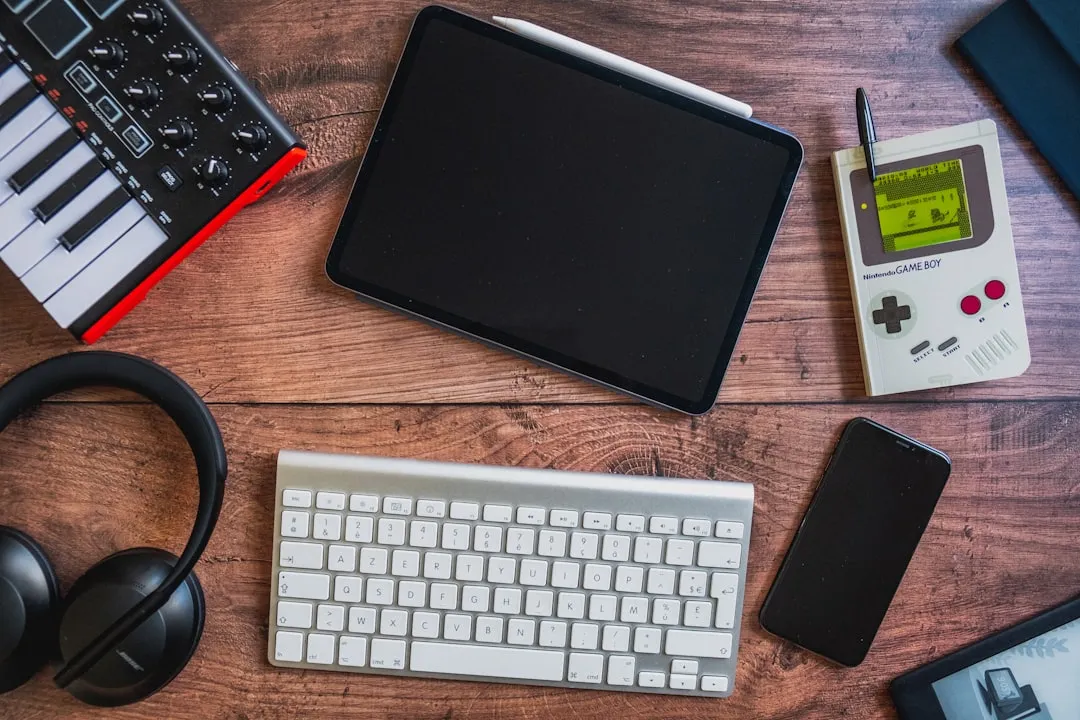
The same principles that apply to physical clutter extend to digital spaces. A desktop filled with icons or too many browser tabs can overload the brain just as much as physical clutter, and neuroscience studies on attention suggest that every visual cue competes for working memory resources.
Nearly 79 percent of US workers report getting distracted within one hour of starting a task, and 59 percent cannot maintain focus for even 30 minutes without interruption. Employees face roughly 275 interruptions per day during core work hours, around one ping every two minutes, according to Microsoft’s 2025 Work Trend Index.
Air Quality and Ventilation Are Rarely Talked About
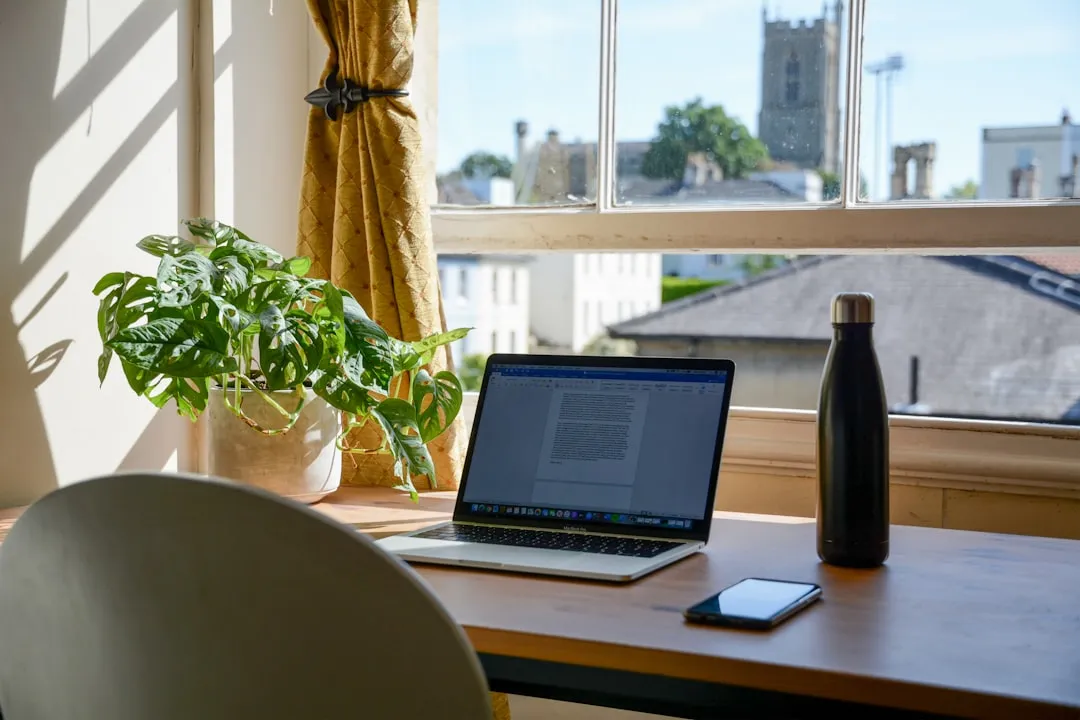
The physical climate of the home office plays a key role in work-from-home productivity. A 2024 survey study by researchers at Maastricht University, published in PLOS ONE, found that Dutch employees who worked from home reported higher productivity and less burnout when more satisfied with their setup. The study also linked more air ventilation in the home office to higher self-reported productivity.
Visual clutter, poor air quality, and physical discomfort all function as forms of extraneous cognitive load. An unexpected distraction requires the brain’s attentional system to expend resources to filter it out, and a disorganized or poorly ventilated workspace bombards the brain with stimuli it has to process subconsciously. The result is a kind of invisible tax on attention that accumulates across the day.
Home Office Satisfaction Has a Direct Link to Burnout Risk
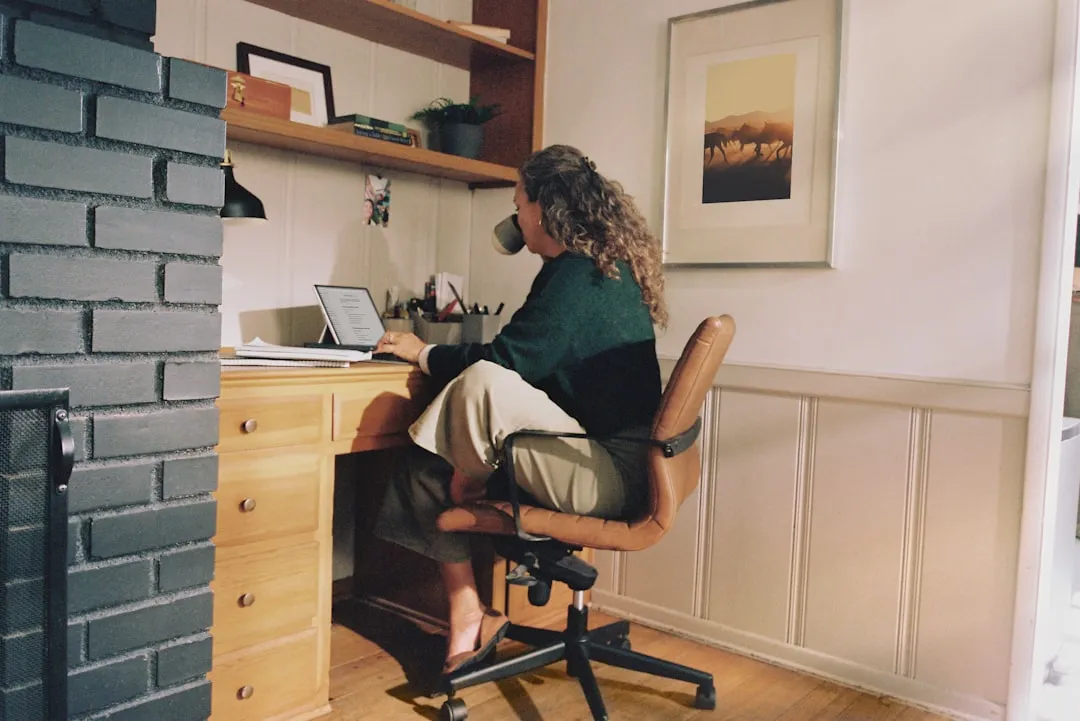
Research suggests that the physical work environment plays a significant role in concentration and cognitive performance. Studies have found that factors such as lighting, workspace organisation, colour schemes, and decorative distractions can directly affect how effectively people focus and process information.
Clutter doesn’t just affect performance; it also affects how you feel. Research has found correlations between cluttered environments and reduced well-being. When your space is filled with visual reminders of unfinished tasks, your brain receives a constant signal that there is more to do, making it harder to fully focus or fully rest.
Workers who reported greater satisfaction with their home office setup also tended to report lower burnout levels, which suggests that the impact of a poor setup isn’t just about the working hours themselves. It follows people into their recovery time too.
The Quiet Fix
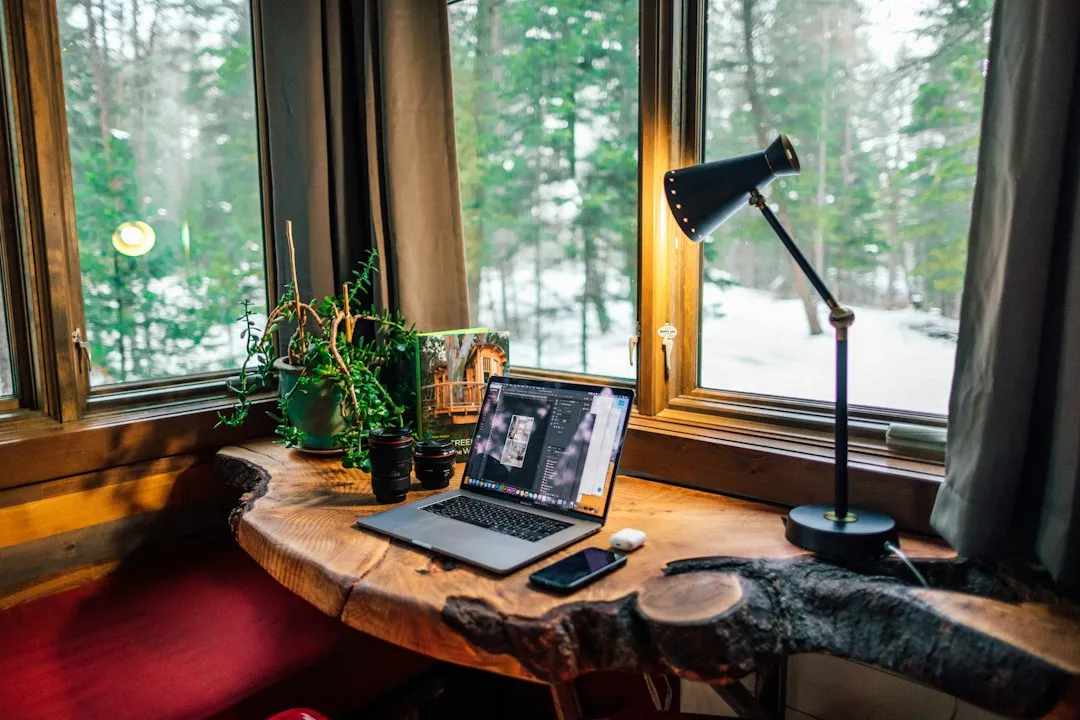
None of this requires a renovation or a significant budget. The research points to smaller adjustments: clearing visual clutter from eyeline, improving light positioning, introducing even modest acoustic treatment, and building in movement throughout the day. The changes that matter most tend to be the ones no one notices until they’re gone.
Reducing clutter isn’t about perfection or minimalism. It’s about making attention easier. Thoughtful organization removes unnecessary stimuli and helps the brain quickly identify what matters. That’s not a design principle. It’s closer to a basic form of respect for how cognition actually works.
The home office setup most people are running right now was built around convenience, not focus. Adjusting it is less about adding things and more about asking which elements are quietly competing for your attention without contributing anything useful. Start there.
AI Disclaimer: This article was created with the assistance of AI tools and reviewed by a human editor.