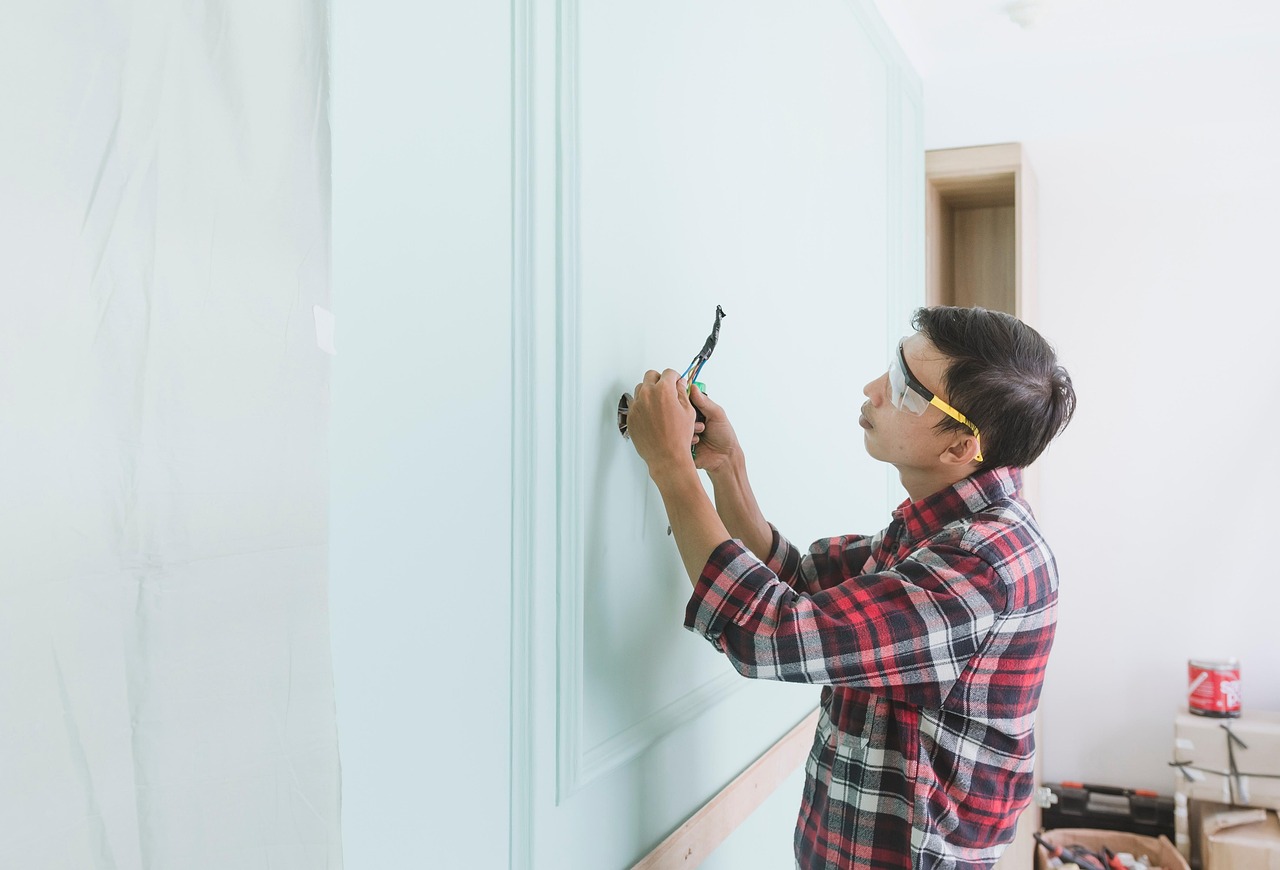

Most adult children visit their aging parents often enough to notice the small things: a new photo on the wall, a different chair by the window, the smell of whatever’s on the stove. What they often don’t notice is far more serious. The home that feels familiar can quietly become a place full of hazards, and the people living in it tend to adapt so gradually they stop seeing the risks too.
The numbers behind this are stark. In 2024 alone, more than 43,000 individuals aged 65 and older died as a result of preventable falls, and in 2023 over 3.85 million were treated in emergency departments for fall-related injuries. Over the past decade, fall-related deaths among older adults have increased by 51%, while emergency department visits have risen by 38%. A thorough home safety walkthrough is one of the most practical things a family can do, yet it rarely happens. Here are the ten areas most adult children overlook.
The Bathroom: Still the Most Dangerous Room in the House
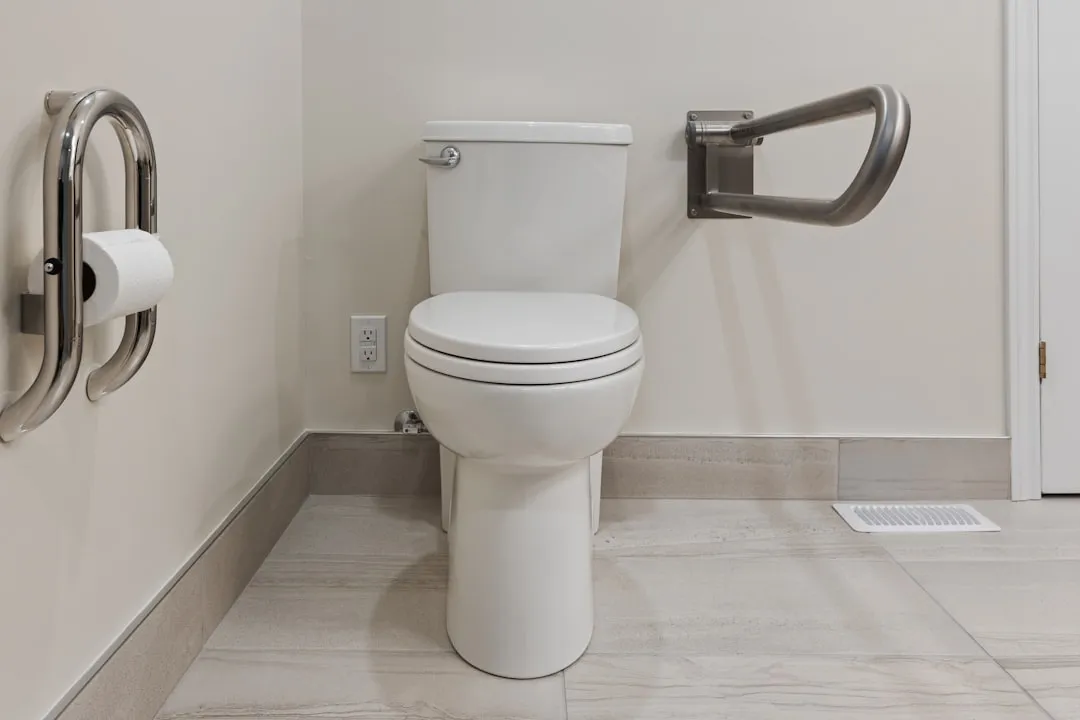
The bathroom is often considered the most dangerous room in the house due to slippery surfaces. Wet surfaces, awkward movements, and reduced grip on smooth materials make it the priority area for any home safety assessment. Yet many bathrooms used by older adults still have no grab bars, no non-slip mats, and no shower seat.
Grab bars should be professionally installed near toilets, showers, and bathtubs to support weight during use. Standard suction-cup bars are not enough since they can fail under weight, so only wall-mounted, stud-secured bars count here. This is one modification that genuinely cannot wait.
Loose Rugs and Floor Hazards That Blend Into the Background
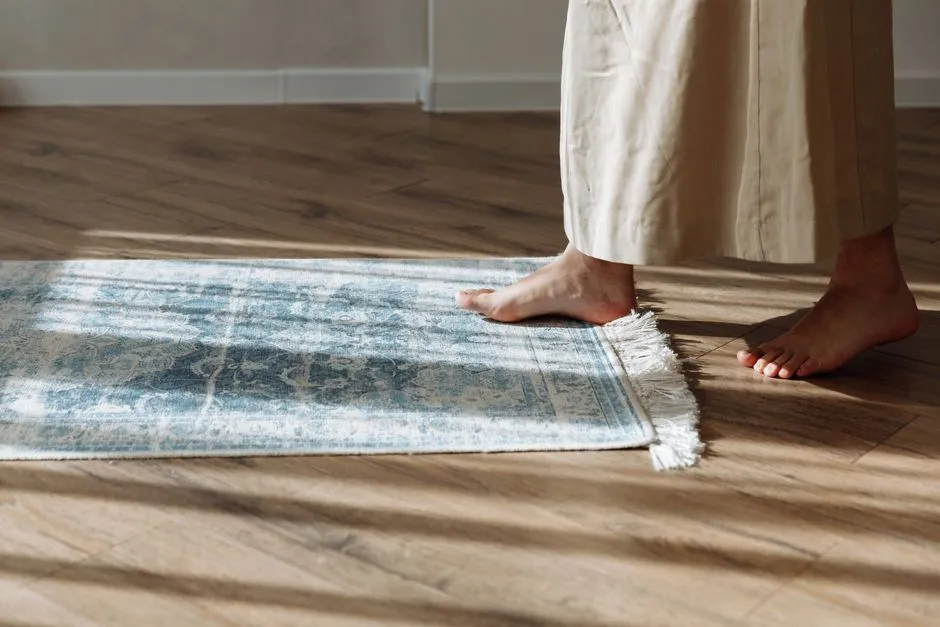
Most families walk through their loved one’s home dozens of times without seeing what a fall prevention specialist would spot in minutes. The loose mat at the bathroom door, the light switch that requires crossing a dark room to reach, the chair that sits just low enough to make standing up a genuine struggle – familiarity hides hazards.
All area rugs should have non-slip mats underneath to keep them from sliding or from curling up at the edges, since slippery mats or curled edges can be dangerous for older adults who are less steady on their feet. The majority of fall injuries occur inside the home, and more fall injuries are caused by falls on the same level rather than on stairs – typically tripping while walking.
Lighting That No Longer Cuts It After Dark

Roughly 55 percent of fall injuries among older adults occur inside the home, and darkness is a major contributing factor. Diminished eyesight is one of the most common age-related challenges, and conditions such as presbyopia and cataracts make glare and dim lighting especially problematic for seniors.
To counter these challenges, all areas of the home should be well-lit, using bright LED bulbs, motion-sensor lights near staircases, and nightlights in bedrooms and hallways to reduce tripping hazards. Pay special attention to the path between the bedroom and the bathroom, which is where many nighttime falls happen.
The Water Heater Setting Nobody Thinks to Check
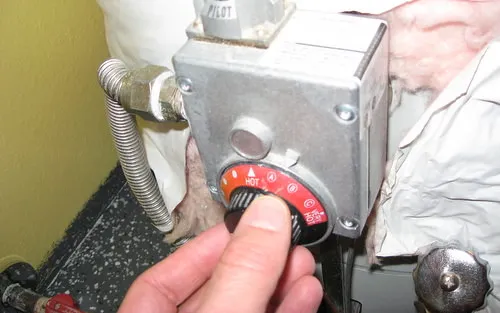
Most water heaters ship from the factory set at 140°F, which is hot enough to cause a serious scald burn in seconds. Water at that temperature can cause third-degree burns especially fast for the elderly or anyone with thinner skin and slower reflexes, and the recommended setting is 120°F, which dramatically reduces scald risk while still allowing dishwashers to sanitize properly.
Preventing scalding incidents by adjusting the water heater thermostat to a maximum of 120 degrees Fahrenheit takes under five minutes and costs nothing. It’s the kind of change that never gets credit until something goes wrong.
Smoke and Carbon Monoxide Detectors That Are Overdue for a Check
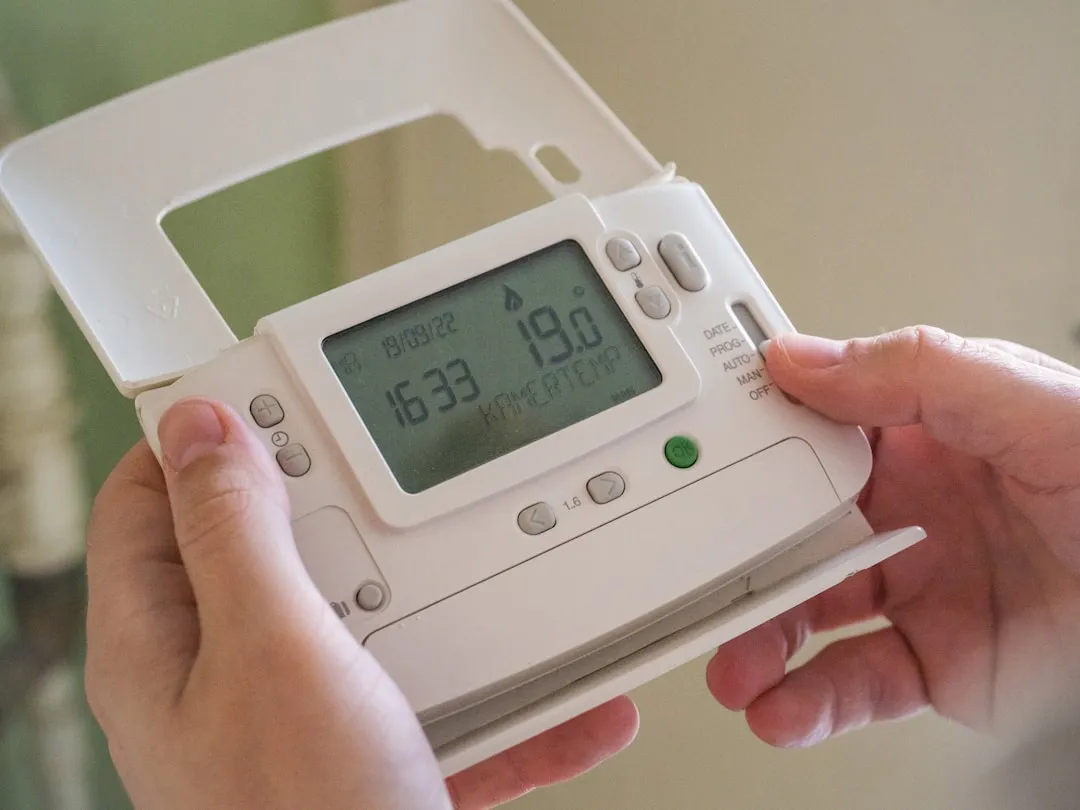
Fire safety is a critical aspect of home safety for seniors, and the U.S. Fire Administration notes that adults aged 65 and older are twice as likely to be killed or injured by fires. Smoke detectors should be installed in every bedroom, outside sleeping areas, and on every level of the home, while carbon monoxide detectors are equally important and should be placed near sleeping areas and in rooms with fuel-burning appliances.
Carbon monoxide is a colorless and odorless gas, making it especially dangerous for older adults who may be more vulnerable to its effects, so CO detectors should be placed near every sleeping area and in rooms that contain fuel-burning appliances like a furnace or gas dryer. Batteries should be replaced at least once a year, and detectors should be replaced every ten years to maintain their effectiveness.
Medication Storage and Management Risks

Aging at home comes with unique challenges and risks, from falls to medication errors. Safeguarding against medication errors and confusion means storing medications in their original packaging to reduce the risk of mix-ups. Many older adults accumulate prescriptions over the years, and the chances of confusion or accidental double dosing grow steadily.
Regularly reviewing and safely disposing of expired medications is a step most families skip entirely during a home visit. Automatic pill dispensers can ensure medications are taken correctly and on time, minimizing the risk of missed or incorrect doses. It’s a simple system, and it removes a genuine source of daily risk.
Stairways and Handrails That Have Seen Better Days
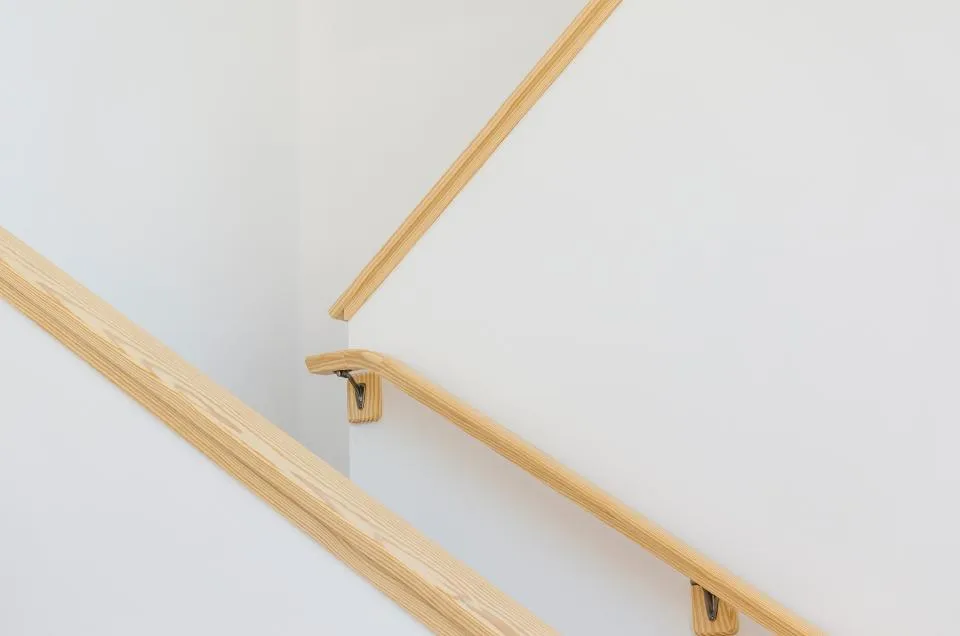
Stairs deserve a close look that goes beyond a quick glance. Handrails that wobble, steps with no visual contrast, and stairwells with poor lighting are all common findings in homes that haven’t been assessed. A home designed for able-bodied adults can become dangerous for seniors, and falls are the leading cause of fatal and nonfatal injuries among older adults, with the majority happening at home.
Ensuring bright lighting in hallways and on stairs and securing all rugs are among the highest-impact modifications for reducing fall risk and building confidence in daily movement. Both handrails on a staircase, rather than just one, make a measurable difference for someone whose balance has shifted over the years.
Kitchen Hazards That Are Easy to Miss
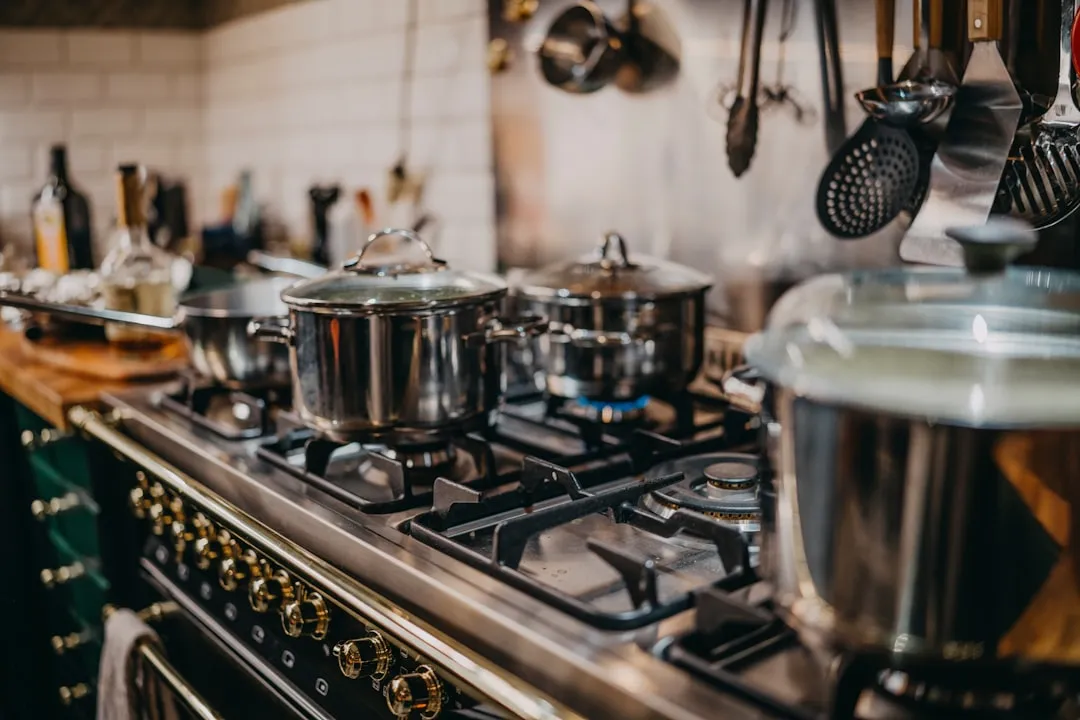
The kitchen is a place of nourishment and comfort, but it also contains sharp tools, hot surfaces, and heavy items. Storing frequently used items at waist level reduces the need to reach overhead or bend low, both of which are common ways that older adults lose balance and fall. The same applies to heavy pots stored on high shelves.
During cooking, avoiding loose clothing such as flowing sleeves prevents accidental contact with open flames or hot surfaces. Keeping all flammable materials away from heating equipment and ensuring heating systems are inspected and maintained regularly is vital to reduce fire risks, particularly during the colder months.
The Absence of a Medical Alert System or Emergency Plan
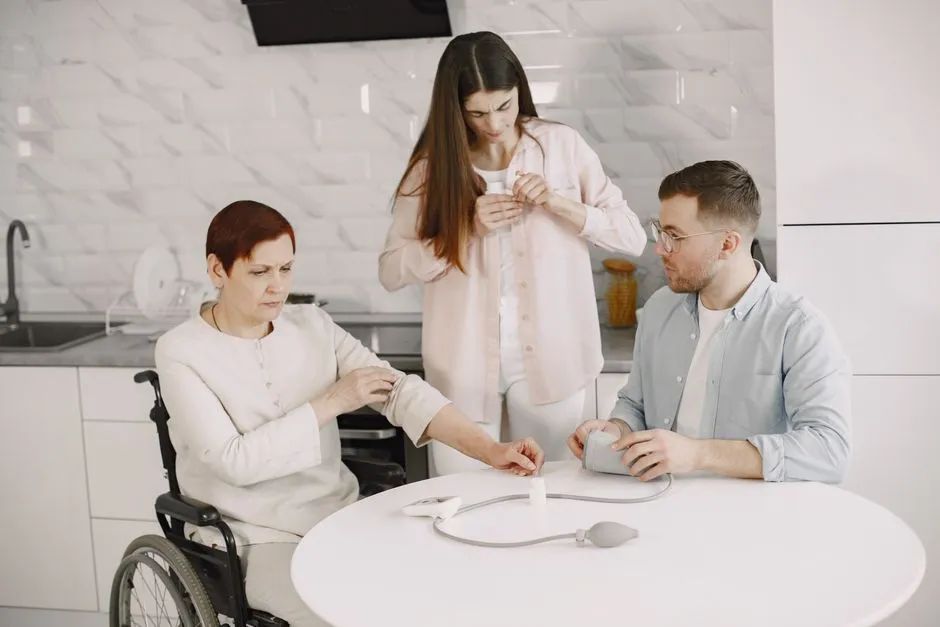
If an elderly parent falls or experiences a medical emergency while alone, they need a way to get help immediately. Without it, a manageable situation can quickly become life-threatening. Medical alert systems offer a direct line to emergency assistance with the press of a button, and many options include fall detection technology to automatically summon help when a fall is detected.
Writing key numbers like 911, poison control, and a trusted neighbor on a card posted near phones or on the refrigerator, paired with a list of medications and health conditions for first responders, is a practical and low-cost step. Medical preparedness also means keeping a well-stocked first aid kit accessible and ensuring emergency contact information is visible and easy to reach.
The Home Has Never Had a Professional Safety Assessment
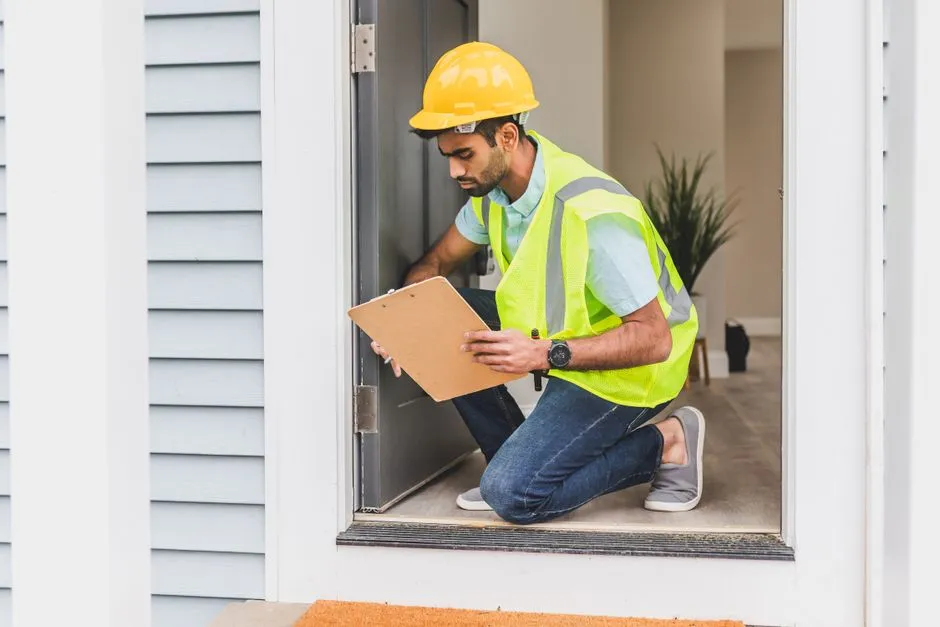
An occupational therapist can conduct a comprehensive home safety evaluation and provide a prioritized modification plan tailored to the person’s specific condition and home layout. Many local Area Agencies on Aging also offer home modification assistance programs for income-eligible older adults. This kind of professional walkthrough tends to catch things a family visit simply won’t.
A safe home is not a one-time project, but a daily practice that a professional caregiver can help maintain consistently. According to AARP’s 2024 Home and Community Preferences Survey, roughly three quarters of adults aged 50 and older want to remain in their current homes as they age, which makes the quality of that home environment more important than most families realize. A professional assessment turns good intentions into a plan.
What This Check Is Really About
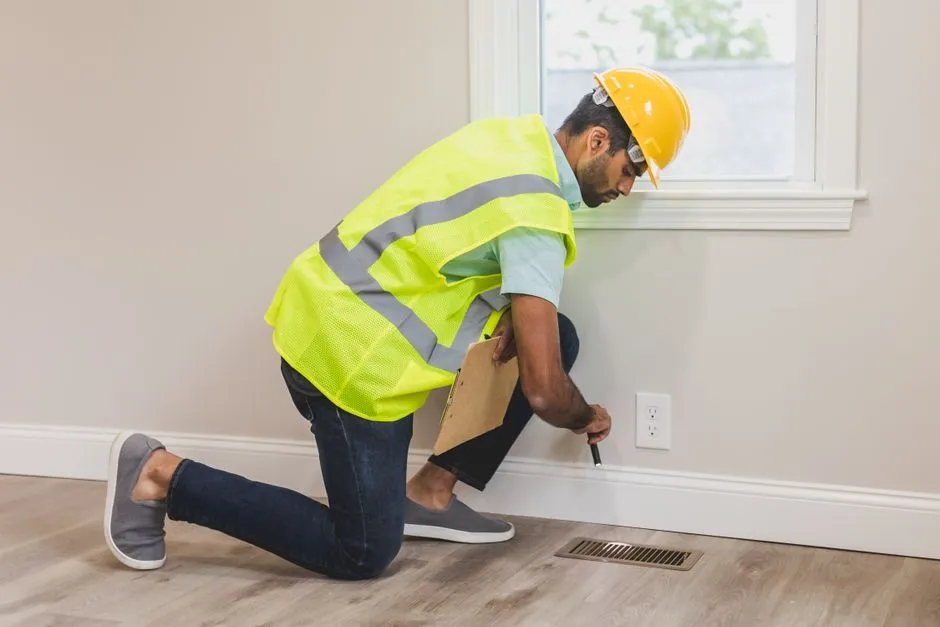
Walking through a parent’s home with fresh eyes isn’t a project to dread. It’s one of the more concrete ways to protect someone you care about. Many falls are preventable with proper home modifications, and a home safety assessment can identify hazards before they cause injury.
The costs of doing nothing are far higher than the time it takes to look. Many falls and the resulting injuries can be prevented by taking steps to eliminate or fix potential hazards in and around the home. The next visit to a parent’s house is as good a time as any to start looking with that in mind.
AI Disclaimer: This article was created with the assistance of AI tools and reviewed by a human editor.