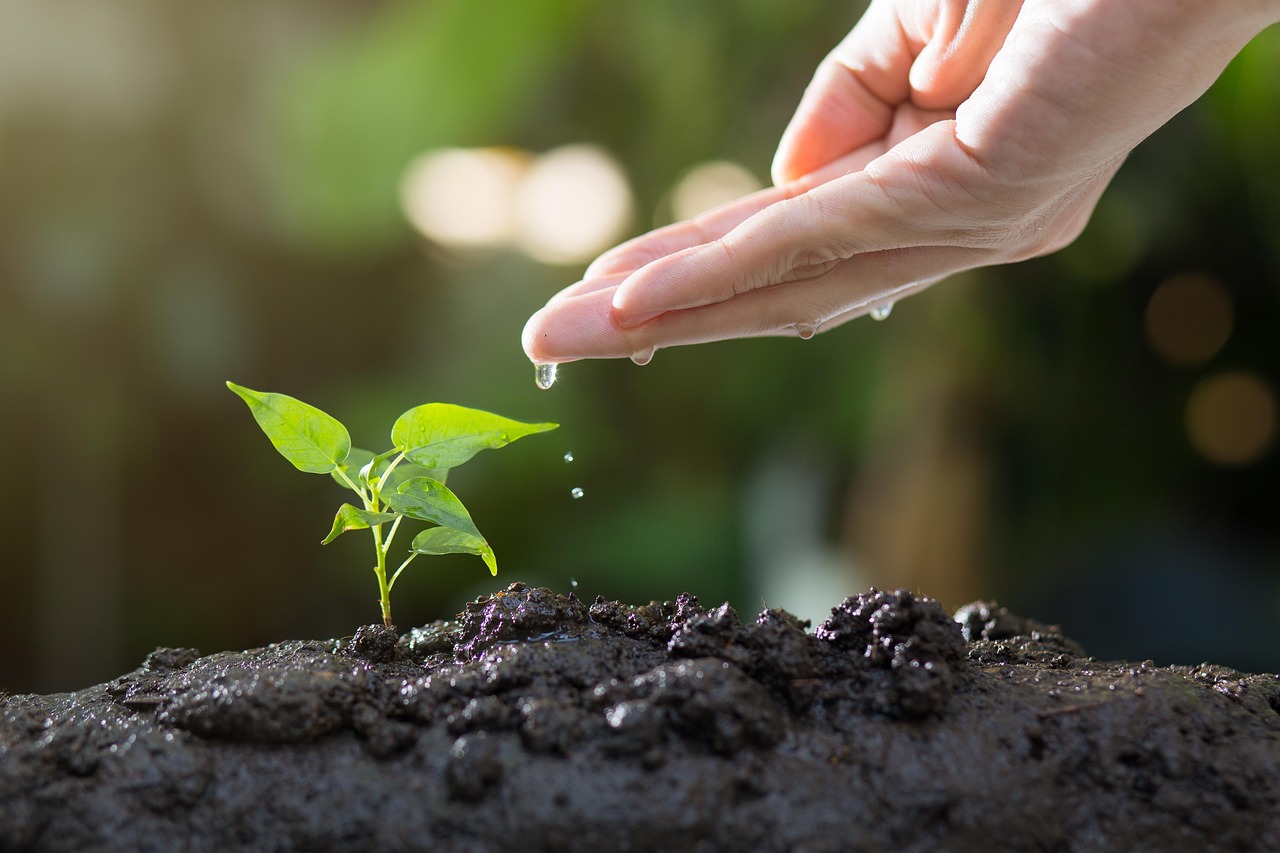

Companion Planting: The Trick That Started It All
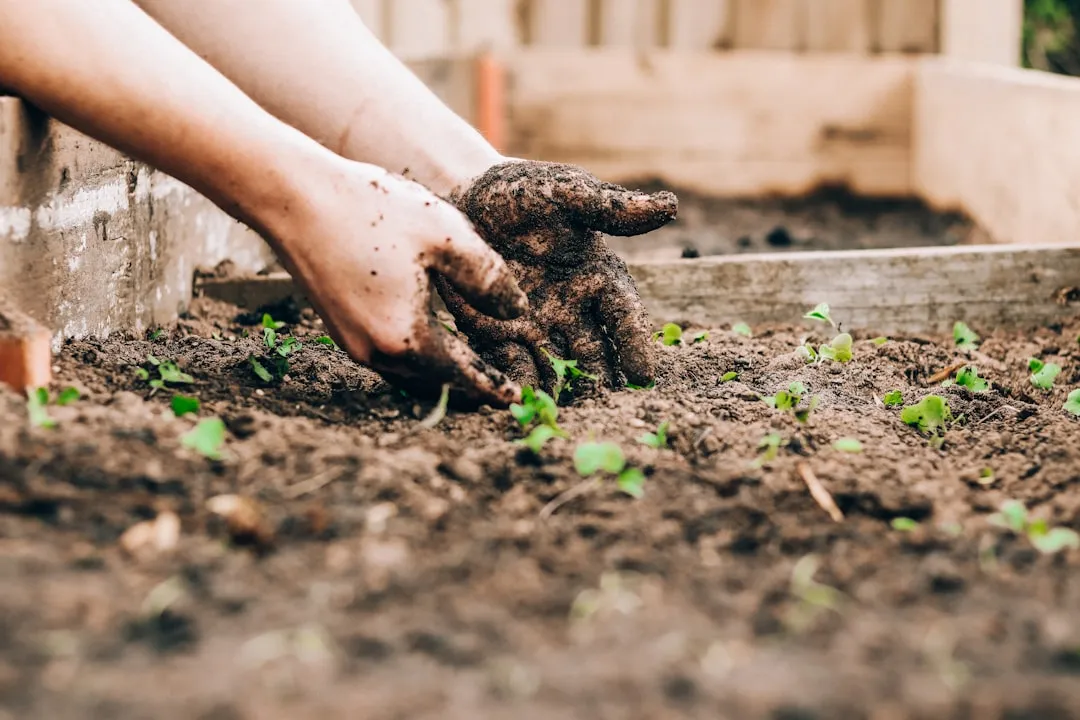
Companion planting, the practice of growing two or more plant species together for mutual benefit, is one of the oldest gardening techniques on record. The Indigenous Three Sisters system, combining corn, beans, and squash, is at least 1,000 years old and is one of the most actively researched approaches today. Grandfathers across cultures did it intuitively, placing certain plants near one another because the combination just seemed to work better.
The latest research on companion planting goes far beyond random recommendations or traditional lore. It reveals the need to look at gardens more holistically, as ecosystems where plants interact with each other. Plants actively affect each other through fungal associations, chemical messaging, and allelopathy, which is the ability of one plant’s chemistry to affect the growth and development of another.
University extension research has identified four mechanisms that explain why companion planting works when it works, each one supported by repeatable greenhouse and field studies. The gap between folklore and science, it turns out, was never about truth. It was about measurement.
Marigolds Against Root-Knot Nematodes
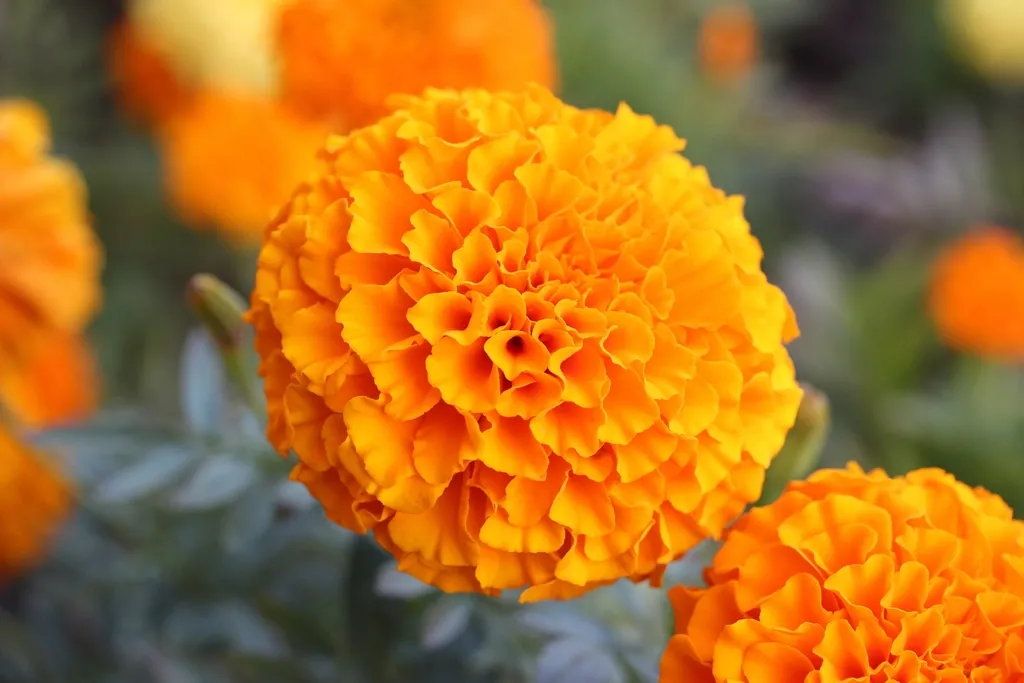
One of the most validated companion planting practices involves marigolds and soil-borne nematodes. French marigold roots produce alpha-terthienyl, a thiophene compound toxic to root-knot nematode larvae. Grandfathers planted them along borders and between rows, often without knowing exactly why it worked. They just knew the vegetables fared better when marigolds were nearby.
Marigolds are known to secrete a substance called thiophene, which has been proven to deter nematodes and other soil-borne pests. A study from the American Society for Horticultural Science confirmed that marigolds planted among vegetable crops reduced nematode damage by up to ninety percent. That is a striking figure, and it comes from controlled research, not garden gossip.
It’s worth noting, though, that marigolds are not a universal solution. Multiple controlled field studies, summarised by University of Minnesota Extension, show that marigolds do not reduce Colorado potato beetle damage on potatoes. Precision matters, and it’s always best to match the plant pairing to the specific problem you’re trying to solve.
Spreading Wood Ash on Beds

Many grandparents scattered wood ash from the fireplace over garden beds each spring, and neighbors thought it was a quirky old habit. Wood ash is actually an effective organic lime used in soil amendment of acidic soils, and fruit yield in garden eggs showed a linear increase with increasing rates of wood ash. The mechanism is real: wood ash raises soil pH and delivers potassium to plants that need it.
Potassium in wood ash accounts significantly for high fruit yield in vegetables like garden egg. A combined application of NPK fertilizer and wood ash also showed measurable improvement in vitamin C content in crop fruits. For gardeners growing on acidic soils, wood ash remains one of the simplest, lowest-cost amendments available.
Crushing Eggshells Into the Soil
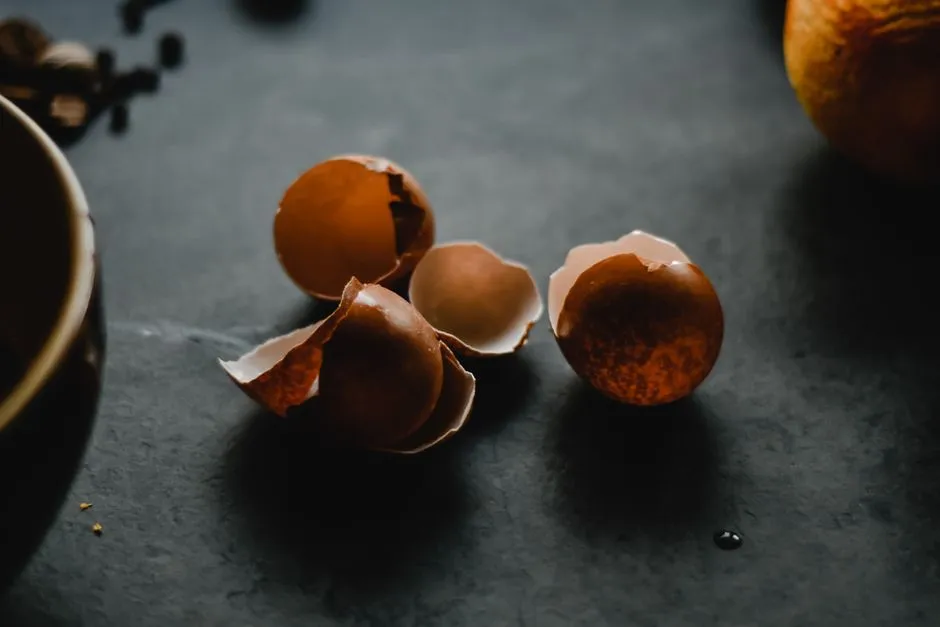
Using crushed eggshells to deter slugs works because calcium carbonate raises pH at the soil surface, disrupting the mucus production of slugs. Grandparents saved shells all winter, ground them by hand, and scattered them around tender seedlings each spring. It felt ritualistic. It was actually chemistry.
Research shows that organic fertilizer combining wood ash and eggshells significantly affected plant height in scallions, with plants treated with this combination being notably taller in growth measurements. A published study recorded that a treatment of seventy percent soil, fifteen percent wood ash, and fifteen percent eggshells significantly improved scallion height with a p-value below 0.01. The practical lesson: saving eggshells is genuinely worth doing.
Planting Basil Near Tomatoes
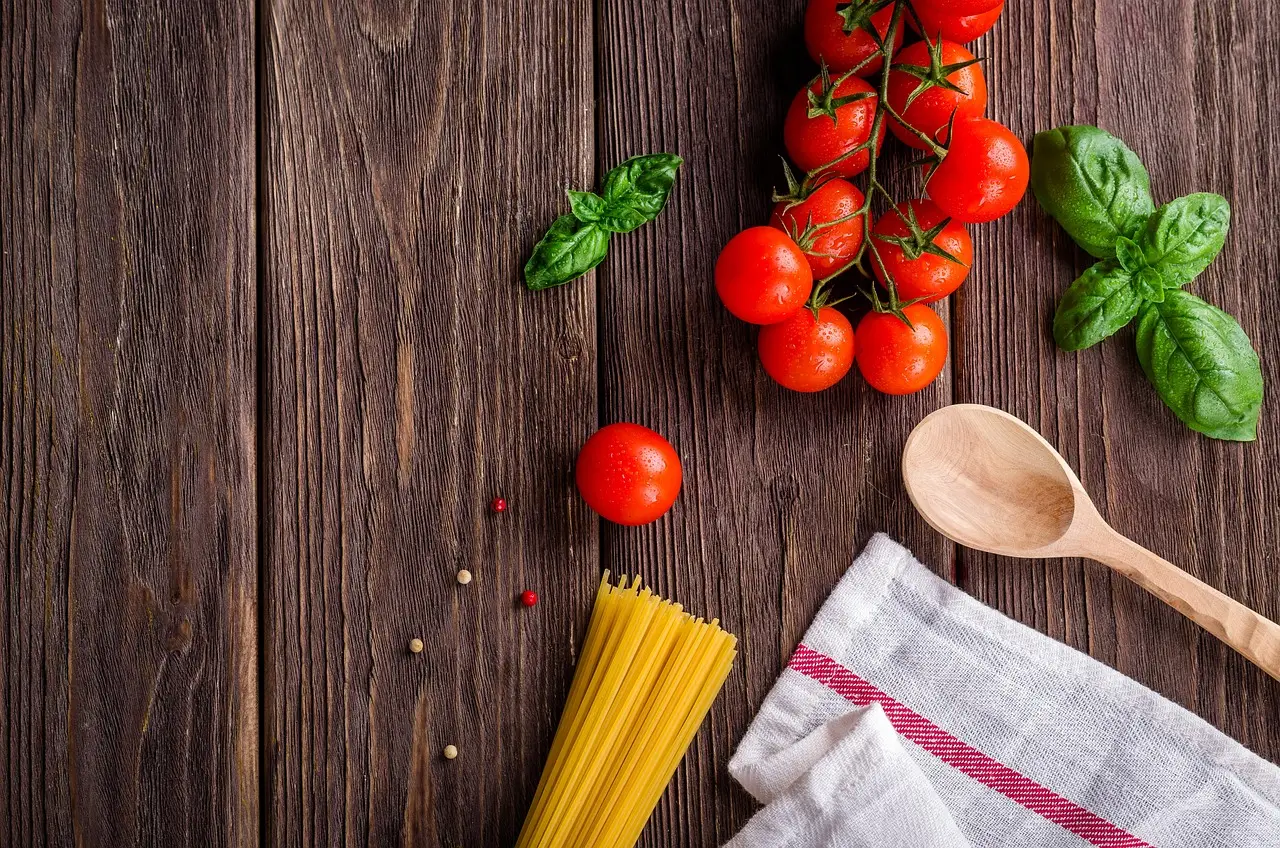
Planting basil near tomatoes to suppress Fusarium oxysporum was confirmed in 2021 University of Florida trials. This is perhaps the most famous of all the grandfather garden pairings, repeated across kitchen gardens on nearly every continent. The pairing was so common it became almost cliché, which made researchers skeptical for a long time.
Basil has also been shown to repel whiteflies, mosquitoes, and spider mites, enhancing the growth and health of nearby plants. The aromatic compounds released by basil foliage appear to create a kind of invisible shield around the plants closest to it. Interestingly, this effect is strongest when basil is growing actively, which is one reason harvesting it too aggressively early in the season can reduce the protection it offers neighboring tomatoes.
Mulching Generously and Often
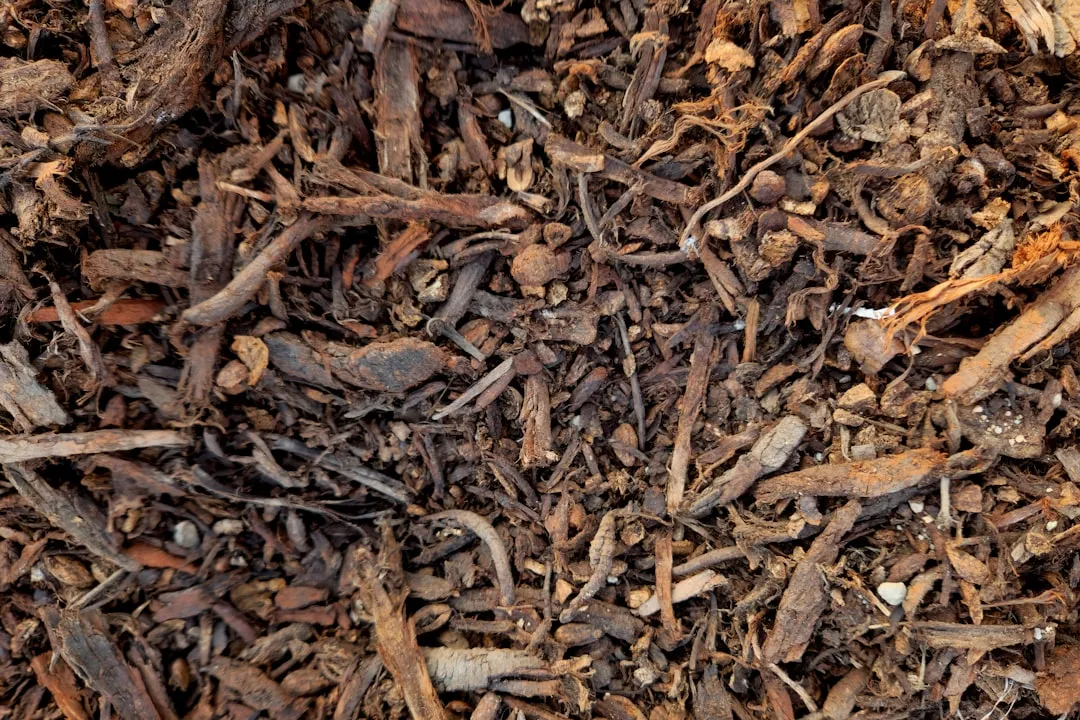
Grandparents mulched instinctively, piling straw, leaves, and grass clippings around the base of plants and along pathways between rows. Organic mulching is now recognized as a promising technique for sustainable weed control and soil management, as it enhances crop growth, soil quality, water retention, and erosion control. What felt like tidiness was actually sophisticated soil stewardship.
A 2024 study published in the journal Sustainability found that soil organic carbon levels increased significantly in soils treated with compost, cover crops, or chipped wood mulching, with compost-treated soils reaching 6.81 percent organic carbon compared to just 1.24 percent in untreated control plots. That is a dramatic difference, and it translates directly into better plant performance and healthier soil biology season after season.
Rotating Crops by Family
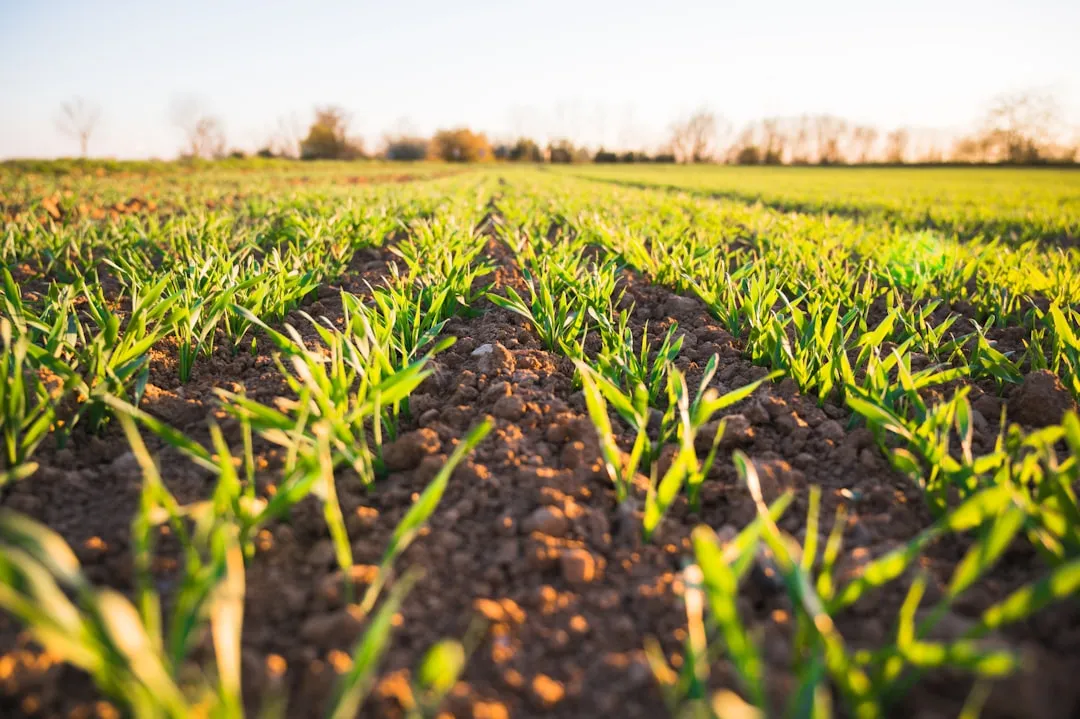
Rotating crops based on leaf, root, fruit, and flower families, rather than simply alternating tomatoes and corn, disrupts pest life cycles across botanical orders. The old method of moving vegetable families around the plot each year wasn’t about variety for its own sake. It was a form of biological pest management that predates chemical pesticides by centuries.
Crop rotation systems remain the clearest real-world evidence that polyculture outperforms monoculture for nutrient cycling and pest pressure. Modern horticulturists recommend rotating on a minimum four-year cycle to give soil biology time to recover and prevent the buildup of pathogens specific to any one plant family. Grandfather’s instinct to move the beans to where the brassicas were, and the brassicas to where the beans were, was ecologically sound.
Sowing by the Phenological Calendar
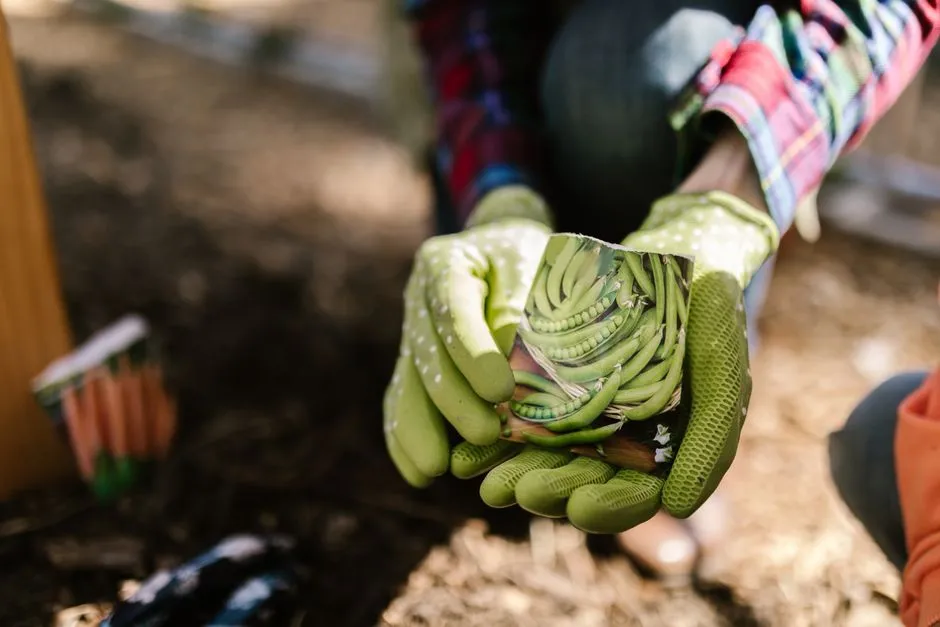
Precise phenological timing, such as sowing peas when daffodils bloom because soil is then consistently above 45°F or 7°C, reflects an observational accuracy that modern growers are rediscovering. Grandparents did not own soil thermometers. They used the garden itself as a reading device, watching which perennials emerged and connecting those events to planting decisions.
This approach is now actively studied as a tool for adapting to climate variability. Phenological indicators, which are the bloom dates and emergence times of specific plants, shift with temperature in ways that correlate more reliably with soil readiness than fixed calendar dates do. For home growers especially, this old trick remains a genuinely useful guide.
Using Flowering Plants to Attract Predatory Insects
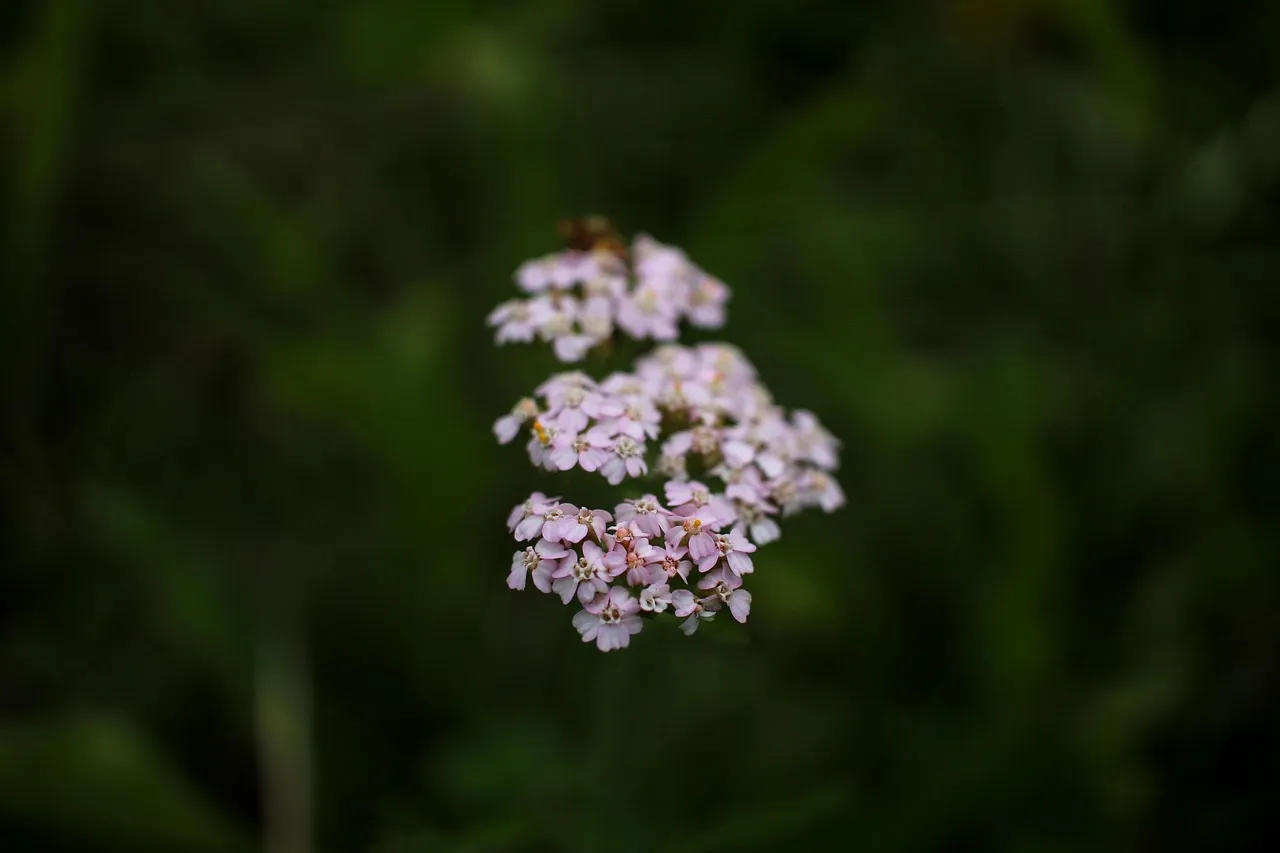
University of New Hampshire research from 2023 identified sweet alyssum as the most effective hoverfly attractant tested, with the longest bloom period and highest syrphid retention. Grandfathers planted flowers through the vegetable garden partly for beauty, partly for bees, and partly because they’d noticed the vegetables simply did better when flowers were mixed in. That last reason was the most important.
The USDA Agricultural Research Service reported alyssum so effective at aphid control in organic lettuce that it can be planted on up to ten percent of bed area as a dedicated insectary strip. A 2024 peer-reviewed study found that intercropping sweet alyssum and coriander in broad-bean rows improved the predator-to-pest ratio and increased hoverfly egg and larval populations. Deliberately mixing flowers into the vegetable plot is no longer considered merely decorative.
Researchers have also determined that crops surrounded by other plants are more camouflaged from pests compared to crops surrounded by bare soil. Visual disruption, it turns out, is a real factor in pest pressure, and a mixed planting offers it for free.
Mulching with Comfrey Leaves
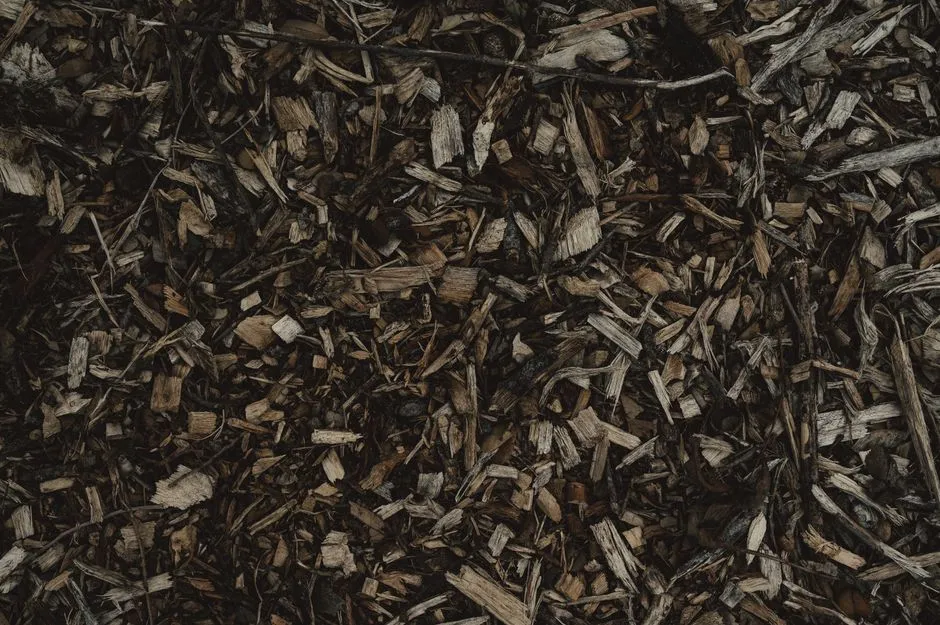
Mulching with comfrey leaves provides potassium-rich, slow-release nutrition to the surrounding soil. Many old gardeners kept a patch of comfrey growing at the edge of the plot specifically for this purpose, cutting it back repeatedly through the season and laying the leaves as mulch around heavy feeders like tomatoes, squash, and courgettes. It was considered almost a secret among serious kitchen gardeners.
Comfrey’s deep taproot mines subsoil minerals, concentrating them in leaves that decompose quickly and release nutrients at a rate plants can use. Horticulturists now describe it as a dynamic accumulator, a plant that concentrates specific minerals at levels higher than surrounding soil. Growing a dedicated comfrey patch is still one of the simplest ways to improve potassium availability without buying bagged amendments.
The Takeaway

What makes these old garden tricks worth revisiting is not nostalgia. It’s that they represent generations of careful observation compressed into simple practices that genuinely work. Ancient and traditional gardening methods tend to be more sustainable, less energy-intensive, and far healthier for the soil and ecosystems. That’s not sentiment. That’s what the research keeps confirming.
Some of these practices have limits, and a handful of popular folklore pairings have failed under controlled testing. In the end, some companion plantings work, not as often as some would have you believe, but not as infrequently as some skeptics imply. The honest approach is to apply the ones with solid evidence, test new ideas with an open mind, and treat the garden as the living system that grandfathers always knew it was.
AI Disclaimer: This article was created with the assistance of AI tools and reviewed by a human editor.