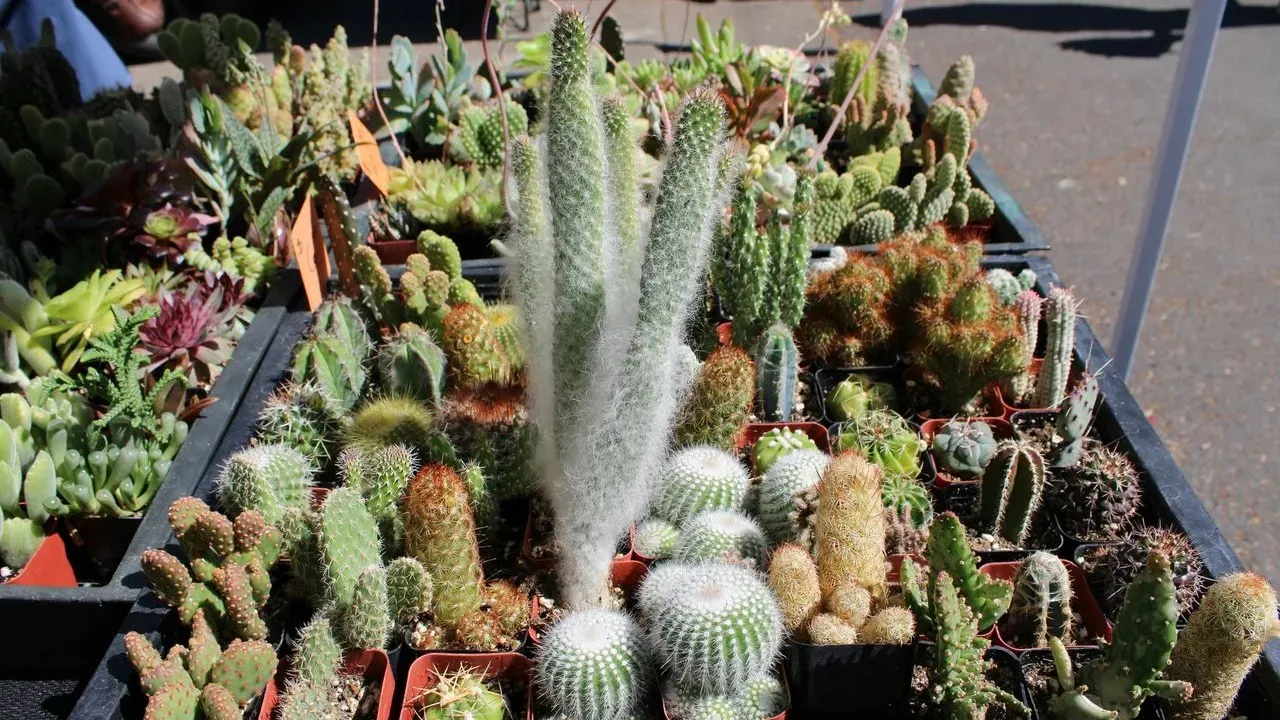

Many gardeners still picture succulents as delicate houseplants that brighten a sunny windowsill or a living-room shelf. Yet these resilient desert natives can move outside and become reliable performers in the landscape, provided the conditions match their needs. Their low-maintenance nature and ability to conserve water make them especially appealing as outdoor additions. The shift from indoor accent to garden staple opens new possibilities for creating textured, drought-tolerant displays that last through the seasons.
Why Succulents Surprise Gardeners Outdoors
People often assume succulents require the controlled environment of a home, but many species adapt readily to outdoor beds, borders, and containers when temperatures and drainage align with their preferences. This realization changes how gardeners approach plant selection, especially in regions where water restrictions or dry spells are common. The plants store moisture in their leaves and stems, allowing them to endure periods of neglect that would stress more traditional garden flowers. ([1])
Once established, succulents reduce the need for frequent irrigation, which appeals to anyone looking to lower maintenance while still enjoying visual interest. Their varied shapes, from rosettes to trailing forms, add architectural elements that contrast nicely with softer perennials or grasses. The result is a garden that feels both modern and practical without demanding constant attention.
Matching Plants to Local Conditions
Success outdoors begins with understanding regional climate patterns, particularly through recognized systems that indicate winter hardiness. Gardeners who identify their zone can choose varieties that survive local temperature swings rather than treating every succulent as a temporary summer resident. This step prevents disappointment and encourages longer-term plantings that return year after year.
Soil preparation plays an equally important role. Well-draining mixes prevent the root rot that occurs when water lingers around the base of the plants. Raised beds or amended native soil often provide the quick drainage these species prefer, turning an ordinary patch of ground into a suitable home for desert-adapted foliage.
Designing Eye-Catching Outdoor Displays
Arrangements that combine different succulent forms create dynamic focal points in the garden. Taller varieties can serve as vertical accents while low-growing types fill gaps and soften edges. Color contrasts, from silvery blues to deep purples and bright greens, add depth that changes subtly with the light throughout the day.
Grouping plants with similar water and light requirements simplifies care and produces cohesive looks. Containers offer flexibility for patios or entryways, while in-ground plantings integrate succulents into larger landscapes. Either approach highlights the plants’ sculptural qualities without overwhelming the surrounding design.
Practical Benefits That Extend Beyond Looks
Water-wise gardening has become a priority for many households, and succulents deliver measurable savings once they settle in. Their ability to store moisture means fewer supplemental waterings compared with thirstier ornamentals, which matters during dry summers or in areas with conservation rules. The reduced upkeep also frees time for other garden projects or simply enjoying the space.
These plants further support biodiversity by attracting pollinators when they bloom, adding another layer of interest to the outdoor environment. Their durability under challenging conditions makes them reliable choices for new gardeners or those managing larger properties with limited resources.
Key takeaway: Succulents move from indoor curiosity to outdoor asset when climate, drainage, and thoughtful placement come together.
The shift invites gardeners to reconsider familiar plants and experiment with arrangements that reward patience with lasting beauty and lower demands. Over time, these choices contribute to landscapes that feel both distinctive and sustainable.
AI Disclaimer: This article was created with the assistance of AI tools and reviewed by a human editor.