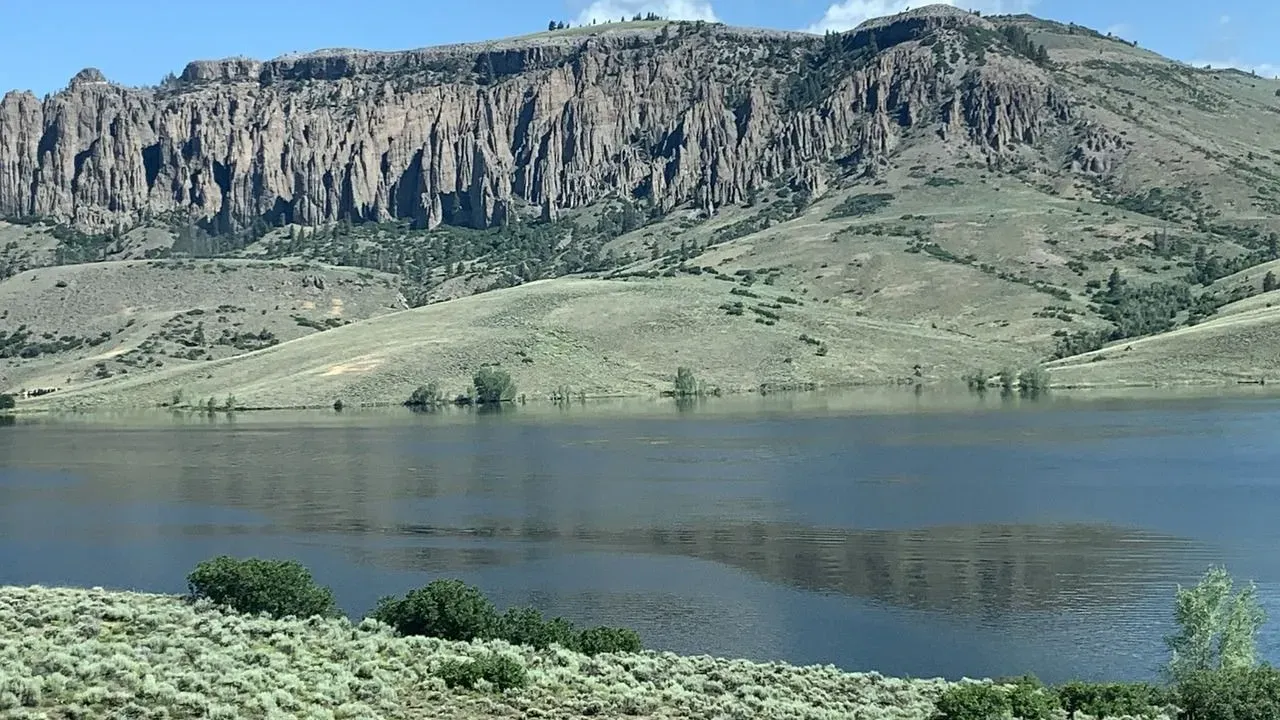

A recent decision by the Trump administration has altered federal protections under the Endangered Species Act in ways that could leave the Gunnison sage-grouse without the safeguards that have long supported its survival. The change marks a departure from decades of policy that treated the bird as a species requiring active conservation measures. Observers note that the same approach, if applied in 1973 when the landmark law was signed, would likely have allowed the species to disappear entirely. ([1])
Why the Timing Matters for Western Habitats
The Gunnison sage-grouse occupies a narrow range in the sagebrush ecosystems of the American West. Its population has already declined sharply over the past several decades due to habitat loss and fragmentation. The new policy framework reduces the level of federal oversight that previously guided land-use decisions in those areas. Without those constraints, development and other activities face fewer automatic reviews tied to the bird’s status. This adjustment arrives at a moment when multiple western states continue to balance energy production, agriculture, and residential growth against the needs of native wildlife. Land managers and local governments now operate under revised expectations about how species protections will factor into permitting processes. The practical effect is a narrower set of circumstances in which federal agencies must intervene to prevent further harm to the bird’s remaining strongholds.
Connection to the 1973 Endangered Species Act
Congress passed the Endangered Species Act during the Nixon administration with broad bipartisan support. The statute established a process for identifying species at risk and required federal agencies to avoid actions that would jeopardize their continued existence. For the Gunnison sage-grouse, that framework translated into coordinated efforts across multiple agencies to limit habitat disturbance and support recovery planning. The current administration’s action effectively narrows the scope of those obligations for this particular species. Where earlier interpretations treated the bird as deserving the full suite of protections, the updated approach limits the circumstances under which those protections apply. The result is a regulatory environment closer to the one that existed before the 1973 law took effect.
Stakeholders and Practical Outcomes
Ranchers, energy developers, and county officials in affected regions gain greater flexibility in project planning. They no longer face the same degree of mandatory consultation when proposed activities overlap with known sage-grouse habitat. Conservation organizations and state wildlife agencies, by contrast, lose a key federal lever for influencing land-management decisions. The bird itself faces an increased likelihood that incremental habitat losses will continue without coordinated federal pushback. Population monitoring will still occur, yet the absence of stronger regulatory triggers reduces the tools available to reverse downward trends. Local economies tied to both resource extraction and outdoor recreation now operate under a different set of expectations about long-term habitat availability.
Looking Ahead for Species Recovery Efforts
Recovery of the Gunnison sage-grouse has always depended on sustained attention to habitat quality across public and private lands. The policy shift does not eliminate all conservation work, but it removes one layer of federal authority that previously shaped those efforts. Future outcomes will hinge on voluntary measures, state-level initiatives, and the willingness of landowners to participate in habitat improvement programs. The episode underscores how regulatory interpretations can alter the trajectory of a species even when the underlying statute remains unchanged. For the Gunnison sage-grouse, the coming years will test whether alternative approaches can achieve the stability that earlier protections were designed to secure.
AI Disclaimer: This article was created with the assistance of AI tools and reviewed by a human editor.