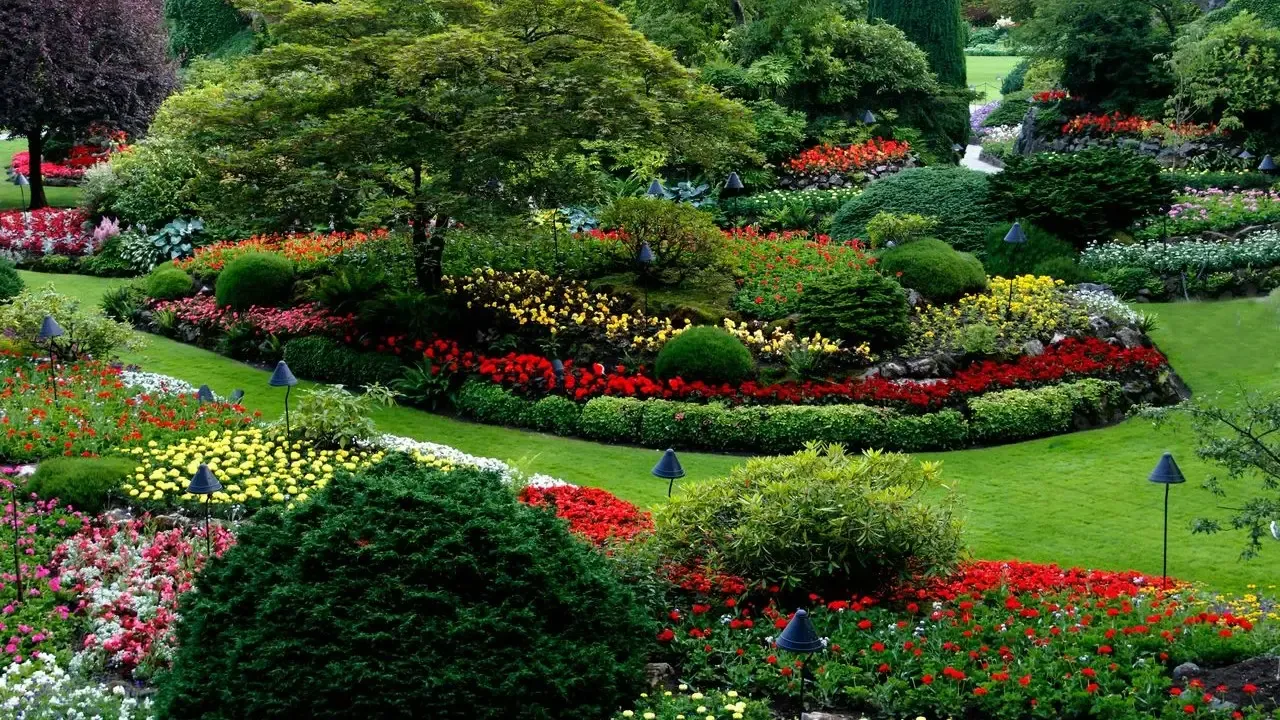

Homeowners facing large properties frequently describe the task of landscaping as daunting, with open spaces that seem to stretch without end. A measured approach that divides the work into distinct zones and links them with intention can turn that sense of scale into a series of achievable steps. This method keeps momentum steady while ensuring the finished landscape feels unified rather than fragmented. ([1])
The Scale of the Challenge
Expansive yards present practical hurdles that smaller gardens rarely encounter. Drainage patterns, sun exposure, and soil conditions can vary sharply across a single site, requiring careful observation before any planting begins. Owners often discover that attempting to address every corner at once leads to scattered efforts and inconsistent results. Dividing the property into logical sections allows each area to receive focused attention. This segmentation reveals how different zones interact with the house, existing trees, and neighboring views. The process also highlights opportunities to create distinct outdoor rooms that serve separate purposes, from quiet seating areas to more active gathering spaces.
Embracing a Phased Strategy
A phased plan begins with an overall vision that identifies priorities and sequences the work. Early phases typically target the areas closest to the house or those with the greatest functional need, such as entry paths or privacy screens. Later phases build outward, incorporating lessons from the completed sections. This sequence reduces financial pressure by spreading costs and labor over multiple seasons. It also permits adjustments as plants mature and daily use patterns become clearer. Property owners report greater satisfaction when they can enjoy usable outdoor space early in the project rather than waiting for a single grand reveal.
Linking Areas for Cohesion
Thoughtful connections between zones prevent the landscape from feeling like a collection of unrelated patches. Paths, sight lines, and repeated plant groupings or materials create visual threads that tie the property together. These links also improve circulation, making it natural to move from one area to another without abrupt transitions. Designers often use simple devices such as matching edging, consistent paving, or recurring tree species to achieve this unity. The result is a landscape that reads as a single composition even though it was installed in stages. Over time, these connections support wildlife corridors and seasonal interest that extend across the entire site.
Practical Outcomes for Property Owners
The zone-by-zone method delivers measurable benefits beyond aesthetics. Maintenance becomes more manageable when each section is designed with its own care requirements in mind. Irrigation and lighting systems can be installed incrementally, matching the pace of development. – Reduced initial disruption to daily routines – Opportunity to test plant choices before committing to larger plantings – Clear milestones that maintain motivation throughout the project – Flexibility to respond to changing family needs or budget realities These advantages accumulate into a landscape that functions well from the first completed zone onward. The approach ultimately demonstrates that large properties do not require a single overwhelming effort. Instead, consistent attention to individual areas and their relationships produces a cohesive, functional result that evolves naturally with the seasons and the household.
AI Disclaimer: This article was created with the assistance of AI tools and reviewed by a human editor.