

The Scale of the Problem Is Already Too Large

Before any maintenance rule can work, the starting conditions have to be right. A typical American household contains around 300,000 items, according to a UCLA study. That’s not a number any simple swap system was designed to handle. One in, one out assumes the baseline is already balanced, but for most households, it isn’t even close.
A 2025 YouGov survey reports that roughly two in five U.S. adults live in environments they describe as cluttered. Starting a maintenance rule on top of that foundation is like mopping a flooded room without first turning off the tap. The rule preserves volume rather than reducing it, which is exactly the wrong starting point for the majority of homes.
Impulse Buying Quietly Breaks the Math

In 2024, U.S. consumers spent an average of nearly $282 per month on impulse purchases, totaling over $3,300 per year in unplanned spending, with nearly nine out of ten shoppers reporting at least one impulse buy in the past month. Each of those purchases is a new item entering the home. Very few of them trigger a corresponding removal.
Studies reveal that emotional states frequently trigger unnecessary buying, with more than four out of five people making comfort purchases when feeling stressed, sad, or bored. The one in, one out rule demands a conscious, deliberate pause that emotional buying actively bypasses. The item enters. The old one stays put.
The Rule Was Designed for Maintenance, Not Recovery

The one in, one out rule works best after a space has already been thoroughly decluttered and organized. It’s not meant to do the heavy lifting. This is a critical detail that most people skip over when they adopt the rule enthusiastically in January and wonder why nothing changes by March.
While the one in, one out rule is useful for making conscious purchases and avoiding overconsumption, it is far less effective if the actual goal is to declutter and make a meaningful difference to living space. Treating it as a decluttering strategy rather than a maintenance one sets people up for disappointment almost immediately.
Gifts and “Free” Items Don’t Count in Anyone’s Mind

One of the quietest ways the rule collapses is through items that don’t feel like purchases. Gifts, hand-me-downs, freebies from events, things borrowed that never left. None of these trigger the “one in” mental alarm because no money changed hands. Yet they stack up just as physically as anything bought at full price.
A full eighty percent of things people hold onto are never actually used again. A large portion of those items arrived not through deliberate shopping but through the ordinary accumulation of social life. The rule has no built-in mechanism for this category, and most people never think to apply it retroactively.
Clutter Already Costs Real Time and Money
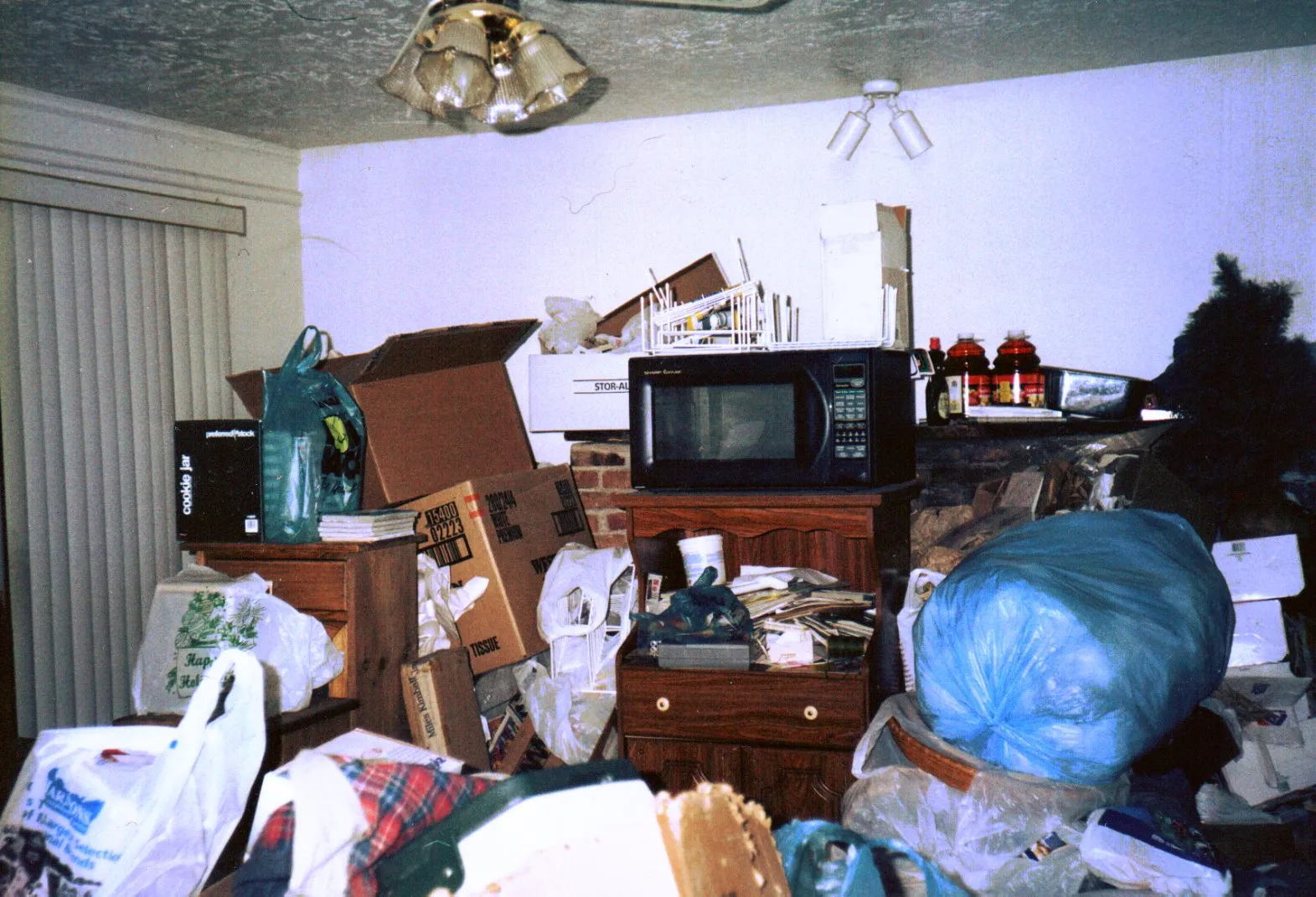
The average American burns about two and a half days a year hunting for misplaced items, and lost belongings cost U.S. households billions of dollars in replacements. This is the unseen tax of an already overloaded home, and a one in, one out rule that isn’t being followed consistently does nothing to reduce it.
Americans spend nearly three billion dollars annually replacing misplaced items, with most people spending up to fifty dollars per year just on replacements alone. Meanwhile, roughly eleven percent of American households are renting self-storage units, supporting a forty-four billion dollar industry. These numbers reflect a consumption pattern that no simple swap rule is equipped to reverse.
The Psychological Weight of Letting Go
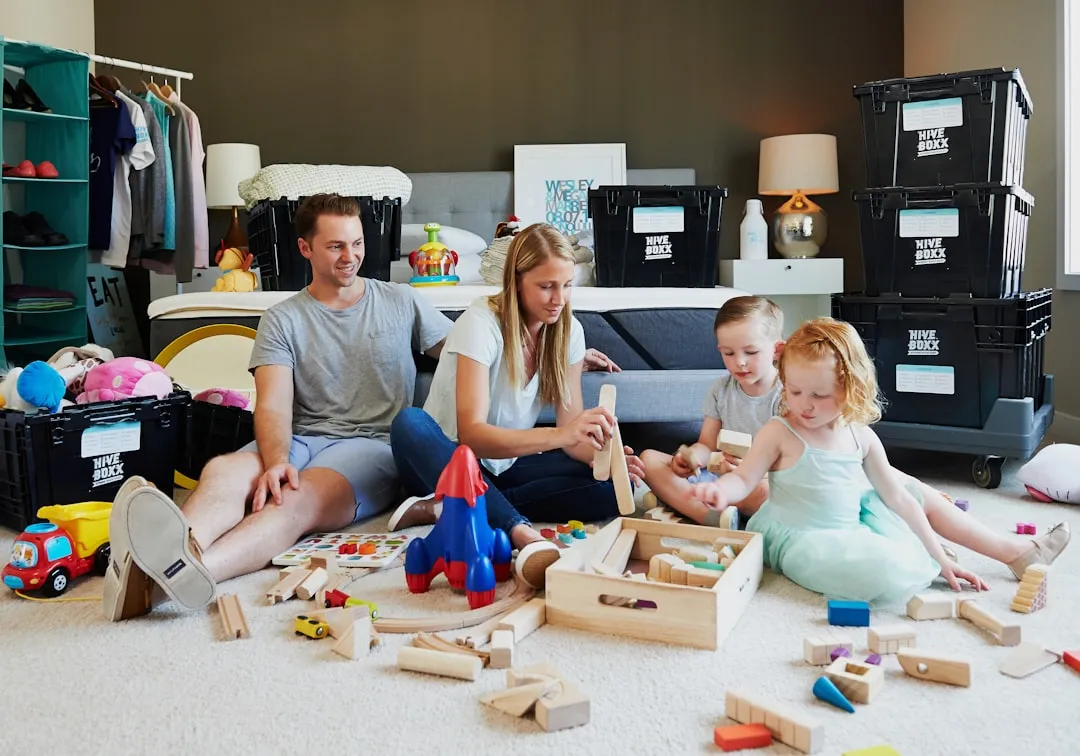
A 2024 study from Princeton University’s Environmental Psychology lab found that decision paralysis over ambiguous items was the primary cause of incomplete decluttering in more than six out of ten observed household sessions. Deciding what to remove is genuinely hard. People overestimate the future usefulness of objects they own, a well-documented cognitive tendency known as the endowment effect.
Acquiring items creates a bubble of security tied to our evolutionary need to harbor resources for survival. Releasing things runs directly against that instinct. So even when someone commits to removing one item per new purchase, the items they choose to release tend to be easy ones: broken things, obvious duplicates. The meaningful clutter barely moves.
Social Media Is Feeding the Intake Side Faster Than Any Rule Can Keep Up

Platforms like Instagram and TikTok have redefined marketing strategies, with influencers showcasing products to millions of followers, creating a sense of fear of missing out. A 2021 report from GlobalWebIndex indicated that over half of consumers use social media to research products, amplifying the likelihood of impulse purchases due to relentless marketing.
Modern consumer behavior is shaped by a perfect storm of cognitive biases and emotional cues, and as of 2025, these psychological influences have become increasingly sophisticated. The one in, one out rule was conceived in a world with far fewer purchasing triggers. Scroll through a social feed for twenty minutes today and count how many items are being quietly sold to you. The rule was not built for that environment.
Multi-Person Households Make Consistent Application Nearly Impossible

A single person determined to follow this rule has a reasonable chance. Two adults, a couple of kids, and the occasional visiting relative? The math gets chaotic fast. Every member of the household makes independent purchasing decisions, and coordinating a mutual commitment to removing one item per arrival requires a level of household alignment that most families simply don’t have in practice.
About twelve percent of Americans admit that whenever they have guests, they worry about how cluttered their homes look. That anxiety points to something real: most households are already operating beyond a comfortable volume of belongings, and no single rule applied by one motivated adult is likely to change the collective trajectory of the whole home.
Garages, Junk Drawers, and “Temporary” Zones Swallow Everything

In a survey of over 2,000 people, eighty percent admitted they have a cleaning black hole in their house, a space that is never clean and functions as a dumping ground for items they don’t want to deal with immediately. These zones are where the one in, one out rule goes to quietly die. Items arrive and get placed “just for now.” They stay forever.
About a quarter of homeowners with two-car garages can’t actually fit a car inside of them, while roughly a third can only fit one, according to U.S. Department of Energy data. The garage has become America’s unofficial overflow zone, and the rule provides no framework for what to do with spaces that were already lost before the rule was ever adopted.
The Alternative: Going Beyond One for One

Professional organizer Ben Soreff notes that the “one in, two out” method works well as a philosophy when the actual goal is to cut down on volume and clutter. Moving beyond a pure one-to-one exchange is increasingly what organizers recommend for households that are already carrying too much. Maintaining the status quo isn’t progress for most families; it’s just slower accumulation.
While the one in, one out approach is familiar, the 1-in-10-out rule takes things further and is described by some organizers as a refreshingly simple minimalist approach to genuinely managing clutter. It sounds extreme, but for households starting from a point of significant overload, extreme is sometimes exactly what the math requires. Any rule that merely holds the line is working against households that were already behind when they started.
Final Thoughts

The one in, one out rule isn’t a bad idea. It’s just a tool that most people pick up at the wrong moment, apply to the wrong problem, and then quietly abandon when it doesn’t produce visible results. It works beautifully as a maintenance habit, but most households don’t need maintenance. They need a meaningful reduction first.
Real progress comes from understanding where you actually stand before choosing a strategy. More than half of Americans feel overwhelmed by the amount of clutter they have, yet the vast majority have no clear idea what to do with it. That gap between feeling the problem and knowing how to address it is where better, more honest strategies belong. The simple swap rule deserves credit for what it is. What it isn’t, for most families, is enough.
AI Disclaimer: This article was created with the assistance of AI tools and reviewed by a human editor.