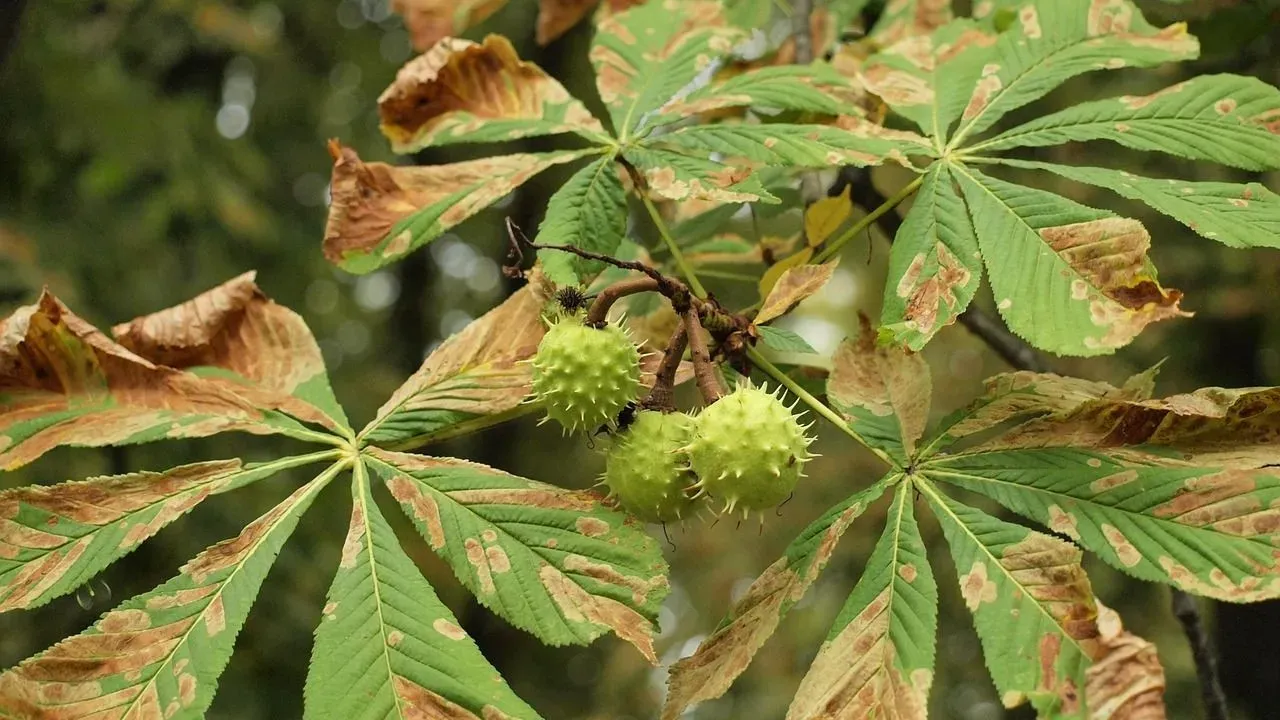

Horse chestnut trees drop their distinctive seeds each autumn, offering families a free resource that blends outdoor exploration with hands-on learning. These shiny brown conkers have a documented history that extends beyond simple play, including their collection by British children during the First World War for industrial use. The activity remains popular today because it requires little more than a walk in the park and basic household items. ([1])
A Wartime Past and Lingering Myths
During the First World War, authorities encouraged children to gather conkers so the starch they contain could be converted into acetone for cordite production. That practical role has faded, yet the seeds continue to appear in seasonal traditions across Britain and beyond. One persistent belief holds that conkers repel spiders when placed around homes, though no rigorous scientific evidence has confirmed the effect.
The horse chestnut itself arrived in Britain only in the late sixteenth century from the Balkans, making it a relative newcomer among native trees. An official World Conker Championships still draws competitors each October in Northamptonshire, showing how the seeds sustain organized events long after their wartime utility ended. These details add layers of context to what many treat as a simple autumn pastime.
Finding and Selecting the Best Specimens
Horse chestnut trees grow in many parks, woodlands, and streets, so locating them often begins with spotting their large, hand-shaped leaves. Early autumn marks the prime window, when spiky green cases split and release the seeds onto the ground below. Collectors look for firm, glossy conkers without cracks or holes, as these hold up better for later use.
A short family walk turns into a purposeful search once the right trees are identified. Damaged or hollow specimens tend to perform poorly in both crafts and games, so a quick visual check helps narrow the haul. The process encourages observation of seasonal changes without any cost or special equipment.
Turning Seeds into Characters
Conker creatures require only the seeds themselves plus simple additions such as wooden sticks, paint, and optional googly eyes. Adults typically handle the drilling of small holes with a blunt needle or cocktail stick, after which children can assemble bodies, legs, and faces. Threading string through a conker creates longer forms like caterpillars or snakes.
The open-ended nature of the craft lets imagination guide the outcome rather than any fixed pattern. Pipe cleaners or markers add further detail, while the natural variation in seed size and shape influences each result. Sessions usually last twenty to thirty minutes once the materials are gathered.
The Traditional Game and Its Enduring Appeal
Players thread a conker onto string and take turns striking an opponent’s seed. A firm, evenly shaped conker tends to last longer, and one simple test involves dropping it in water – floaters are often damaged inside. Rules cover tangled strings, missed swings, and scoring, where a victorious conker gains points based on previous wins.
Safety reminders focus on keeping strings short and swings controlled to avoid injury. The game has existed in Britain for more than two centuries and requires no purchased equipment beyond the seeds and string. Its straightforward structure makes it accessible across age groups with minimal setup.
Hands-On Science Lessons Hidden in Plain Sight
Conkers support several basic experiments that illustrate real-world principles. The floating test demonstrates buoyancy and density when some seeds sink and others rise. Planting a conker in soil and observing it over winter shows the seed-to-tree cycle, though visible growth may take months.
Chopping a conker and shaking the pieces in warm water produces mild foam due to natural saponins, offering a glimpse of plant chemistry. Each activity carries practical limits: results vary with seed condition, and the spider-repellent claim remains unproven. These exercises work best when framed as observations rather than guaranteed outcomes.
Conkers illustrate how ordinary seasonal finds can connect outdoor time with history, creativity, and basic science. Families who collect them each year gain a low-cost tradition that adapts easily to different ages and settings. The seeds themselves eventually dry and shrink, reinforcing the cycle that brings fresh ones the following autumn.
AI Disclaimer: This article was created with the assistance of AI tools and reviewed by a human editor.