

Pull up to a quiet gravel road in rural Montana and the driver coming the other way will likely lift two fingers off the wheel before you’ve even registered they exist. Do that same gesture on a six-lane avenue in downtown Chicago and people will wonder if you’ve lost your mind. The gap between those two moments is wide, and the reasons behind it run deeper than simple friendliness or unfriendliness.
Waving between strangers is one of those small social rituals that reveal a lot about a place. It tells you something about how people relate to space, to community, to risk, and to each other. What follows is a look at why the waving culture flourishes in some streets and quietly disappears in others.
Population Density Changes Everything
If there’s any reason why people wave at strangers in the country and not in the city, it’s because it is simply possible. The human figure stands out against a rural landscape, and that visibility demands recognition. When you’re on a road where you might pass a single vehicle every fifteen minutes, acknowledging it feels natural, almost necessary.
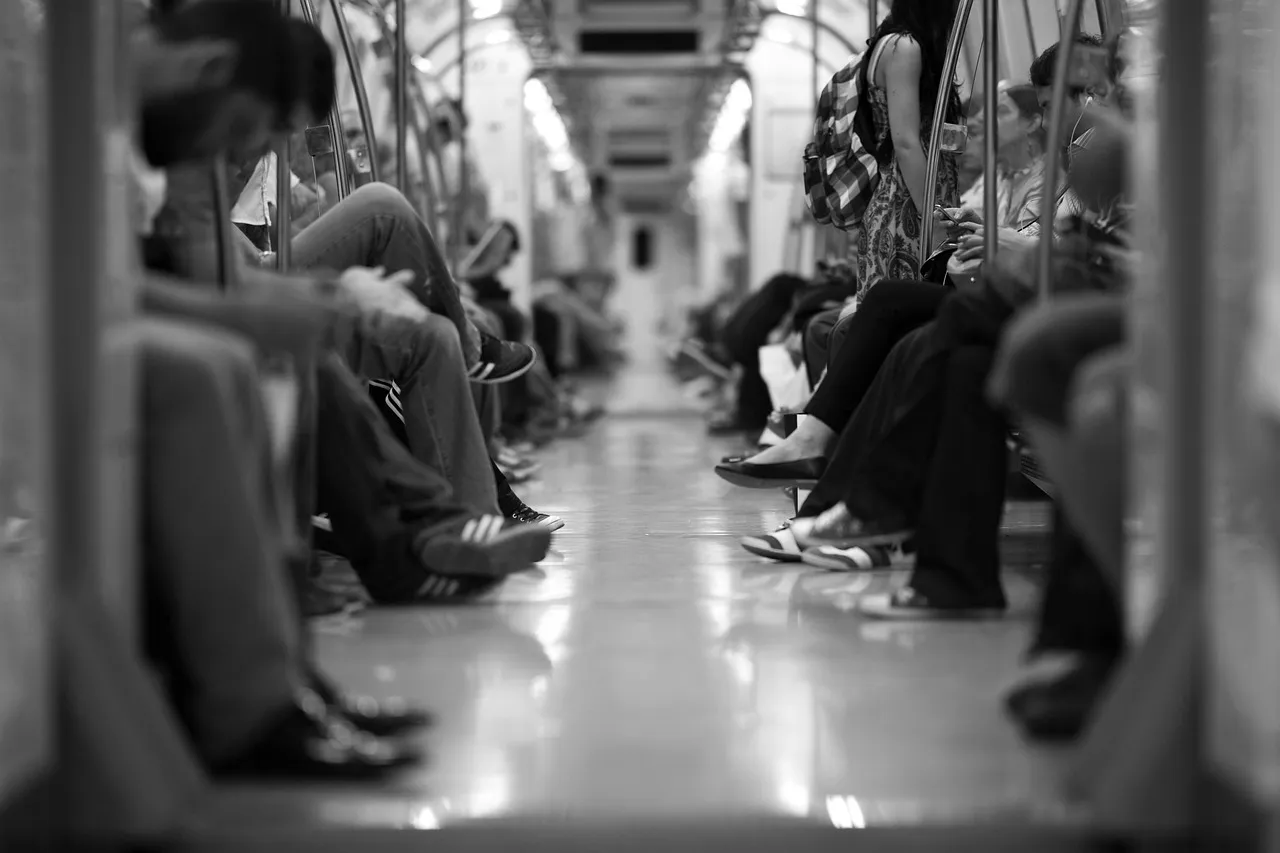
For anyone living in a city of eight million people, when getting on the subway on the way to work, the odds of seeing someone they know well enough to greet is approximately nil. Waving at every face in that context would be physically exhausting and socially incoherent. Density quietly shuts the habit down before it even forms.
The Sociological Roots Go Back Over a Century

In 1887, German sociologist Ferdinand Tönnies raised this question when he wrote about the changes that occurred as societies shifted from small, rural, and traditional cultures to larger, urban, and industrial settings. He described a sense of community, or Gemeinschaft, as characterizing traditional societies, where family, kin, and community ties were quite strong, with people caring for and looking out for one another.
As societies grew and industrialized and as people moved to cities, he wrote, social ties weakened and became more impersonal. The waving habit is, in many ways, a living remnant of Gemeinschaft. It’s not a nostalgic performance. It’s a behavioral reflex built into people who grew up where everyone was accountable to everyone else.
The Rural Wave Has Real Historical Origins

The rural “steering-wheel wave,” a raised finger, two fingers, or a full palm lifted off the wheel as vehicles pass on a country road, is a low-effort, low-population-density form of social bonding. It likely descended from horseback-era greetings and grew into a driving custom because sparsely populated roads made every passing car worth acknowledging.
It persists today as a quiet signal of shared territory, trust, and belonging that costs nothing and means more than it looks like it should. That’s a lot of social weight carried by a two-finger lift off the steering wheel, but it works precisely because everyone in the community understands what it means.
It’s About Trust, Not Just Friendliness

A recent investigation published in the Journal of Happiness Studies examined how trust in local communities shapes social encounters. When people feel their community is generally safe and trustworthy, they are more likely to experience good-quality interactions with strangers. Waving is an expression of that trust made visible.
Research on trust between strangers has found that people extend goodwill toward people they’ll likely never interact with again not because they expect anything back, but because of an internalized sense that respect is simply owed, regardless of the odds of reciprocity. The wave, in that sense, isn’t really about the other person. It’s about who you are.
Urban Anonymity Is a Learned Behavior, Not a Natural State
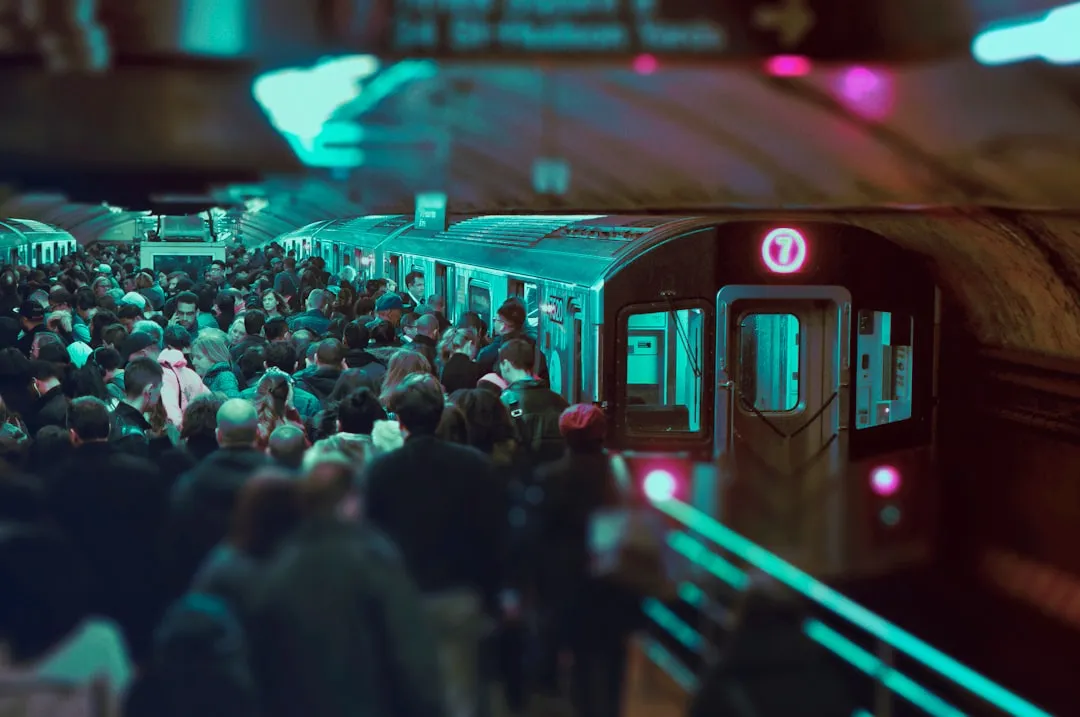
Urban dwellers often avoid those stimuli that connect each other, a phenomenon sociologists have described as “civil inattention” and the “blasé attitude.” These aren’t insults. They’re coping strategies developed to manage the relentless social stimulation of dense city life. You cannot process every face that passes you on a crowded sidewalk, so the brain learns to filter most of them out.
The fast-paced nature of city living often leaves individuals feeling isolated despite being surrounded by large numbers of people. Feelings of anonymity and the fear of social judgment may discourage residents from initiating connections with others. That’s the urban paradox in a single sentence: surrounded by millions, yet waving at none of them.
Neighborhood Wealth Matters More Than Urban or Rural Location
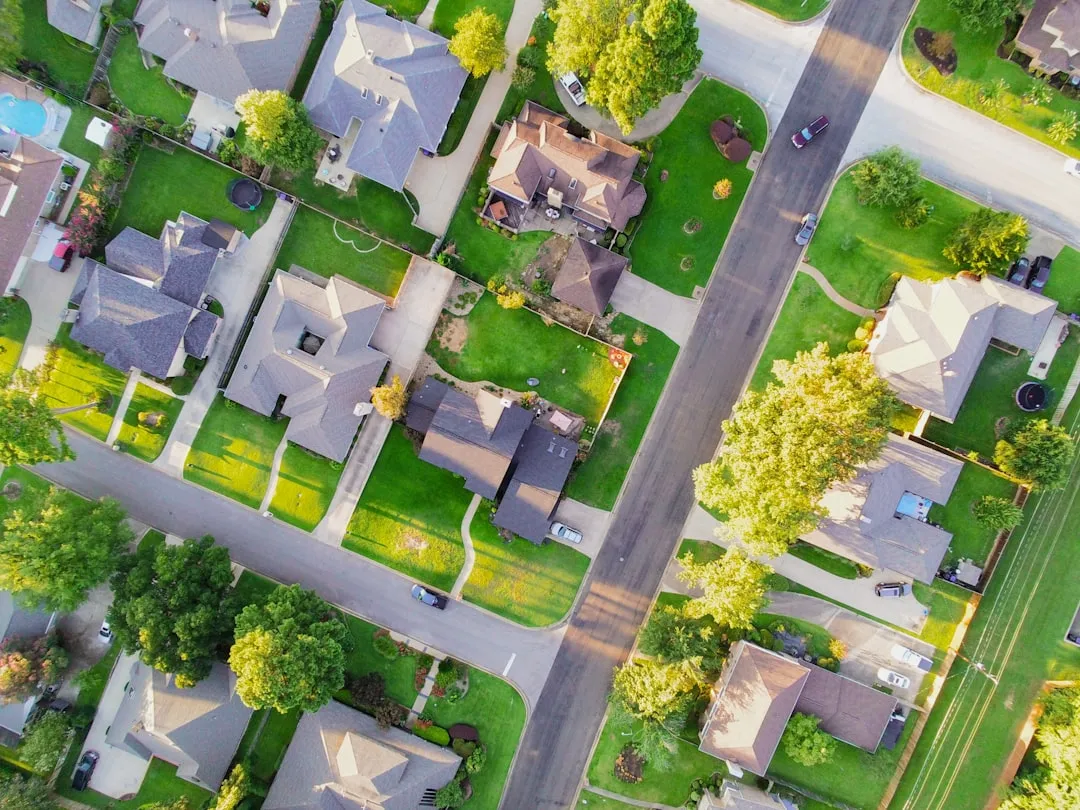
Here’s a finding that complicates the tidy rural-equals-friendly narrative. Researchers from University College London conducted real-world experiments in 37 different neighbourhoods across 12 cities and 12 towns and villages in the UK, measuring whether people posted a lost letter, returned a dropped item, and stopped to let someone cross the road. Their data did not support the hypothesis that urbanicity reduces helpfulness. There was no effect of either urbanicity or population density on people’s willingness to help a stranger.
Broader studies on prosocial behavior toward strangers have found that a community’s general willingness to help isn’t reliably predicted by how rural or dense it is. Other factors, like a community’s relative economic stability, tend to matter more. A wealthier, more stable neighborhood, whether in a city or the countryside, tends to produce warmer street-level social behavior.
The Habit Is Carried in the Body Long After You Leave

The reflex of waving doesn’t retire when people move to the suburbs or the city. Small-town adults are the ones waving at neighbors they’ve never met, making eye contact with the cashier, saying good morning to strangers on a walking trail. Urban-raised friends sometimes find it disarming. For anyone who grew up small, it’s just basic human acknowledgment, the idea that passing someone without recognition feels slightly rude.
These unspoken rules create internal conflict when people move between environments. A person who grew up in a close-knit neighborhood might naturally wave back out of habit, only to feel self-conscious doing so in a city where such gestures are rare. The body knows what it learned first, and that knowledge is surprisingly stubborn.
Culture and Geography Shape Different Norms Around the World
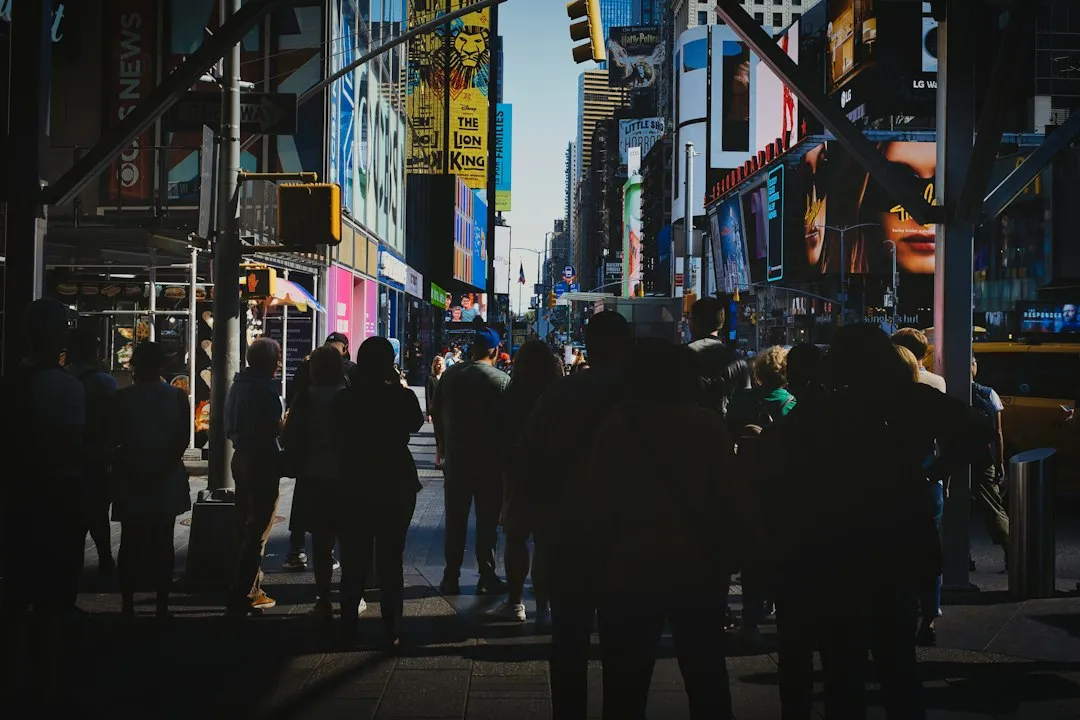
Waving at strangers isn’t universally practiced or expected. In some cultures, especially in urban environments like New York, Tokyo, or London, minimal eye contact and restrained gestures are the norm, and acknowledging strangers can be seen as intrusive or unusual. In contrast, rural communities or smaller towns often embrace friendly nods, waves, and greetings as part of daily life.
What counts as warm and neighborly in one culture can read as intrusive or even unsettling in another. The wave is never culturally neutral. It carries the specific social grammar of the place it comes from, which is why transplanting it into a different context so often misfires.
The Public Health Angle Is Becoming Hard to Ignore

Casual interactions in public spaces are fading, a trend documented by researchers including Salazar-Miranda et al. in 2024. QR codes and self-checkouts have replaced many of the subtle exchanges that once made public life feel more social. That erosion of small, everyday contact has real consequences beyond mere inconvenience.
Psychologists now warn that this thinning of social connection could feed what the U.S. Surgeon General labeled a “loneliness epidemic,” with health risks sometimes comparable to smoking 15 cigarettes a day. The wave, trivial as it appears, is one of the smallest available doses of human recognition. Research suggests that we consistently underestimate the value of small kindnesses, both for ourselves and for strangers.
Social Bonds in Cities Are More Complex Than They Look

Contemporary research tends to emphasize that strong social bonds do exist in cities. Although cities can be anonymous in their busy downtown areas, many city residents live in neighborhoods where people know each other, associate with each other, and look out for each other. In these neighborhoods, a sense of community and strong social bonds do, in fact, exist.
Familiar strangers, people developed through regular, fleeting interactions, can provide a sense of connection and belonging. City streets aren’t socially empty. They run on a different frequency, one built on repeated proximity rather than open acknowledgment. The wave might be absent, but the social thread isn’t always gone. It’s just quieter, and you have to know where to look.
The Takeaway

The presence or absence of a waving culture on any given street is rarely about the people being good or cold. It’s about density, trust, history, wealth, and the social grammar people absorbed before they were old enough to question it. Rural roads wave because every passing vehicle is an event. Urban streets stay still because the same gesture there would be noise, not signal.
What’s worth sitting with is the evidence that these small gestures matter more than we typically admit. The wave is one of the last free, frictionless ways to tell a stranger: I see you, and you’re not a threat. In a world measurably lonelier than it was a generation ago, that’s a quieter argument for keeping the habit alive wherever the conditions allow it.
AI Disclaimer: This article was created with the assistance of AI tools and reviewed by a human editor.