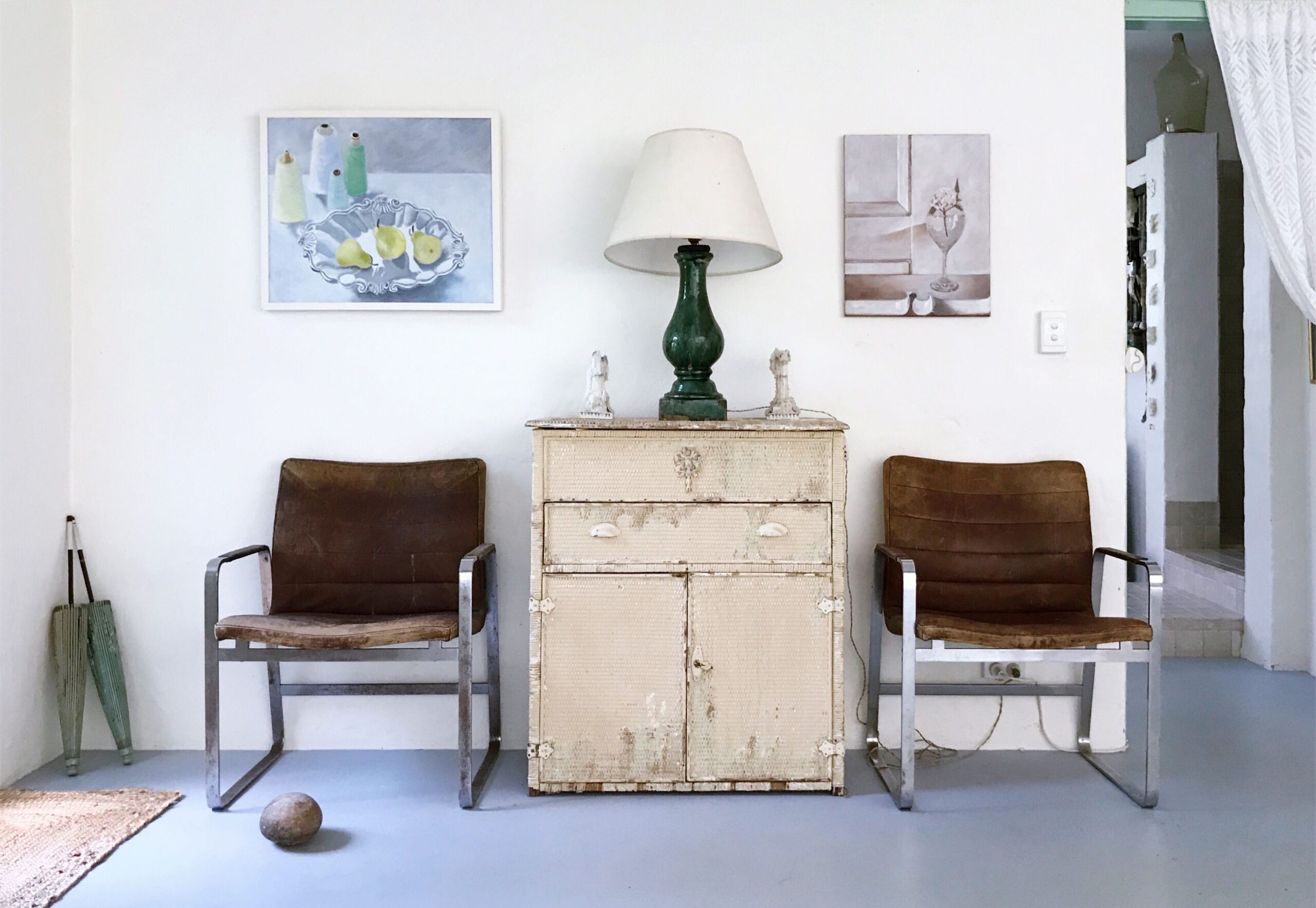

1. Solid Wood Furniture
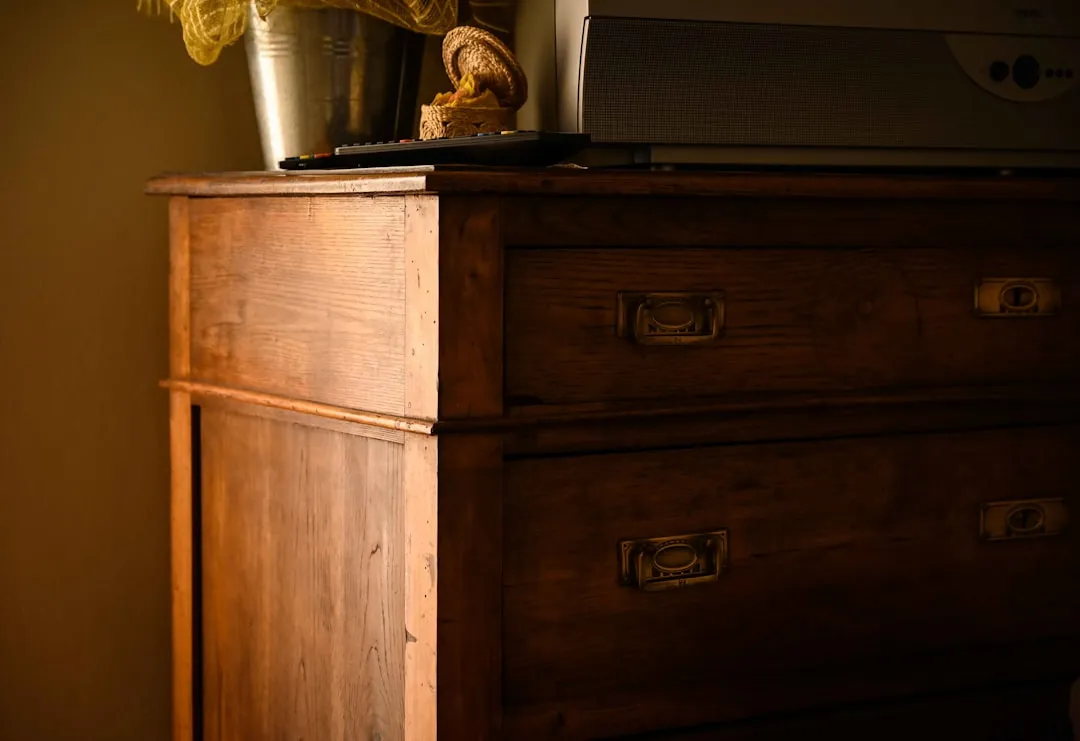
Older solid wood pieces, think pre-1980s dressers, sideboards, dining tables, and armoires, were built at a time when construction quality was simply different. The joinery was tighter, the wood denser, and the finishes more durable. Buying one of these pieces used often means getting something that will outlast almost anything available retail today.
An estimated 22 million pieces of furniture are discarded per year in the UK alone, and with a waste rate of around 80 percent, furniture is one of the least recycled household item categories. When designers choose a vintage solid wood piece over a new flat-pack equivalent, they’re essentially reversing that trend one purchase at a time.
The carbon footprint of vintage furniture is anticipated to be up to 16 times smaller than that of mass-produced modern furniture, a figure that has given many designers a hard sustainability argument to back up what was already their instinct on quality.
2. Antique and Vintage Rugs
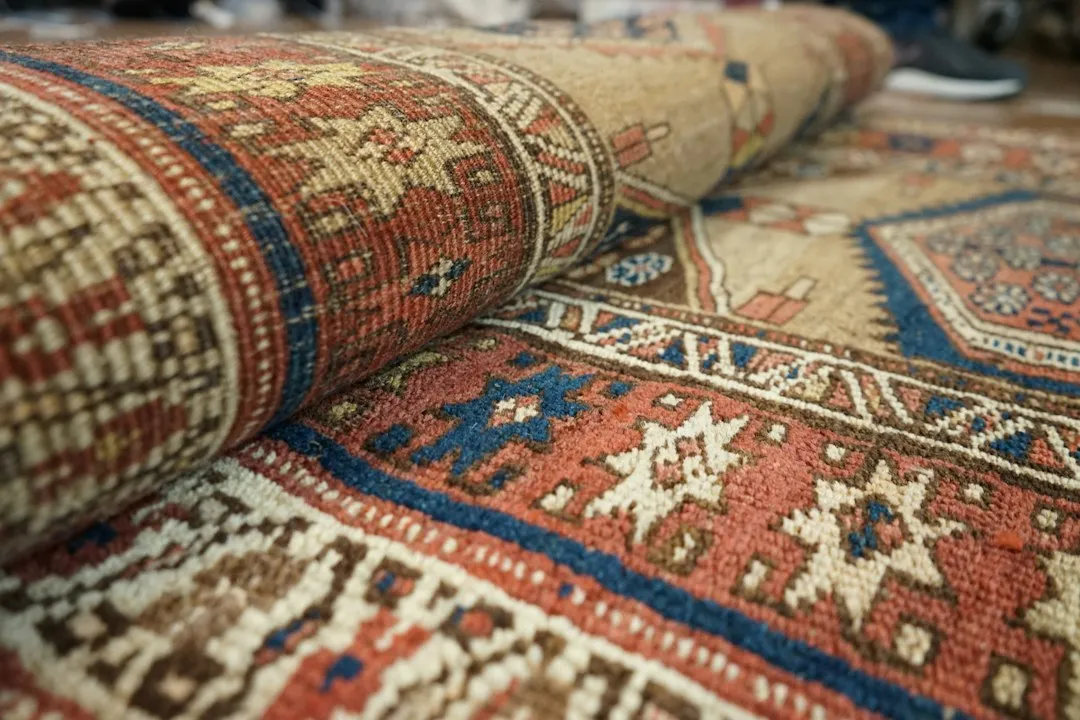
The beauty of an artisanal, handmade rug is that it is a unique piece you will not find anywhere else, and the rarity of an antique rug that has aged with even wear emphasizes both its value and its exclusivity. That’s not the case with most retail rugs, which are often machine-made from synthetic fibers.
Many modern rugs are mass-produced using artificial dyes, synthetic fibers, and, in some cases, unethical labor practices, which is a stark contrast to older handmade pieces from regions with long weaving traditions. Designers notice the difference immediately in both texture and longevity.
As sustainability priorities evolve, homeowners want to reuse and reduce. Secondhand pieces like responsibly sourced area rugs can effortlessly add individuality and character to a home while also decreasing its carbon footprint. A well-chosen vintage rug is, in many ways, the easiest single upgrade in a room.
3. Vintage Lighting Fixtures
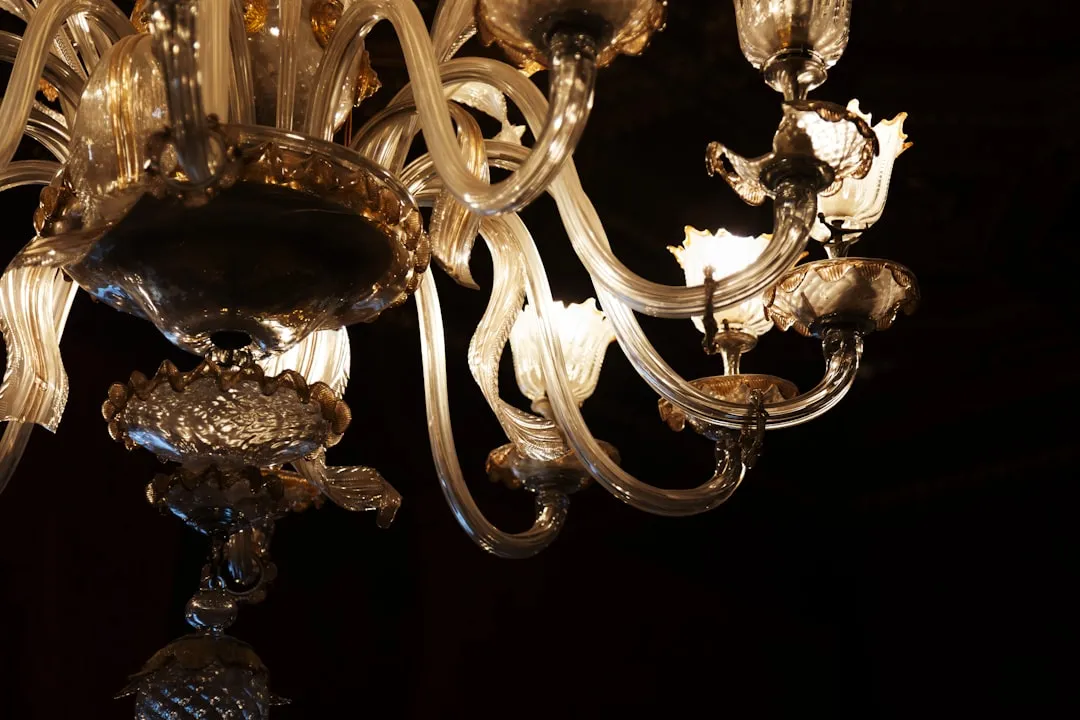
For popular vintage lighting, designers are particularly drawn to Murano glass pendants and chandeliers. The ornate aesthetic is in demand, with around 27 percent of respondents to the 1stDibs survey citing it, up from just 19 percent in 2024. That’s a significant jump in a single year, and it reflects how vintage lighting has moved from a niche preference to a mainstream designer strategy.
New lighting at the same visual quality level tends to command steep prices, and the craftsmanship rarely matches genuine vintage pieces. Older fixtures were often made with heavier metals, hand-blown glass, and more precise detailing than contemporary reproductions. The difference is noticeable up close.
Recognizable finds, including the Eames Lounge Chair and Noguchi Akari Lamp, continue to be top of mind for working designers, and they’re almost always sourced secondhand. Buying these pieces new, where reproductions even exist, tends to produce a noticeably inferior result.
4. Mirrors

Vintage mirrors have a quality that’s genuinely hard to replicate in new production. Older silvering has a slightly warmer, less perfect reflection, and the frames, whether gilded, lacquered, or wood-carved, carry a depth of detail that modern versions struggle to match at any reasonable price point. Designers know this well.
The secondhand market for mirrors is also particularly forgiving for buyers. Unlike upholstered furniture, a mirror doesn’t have hidden wear, smells, or structural concerns. What you see is what you get, which makes it a lower-risk secondhand purchase and a higher-reward one aesthetically.
Second-hand furnishings already represent a roughly $34 billion channel with a strong growth outlook toward 2030, and platforms like 1stDibs and Chairish have made vintage and pre-owned pieces more accessible to design-conscious consumers. Mirrors are among the most consistently available and well-priced categories on those platforms.
5. Upholstered Accent Chairs
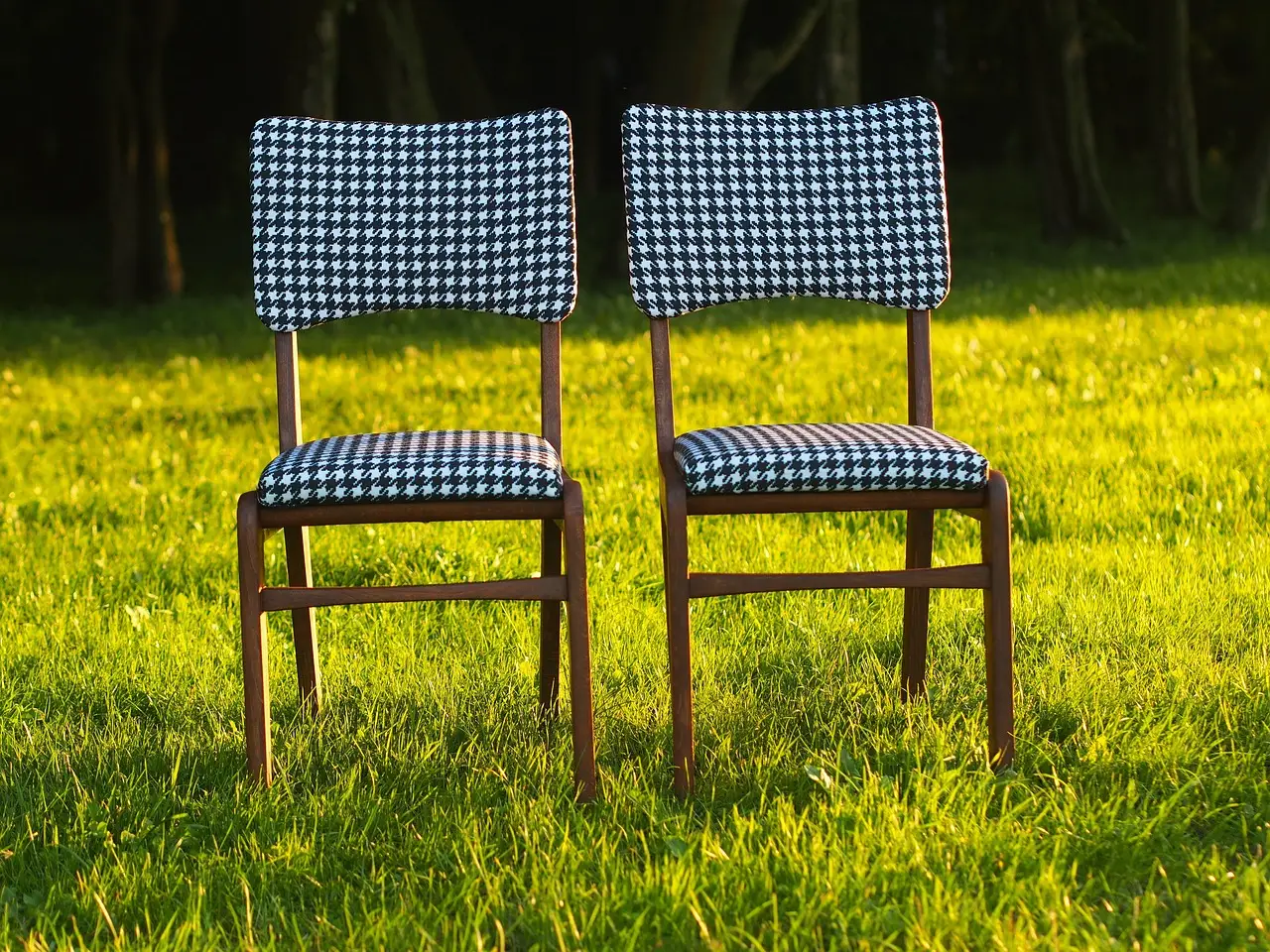
While interest in mid-century modern pieces has been softening slightly, Art Deco and Bauhaus aesthetics from the 1920s and 1930s are on the rise among designers. Accent chairs from those eras, often with solid frames and quality original upholstery or easy reupholstery potential, are a recurring find that designers actively pursue.
Buying an accent chair used is also one of the smartest financial moves in the category. New accent chairs at comparable quality can run hundreds to thousands of dollars, while secondhand versions with excellent bones cost a fraction of that and can be reupholstered to match any current palette. The frame is what matters, and older frames are typically stronger.
The 2025 ASID Trend Outlook noted that many residential clients are actively seeking pieces made from reclaimed or recycled materials, while the secondhand luxury market reached roughly $47 billion in 2023. Upholstered accent chairs sit squarely in that space, bridging sustainability with genuine character.
6. Decorative Objects and Ceramics
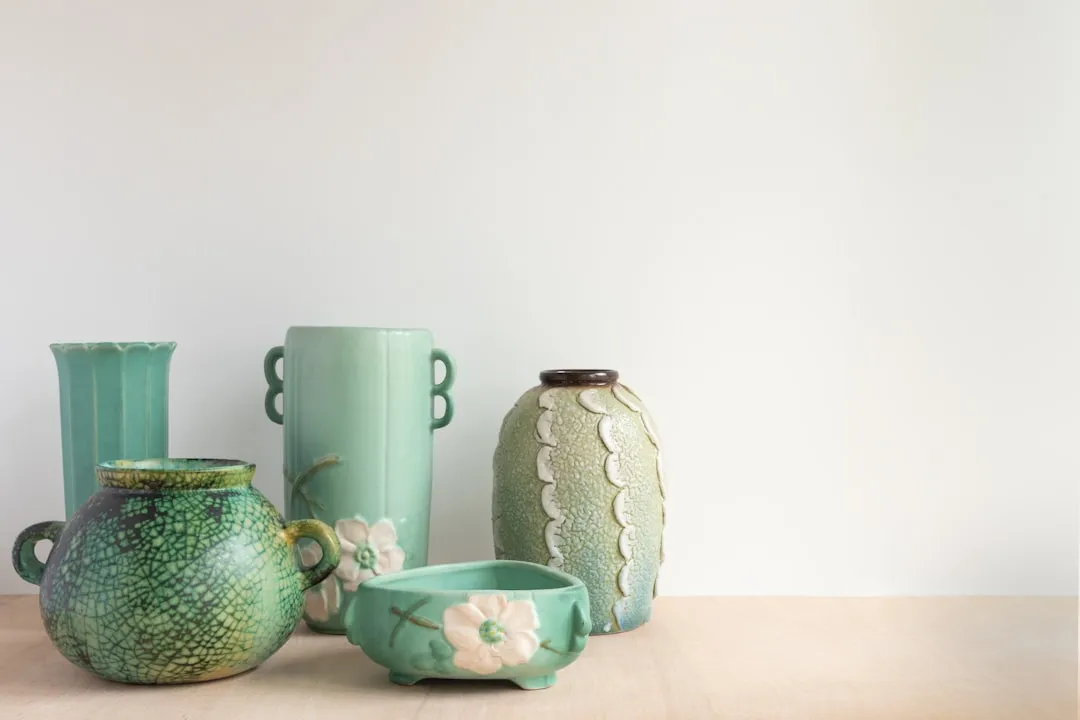
Vintage ceramics, pottery, sculptural objects, and decorative bowls carry something that new versions almost never do: actual history. A mid-century ceramic vase or a hand-thrown stoneware piece from a regional studio shows material honesty that mass-produced decorative objects simply cannot fake. Designers consistently prefer this in a completed room.
The trend of creating personalized and stylish interiors has gained real momentum, with consumers seeking unique and customizable decor items rather than the same pieces available in every home goods retailer. Secondhand decorative objects are one of the simplest ways to achieve that. No two pieces are alike.
As Gen Z and Millennials become more sustainability-savvy and wellness-focused, there is an anticipated shift toward the use of recycled and reclaimed materials, organic fabrics, and thoughtfully sourced finishes across the broader furniture and decor market. Vintage ceramics and objects fit naturally into that shift, offering beauty without the environmental cost of new production.
Why Designers Think This Way
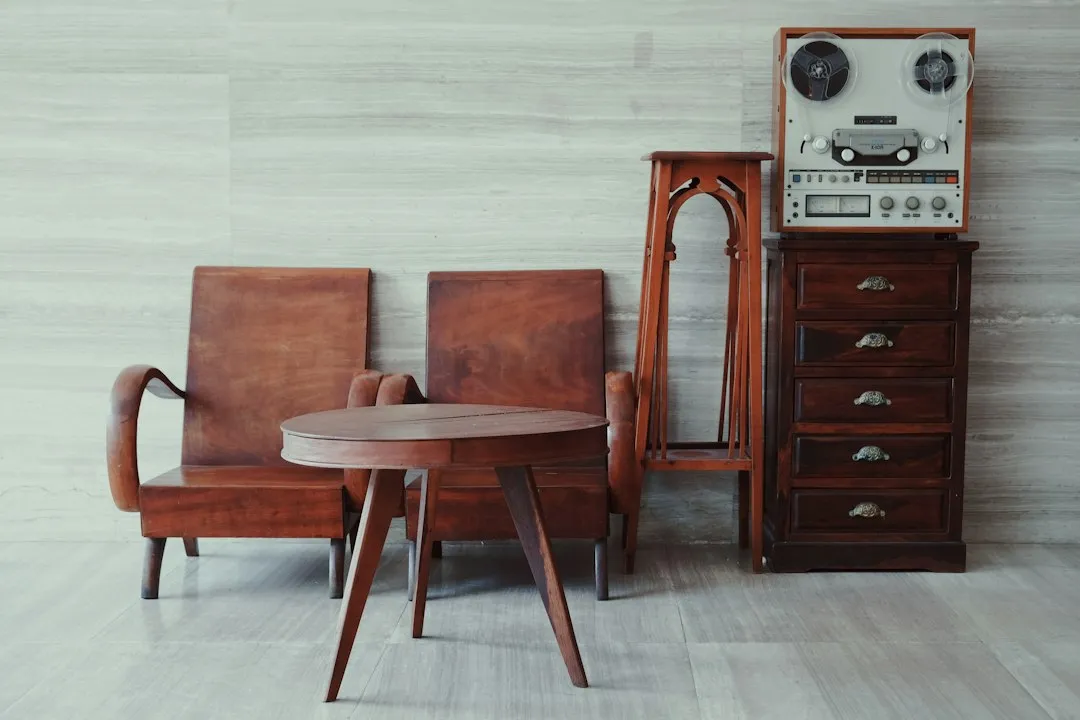
The preference for buying certain items used isn’t sentimental. It’s strategic. In 2024, roughly 81 percent of professional designers sourced items dating from the 1920s through the 1990s, which tells you this isn’t a fringe habit. It’s effectively mainstream practice among working interior professionals.
Whether clients are seeking accessibility, exclusivity, or both, leaning into furnishings purchased on the vintage or antique market or made from thoughtful materials is primed to become even more prominent in 2025 and beyond. Designers understand that the market rewards these decisions with rooms that feel more layered, personal, and lasting.
Where to Shop Secondhand Like a Designer
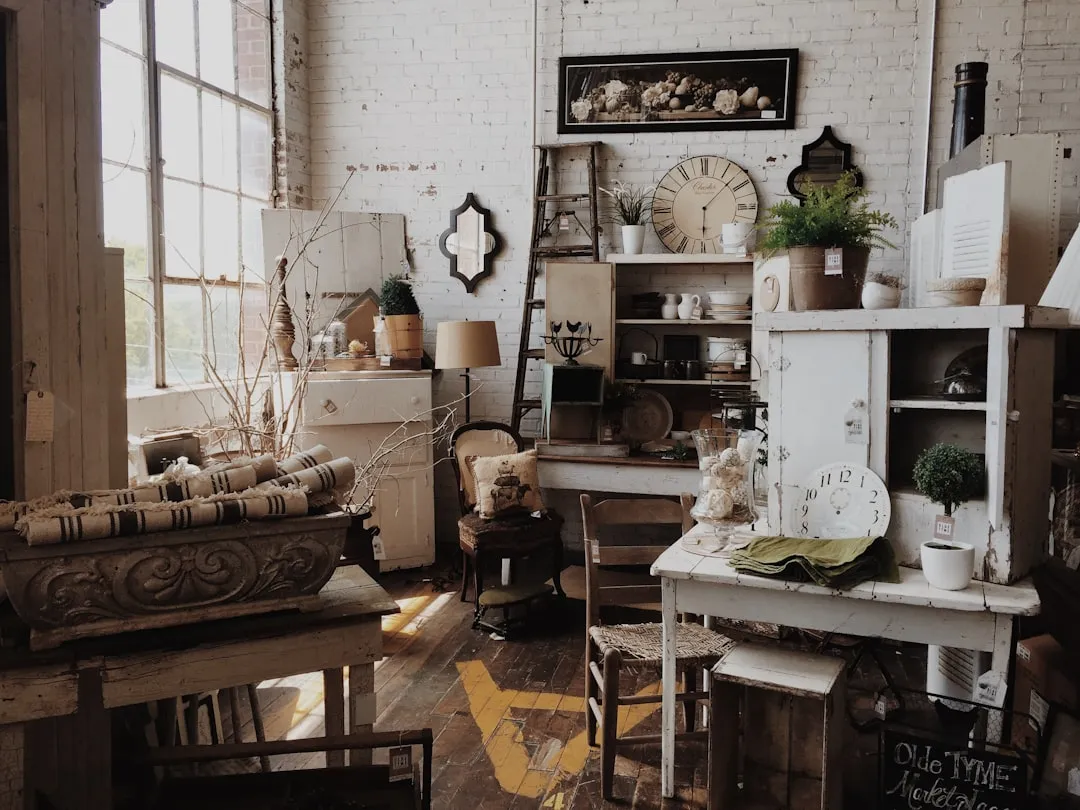
Finding great vintage furniture and decor deals is easier than ever thanks to a mix of online marketplaces and curated shops. Whether you’re hunting for unique mid-century pieces or timeless antiques, the key is knowing where to look. The platforms designers use most consistently are 1stDibs for vetted high-end pieces, Chairish for a rotating inventory across price points, and Etsy for more eclectic, one-of-a-kind finds.
Local estate sales remain one of the strongest sources for all six categories above, particularly for rugs, mirrors, ceramics, and solid wood furniture. Pricing at estate sales tends to be less inflated than curated online platforms, and the pieces are often in better condition than thrift store finds. Patience is the only real requirement.
The Real Cost Argument
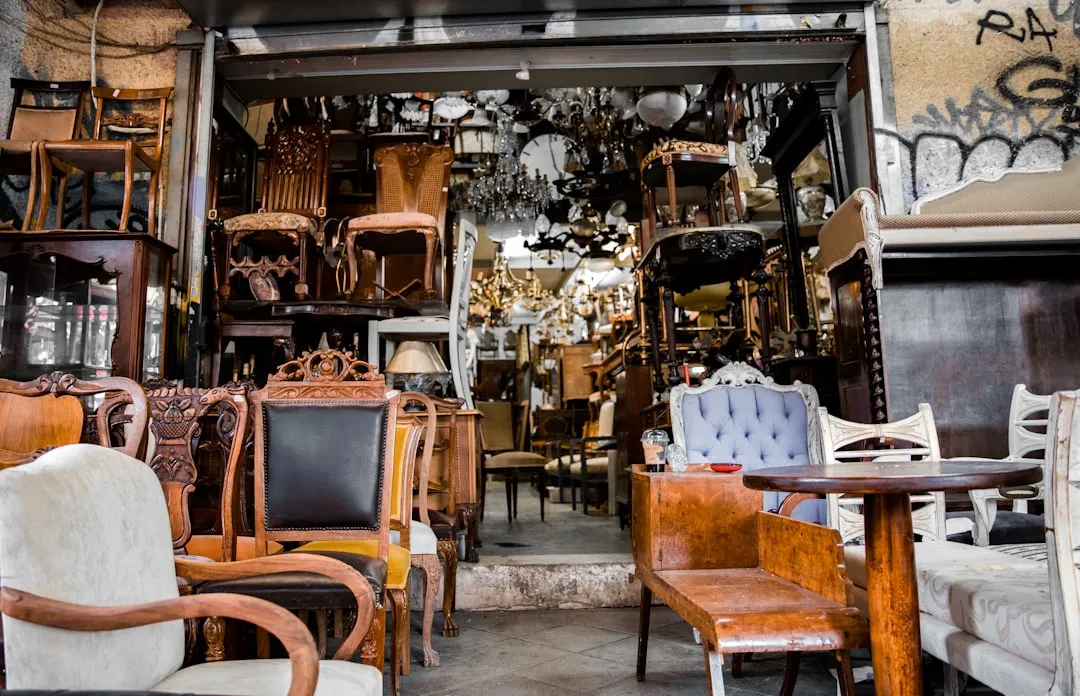
The shift toward online shopping has fueled demand for furniture, but it has also contributed to a surge in mass production that has, in many cases, pushed prices up while quality has gone down. Buying used sidesteps both of those trends simultaneously, which is exactly why designers keep coming back to it.
Rising awareness of environmental concerns is driving demand for sustainable decor. Consumers increasingly favor eco-friendly materials, recycled furniture, and ethically sourced products. Choosing secondhand for the right categories is one of the most direct expressions of that value, and it tends to produce better-looking results anyway.
A Final Note on What to Skip Buying Used
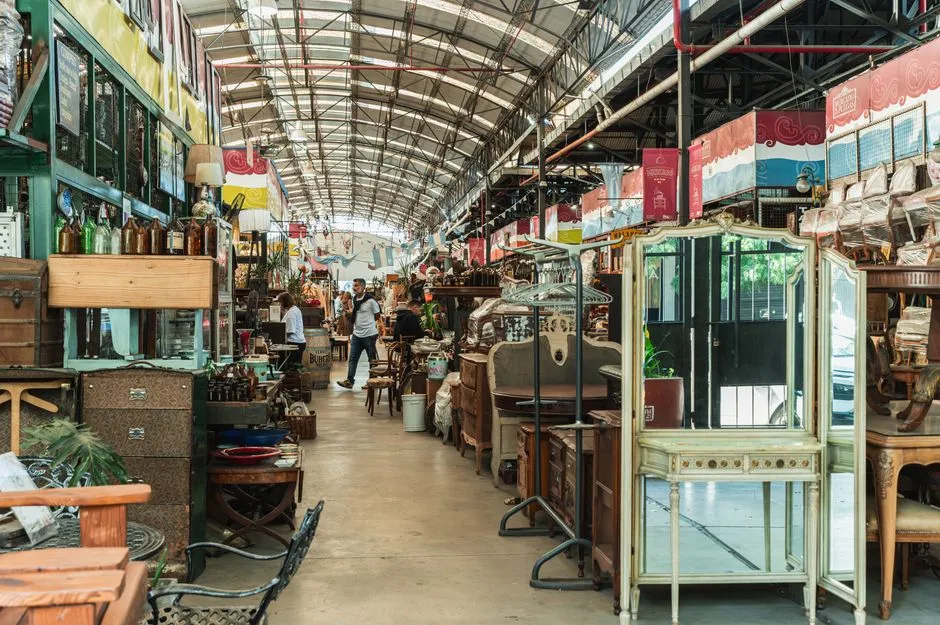
Not every category belongs on this list. Mattresses, certain upholstered sofas with unknown cleaning histories, and items requiring precise modern safety certifications are reasonable places to buy new. Designers generally agree on that, too. The secondhand strategy works best for the durable, the decorative, and the structural.
The six categories above share a common trait: they tend to improve with age, or at least hold their character far better than their modern equivalents. That’s the insight designers are working with, and it’s one worth borrowing.
The Takeaway
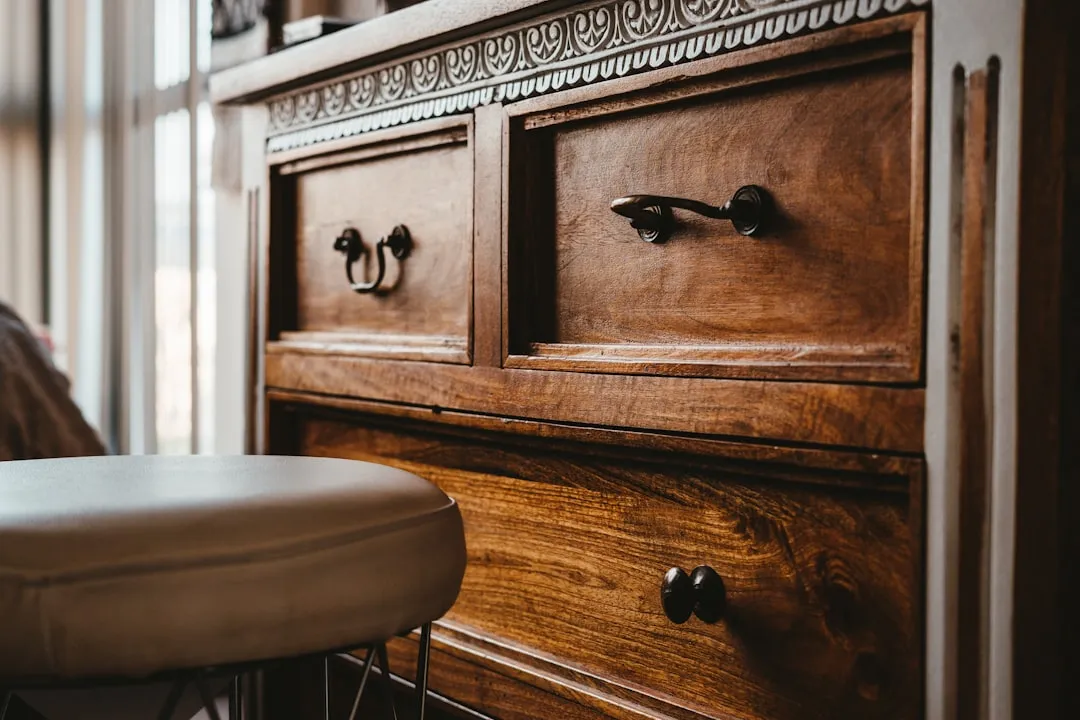
The secondhand market for home goods is no longer a compromise. Second-hand furnishings already represent a roughly $34 billion channel with a strong projected growth trajectory toward 2030, and the quality conversation has largely shifted in favor of older pieces in key categories. Designers figured this out years ago.
The items on this list, solid wood furniture, vintage rugs, lighting fixtures, mirrors, accent chairs, and decorative ceramics, are places where age genuinely works in your favor. Buying used in these categories isn’t settling. For most designers, it’s the preference.
AI Disclaimer: This article was created with the assistance of AI tools and reviewed by a human editor.