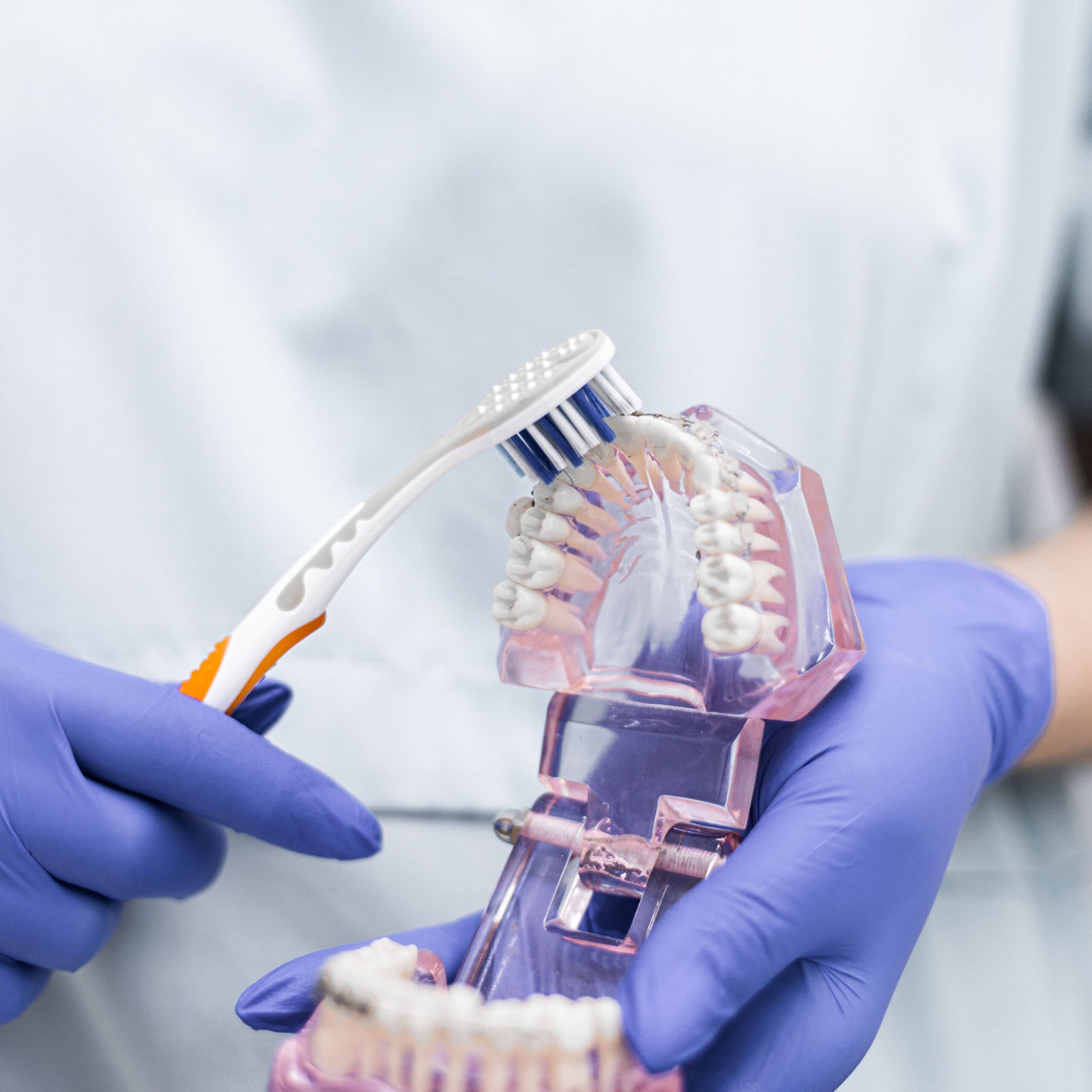

Pressing Too Hard: The Force Myth
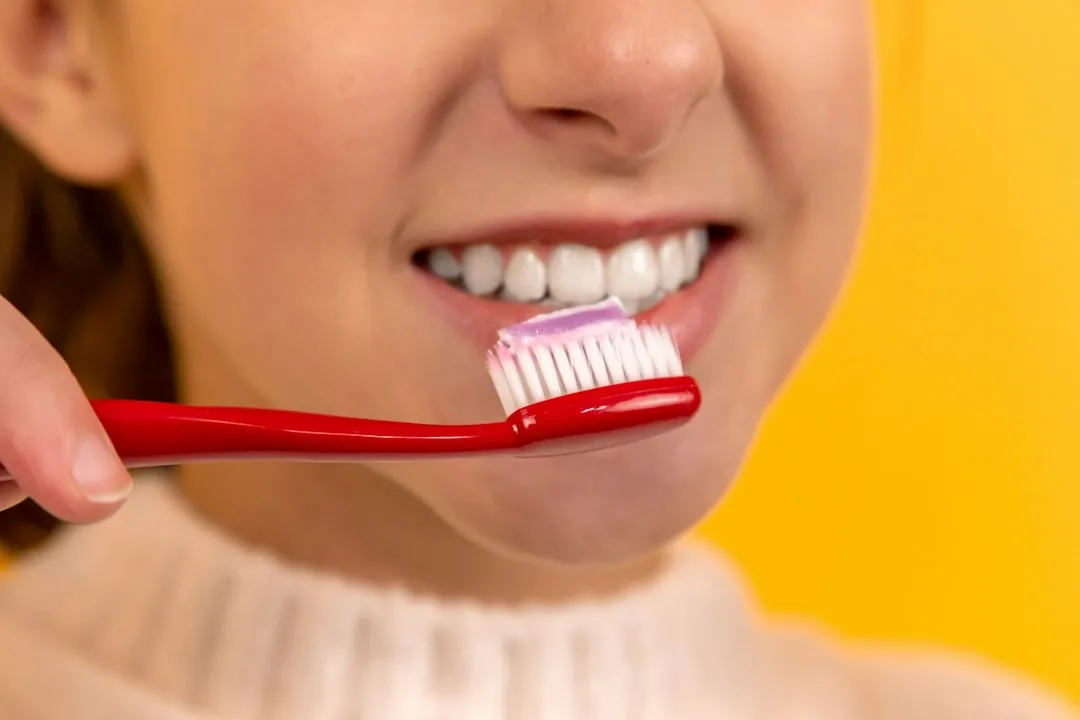
There’s a mistake many patients make without realizing it: brushing too hard. It might seem like applying extra pressure will help remove more plaque or make teeth cleaner. In reality, brushing aggressively can actually damage teeth and gums over time.
Scrubbing with force does not clean better. It breaks down enamel faster instead. Firm pressure against enamel and gum tissue can cause both to weaken over time, sometimes leading to sensitivity or a receding gum line.
Toothpaste abrasivity plays a major role in combination with toothbrush forces. Maintaining forces between 2 and 3 Newtons may be gentler on the tissue. Most people brush well above that without any awareness they’re doing so.
Using the Wrong Bristle Hardness
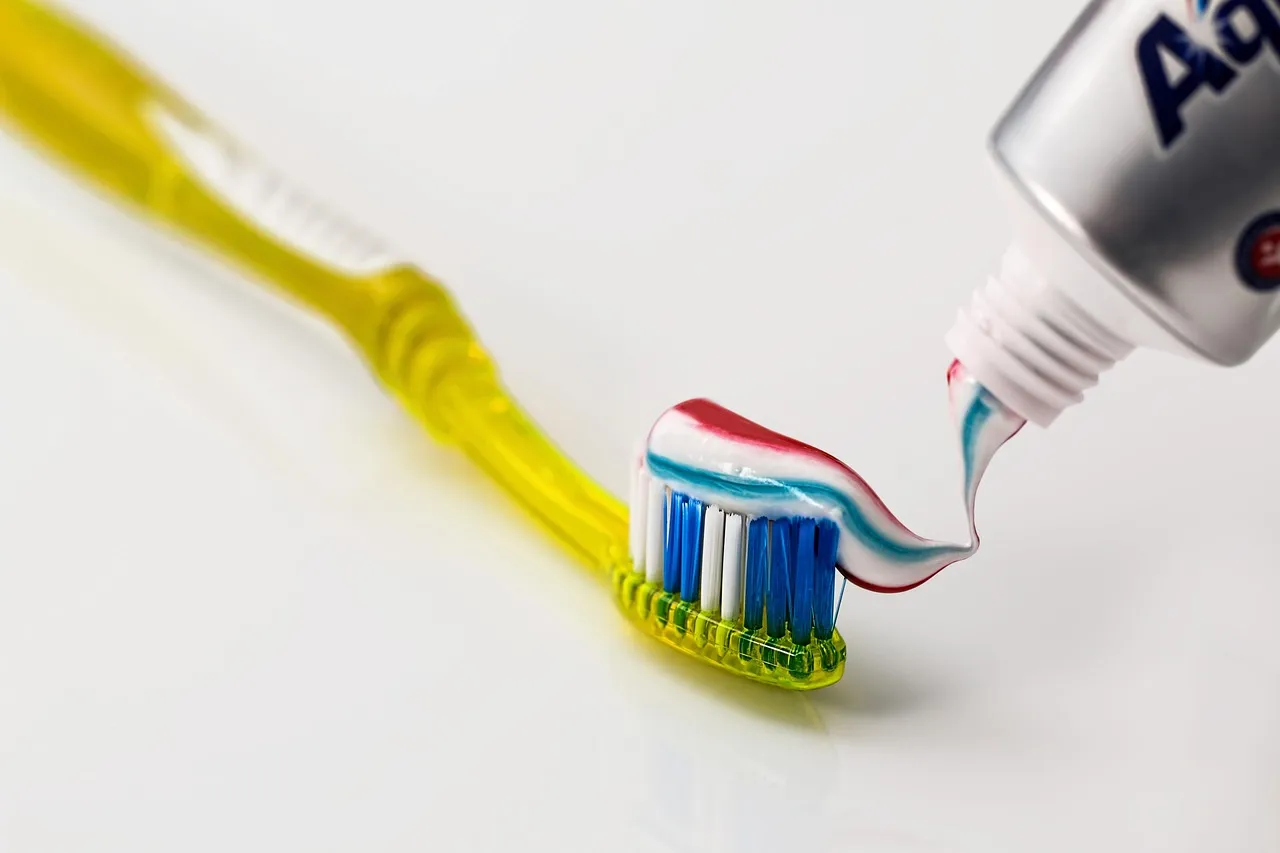
Research confirms what dentists have warned for decades: hard brushes produce more gingival lesions than medium or soft ones, and the damage compounds with even moderate pressure.
Over months and years, the outer mineral layer loses tiny slivers of structure in a process called erosive tooth wear. Once enamel wears away, it never grows back. That’s not a reversible problem you can patch later with better habits.
The American Dental Association states people should use a soft-bristle brush for two minutes twice daily, as it cleans effectively while minimizing gum and enamel damage. Soft bristles remove plaque just as effectively when proper technique is used. Hard bristles do not improve cleaning but increase the risk of permanent damage.
Brushing Right After Acidic Food or Drink
Brushing too soon after eating or drinking something acidic can take the enamel off your teeth. Wait an hour to brush. During that time, your saliva washes away the acid and the enamel hardens again.
Right after a meal is not always the best time to brush, especially after anything acidic like citrus, soda, or coffee. Acid softens the enamel surface temporarily, so brushing too soon can wear it down faster than usual.
Brushing immediately after eating breakfast may actually coat teeth with remnants of acidic food, which weakens enamel. Breakfast staples are some of the worst foods for tooth enamel, including orange juice, citrus fruit, dried fruit, bread, and pastries. Most people brush right after breakfast without thinking twice about it.
Rinsing Away Fluoride Immediately After Brushing
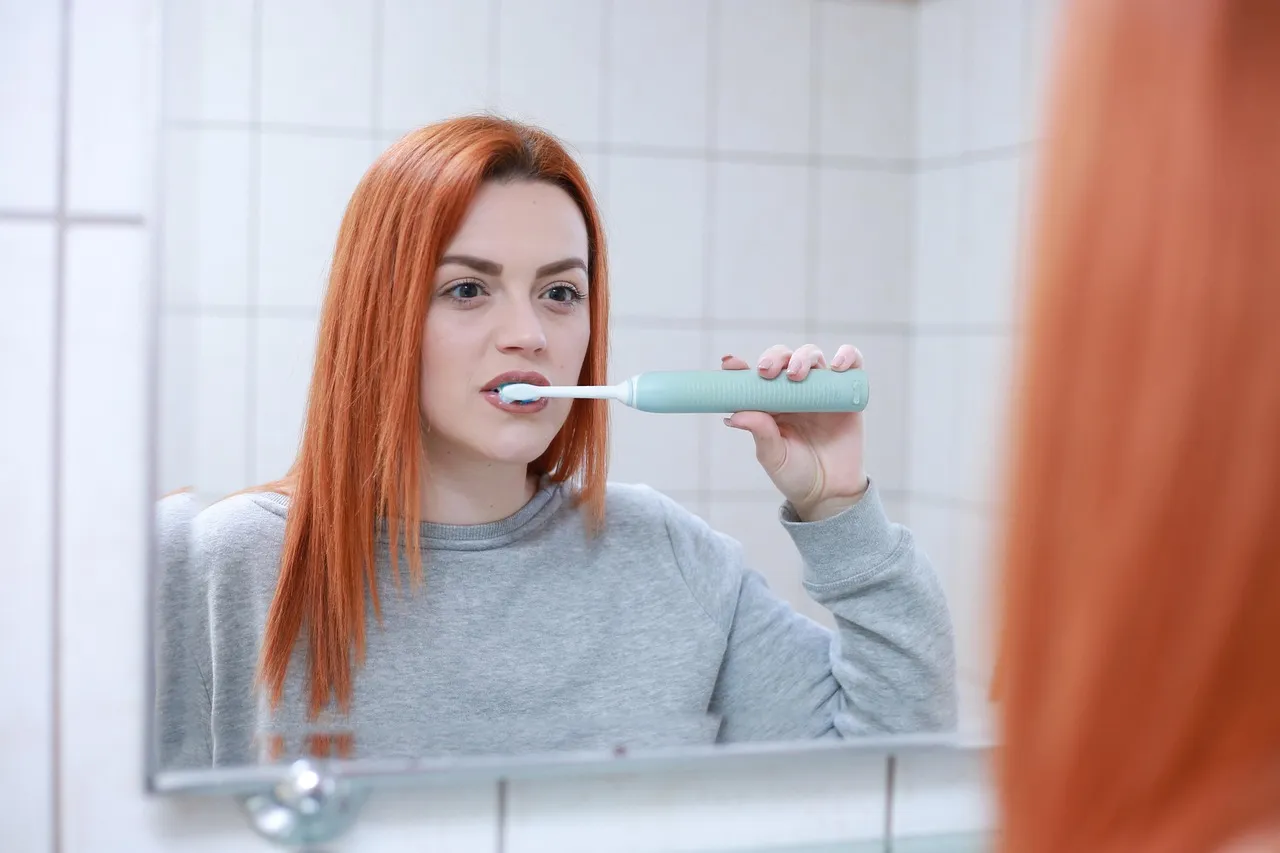
The Oral Health Foundation recommends that you spit after brushing your teeth, but don’t rinse immediately. Instead, you should aim to keep the toothpaste on your teeth for a few minutes before rinsing to maximize the health benefits of fluoride, which is used to strengthen tooth enamel.
Rinsing with water right after brushing “washes some of the fluoride in your toothpaste away, which can reduce the fluoride’s effectiveness.” It’s a reflex almost everyone has, and almost nobody questions it.
Spit out excess toothpaste but avoid rinsing with water. Leaving fluoride on your teeth for at least 15 minutes strengthens enamel and makes it more resistant to acids. That small window matters more than most people realize.
Scrubbing Back and Forth Instead of Using Small Circles
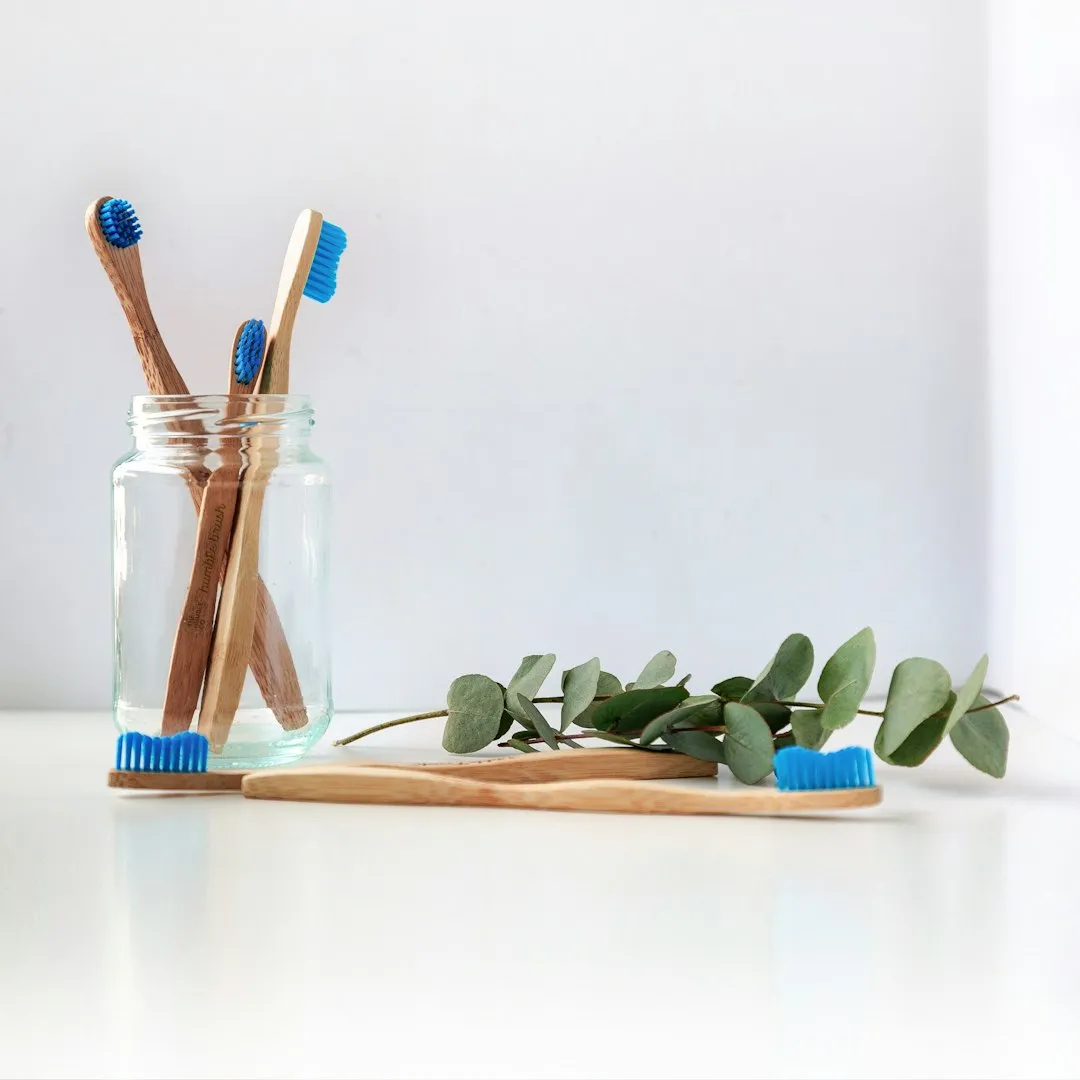
Quick, back-and-forth scrubbing misses the areas where teeth meet the gum tissue, and it can irritate that tissue too. This mistake is common because it feels thorough even when it is not. Small circular motions, angled slightly toward the gums, cover those same areas with more care and more precision.
Brushing in small circular motions at a 45-degree angle to your gums is far more effective than scrubbing back and forth. The sideways sawing motion is a deeply ingrained habit for many adults, but it’s one of the more damaging ones.
Aggressive brushing pushes gums away from the teeth, exposing the softer root dentin and causing tooth sensitivity. It also flattens the gum line and leads to wedge-shaped notches known as abfractions. These notches are visible to dentists and are a direct sign of long-term mechanical damage.
Not Replacing the Toothbrush Often Enough
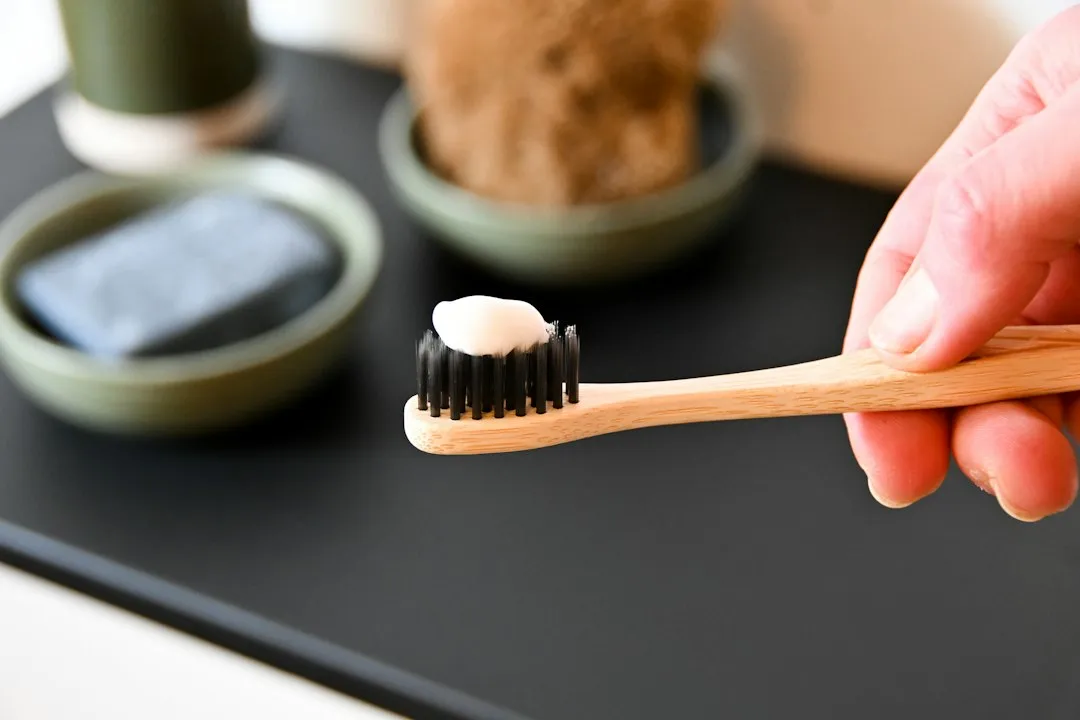
Replace a toothbrush every three months as a general rule, or sooner once the bristles start to fray. A fresh brush is one of the simplest tools for keeping daily cleaning and hygiene effective between dental visits.
If your toothbrush looks beat-up and flat after only a couple of months, that is a sign that you are likely brushing too hard. Additionally, using a toothbrush with frayed bristles can reduce cleaning effectiveness and harm your enamel and gums.
A worn toothbrush can become less effective and encourage heavier brushing. So the cycle compounds itself: the harder you brush, the faster bristles fray, and the more likely you are to press even harder to compensate.
Using a Toothbrush Head That’s Too Large
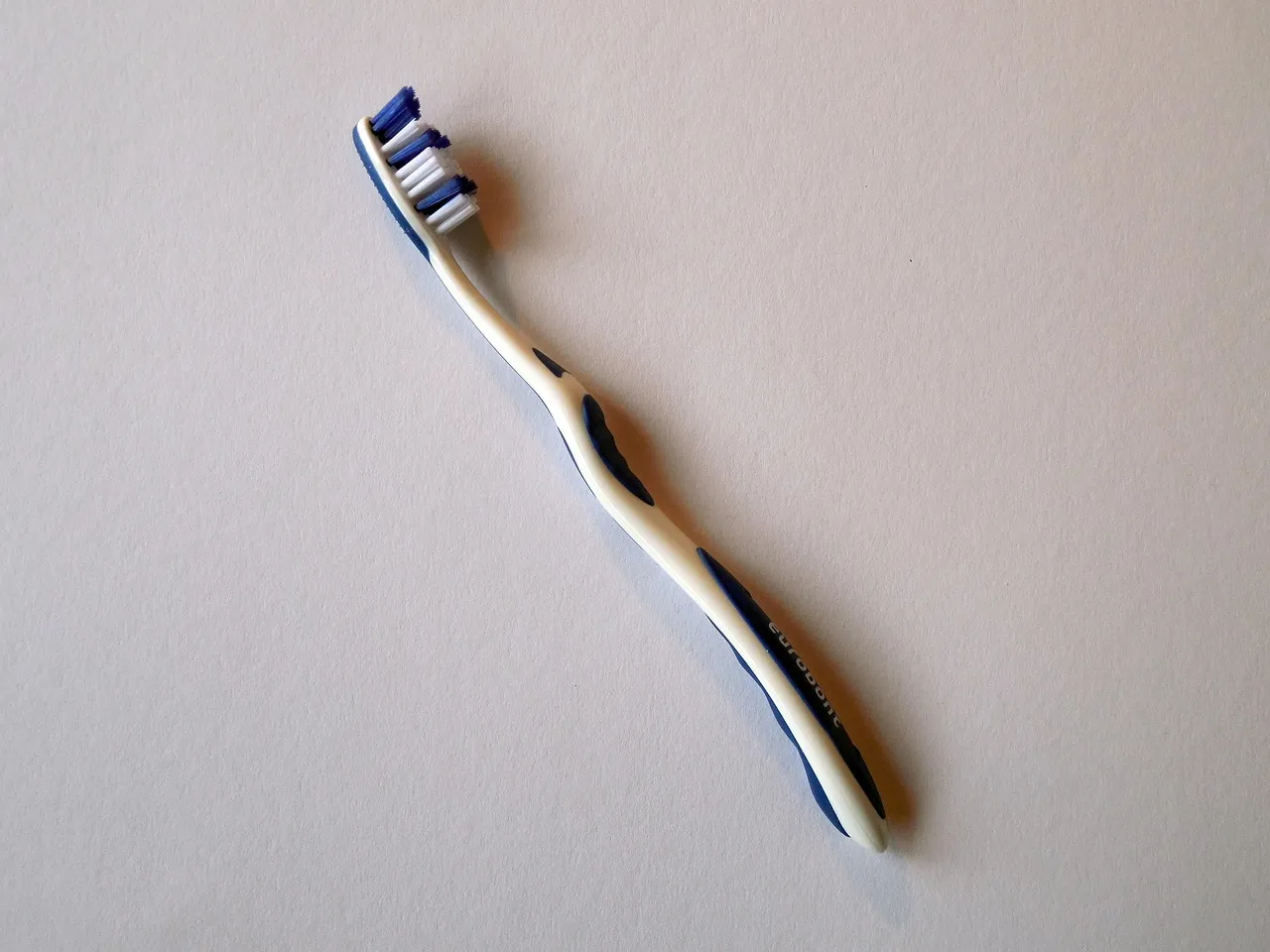
The right brush depends on the shape and size of the mouth it will clean. A head that is too large struggles to access the back teeth, and bristles that are too firm can irritate the gums more than softer bristles would. A soft-bristled brush sized to fit comfortably offers better control without losing coverage.
The back molars are where plaque buildup tends to go undetected the longest, and a brush that can’t reach them properly leaves those surfaces vulnerable. It’s a sizing problem that’s easy to overlook in the toothbrush aisle.
Despite being a largely preventable disease, untreated caries of permanent teeth is estimated to affect almost 2 billion people worldwide. Improving something as simple as brush head fit is one small but meaningful part of prevention.
Brushing for Less Than Two Minutes
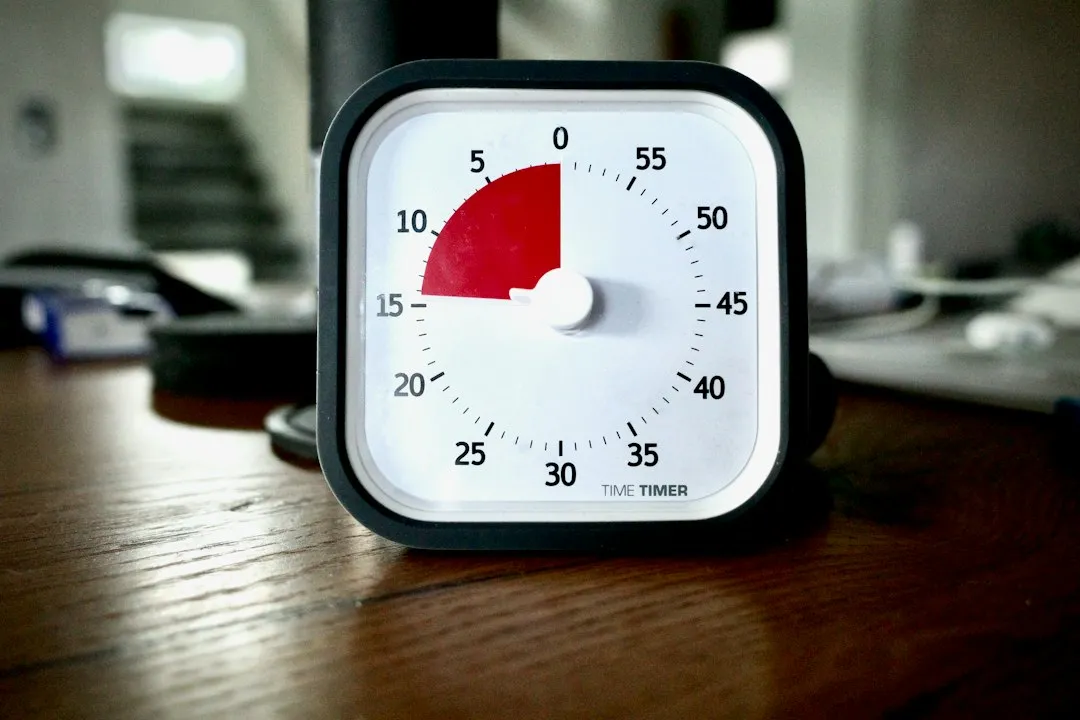
A slower pace improves results. Rushed brushing, whether circular or straight-line, removes less plaque overall. Most people significantly underestimate how long two minutes actually feels when you’re standing at a sink.
Brushing in small circular motions at a 45-degree angle to your gums is far more effective than scrubbing back and forth. Take your time, spend about two minutes brushing, and make sure every surface is covered.
Brush for two minutes twice a day. Consistency is more important than force. That principle runs counter to how most people were taught, which is probably why so many teeth tell a different story.
Brushing Immediately After Waking Without Considering Timing
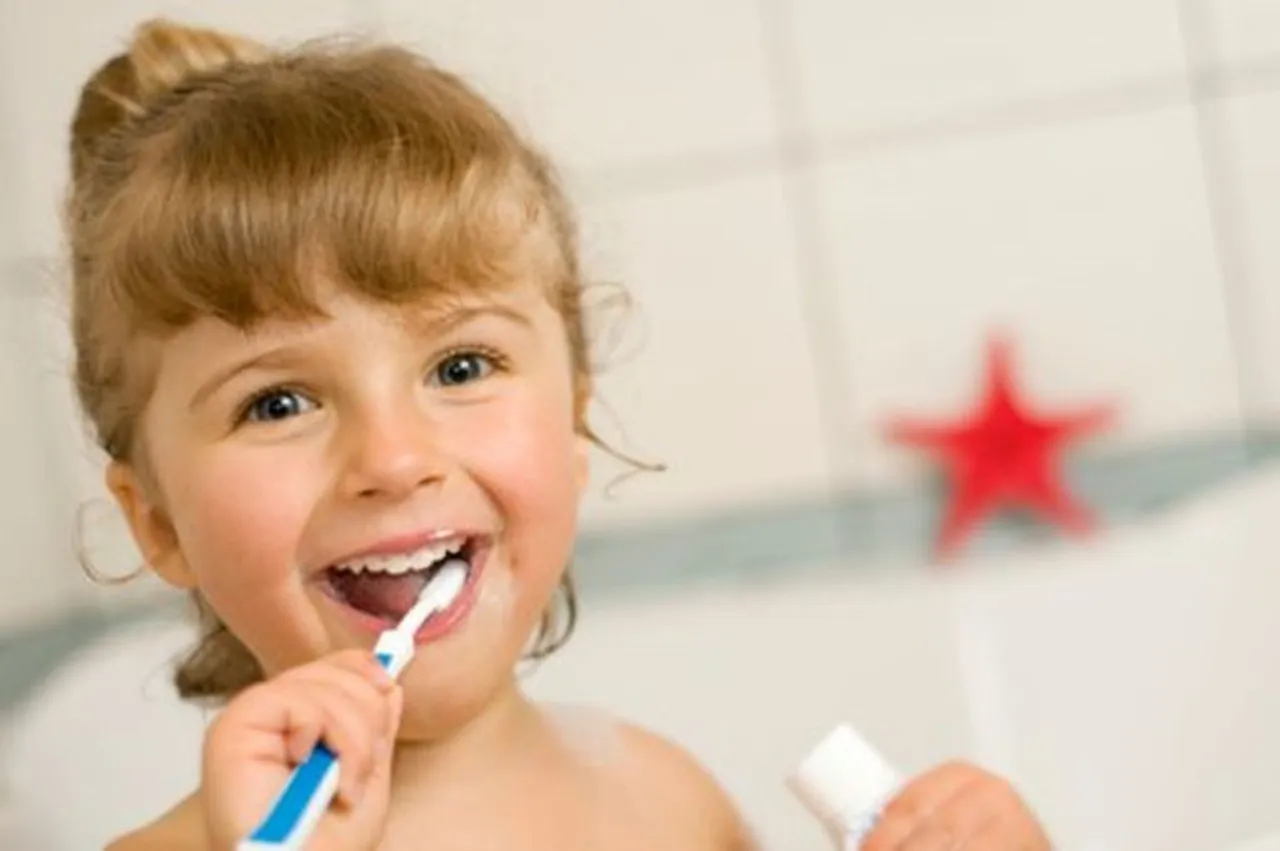
Most dentists suggest brushing either before breakfast or 30 minutes after eating. The distinction matters because of what happens to enamel when acids from food are still coating your teeth.
Waiting 30 minutes to an hour after eating to brush your teeth is the best way to ensure that you’re protecting your teeth and not tampering with your enamel, particularly if you consume something acidic.
Drinking water or chewing sugar-free gum after eating but before you brush is also a good idea. These small interim steps help neutralize acids and protect the surface before bristles make contact.
Ignoring Pressure Sensors on Electric Toothbrushes
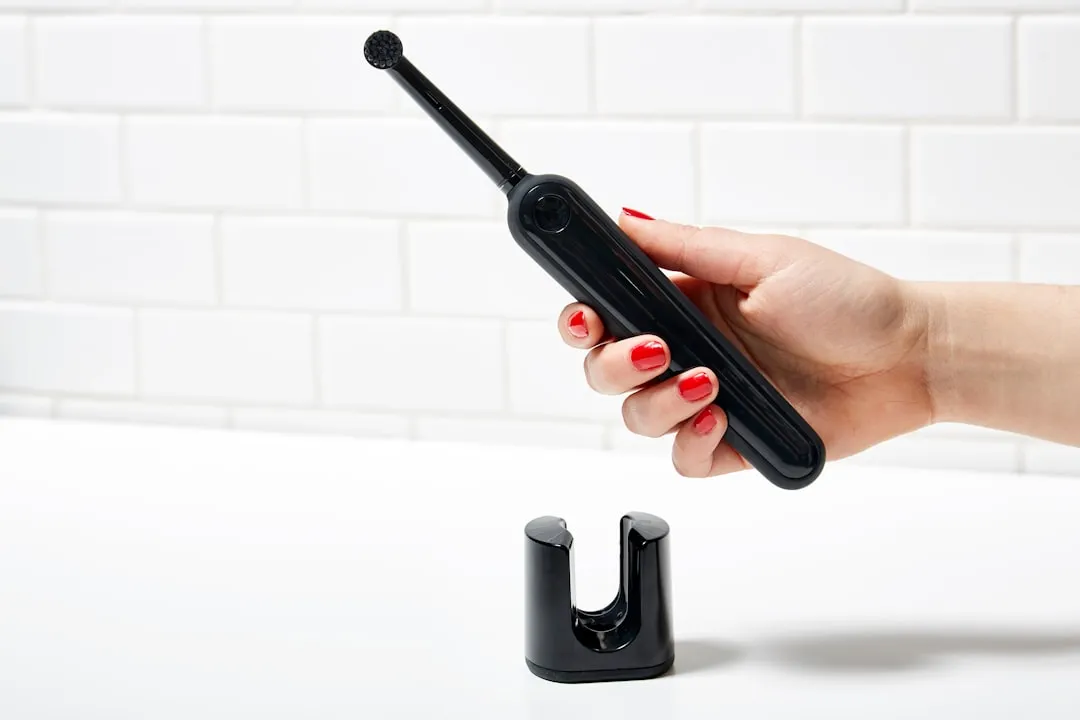
If you use an electric toothbrush, choose one with a pressure sensor that vibrates or lights up when you press too hard. Pressure sensors in smart toothbrushes detect force using resistive, capacitive, or piezoelectric technology and alert you via vibrations or color coding when you exceed a safe threshold. Over time this feedback trains users to brush with lighter pressure, reducing enamel erosion and gum recession.
Electric toothbrushes are safer in the context of force management, largely because the technology removes the guesswork. You don’t have to self-monitor; the brush does it for you.
None of these mistakes cause damage overnight. They build gradually, often for months or years, until a dental professional notices signs of tooth wear or gum irritation, or a patient begins experiencing sensitivity. That slow accumulation is exactly why pressure sensors are worth taking seriously.
What This All Adds Up To
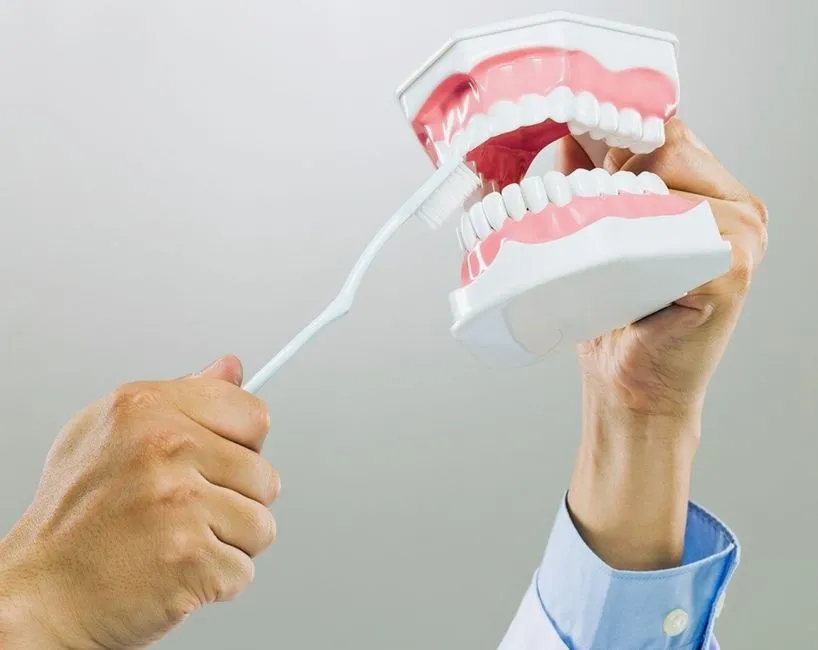
The uncomfortable truth is that most dental damage from brushing doesn’t come from laziness. Most of the mistakes covered here come from habit, not neglect, which makes them easier to correct than they might seem. Reducing pressure, adjusting technique, or replacing a damaged toothbrush are all changes that can begin with the very next brushing session.
Cervical abrasions and gingival recession occur frequently due to oral hygiene measures. Standards in oral hygiene tailored to patient needs can prevent hard and soft tissue loss. That’s a clinically significant finding: the very act designed to protect your teeth can erode them when done incorrectly.
The good news is that none of this requires expensive tools or a complete overhaul of your routine. It mostly requires paying attention to something you’ve been doing on autopilot for years, and making a few small, informed adjustments. Your dentist will notice the difference faster than you expect.
AI Disclaimer: This article was created with the assistance of AI tools and reviewed by a human editor.