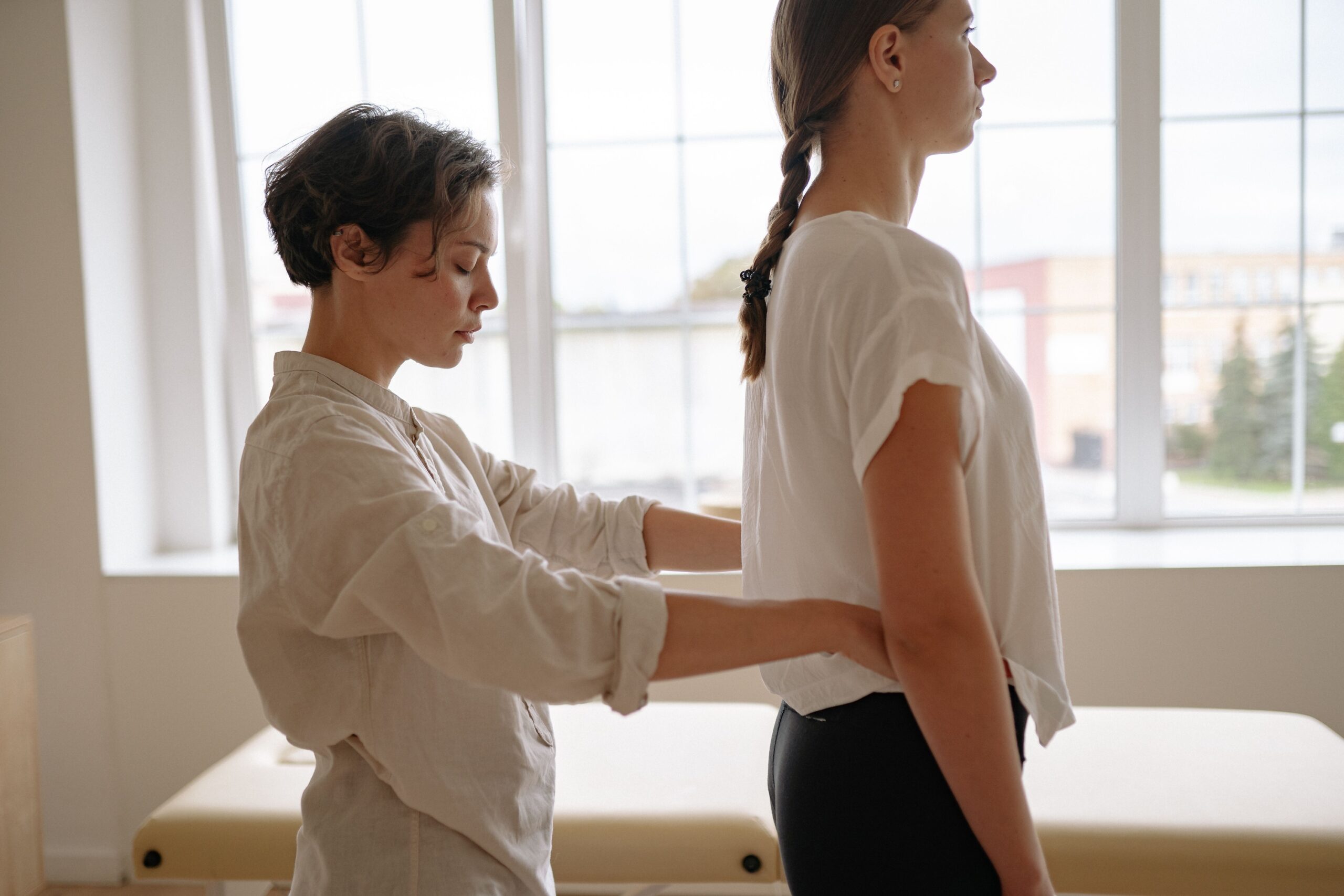

The Simple Habit: Sitting and Standing Upright

The specific habit grandparents enforced was straightforward: keep your back straight, shoulders back, and head up. Many people recall their grandmother telling them to “stand straight” and “keep my shoulders back” while growing up. It wasn’t about vanity, even if it sometimes felt that way in the moment.
Good posture means being aware of always holding yourself in a way that puts the least strain on your back. Sitting and standing in alignment with proper postural alignment allows one to work more efficiently and with less fatigue on the body’s ligaments and muscles. That’s essentially what grandparents were asking for, even if they phrased it as a social expectation rather than a health prescription.
Why Grandparents Were So Insistent About It

“Good” posture was considered paramount because it signified strength, courage, and pride. By the 19th century, a German anatomist had brought that rigid upright posture into the medical literature. By the time the 20th century rolled around, straight posture was deeply embedded in social norms, taught in schools and reinforced at home.
Grandparents who grew up in eras of physical labor understood intuitively that the body holds up better when it’s aligned. Posture has long been a frequent topic of discussion for patients, clinicians, the media, and society. Their insistence wasn’t just aesthetic; it reflected a cultural inheritance of practical knowledge about the body.
What Physical Therapists Are Saying Now

Physical therapists talk to patients about posture all the time, urging them to “sit up straight,” “tighten your tummy muscles,” and “keep your shoulders back and your head up.” The vocabulary has barely changed. What has changed is the volume of clinical evidence behind it.
Physical therapist Dr. Jacob VanDenMeerendonk notes that in today’s society, people lead very “forward-oriented lives,” with cell phones, computers, and long commutes all contributing to rounded shoulders, forward head posture, and hip tightness. That forward collapse of the body is exactly what grandparents were trying to prevent, long before smartphones existed.
The Breathing Connection
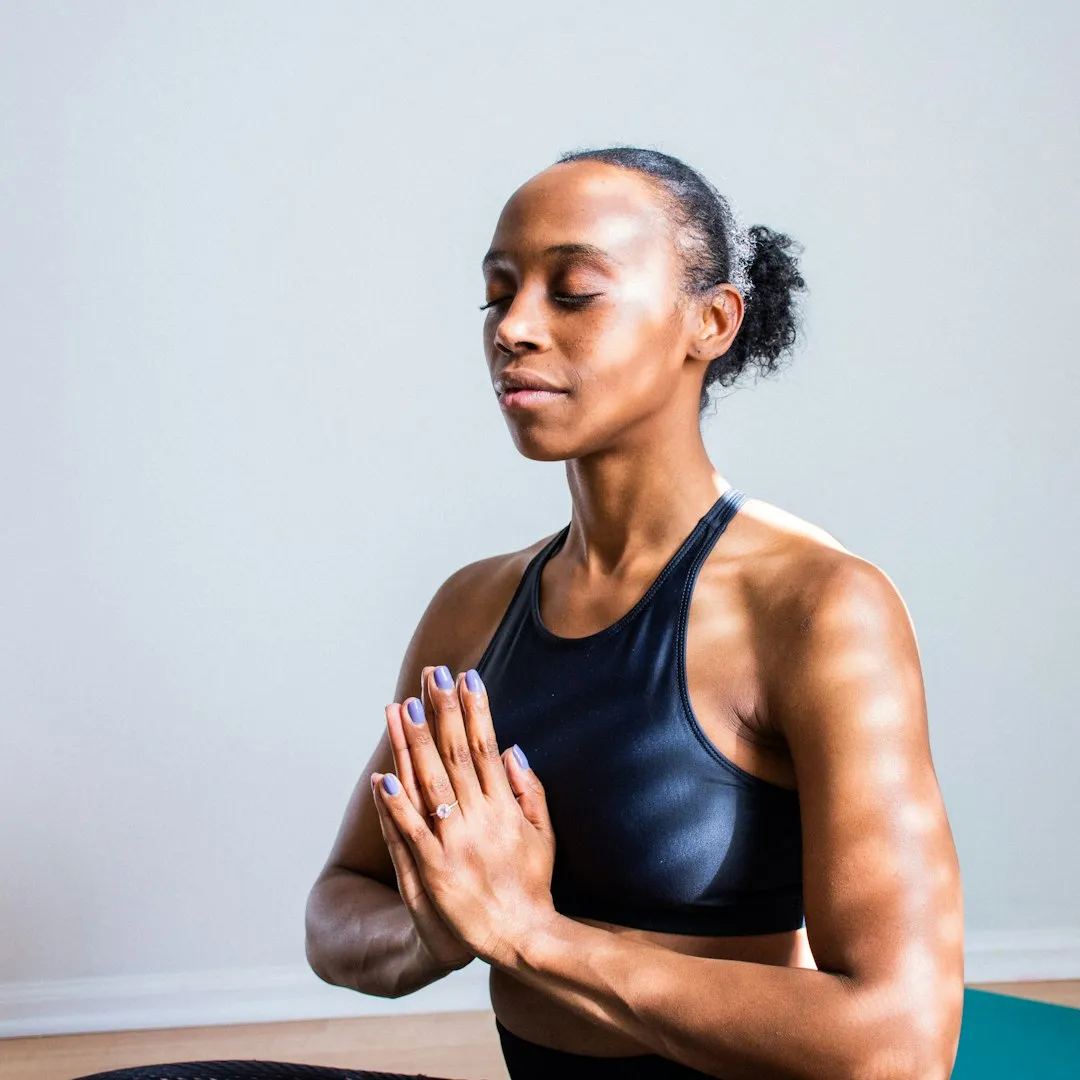
One of the more surprising confirmations of the upright posture habit involves breathing. When posture is poor, the body often hunches forward, restricting the rib cage and putting pressure on the diaphragm. Over time, this can make it difficult for the rib cage to expand, causing shortness of breath.
A study by the American Academy of Physical Medicine and Rehabilitation revealed that bad posture can affect breathing and lung capacity. The reason involves the frontal muscles and tendons. When you regularly slouch, these muscles become shortened, which decreases your body’s ability to take deep breaths. Grandma wasn’t just enforcing table manners. She was, without knowing it, protecting lung function.
The Back Pain Evidence

Proper upright position helps keep bones, joints, ligaments, and muscles properly aligned, which can prevent and relieve back pain. Over time, sitting upright can change the anatomical characteristics of your spine, leading to less strain and more open vessels and nerves.
Poor posture has been associated with spinal extensor weakness, back pain, and lower quality of life. Those who spend prolonged time sitting in poor posture often develop muscular imbalances leading to tight chest muscles and weakness in back muscles. That pattern of imbalance is precisely the one that grandparents’ constant reminders helped disrupt at an early age.
The Mood and Decision-Making Discovery
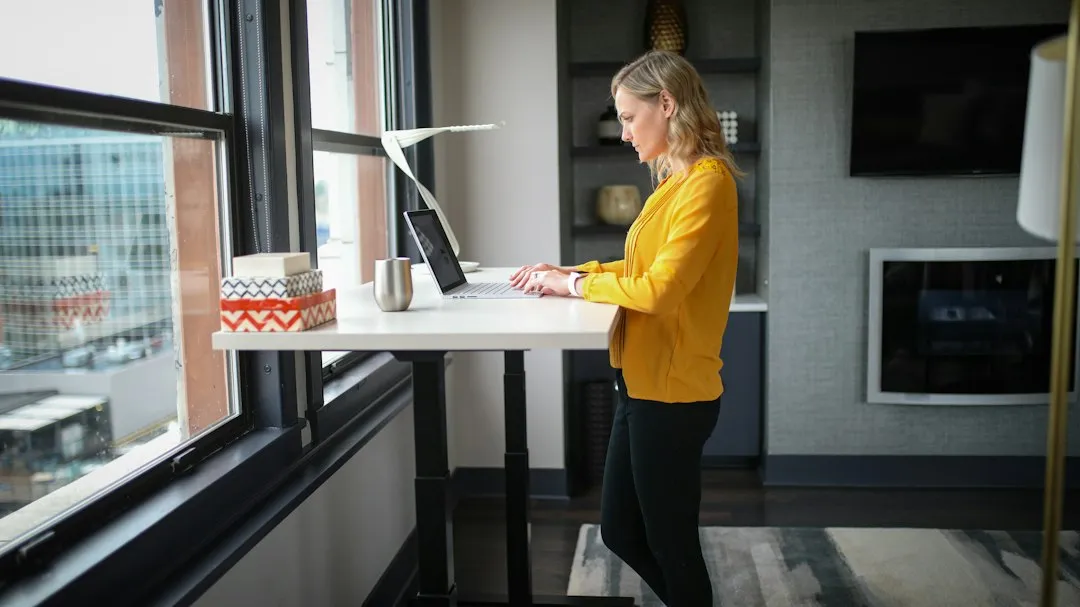
Perhaps the most striking recent finding goes well beyond the spine. In a laboratory study, participants who sat upright reported more positive feelings and performed better during a task involving risk and reward than participants who slouched or sat in a control condition. This research, published in the British Journal of Psychology in 2026, came out of McGill University.
Participants who sat upright reported greater feelings of pride and took more successful risks in a virtual balloon game than those who hunched over. Most did not realize researchers had influenced their posture, helping rule out the possibility that they were merely responding to expectations. The implication is real: posture may quietly shape how we feel and think throughout the day.
Children’s Spines Are Particularly Vulnerable

The pediatric spine, characterized by its dynamic anatomy and ongoing growth, is particularly sensitive to environmental and behavioral influences. This is exactly why early habits matter so much, and why the grandparent intervention, annoying as it felt, had a legitimate biological basis.
One of the most common health problems in children and adolescents is poor posture. It is often overlooked since it does not immediately interfere with daily activities and functioning. However, over time, poor posture can progressively deteriorate, potentially leading to musculoskeletal pain, compensatory movement patterns, and long-term spinal disorders. Catching it early, the way grandparents did, makes a meaningful difference.
How Modern Screens Are Making Things Worse
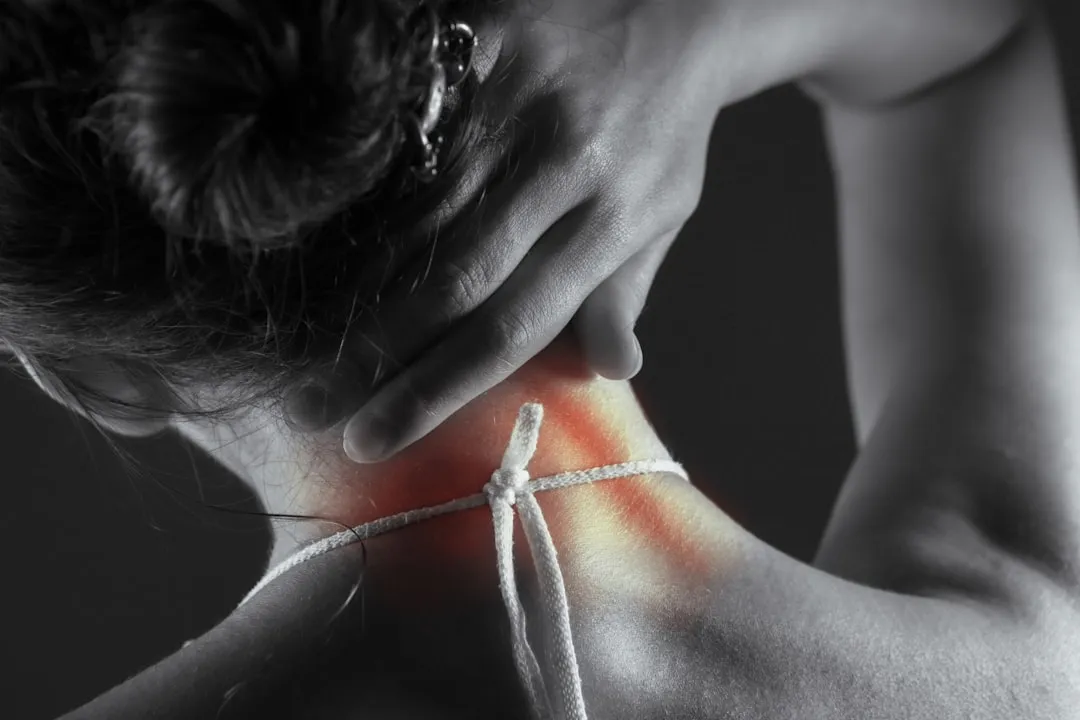
In recent decades, profound changes in the lifestyles of children and adolescents have raised growing concerns in the field of public health. The increase in sedentary lifestyles, combined with the increasingly widespread use of digital devices, has led to a significant reduction in opportunities for engaging in physical activity, with potential repercussions for the harmonious development of the musculoskeletal system.
Prolonged flexion from mobile device use stresses cervical spine tissues. Several terms describing this issue of forward head protraction appear in the literature, including “text neck syndrome,” “tech neck syndrome,” and “forward head posture syndrome.” Grandparents never saw a smartphone, but the problem they were guarding against has only intensified since.
What Early Postural Education Actually Achieves

Research on structured posture education in children shows results that are both promising and nuanced. Both postural education and corrective games programs showed significant improvements in kyphosis, forward head posture, forward shoulder posture, and daily habits after an eight-week training intervention. These are real, measurable structural changes in the spine.
The interventions effectively enhanced participants’ posture and daily activity patterns, with no significant differences between education and game-based groups. The sustainability of these improvements indicates that participants developed lasting skills and habits that promote spinal health. This highlights the importance of integrating educational and engaging physical activities to support children’s musculoskeletal well-being. In other words, repetition and early reinforcement, the very approach grandparents used, actually works.
Where the Science Gets More Nuanced
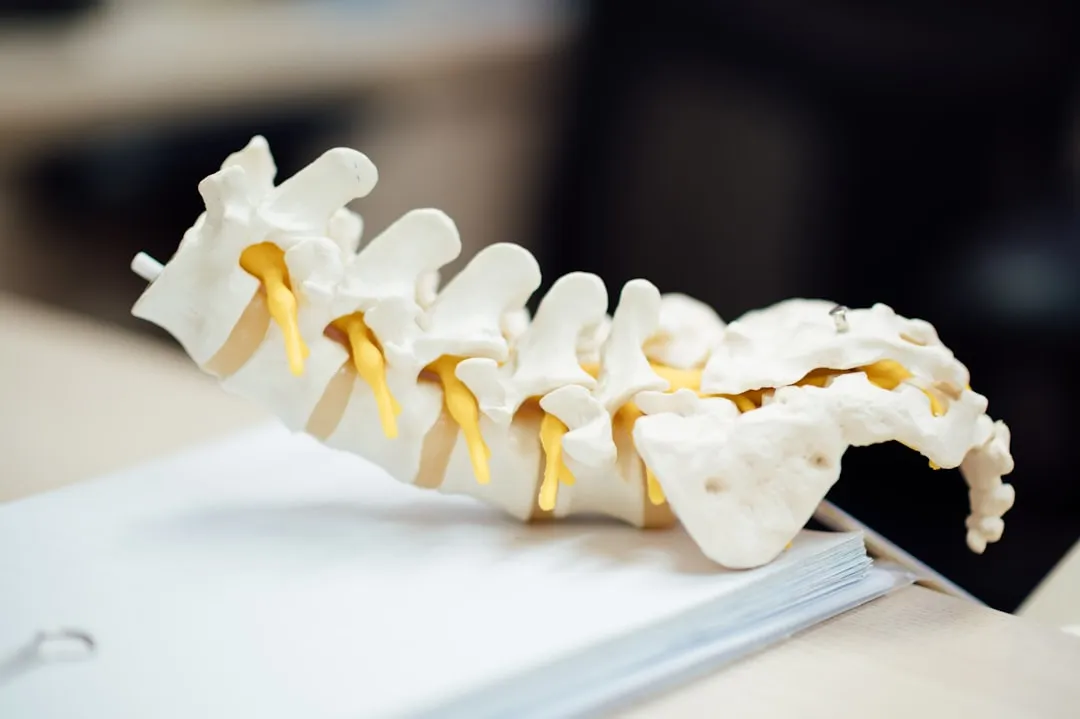
It’s worth being honest about where the research gets complicated. A common belief is that spinal pain is caused by sitting, standing, or bending “incorrectly,” yet despite the absence of strong evidence to support these common beliefs, a large posture industry has flourished, with many interventions and products claiming to “correct” posture and prevent pain. The relationship between posture and pain is real, but not perfectly linear.
Physical therapist Julianne Payton, PT, DPT, notes that bad posture is an easy thing to blame when you feel tight and achy. When you look at the medical literature, however, there is no hard evidence that posture on its own is a causal factor in pain. The upright habit matters, but it works best as part of a broader approach that includes movement, strength, and variety in position throughout the day.
The Takeaway
Grandparents enforced upright posture with a kind of stubborn consistency that probably felt excessive at the time. What current research confirms is that the core instinct behind it was sound. Prolonged sitting in non-neutral postures increases mechanical stress on spinal structures and may contribute to musculoskeletal discomfort, especially when combined with insufficient postural variability and muscle fatigue.
Maintaining spinal health requires an integrative approach that encompasses posture, nutrition, physical activity, and psychosocial context. That’s a more complete picture than any grandparent likely had in mind. Still, they were pointing in the right direction, with nothing more than experience, a steady gaze, and a firm belief that how you hold yourself matters. Turns out, it does.
AI Disclaimer: This article was created with the assistance of AI tools and reviewed by a human editor.