
More People Are Borrowing Than You Think
Roughly a third of Americans have borrowed items from neighbors at some point, and the numbers around shared projects are telling. More than one in four people say a neighbor has helped them with a DIY project, and when it comes to what neighbors need help with most, tool and equipment sharing tops the list.
Nearly eight in ten Americans say strong neighborhoods improve their quality of life, yet only about three in ten say they actually know their neighbors well. That gap matters when you’re considering whether to knock on someone’s door and ask to borrow their circular saw. Familiarity and lending go together more than most people admit.
Ask First. Always Ask First.

While it’s generally preferable not to borrow from neighbors if you don’t have to, the first rule when you do is simple: ask for the item, but don’t persist. It’s neighborly to be generous, but frequent borrowers soon become neighborhood pests.
Taking a tool without asking, no matter how small or how well you think you know the person, is not an acceptable shortcut. When you borrow or use someone’s things, you take on responsibility for them. That responsibility starts the moment you make the ask, not just after you pick it up.
The Trust Factor Is Everything
There are no contracts, signatures, or guarantees in a neighbor tool loan. The system is built entirely on trust, which means you carry a real responsibility to follow the etiquette. That sounds simple, but trust between neighbors is actually declining over time.
About 44 percent of adults say they trust all or most of the people in their neighborhood, while another 46 percent trust only some of them. Crucially, the share of Americans who say they trust their neighbors has decreased slightly in recent years. Lending a tool to someone you barely know is a genuine gamble, and most seasoned lenders know it.
Set a Return Date Before You Even Walk Away

Give a clear time when you will return the item and be punctual about it. Don’t abuse the lender’s trust if they say they need the item back by a specific time. The best practice is to never make someone have to ask you when the item is coming back.
This rule trips people up more than almost any other. The borrower gets absorbed in their project, a few days slip by, and the lender starts to feel awkward about following up. That awkwardness builds resentment quietly. A simple text confirming when you’ll return something can protect a neighborly relationship that took years to build.
Treat Borrowed Tools Better Than Your Own
When borrowing equipment, you should treat it better than you would treat your own things. That means reading the instructions, storing it properly, and handling it carefully. This isn’t overcaution. Tools returned dirty, dull, or visibly worse than they left are a common source of neighbor friction.
When borrowing tools for an extended period, resist the urge to leave them sitting out overnight. Even within the confines of your garage or workshop, equipment can suffer damage. Tools that come with cases should go back in those cases. Storage is part of the deal, not an afterthought.
Know What You’re Getting Into Before You Ask
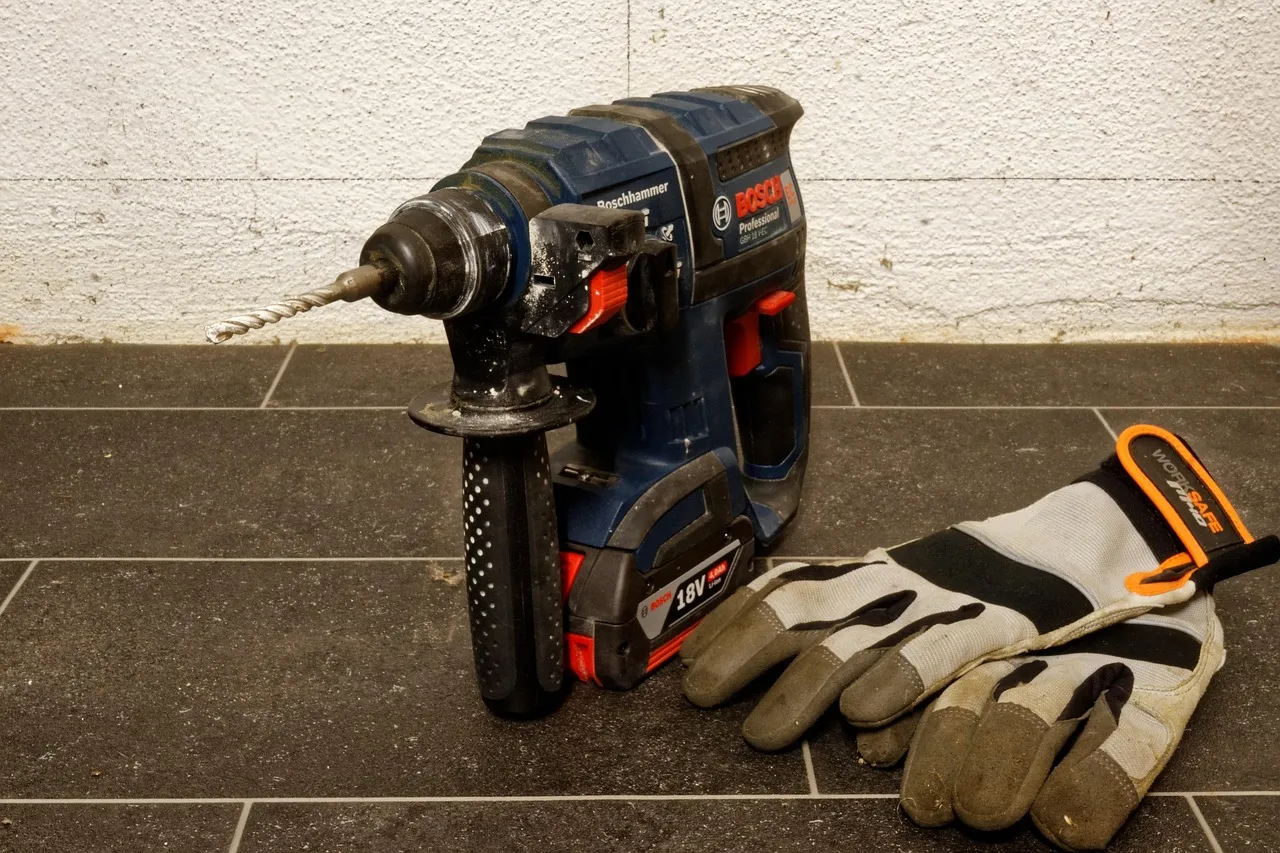
One widely shared rule among experienced tool owners is this: never borrow a tool you can’t afford to replace. It’s blunt, but it sets the right mental baseline. If a drill costs a hundred and fifty dollars to replace and you’re asking someone to hand it over on faith, you should be prepared to make it right if something goes wrong.
Some tools carry more risk than others, and extra care for tools like pressure washers or chainsaws makes obvious sense. When sharing potentially dangerous tools with neighbors you’ll continue to live near, the standard “better safe than sorry” absolutely applies. Knowing how to operate something safely before borrowing it is not optional.
If You Break It, Own Up Immediately
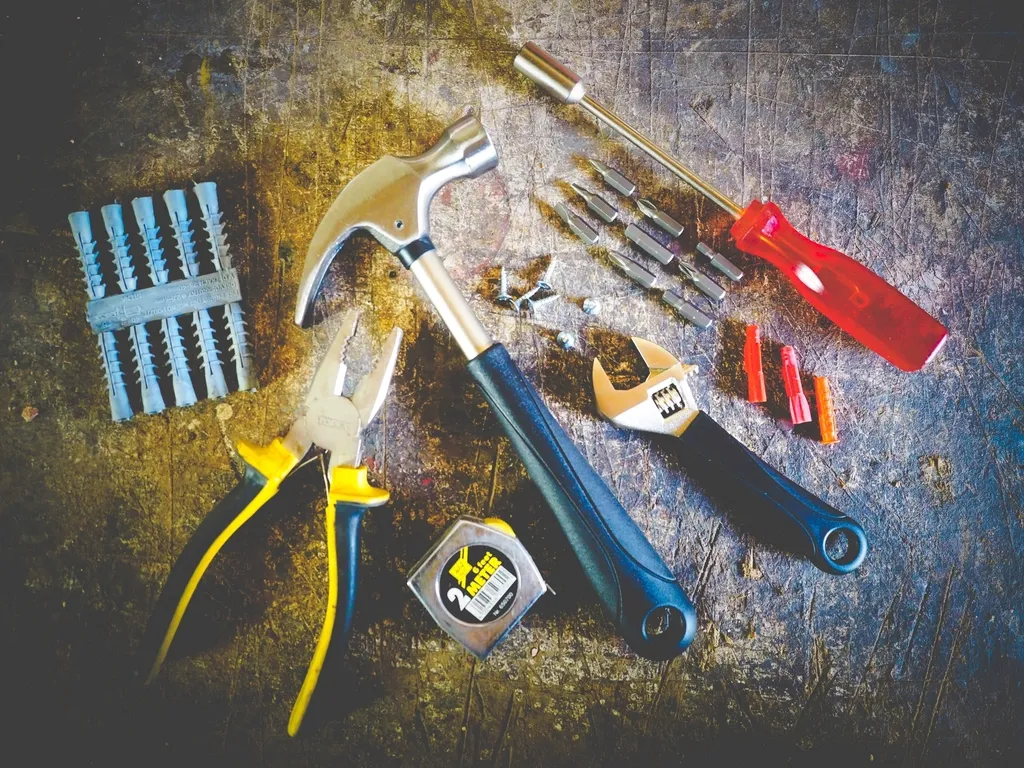
This is the rule that separates good neighbors from bad ones, and there’s no gray area. Return the item in at least as good condition as when you borrowed it. When that’s not possible due to an accident, say something right away. Don’t return a cracked drill bit housing and hope nobody notices.
Among neighbors who borrow from each other regularly and successfully, the understanding is clear: if something is lost or damaged, it gets replaced immediately. That kind of mutual accountability is what keeps informal lending arrangements functioning over years rather than collapsing after a single bad experience.
Say Thank You. Actually Mean It.
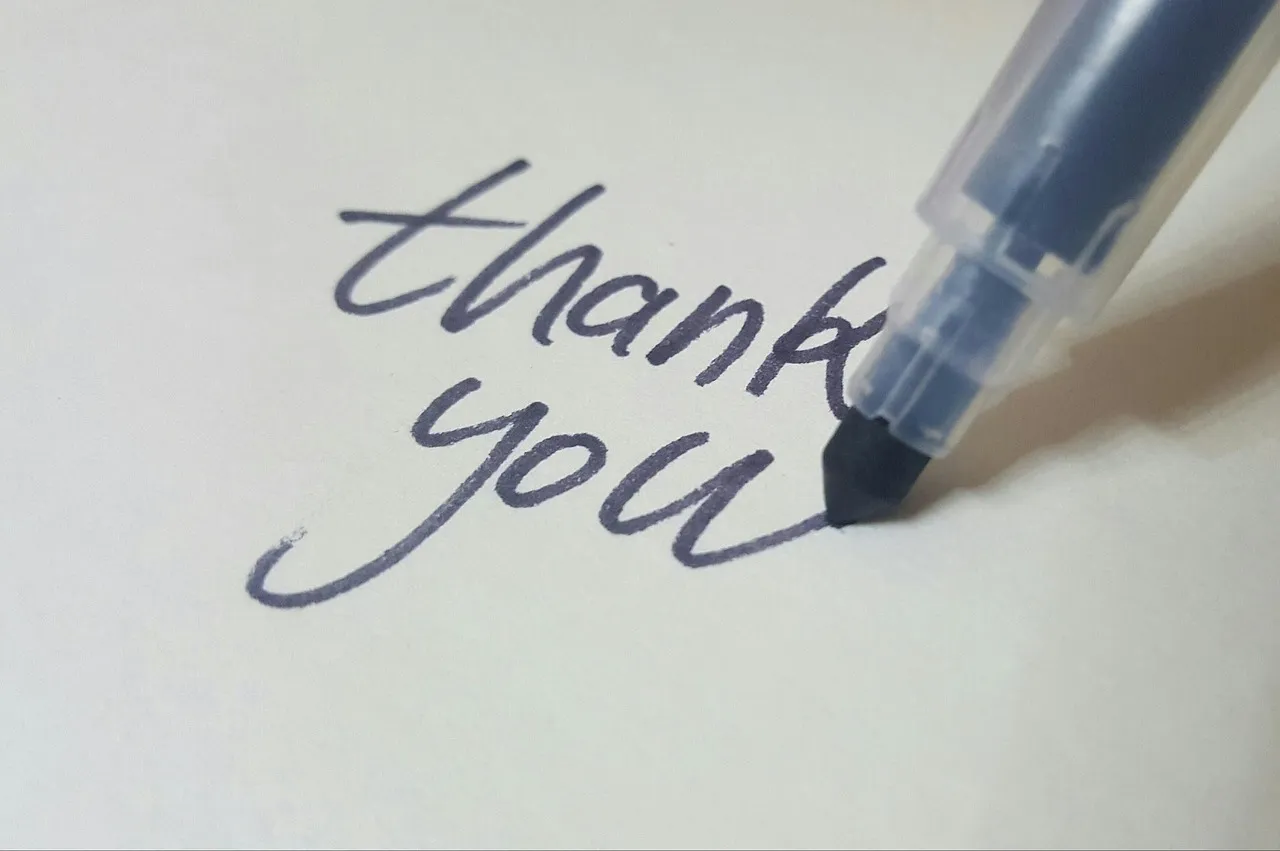
While most small favors like borrowing a tool don’t require a formal thank-you note, expressing appreciation is absolutely expected. Saying thank you in person is ideal, but a text, a quick phone call, or even a brief handwritten note works fine if you return the item without seeing the lender directly.
It’s also thoughtful to consider other ways to show appreciation. A small gesture, like dropping off something baked or offering to return the favor in kind, isn’t required, but it goes a long way toward keeping the goodwill going. Small gestures keep relationships warm in a way that nothing else quite does.
Don’t Make Yourself a Fixture at Their Tool Bench
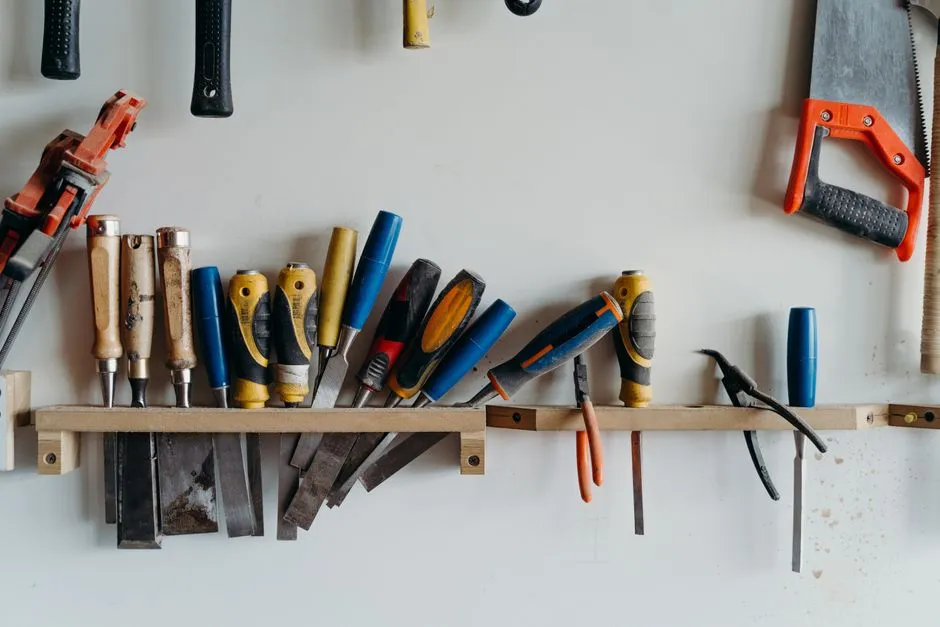
One-time borrowing is neighborly. Habitual borrowing is something else. Frequent borrowers soon become neighborhood pests. There’s no precise line, but if you find yourself knocking on the same door for tools every other weekend, it may be time to think about buying your own or contributing to a more formal arrangement.
Tool sharing saves money, reduces clutter, and uses fewer resources. That’s genuinely true, and it’s a good reason to participate in it. The key word is participate, not just receive. Being part of the sharing tradition means being willing to offer your own equipment too. You don’t have to open everything up to the whole street, but offering the same courtesy to anyone you’ve borrowed from is good practice.
Generational Gaps Are Changing the Dynamic
About a third of people say they’re not comfortable knocking on a neighbor’s door at all, and the generational divide here is striking. While roughly one in five Baby Boomers feel that way, fully half of Gen Z respondents say they don’t feel comfortable knocking on a neighbor’s door.
This discomfort has real consequences for informal tool lending, which has always depended on the willingness to simply show up and ask. Neighborhood apps, Facebook groups, and community message boards have stepped in to replace the backyard fence, becoming a primary way neighbors now share information and make requests. Digital channels have made the ask a little easier for people who find face-to-face requests uncomfortable, and that’s mostly a good thing.
The Takeaway
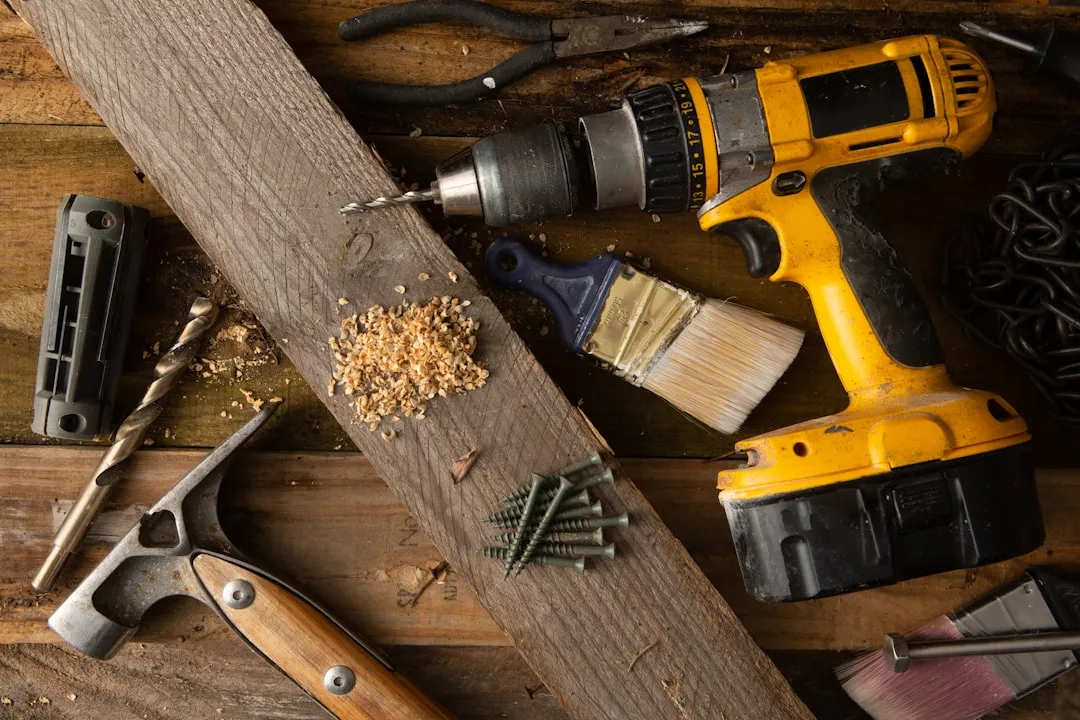
Tool borrowing between neighbors is one of those small social contracts that works beautifully when both sides respect it, and quietly falls apart when they don’t. None of the rules are complicated. Ask, communicate a return timeline, take care of what you borrowed, and say thank you.
The underlying truth here isn’t really about tools at all. Only about a quarter of U.S. adults say they know all or most of their neighbors, with another 62 percent knowing only some of them. That context makes every borrowed tool a small opportunity to either build something or erode it. Handled well, a returned drill in clean condition and a genuine thanks can do more for a neighborhood relationship than a dozen block party invitations.
AI Disclaimer: This article was created with the assistance of AI tools and reviewed by a human editor.