
1. Always Ask Before You Assume
The most common mistake people make is showing up with a dish nobody asked for, or worse, assuming the host wants one at all. If you want to bring a dish for your host to serve, discuss it in advance. A simple email or text will ward off any potential issues. This one step costs almost nothing and prevents a surprisingly long list of awkward scenarios.
Hosts must be clear about what guests should bring. It can feel strange and cheap to ask people to bring food to a party you are inviting them to, but it is still the host’s responsibility to be upfront about what will be provided. The conversation should go both ways. When a host stays silent, guests guess, and guessing at a dinner party rarely ends well.
2. Never Show Up with a Dish That Needs the Kitchen
Guests should not assume there will be oven, stove, or refrigerator space. Check with the host beforehand if your dish needs to be chilled or heated before the party starts, to make sure there is space available. A host who is mid-plating their own courses does not want to suddenly share counter space with your casserole dish.
If you are bringing a dish, prepare it ahead of time. One host described a guest who showed up late to dinner and announced they were making fresh whipped cream to go with dessert, forcing the host to scramble to pull out equipment and make room on the counter in the midst of entertaining other guests, creating additional mess and noise. Arrive ready to serve, not ready to cook.
3. Bring the Right Quantity, Not Just the Right Dish

If you and your dinner-party host have agreed that you’re going to bring a dish to be served at that particular dinner party, you’ll want to bring enough to feed all the guests. That sounds obvious until you realize how many people underestimate the math. A dish that serves four guests at a party of ten is only going to create quiet resentment.
Some hosts may not appreciate an overly generous portion either. As one registered dietitian noted, if it’s a dinner party for eight and you bring enough for twenty, your host is going to have a problem. Always ask your host exactly how much they need so there are no misunderstandings or accidental etiquette missteps. Quantity, like most things, is best calibrated to the actual situation rather than a general impulse toward generosity.
4. Label Your Dish and Its Allergens

Labeling your dish is no longer just a nice-to-have; it’s essential. With the rise of dietary restrictions and allergies, a simple label can prevent a serious health issue. Bring a small, folded card with the name of your dish and list key ingredients, for example noting whether it contains nuts, is gluten-free, or is vegan.
The numbers behind this are hard to ignore. As of 2024, nearly 22 million people have food allergies in the United States, which equals roughly 6 percent of the population. About 18 million U.S. adults have food allergies. At any reasonably sized dinner party, there’s a real chance someone at the table is managing one. A handwritten label is a two-minute gesture that shows you thought of more than just yourself. Label your dish with its name and major allergens.
5. Bring Your Own Serving Utensils

This is one of the most forgotten but most important pieces of potluck and shared-dish etiquette. Your host is already providing so much; they shouldn’t be expected to have fifteen different serving spoons, spatulas, and tongs. Tucking the correct serving utensil into your dish before you leave home is a sign of a seasoned, considerate guest.
Pack your own serving spoon, since hosts rarely have spares. It’s the kind of detail that seems minor right up until the moment the host is frantically rummaging through a drawer while the food gets cold. Coming prepared protects both the host’s evening and the quality of what you’ve brought.
6. Don’t Bring Store-Bought When Homemade Was Expected
There’s a real social contract involved when you agree to bring a dish, and it doesn’t stretch to cover a store-bought container you’ve transferred into a nicer bowl. Bringing bought food when everyone else has contributed a homemade dish is widely considered one of the more notable social missteps at a dinner party. Context matters here, but if in doubt, cook something.
Good potluck and shared-dish etiquette has little to do with bringing the most impressive dish. It rewards the contributor whose dish arrives serve-ready, clearly labeled, and filling the exact slot that was needed. Skill in the kitchen is welcome, but it is courtesy and timing that keep a shared table generous instead of chaotic. Effort still counts, even if the result isn’t restaurant-quality.
7. Handle Dietary Restrictions with Discretion
If you as a guest have true dietary restrictions, the most gracious approach is to contact the host ahead of time, sometimes bring your own food, and put everyone at ease as you navigate your situation. Guests who handle this well are genuinely impressive. Don’t make it the centerpiece of the evening, but don’t stay silent until food is already on the table.
Hosts, it’s always good to ask if anyone has any dietary limitations. If you have someone who requires special food handling, ask their advice and take it. For guests bringing dishes, this cuts both ways. If you know the group includes someone with a specific allergy, either adapt your recipe or make it clearly known that your dish isn’t safe for them. The table is communal; the care should be too.
8. Arrive on Time and Serve-Ready

Arrive within the host’s stated window, and arrive serve-ready, not still cooking. This sounds like table-stakes advice, but it’s violated constantly. A dish that needs twenty more minutes in someone else’s oven is not a contribution; it’s an interruption. Your role as a guest who brings food is to make the host’s evening easier, not to add another item to their checklist.
Timing also affects the food itself. The temperature of a dish has the power to change how it tastes. Savory dishes can seem less salty when served hot, while sweetness becomes more pronounced as foods warm up. Arriving with your dish at the right temperature, rather than half-cooled in transit, is part of the contribution. Invest in an insulated carrier if the trip is long.
9. Take Your Dish and Leftovers Home
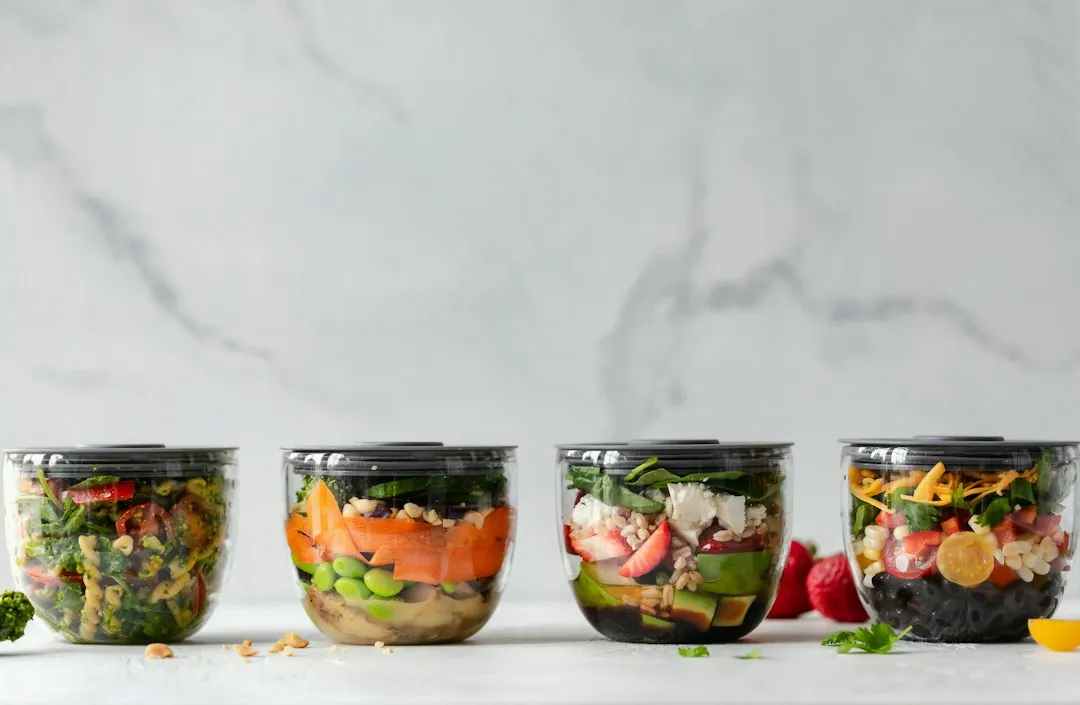
Take your dish and its leftovers home at the end of the evening. This is one of those norms that guests frequently forget, apparently operating under the assumption that the host will enjoy a week of eating someone else’s side dish. Unless your host specifically asks to keep something, pack it back up before you leave.
Labeling the bottom of your dish and utensil with your name using masking tape is a smart move to ensure you get it back. It also saves the host from having a collection of orphaned serving dishes in a cabinet with no idea who they belong to. The practical details of a dinner party extend past the meal itself, and a good guest accounts for the full arc of the evening.
10. Remember That Drinks Count as a Contribution Too

Not every dinner party situation calls for a cooked dish. Sometimes the host has a complete menu planned and simply doesn’t need another course. In that case, drinks are an easy, low-lift but genuinely helpful option. A thoughtfully chosen bottle of wine, a case of sparkling water, or a quality juice signals that you came prepared to contribute without disrupting a carefully constructed menu.
Shared gatherings work best when everyone works together, so you don’t end up with ten bottles of wine and not enough food. The flip side of bringing drinks as an easy fallback is that the group collectively ends up with a lot of wine and very little else. Coordinate. A quick message to the host or a fellow guest beforehand is all it takes to avoid a lopsided table.
The Real Point of All These Rules
None of these guidelines exist to make social life more complicated. They exist because a dinner party is fundamentally an act of generosity by the host, and how guests show up, in every sense of that phrase, either honors or undermines that effort.
The courtesy runs both ways. Guests owe the host a dish they can count on, and the host owes guests the information and the setup that lets a dozen separate contributions land as one coherent meal. When that exchange works well, nobody notices the etiquette at all. The food is good, the table feels abundant, and the evening flows.
The unspoken rules stay unspoken precisely because, when everyone follows them, there’s nothing to talk about. Show up prepared, label your dish, bring your own spoon, and take the leftovers home. Everything else tends to sort itself out.
AI Disclaimer: This article was created with the assistance of AI tools and reviewed by a human editor.