
It Belongs to No One, So It Reflects No One

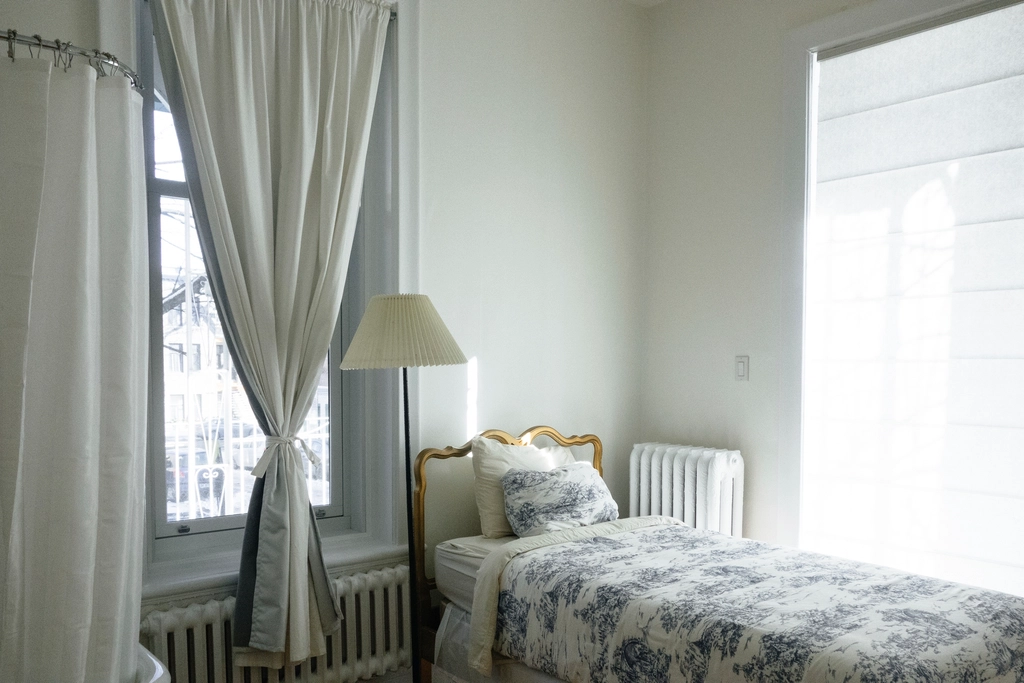
Every other room in a home has a clear owner. The primary bedroom reflects the people who sleep in it every night. The kitchen reveals cooking habits and lifestyle. The guest room, by contrast, is decorated for an imaginary future occupant, and that makes even basic decisions feel uncertain.
Without a defined user, choices about color, art, and furniture style become almost philosophical. A Houzz decorating survey with more than 1,700 respondents found that only about one in fifty homeowners felt they had actually achieved their ultimate vision for their home, suggesting that decorating uncertainty runs wide and deep. In the guest room, that uncertainty is almost guaranteed from the start.
The “Storage Dump” Problem Is Real and Very Common
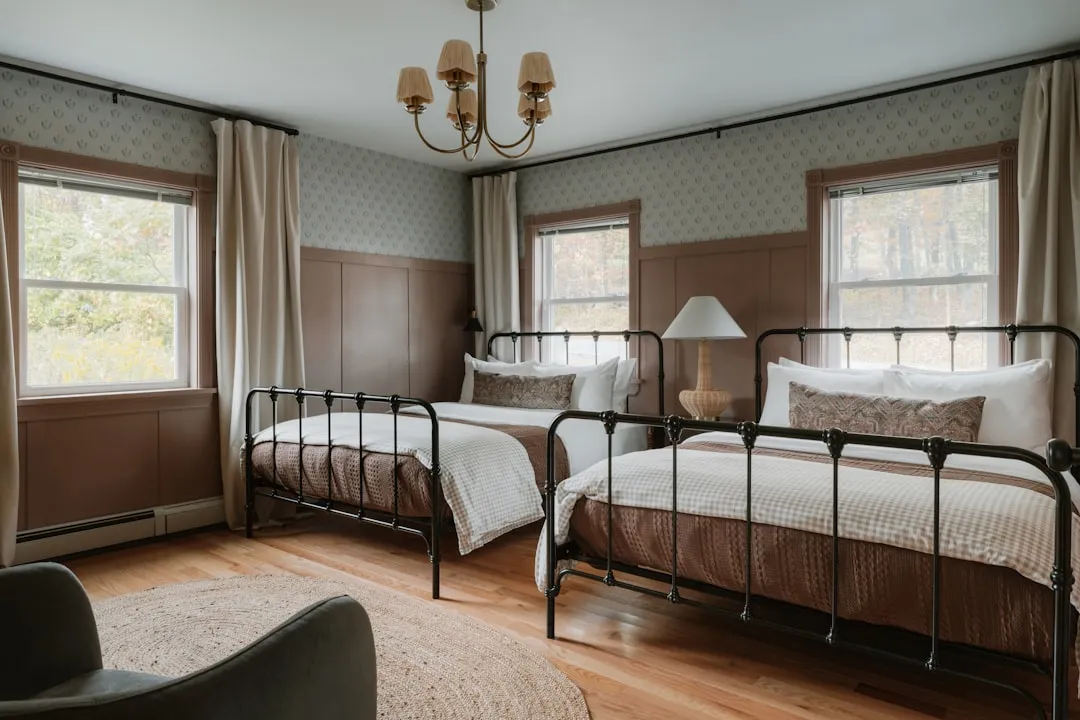
Because the guest bedroom isn’t used all that often, it can sometimes turn into a storage room of sorts, a holding place for random objects, decorations, and small trinkets that you don’t want to toss but don’t know where to put. This creeping accumulation of stuff is one of the most honest explanations for why guest rooms resist decoration.
An excess of knick-knacks can make the guest room feel cluttered rather than considered, and they can even visually date the room. The issue isn’t just aesthetics. Once a room has been mentally assigned the role of overflow storage, it becomes psychologically difficult to reclaim it as a genuine, curated space.
Designing for Comfort Without Knowing Your Guest
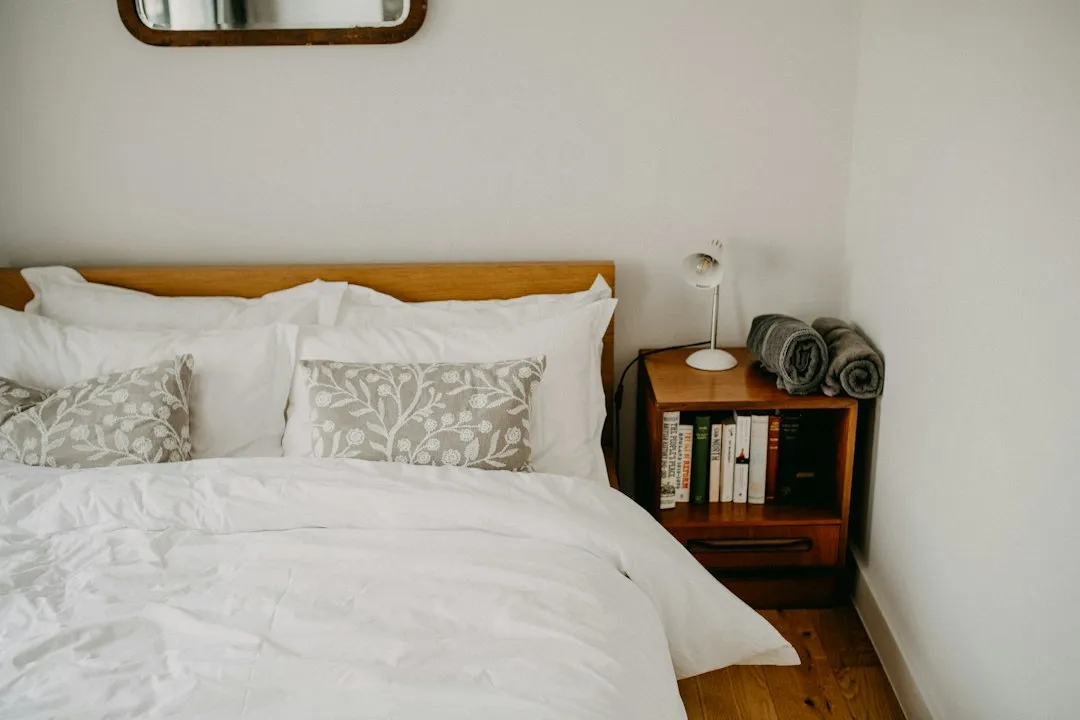
There can be real pressure to create a perfectly decorated guest room to impress visitors. Having to anticipate guests’ needs and preferences, while also wanting to craft an aesthetically pleasing room, can quickly become overwhelming. The design challenge here isn’t superficial. It’s rooted in genuine uncertainty about who will actually use the space.
When it comes to decorating a guest room, it’s important to approach it as an extension of your home’s overall style, although what that looks like specifically depends on how many rooms you have in your house, how big your space is, and how much you are willing to invest. Those three variables alone create a wide range of outcomes, which explains why no two guest rooms ever look quite the same, even in homes with similar budgets and square footage.
The Dual-Purpose Dilemma: Office, Gym, or Bedroom?
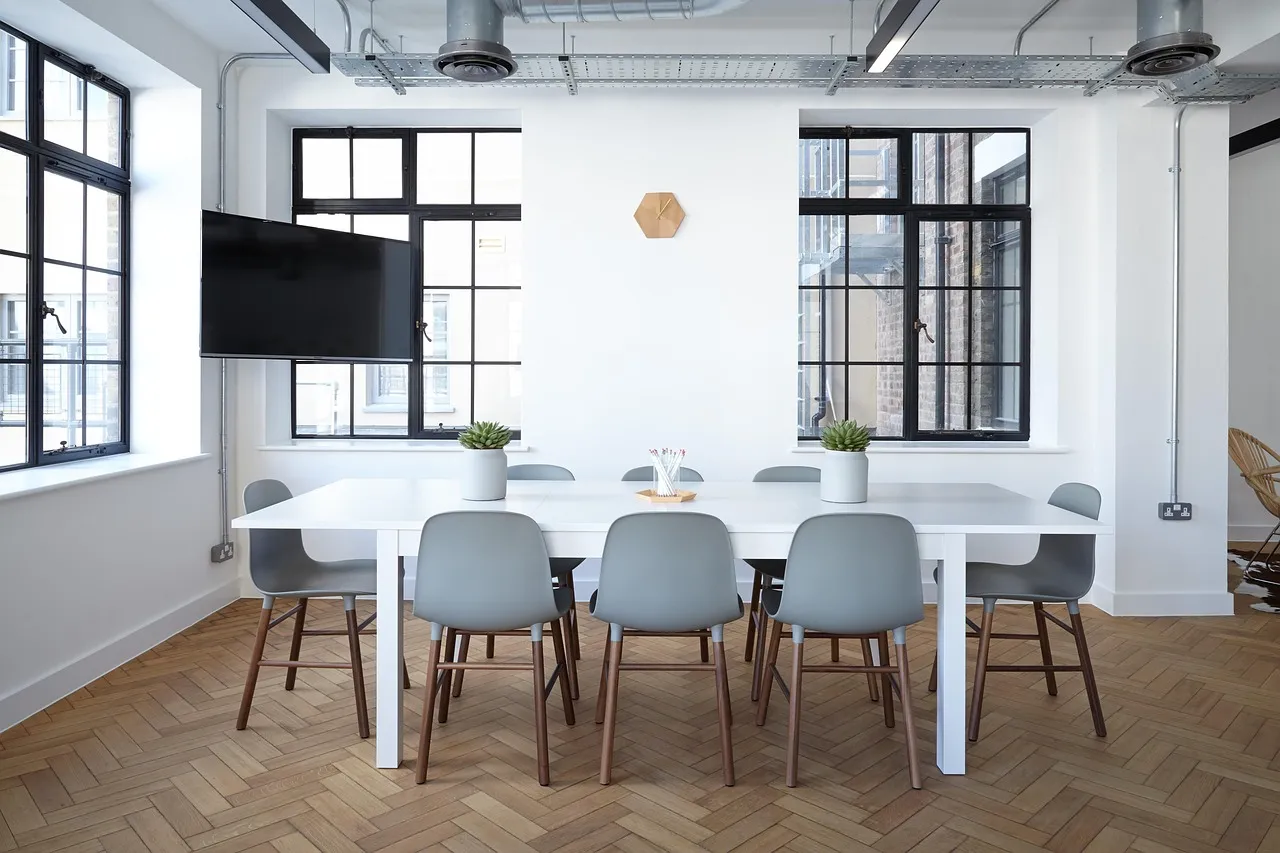
Evolving work-from-home habits have forced spare bedrooms to perform double duty, with homeowners embracing flexible “office guest room” hybrids that handle video calls by day and overnight visitors by night. Balancing two very different functions in one room requires careful planning that most general decorating guides don’t address.
Some 77% of experts surveyed say that having a multifunctional space is the biggest home office trend in 2024. According to the AIA Home Design Trends Survey, flexible spaces and multi-function rooms, like a hobby room which converts to a guest bedroom, represent one of the strongest growing home design trends. Trying to serve both purposes without sacrificing either one is where most homeowners hit a wall, literally and figuratively.
Color Choice Feels Riskier in a Room You Rarely Use
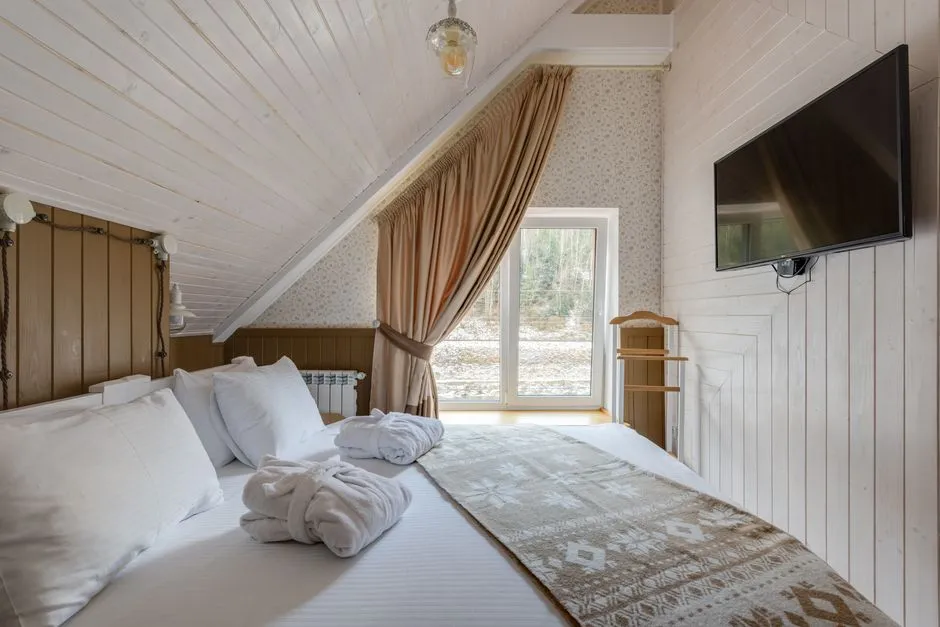
Color decisions are already stressful. In the guest room, they’re even more fraught because you’re choosing not for yourself but for an undefined audience. Go too bold and guests might feel uncomfortable; go too neutral and the room risks feeling like a budget hotel.
If your style leans toward the bold and vibrant, you might want to consider dialing it back a little so as not to overwhelm guests, but at the same time, try not to fall into the trap of making the room so neutral that it could be a budget hotel room. Light tones, especially soft greys, blues, and whites, visually open up the room, while consistent tones from wall to ceiling reduce visual clutter. Finding a middle ground between these two risks takes more design confidence than most homeowners realize.
Furniture Decisions Are Complicated by How Rarely Guests Come
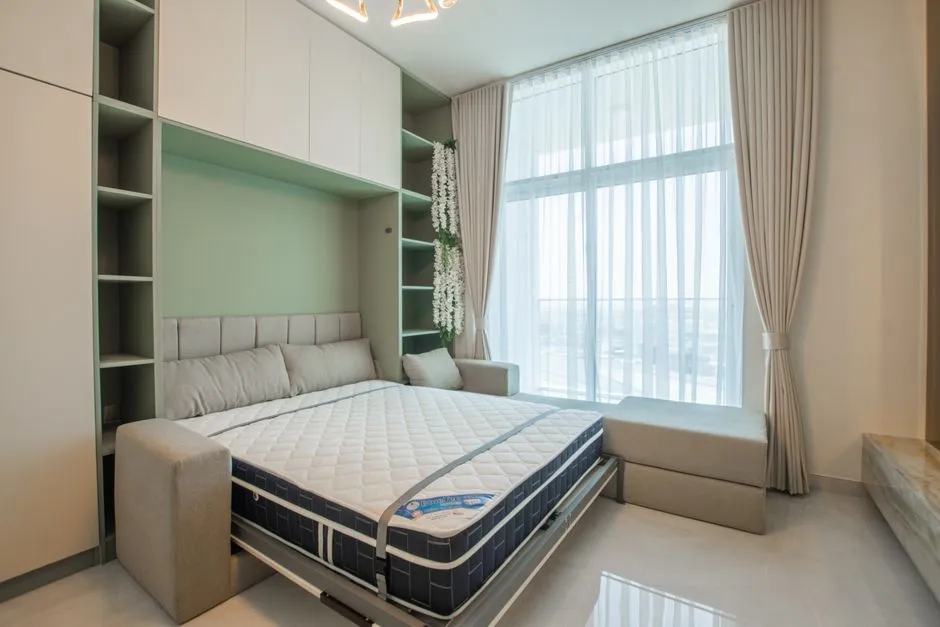
It’s not always practical to devote an entire room to the occasional visitor, but with a little creativity you can design a space that welcomes guests when needed while doubling as an office, media room, or playroom the rest of the time. The problem is that most furniture doesn’t serve two masters well without compromise.
Furniture makers are responding to this challenge, with Better Homes and Gardens reporting a surge of Murphy beds with integrated shelving and desks, reflecting a wider push for multipurpose furniture in 2025 homes. Still, investing in convertible furniture requires upfront planning and a higher budget, two things that homeowners often delay when the room isn’t a daily priority.
The Room Often Gets the Lowest Design Budget
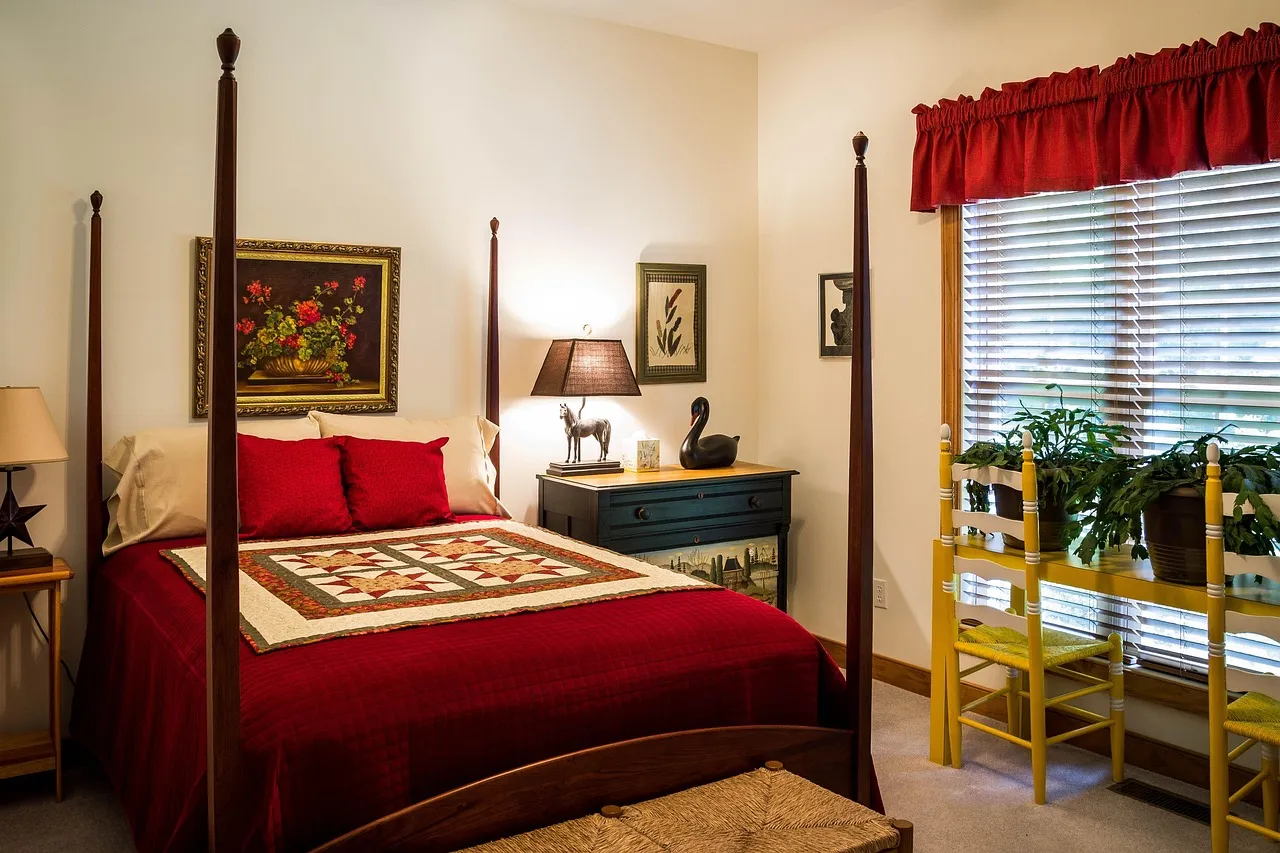
Guest rooms rarely compete well for household spending when ranked against kitchens, primary bedrooms, and living areas. The logic makes sense: why spend heavily on a room that gets used only a few nights a year? That reasoning, though practical, tends to produce interiors that look provisional and half-finished.
Designers recommend investing in a high-quality mattress and fresh, hotel-level bedding as a foundation for the guest room. Good ambient lighting on both sides of the bed, a water carafe, and a catchall tray on the nightstand are also key recommendations from design professionals. These aren’t luxury items, but they represent a level of thoughtfulness that requires deliberate spending and planning rather than leftover furniture and forgotten decor.
Trends Move Fast, and the Guest Room Often Gets Left Behind
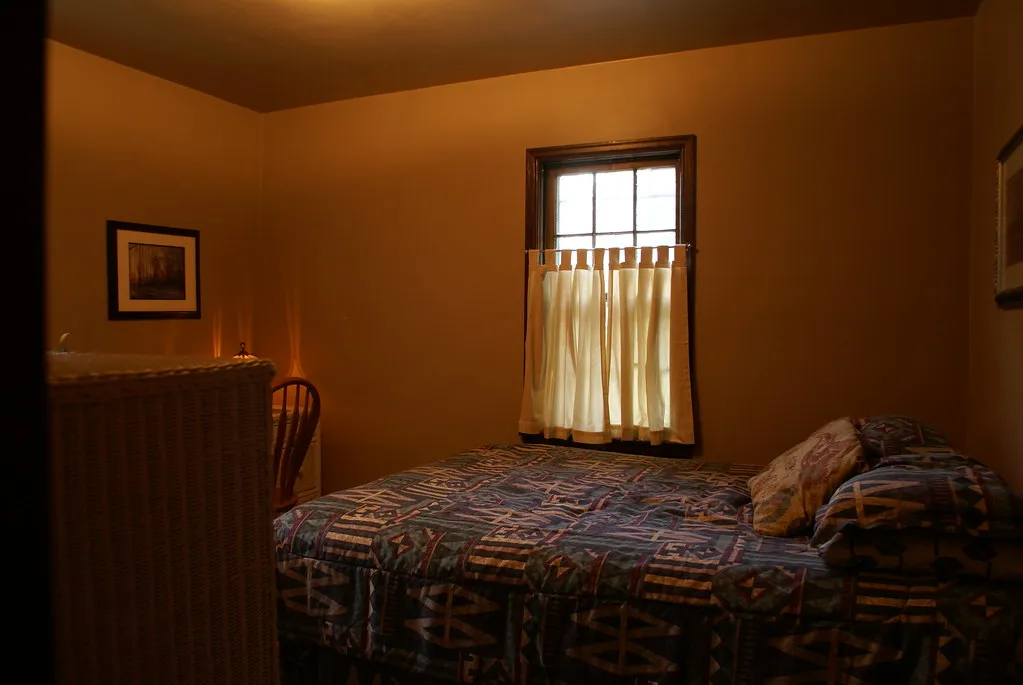
The guest bedroom really comes into its own during the holidays, when it’s likely to come out of hibernation and see more traffic than it has all year, but that also means a few updates might be needed, and there may be some key dated elements that need switching out.
In 2026, the emphasis in well-designed guest bedrooms is on blending utility with understated luxury rather than decorative excess. Multifunctional spaces are redefining modern living, and designers are embracing modular furniture, hidden storage, and convertible desks to make small spaces feel expansive and intentional. A guest room decorated even three or four years ago can look surprisingly dated today if it hasn’t kept pace.
Accessories and Personal Touches Are Genuinely Hard to Get Right
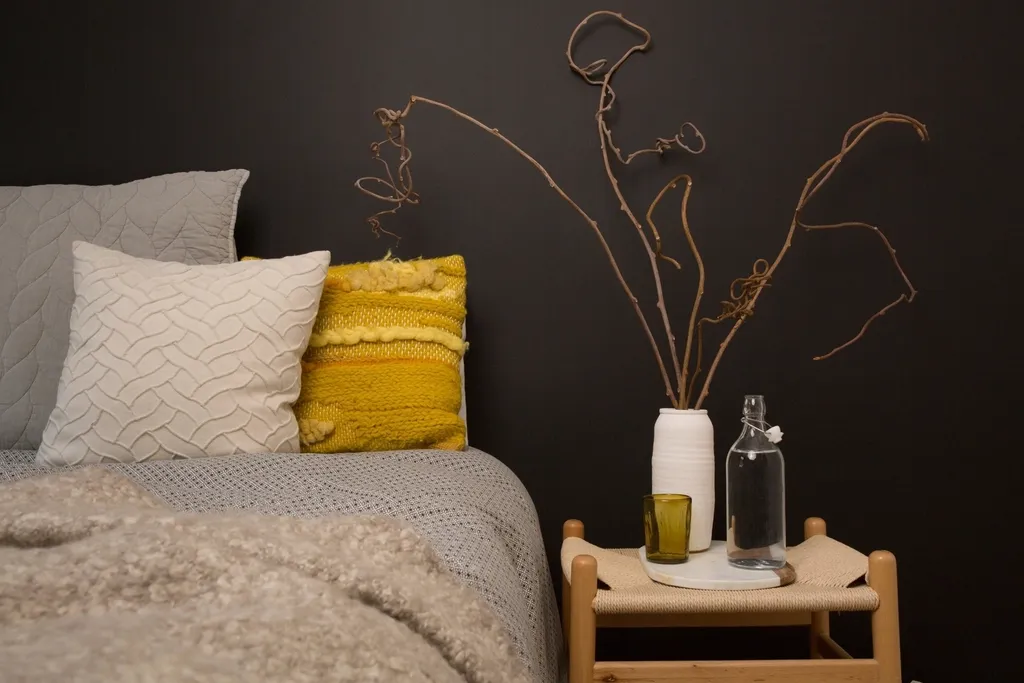
When it comes to decorating a guest bedroom, selected accessories such as art, cushions, or decorative pieces can add a wonderful splash of character without overwhelming the space or giving the impression that the room is just a dumping ground for unwanted trinkets. That balance is harder to strike than it sounds.
Some visitors might actually prefer a guest bedroom that feels lived-in over one that’s sparsely decorated, but what’s important is to keep knick-knacks to a minimum and keep the space curated so guests won’t feel as if they’re intruding into your personal space. Getting this calibration wrong in either direction tends to undermine the whole room, which is exactly what makes accessorizing guest spaces so tricky.
2026 Design Thinking Points Toward Intentional Flexibility
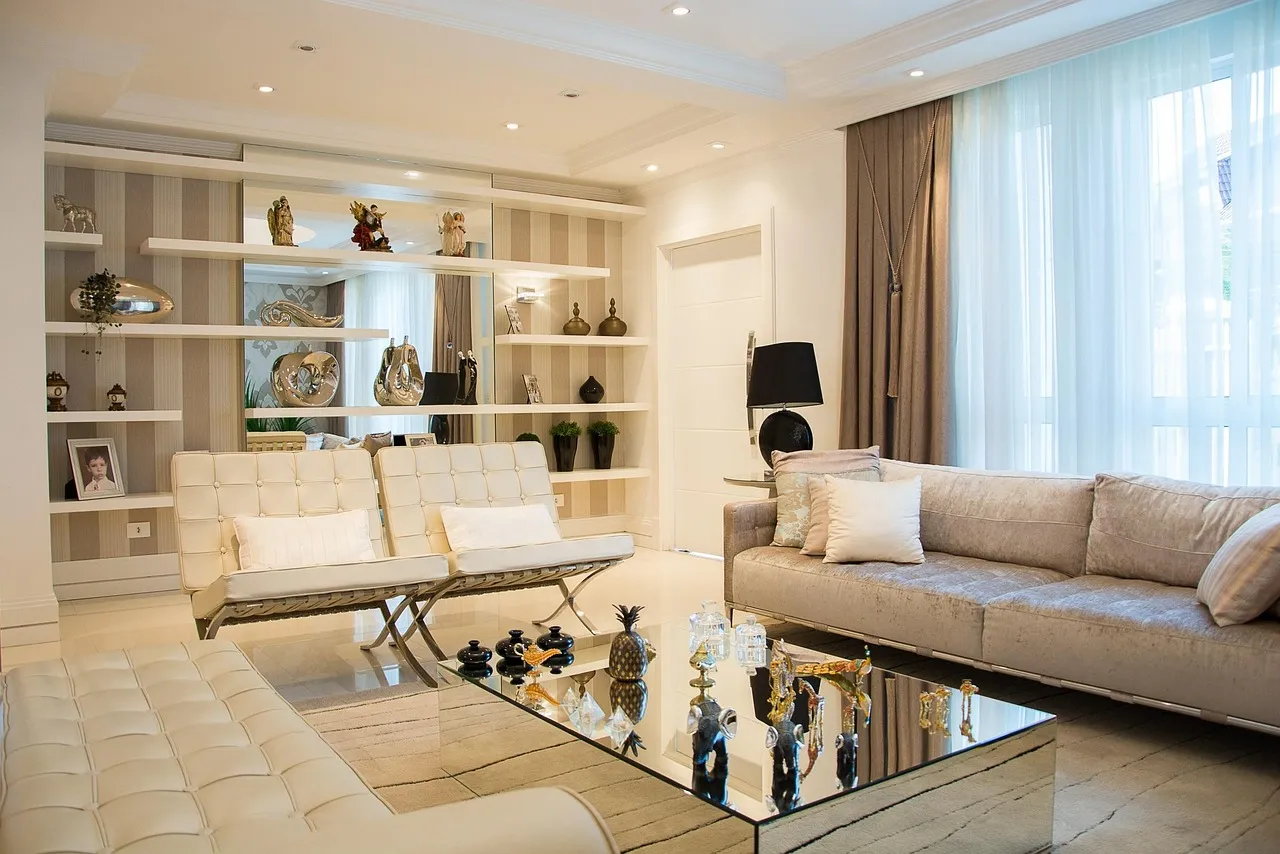
In recent years, room design has focused on several key priorities: personalization, technology integration, health, sustainability, and cost efficiency. For the guest room specifically, the most relevant of these is intentional personalization, designing with purpose rather than decorating by default.
Minimalism in 2025 and beyond has softened, trading stark perfection for warmth and personality, with creamy neutrals, layered textures, and natural materials making spaces feel calm yet lived-in. That shift actually works in the guest room’s favor, because a warmer, more relaxed aesthetic is far more forgiving than rigid perfection. The room doesn’t need to look like a showroom. It needs to feel like somewhere a person could genuinely rest.
The Takeaway
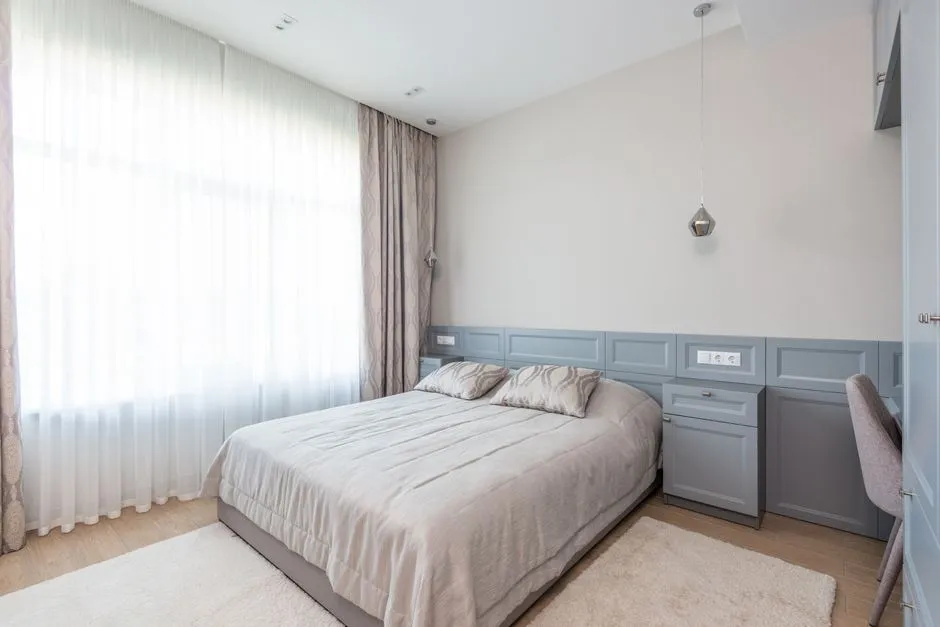
The guest room is hard to decorate not because people lack taste, but because the brief itself is uniquely contradictory. It needs to feel personal without being too personal, comfortable without being extravagant, stylish without being dated, and functional without looking utilitarian.
Most rooms in a home have a clear inhabitant to design around. The guest room asks you to design around an idea. That’s a genuinely difficult thing to do well, and understanding that difficulty is probably the most useful starting point of all.
AI Disclaimer: This article was created with the assistance of AI tools and reviewed by a human editor.