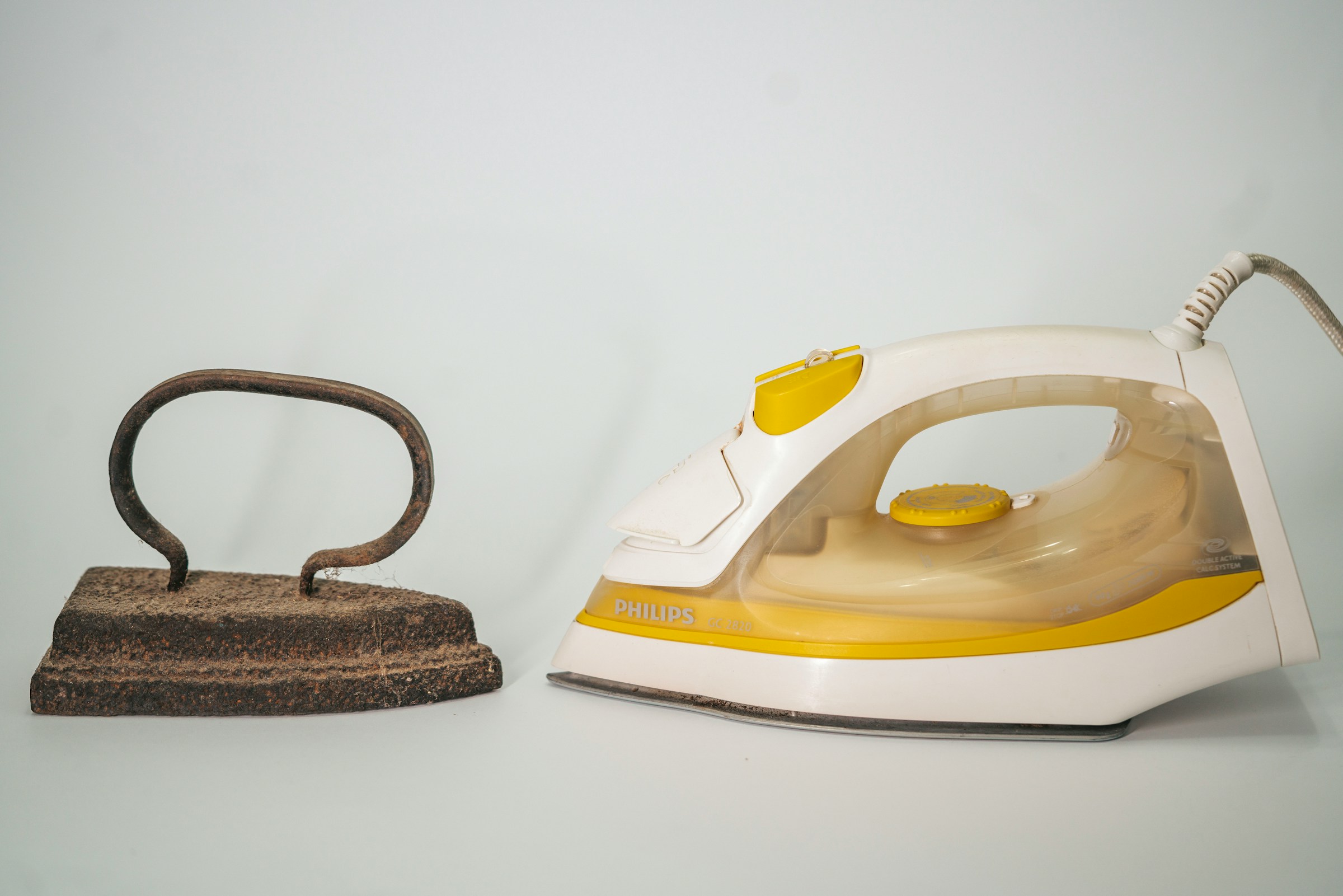

When Ironing Was Simply Part of Getting Dressed
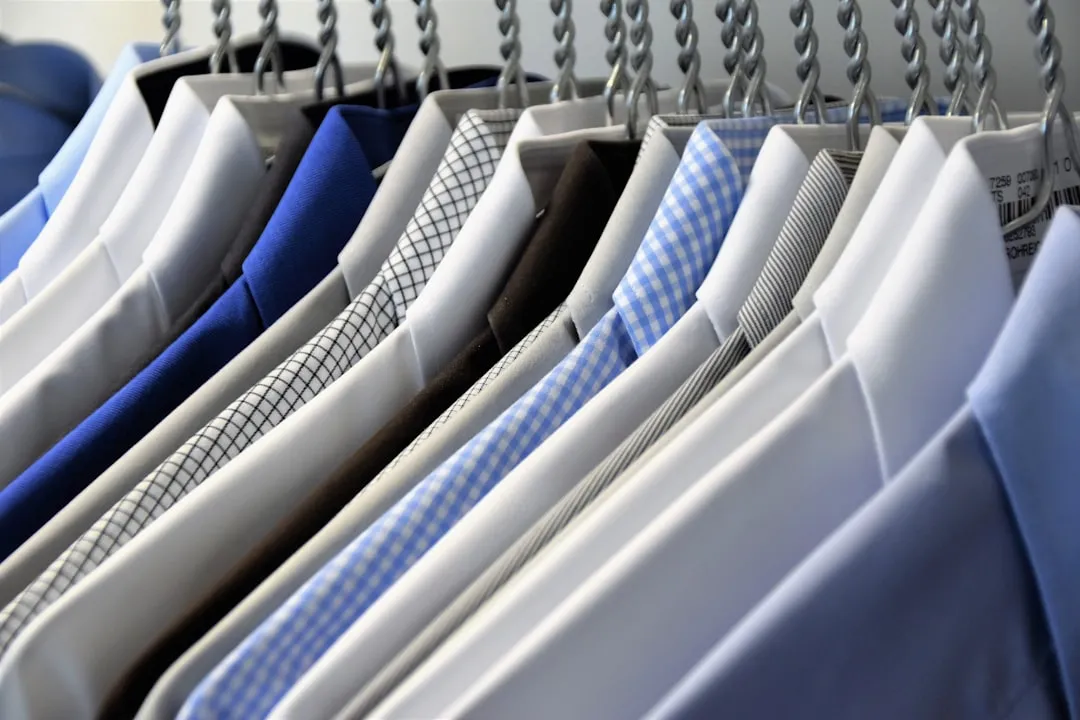
Not long ago, ironing was simply part of getting dressed. If you wanted to look put-together, you pressed your shirt. If you were heading to work, you would iron your pants. Sunday evenings often meant standing at the ironing board, preparing outfits for the week ahead.
The ritual carried a kind of quiet discipline. You’d set the temperature, fill the reservoir with water, and work methodically through each section of fabric. It was unhurried work, and for many households, completely non-negotiable.
What was once considered a basic adult responsibility is slowly fading into irrelevance. Between shifting dress codes, modern fabrics, and busier lives, ironing is becoming less essential and in some homes, completely obsolete.
The Numbers Tell a Clear Story

The overall sales of irons have declined over the past several years, with the decline in the 18-to-44 age group outweighing growth in the 45-plus age group, according to the NPD consumer tracking service.
Roughly thirty percent of 18- to 34-year-olds don’t own an iron and have never even touched one before, according to reports. That figure would have been almost unthinkable in previous decades, when the iron was as standard a household item as a kettle.
For traditional irons, four out of ten orders go to people over 45, and not even one in three to those under 34. The generational gap in iron ownership is no longer a small trend. It’s a structural shift.
Why Young People Stopped Ironing
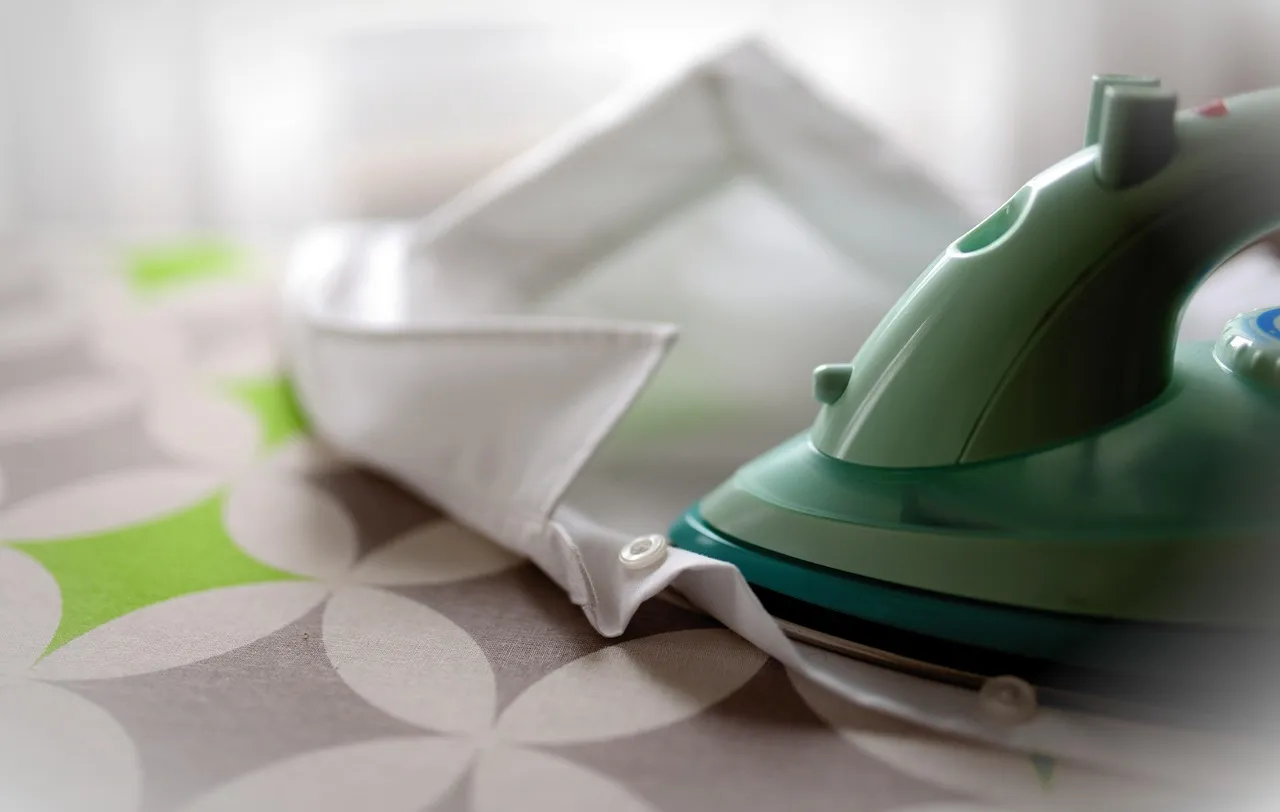
Growing up during COVID with remote learning on Zoom from home for years, Gen Z has struggled with navigating dressier attire. Years of sweatpants and casual video calls quietly reset the baseline for what “presentable” means.
Workplaces have been trending more relaxed for years. Remote work made sweatpants normal. Business casual softened into “comfortable but presentable.”
When you’re not wearing stiff cotton dress shirts or tailored slacks every day, ironing simply isn’t necessary. T-shirts, knits, stretch fabrics, and athleisure don’t demand pressing the way traditional workwear once did. Once people stopped ironing regularly, many realized they didn’t miss it.
The Rise of the Steamer and the Wrinkle-Free Shirt
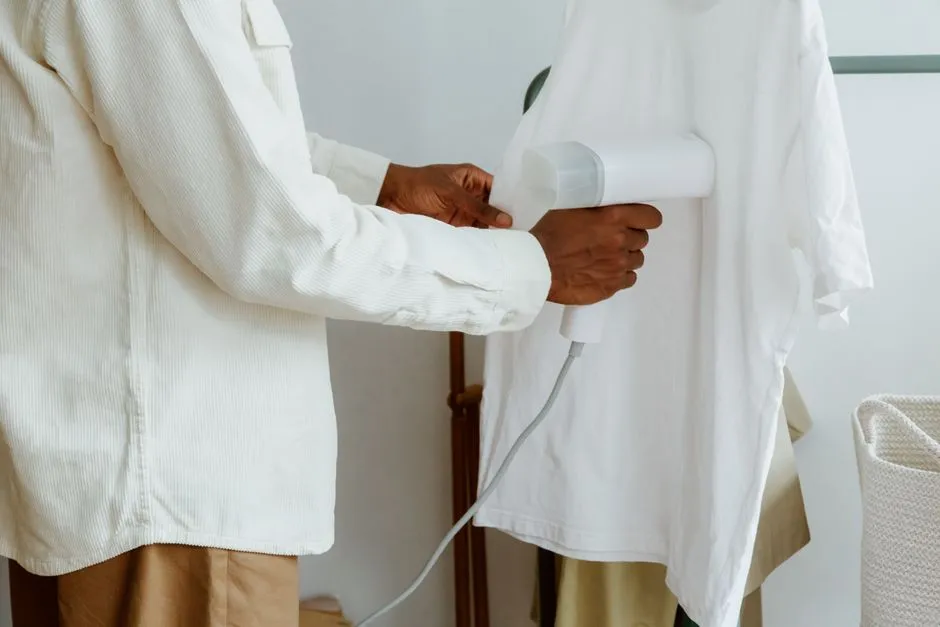
The younger generations also value wrinkle-free clothing, yet they iron less than their parents and grandparents, relying on steamers instead. Nearly half the steamers sold on major retail platforms in 2024 went to customers under the age of 35.
Today’s fabrics have taken things even further. Blends, synthetics, and performance materials are designed to dry smooth and hold their shape. Many shirts now come labeled “no iron,” and for everyday wear, pressing feels optional at best.
Search data from mid-2024 to mid-2025 shows a significant spike in searches for “wrinkle free dress” in February 2025, and by July 2025, the first recorded consumer interest in “wrinkle free blazers” had emerged, suggesting the category is expanding well beyond casual wear.
Fashion’s Quiet Permission Slip for Wrinkles
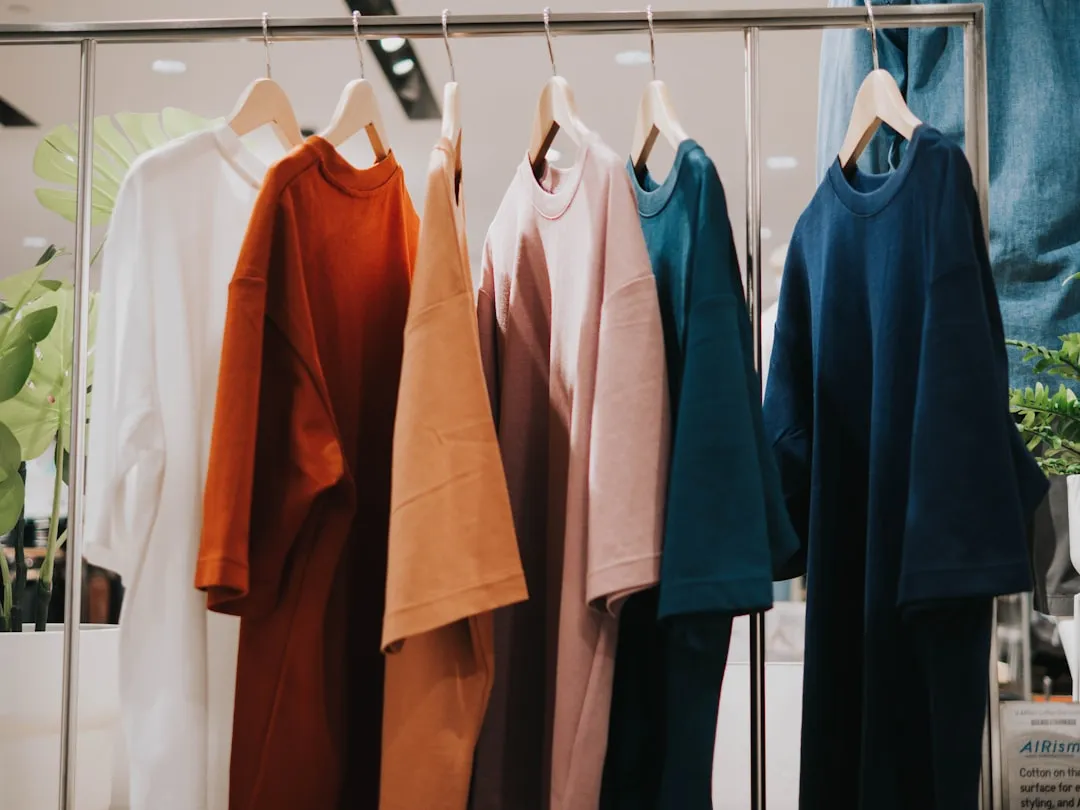
Clothes that have never been ironed are part of the creative vision of designer Miuccia Prada, who presented visibly wrinkled models on the catwalk as early as 1998 and revisited the idea in the Prada spring 2023 presentation.
In 2025, wrinkles are no longer a faux pas; they’re a manifesto. This trend fits perfectly with the aesthetic of “lazy luxe,” a style that blends casualness and elegance. When the most influential names in fashion are actively choosing not to press their clothes, the cultural permission to skip ironing becomes very real.
The number of people who iron regularly has plummeted in just one short generational span. Ironing was a thing, and now suddenly, it isn’t.
The Actual Technique, Explained Properly
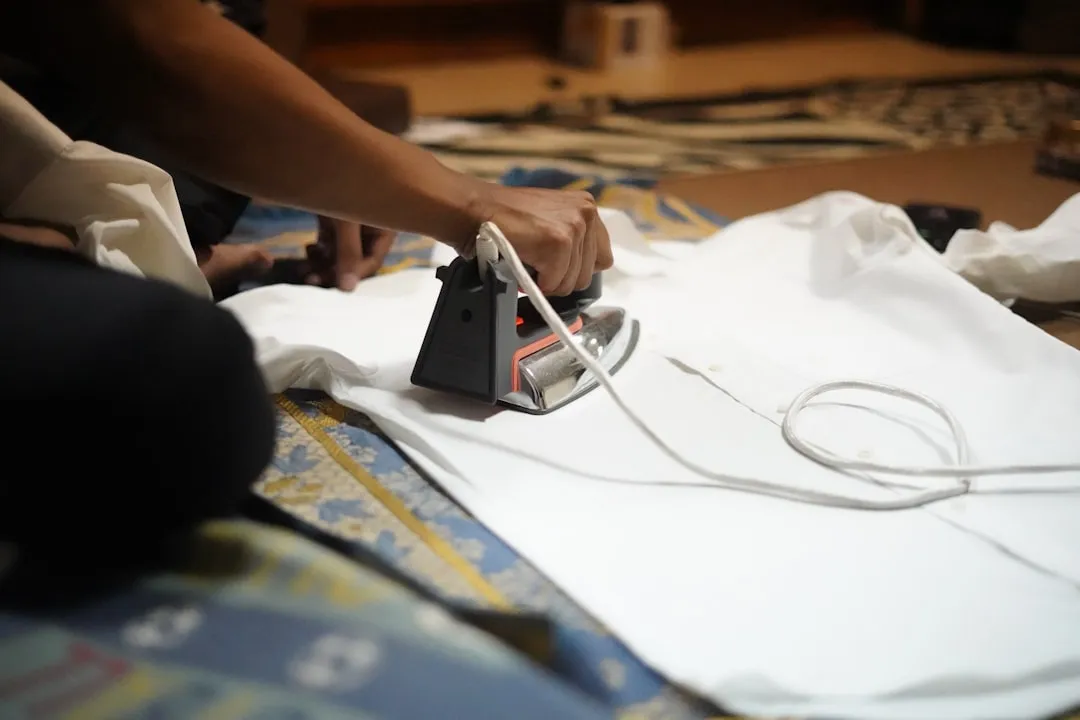
For those who do still iron, or who want to learn, the method matters enormously. Done right, pressing a dress shirt takes roughly ten minutes and delivers a result no steamer can truly replicate. Done wrong, you’ll chase wrinkles from one panel to the next until you give up.
Experienced pressers work the same sequence every time: cuffs, sleeves, collar, yoke, front, back, then hang. Do it that way and the parts you iron last don’t undo the parts you ironed first. Do it in any other order and you’ll keep chasing fresh wrinkles into fabric you already pressed.
Start by popping the collar up and beginning with the back. Press any wrinkles to the bottom where they’ll be less visible, then flip and repeat. Iron from the middle of the collar outwards all the way to the tips of the collar points. Because the collar is a thicker, stiffer piece of material you may need to press slightly harder than you would for the rest of the shirt.
The Sleeves Are the Hardest Part
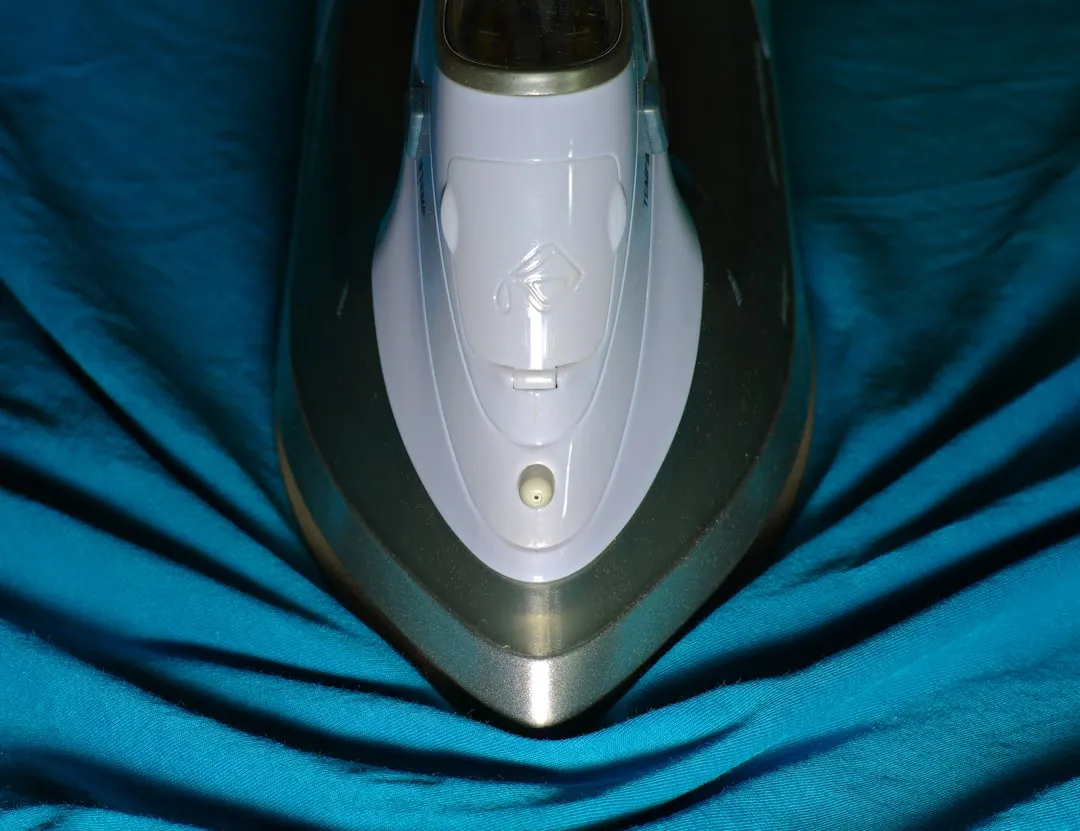
For most people, the sleeves are the hardest part of the shirt to iron, primarily because you have no choice but to iron two layers of fabric at once. The key to getting a nicely pressed sleeve is to make sure it is flat and smooth before you touch it with the iron. Using the seam as your guide, lay the sleeve and most of the shirt flat on the ironing board. Start at the top where the sleeve meets the shirt and iron down to the cuff.
Cuffs are usually two or three layers of interlined fabric, so they need a bit more dwell time than the rest of the shirt. Rushing through them is the most common mistake beginners make, and the result shows immediately when you extend your arm.
The Placket and the Front Panels
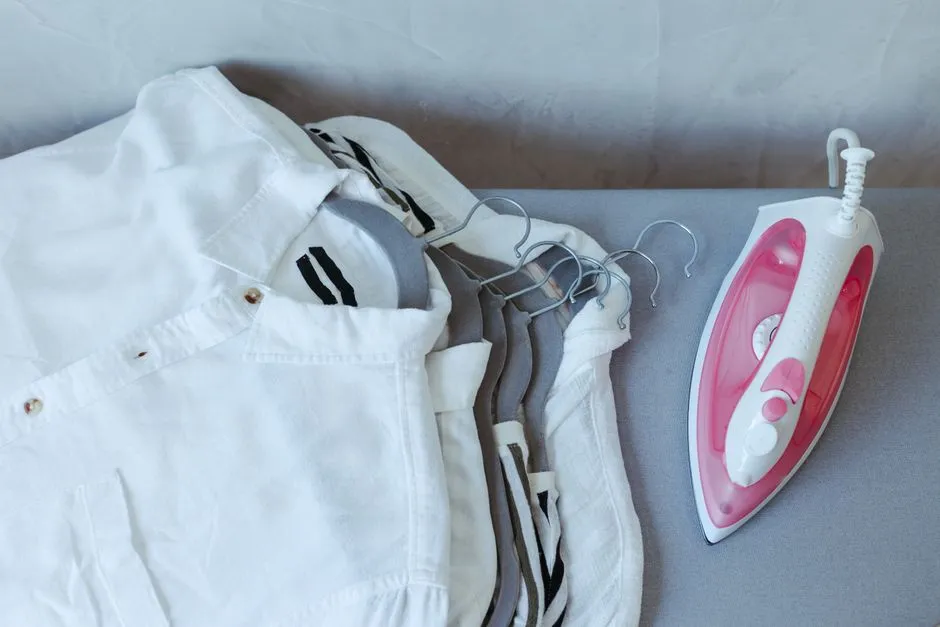
It’s worth spending a bit more time on the front placket and areas near the collar, as they receive a high percentage of visual attention. These are the zones that people actually see first, making them worth the extra care.
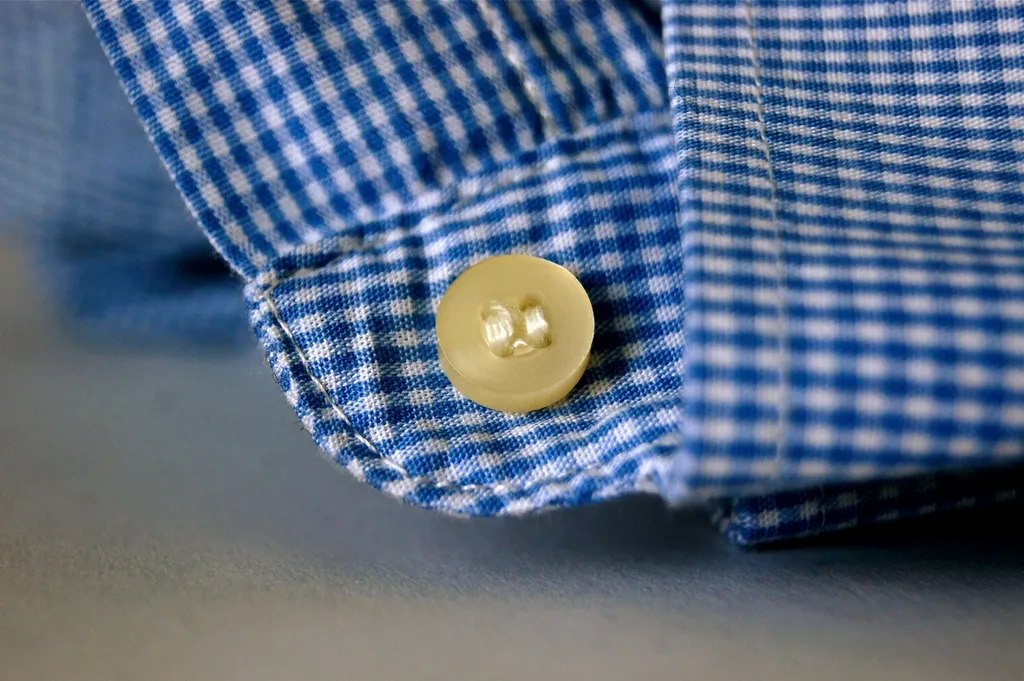
Be mindful of the buttons when ironing the placket. Adjust the shirt so that the button-side of the placket is facing up on the ironing board. Apply gentle pressure to the tip of your iron to fully press between the buttons.
If the buttons on your shirt are made of plastic, do not keep the hot iron too close to them, as they could start to melt. Mother-of-pearl and horn buttons should require no special considerations, but be careful when moving the iron to ensure that the tip does not scratch or damage valuable or delicate buttons.
Hanging the Shirt Correctly Matters Too
As soon as the ironing is finished, hang the shirt onto a proper hanger. Fold the collar in half, as if you were to wear it, and close the upper two buttons of the shirt. This will prevent the shirt from creasing in the wardrobe. Let the steam evaporate and your shirt cool down before putting it away.
This final step is one most people skip entirely, and it’s also why freshly ironed shirts sometimes arrive at the office looking like they’ve been slept in. A warm shirt transferred directly into a crowded wardrobe will crease before it’s even cooled.
Regular maintenance of your iron is also essential for consistent performance. After every use, empty out any remaining water to prevent mineral deposits. Clean the soleplate regularly to remove any residue or build-up that could transfer onto your clothes.
Is the Skill Worth Preserving?
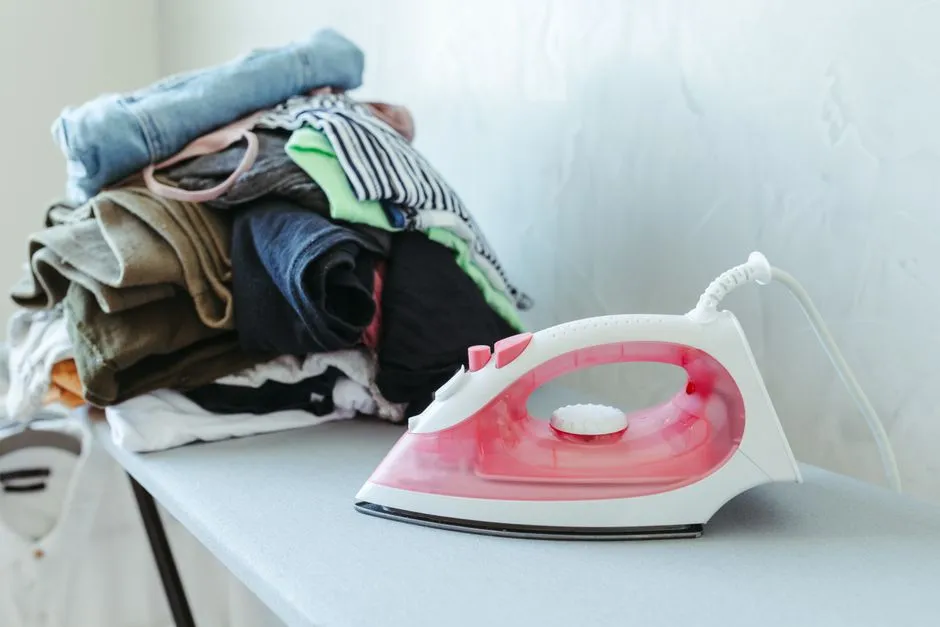
Menswear and clothing in general has experienced an increasing level of casualization over the past few decades, and along with this, garments that don’t regularly need ironing have been normalized. That’s a real shift, not a moral failing. Dress codes genuinely changed.
Still, a hand-pressed dress shirt does something no spray bottle or garment steamer fully achieves. The collar holds its shape differently. The cuffs sit flat with a crispness that feels deliberate rather than incidental. There’s a reason formal occasions, job interviews, and weddings still tend to call for the real thing.
In May 2024, India’s Council of Scientific and Industrial Research launched the “Wrinkles Achche Hai” campaign, encouraging employees to wear non-ironed clothes on Mondays to promote energy conservation and reduce carbon emissions. Even this institutional nudge toward wrinkles is framed as a practical compromise rather than a style ideal, which says something about where the default still sits.
A Skill That Deserves a Second Look
Ironing a dress shirt properly isn’t complicated. It takes patience, a decent iron, and a logical sequence. The technique exists, it’s well-documented, and it genuinely works. What’s disappearing isn’t the knowledge itself but the habit of reaching for it.
For occasions that still call for sharpness, a well-pressed shirt remains one of the clearest signals that someone put in the effort. That hasn’t changed. What’s changed is simply how often those occasions arise, and how many people have an iron ready when they do.
Skills don’t vanish dramatically. They just quietly stop being passed down. Ironing a dress shirt is still learnable in an afternoon, and for anyone who takes the time, the result speaks for itself.
AI Disclaimer: This article was created with the assistance of AI tools and reviewed by a human editor.