

The Ancient Link to Wolf Ancestry

Dogs howl as a natural form of communication inherited from their wolf ancestors. Domesticated dogs descended from wolves more than 15,000 years ago. That is a long evolutionary relationship, and howling was one of the primary tools wolves used to stay connected.
Wolves use howling to communicate with their pack members over long distances, which seems to serve a similar purpose for our beloved canine companions. When a siren sweeps down the street, it may reach into a part of a dog’s brain that is far older than any training session ever will.
Why Sirens Trigger the Response in the First Place
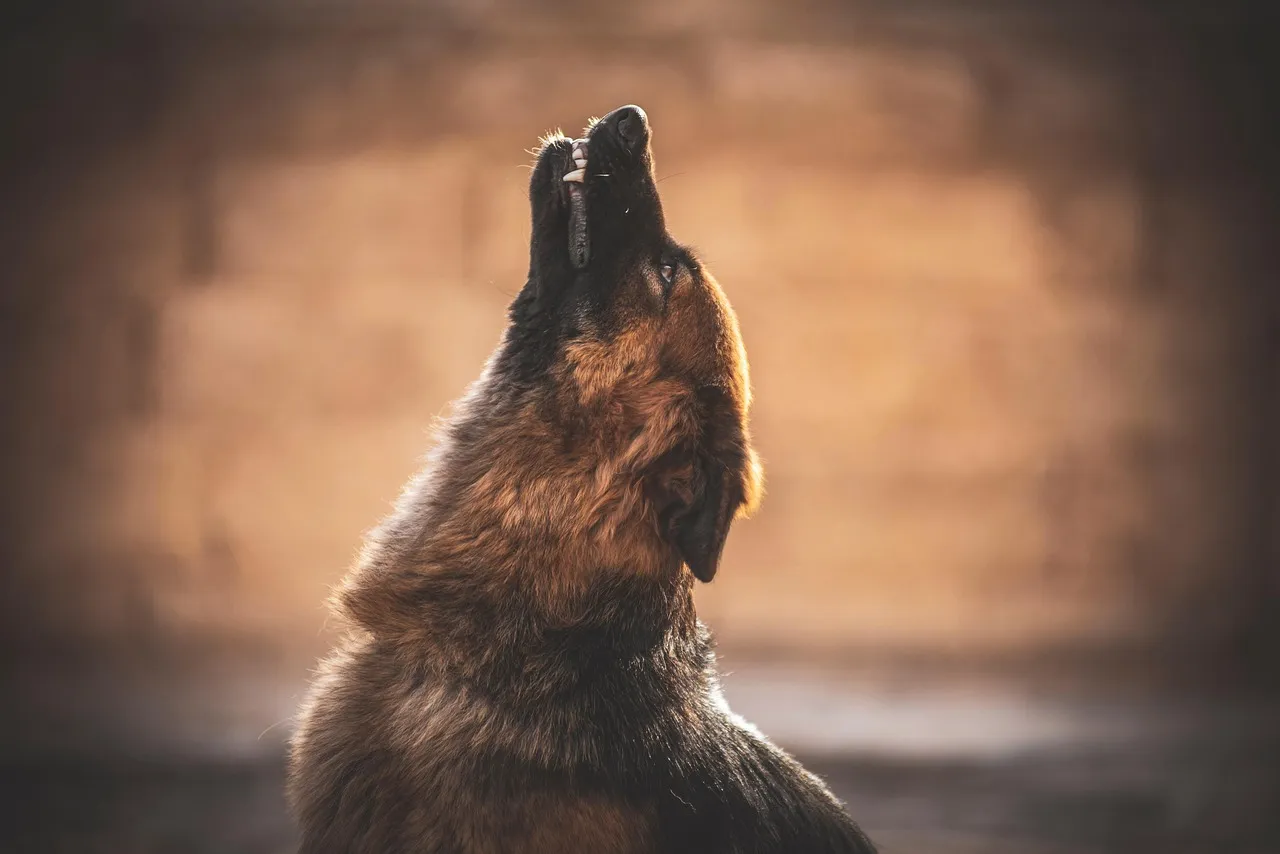
Wild dogs and wolves use howling to signal location, mark territory, or call members of the pack. Sirens, with their high-pitched, continuous tone, may closely resemble the howls dogs evolved to respond to, triggering that deep-rooted instinct.
Scientists even discovered that sirens make an effective warning signal for humans because their frequency is so similar to a dog’s howl. That parallel is not coincidental. The tonal range of emergency sirens lands squarely in territory that dogs are hardwired to notice and respond to.
The “Mistaken Identity” Theory
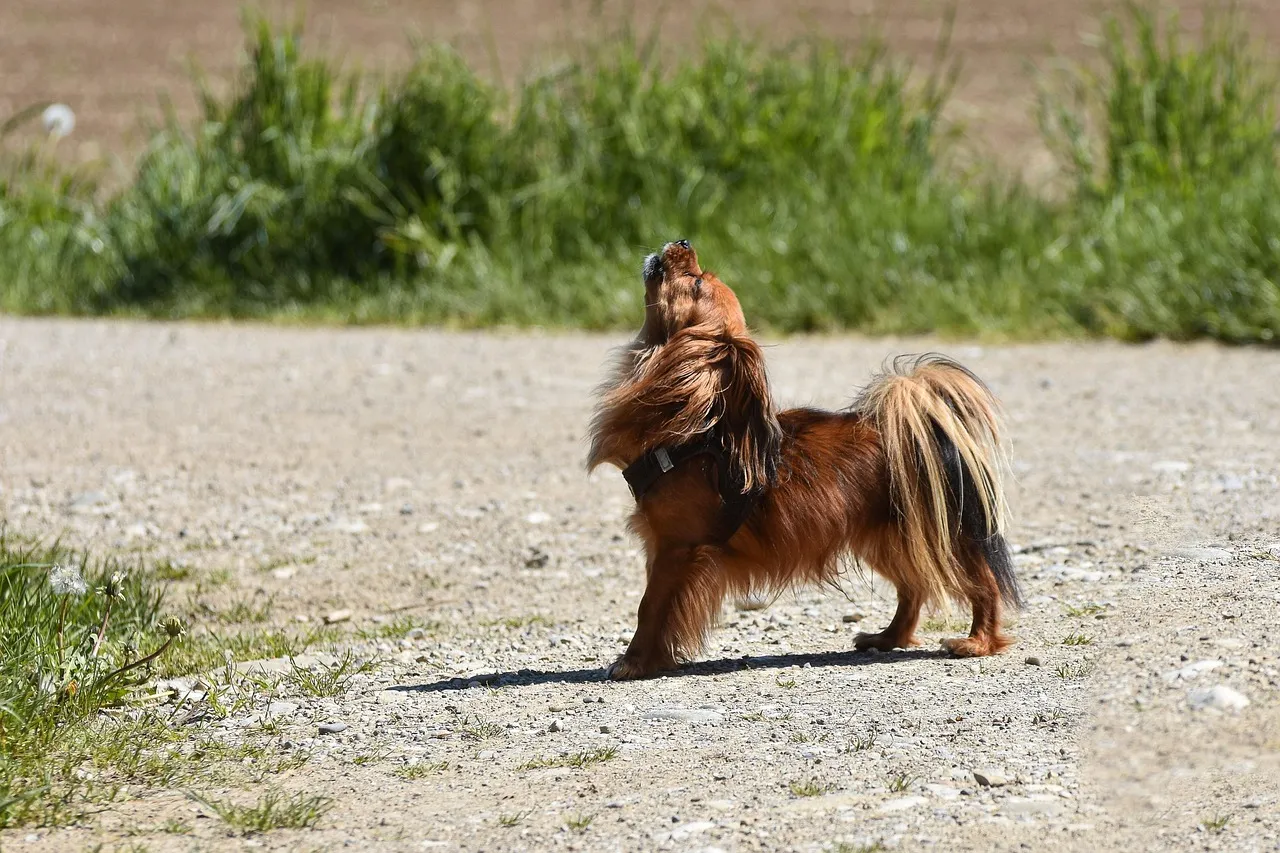
One theory is that your dog mistakes the siren for another dog, and they howl to communicate with them and let them know where they are. From a dog’s perspective, there is a distant, wailing creature out there, and the polite thing to do is respond.
Most likely, the dog responds to the siren because the sound resembles a long-distance vocalization. So, your dog may simply be responding to the siren because they think they’re hearing another dog or a similar sound stimulus. It is a reasonable instinct, even if the “other dog” is actually a fire truck doing 60 miles per hour.
The Territorial Protection Instinct
Another theory is that your dog perceives the siren as a potential threat, and they want to warn you about the possible danger. Such howling is likely territorial. Dogs encountering other canines that are not in their pack will attempt to use vocalizations to tell the intruder they are not welcome.
The sound of a siren could be interpreted as a signal that something is wrong, and the dog howls to warn its human family. According to experts, this behavior may become self-reinforcing. As the siren fades, the dog may think its howling has driven the “threat” away, encouraging them to howl again the next time they hear the sound. This loop quietly cements the habit over time.
How a Dog’s Hearing Makes Sirens Impossible to Ignore

Dogs have much better hearing than humans. While the human ear can detect pitches up to 20,000 hertz, dogs can hear frequencies as high as 45,000 to 67,000 Hz. In addition, dogs’ ears are mobile and can rotate like a satellite dish, allowing them to pick up sound from all directions. They can also hear sounds four times farther away than we can, which means your dog may hear noises, such as sirens, from distances that you can’t.
Though the frequency of sirens is not high enough to make dogs uncomfortable, experiments have shown that frequencies above 25,000 hertz can be painful for dogs. Most sirens used in ambulances, fire trucks, and police cars, however, do not go above 1,600 hertz. So the howl is almost never about pain. It is about recognition and response.
Breed Genetics Play a Major Role

Many studies have found that dog breeds genetically closer to wolves, like ancient or primitive breeds, are more likely to howl in response to wolf howls, while modern breeds showed less interest or reacted more playfully. This suggests howling is a partly inherited behavior, shaped by how close a breed is to its wild ancestry.
Many spitz breeds are considered more genetically similar to ancestral dog populations and may show more frequent howling or vocal behaviors. For example, Huskies and Malamutes are known as two breeds that commonly howl more than many other domestic dogs. Dogs that were used for hunting or kept in packs howl a lot, too. The breed’s original purpose is often written right into its vocal tendencies.
The Breeds Most Likely to Howl at Sirens
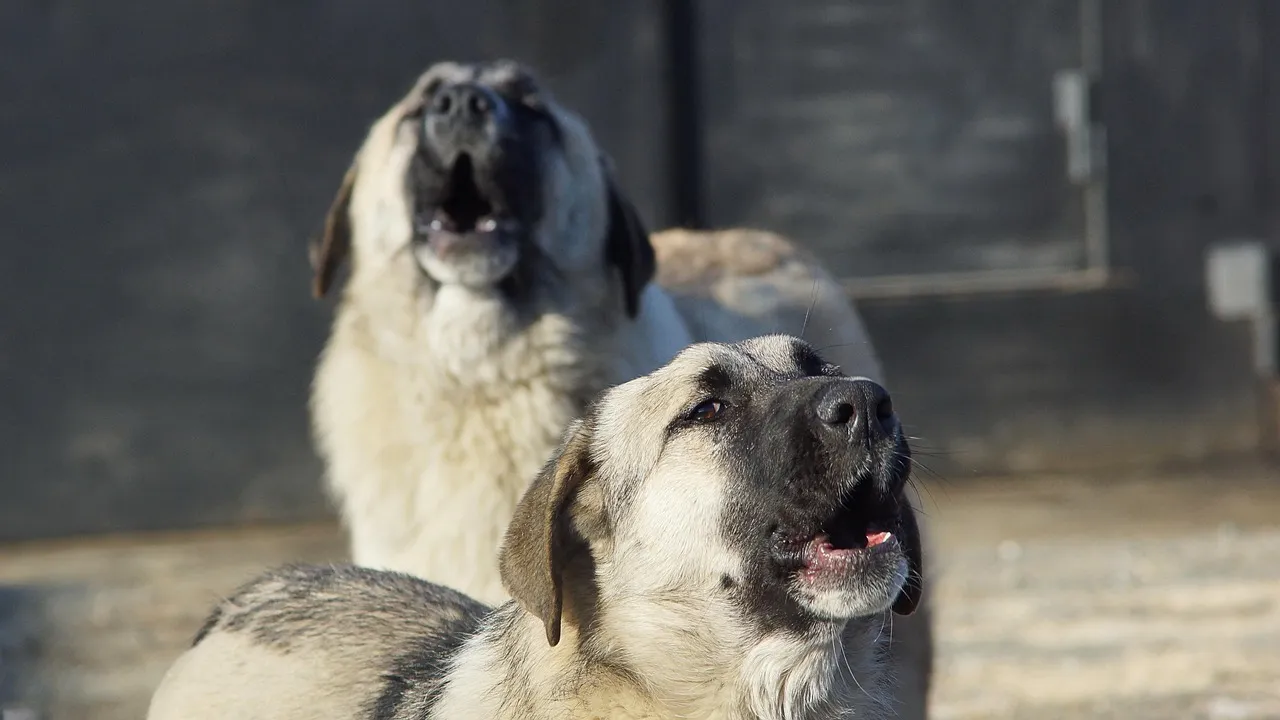
Siberian Huskies, Alaskan Malamutes, Beagles, Bloodhounds, and Coonhounds are well-known for their distinctive howling behavior. Siberian Huskies are very vocal, whether in or out of the harness. They howl so much and so distinctly that it sometimes sounds like they’re actually trying to talk.
The Bloodhound, known for its unparalleled sense of smell, also boasts a deep, resonating howl. Historically used for tracking, especially during hunting and law enforcement, their howl serves as a powerful tool for communication. Bloodhounds typically howl to signal their location and to indicate the trail they are following.
Why Some Dogs Simply Don’t React

While some dogs react to every siren that passes by, other dogs ignore the sound completely. Just as every human can react to something in a different way, our pups are the same. Each dog has a different way of coping or problem-solving, and this stands true in their reaction to sirens.
Just as people have unique personalities, dogs also vary in how they respond to sound. Some may simply ignore it, while others bark instead of howling. Dogs that remain quiet aren’t missing anything. They may simply not feel the same instinctual pull. Age, environment, and individual temperament all play a role. A dog that grew up in a city with constant noise nearby may simply register sirens as unremarkable background sound.
When Howling Might Signal Stress Instead of Instinct

In some cases, howling can indicate stress or fear, especially if your dog seems unsettled or agitated when sirens pass by. Dogs with sound sensitivity or noise phobia may associate sirens with discomfort or past stress, leading to anxious vocalisations.
While many dogs howl at sirens instinctively, some may do so out of mild stress. The loud, unpredictable noise of emergency vehicles can startle dogs, especially if they are nervous by nature. The key difference lies in your dog’s overall body language. If they howl and then settle down, the behavior is likely instinctual and harmless. If shaking, pacing, or panting accompany the howl, that is worth looking into further.
What You Can Do About It

You change how the dog feels about the sound, and the behavior follows. Two tools do the heavy lifting: desensitization means exposing your dog to the trigger at a low enough intensity that they stay calm, then raising it gradually over many sessions. Rushing the process rarely works.
You can prevent dogs from howling by desensitizing them to sirens and other disruptive sounds. Play city noises, cars honking, and police sirens in a calm setting, and don’t make a big deal about it. This will teach your pup that they don’t need to react to sounds that they will eventually hear at some point. You can help your dog stop howling by utilizing treats and praise as encouraging reinforcement. Never yell at or scold your pup, as it can make them fear you.
The Takeaway
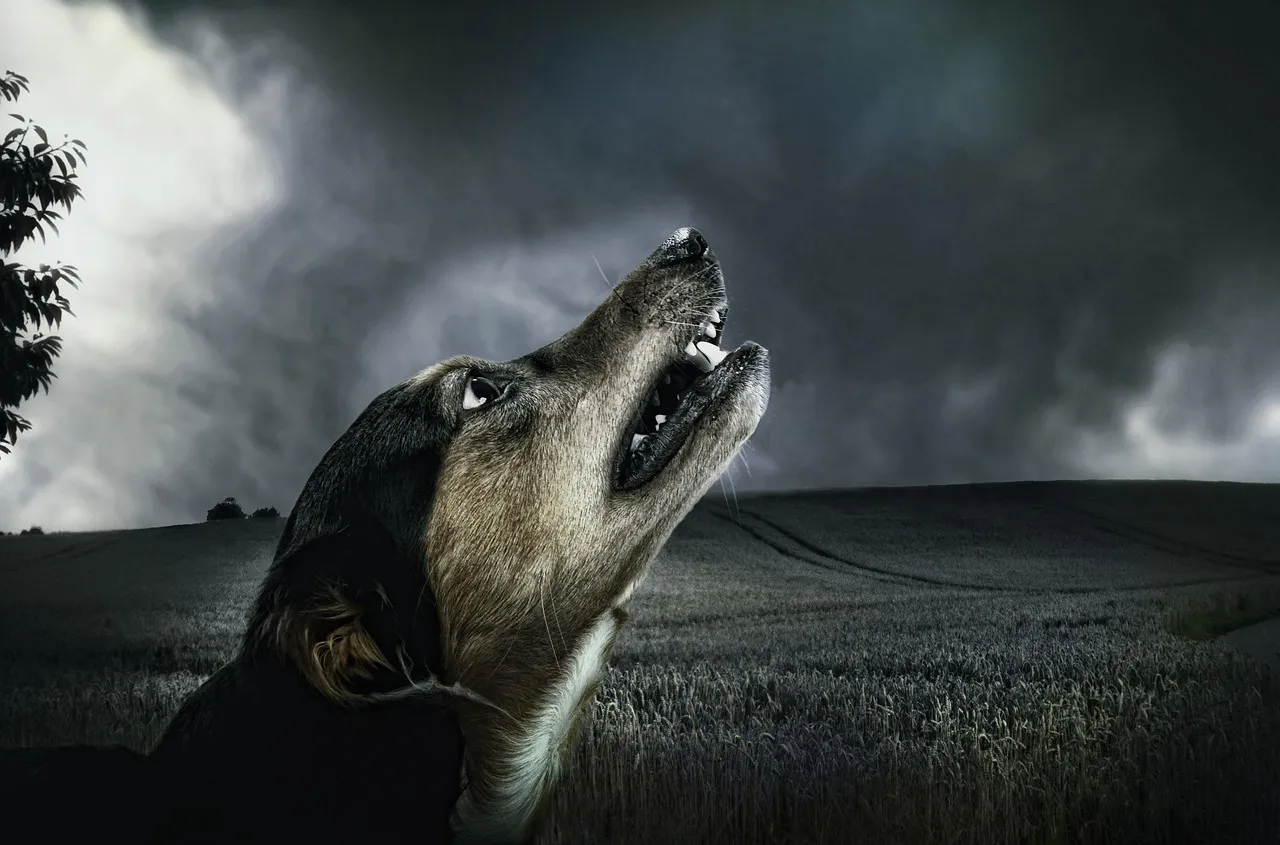
The gap between the howler and the silent observer in any household usually comes down to genetics, breed history, and whatever emotional associations that particular dog has built up over their lifetime. Neither response is wrong. Not all dogs display this howling behavior, and even ones that do don’t howl at emergency sirens all the time. But when dogs let out a howl, they seem to be answering a primal call encoded deep within their DNA.
Whether your dog joins the chorus every time a fire truck passes or simply twitches an ear and goes back to sleep, both reactions are completely normal expressions of who they are. The howl is not noise for its own sake. It is a thread connecting your dog to something ancient, and that is worth finding quietly remarkable.
AI Disclaimer: This article was created with the assistance of AI tools and reviewed by a human editor.