

1. You Can’t Stay Focused for More Than a Few Minutes
Distraction is one of the most quietly expensive problems in remote work. The average focused session at work lasted just 13 minutes and 7 seconds in 2025, down 9% from 2023, based on ActivTrak’s 2026 State of the Workplace Report. If you’re already fighting a short attention span, working in a high-traffic room makes that battle nearly impossible to win.
According to a 2024 Owl Labs study on hybrid work, 77% of remote workers who feel less productive working from home say it’s because of distractions. A living room shared with a partner, kids, or roommates is rarely the neutral, low-stimulus environment your brain needs for sustained concentration.
One of the most common challenges is staying focused while working from home. Whether it’s kids, pets, chores, or simply the temptation to scroll, home environments are not always ideal for deep focus. Over time, this leads to declining productivity, missed deadlines, and mental fatigue. If that pattern sounds like your daily reality, your current room is likely the root cause.
2. Your Background Is Embarrassing on Video Calls
Video calls are a professional moment, and where you sit shapes how others perceive you. A cluttered bedroom wall, a visible unmade bed, or a busy kitchen in the background sends an unintended message. It’s a small detail that compounds over months of client calls and team meetings.
In 2025, the difference between a productive day and a draining one often comes down to basics like a clean, compact layout that fits your space. Visual professionalism is part of that equation now, not an afterthought. If you’re regularly scrambling before calls to tidy up what’s behind you, the room itself is telling you something.
A dedicated room with a neutral, controlled background doesn’t require expensive setup. It just requires the right space. When your current setup makes every video call feel like damage control, that’s a sign worth taking seriously.
3. Noise Is a Constant Problem
Sound is one of the most underestimated environmental factors in a home office. Excessive noise and poor sound control can disrupt concentration, increase stress, and negatively impact well-being. Yet many remote workers shrug it off as unavoidable, never considering that a different room might solve it entirely.
Workplace distractions cost the U.S. economy an estimated $650 billion per year, according to a 2026 Gitnux report. The average knowledge worker now loses close to 4 hours daily to interruptions and task-switching. Ambient household noise, street noise bleeding through thin walls, a television in the next room – these are all real contributors to that number.
If you’re constantly reaching for noise-canceling headphones just to get through a single work block, you haven’t solved the problem. You’ve just added a layer of coping. Moving to a quieter room, ideally one with a door and thicker walls, is the more honest fix.
4. Your Lighting Is Causing Physical Symptoms

Bad lighting rarely feels like an urgent issue until the headaches start piling up. Poor lighting doesn’t just make it hard to see; it actively works against your body, contributing to eye strain, neck pain, and mental fatigue. Rooms not designed for a workstation almost always have the wrong light placement, wrong intensity, or both.
Poor lighting, incorrect screen brightness, glare exposure, and improper viewing distances are all significant factors in ocular discomfort, as they can increase visual workload and accommodative stress. A room with a window behind the monitor, a single harsh overhead bulb, or no natural light at all can cause these problems consistently throughout the day.
Poor lighting can cause headaches, eye strain, and low quality of sleep which eventually results in lower employee performance. Research demonstrates that when employees worked in an office with more natural light, they slept 37 minutes longer and scored higher on strategic thinking cognitive tests. If your current room can’t offer adequate and ergonomically appropriate light, a different space may genuinely improve your health.
5. Your Posture and Physical Comfort Are Deteriorating
A spare bedroom pressed into service as an office usually comes with a non-desk table, a dining chair, or worse, a bed. None of those support sustained work posture. According to research cited by Matsh, between 50% and 70% of desk workers suffer from musculoskeletal issues. Working in a poorly configured room speeds that problem along considerably.
Expert panellists in a published ergonomics review agreed on issues including unergonomic chair use, incorrect posture, irregular arrangement of key objects, improper reach distances for the laptop and keyboard, poor desk designs, and poor work environment. Many of these problems are rooted not in the wrong furniture, but in trying to force a proper setup into a room that simply wasn’t designed for it.
A dedicated workspace with proper ergonomics can increase productivity and reduce the risks of musculoskeletal issues related to poor posture. If the room you’re in doesn’t allow for correct monitor height, chair positioning, and a proper desk surface, it may be physically impossible to set things up right no matter what equipment you buy.
6. You Can’t Mentally Switch Off at the End of the Day

Working where you relax blurs a boundary that your brain actually needs. When your desk is in the bedroom, your mind associates that space with both rest and obligation at the same time. That tension is real, and research consistently shows it has measurable effects on sleep quality and stress levels.
Establishing routine becomes much easier when you have a dedicated workspace. Having a place to go signals to your brain that it’s time to work, while leaving at the end of the day creates a clear boundary between professional and personal life. This work-life separation is crucial for preventing burnout and maintaining long-term wellbeing.
Research underlines that dissatisfaction with lighting, humidity, and noise predicts symptoms of fatigue, anxiety, and stress. These factors cluster most heavily in rooms that double as living spaces. A room used exclusively for work allows you to close the door at the end of the day, both literally and psychologically, which is harder to do when your office is also your bedroom or living room.
What Moving Rooms Actually Changes
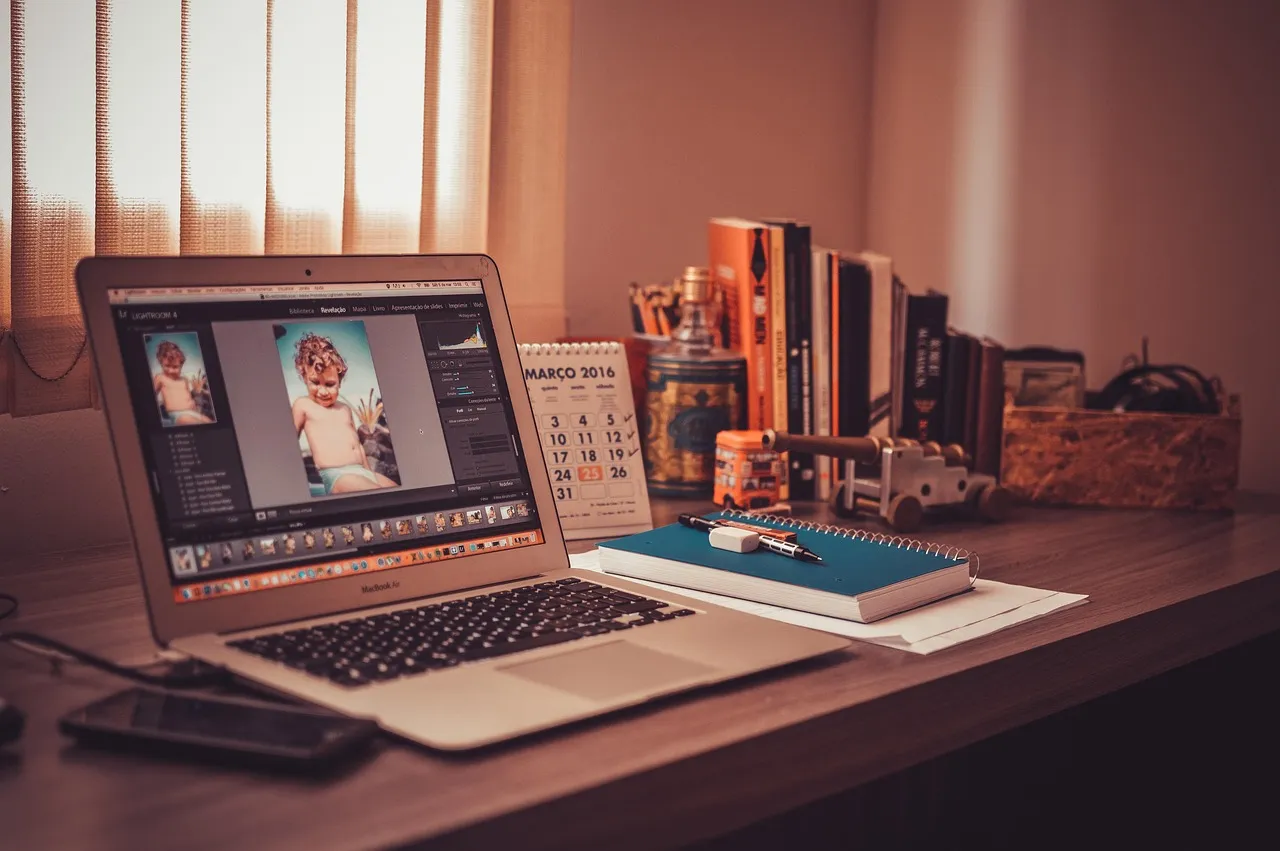
It’s tempting to think that the answer lies in a better chair or a new lamp. Sometimes it does. But when multiple signs from this list show up at once, the room itself is usually the problem. Small improvements within a fundamentally wrong space tend to deliver only partial relief.
Research from NYU highlights the link between new experiences and happiness, showing how changing your environment can boost both mood and brain activity. Even a lateral move to a quieter, better-lit room in the same house can reset the mental associations you’ve built up around your current workspace.
The practical checklist for a better room is straightforward: a door that closes, adequate natural light, enough space for a proper desk and chair, minimal household foot traffic, and a neutral background for calls. That’s not a luxury setup. For most people, it’s just a different room they haven’t thought to use yet.
The Takeaway
Your home office room matters more than most remote workers give it credit for. Research shows that roughly four in five U.S. workers get distracted within one hour of starting a task, and more than half cannot maintain focus for even 30 minutes without interruption. The right environment doesn’t fix all of that, but it removes the most controllable variables from the equation.
If the signs in this article feel familiar, the solution may be simpler than a productivity hack or a new app. Sometimes the most effective upgrade is just walking down the hall and setting up in a better room. The work doesn’t change, but your ability to do it well just might.
AI Disclaimer: This article was created with the assistance of AI tools and reviewed by a human editor.