
What a Top Sheet Actually Is (and Why It Exists)
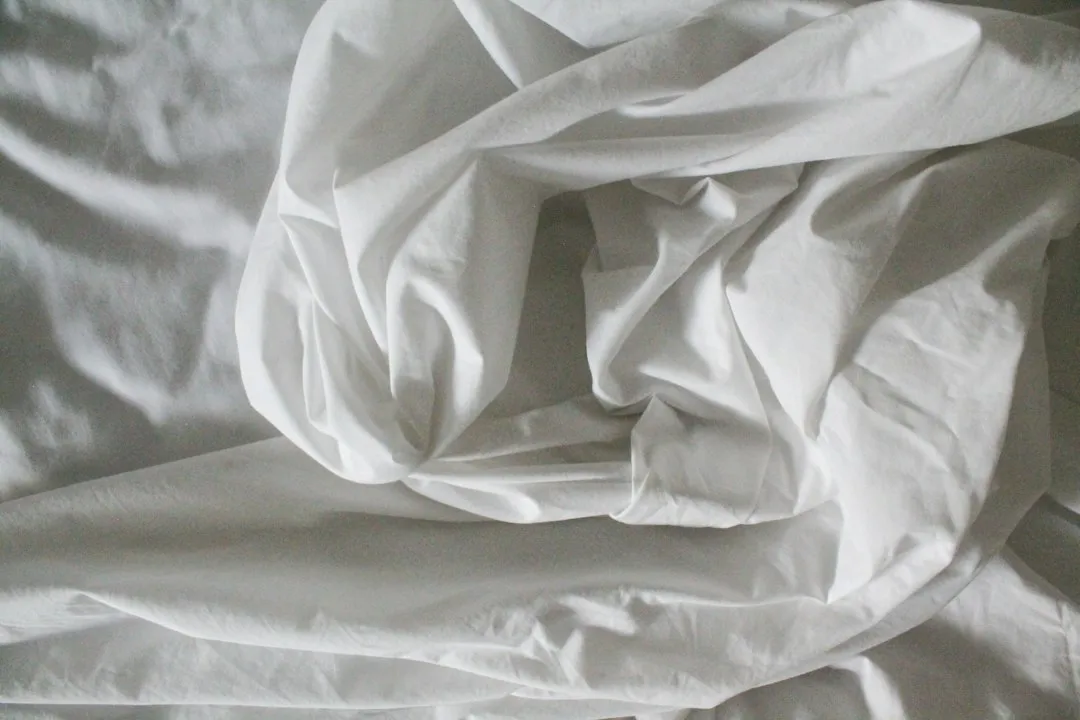
The top sheet, also known as a flat sheet, is a fundamental component of the traditional bed ensemble. It sits between the sleeper and the primary covering, whether that’s a duvet, comforter, or blanket, serving both functional and aesthetic purposes. The idea is straightforward: put a washable barrier between your body and the heavier bedding that’s harder to launder frequently.
It separates you from your comforter and blankets, allowing you to wash your bedding more frequently while leaving your comforter for only the occasional wash. That logic made a lot of sense before modern washing machines. Traditionally, sheets came in sets with a top sheet, a bottom fitted sheet, and a pair of pillowcases.
The Numbers: Where Americans Actually Stand

About 70% of Americans sleep with a top sheet and about 27% sleep without one, according to a USA Today poll. The remaining 3% claim to sleep with no sheets at all. That’s a clear majority, though the trend has been shifting quietly for years.
A survey of more than 2,700 participants across 25 of the country’s largest cities found that nearly a third of Americans have ditched top sheets entirely and only use fitted sheets on their beds. Meanwhile, a separate survey conducted by Sleep Junkie found that roughly 61% of people include a top sheet in their bedding, while 39% choose to forgo it altogether.
The Generation Gap Is Real

Despite the ongoing debate, almost half of adults say a top sheet is an “absolute must,” while about a third could take it or leave it. Baby boomers are the biggest defenders of the top sheet at 59%, compared to just 43% of Gen Z and millennials. This isn’t a small gap. It reflects genuinely different relationships with bedtime rituals across age groups.
Younger generations have apparently been slowly abandoning the top sheet for years, and the number of people who regularly use one appears to have been decreasing steadily from generation to generation. The Casper survey showed that 18% of people ages 18 to 24 said they felt strongly against the use of a top sheet, while only 3% of those over the age of 65 did.
The Hygiene Argument: Cleaner Bed or Unnecessary Layer?

The items your body comes into direct contact with in bed should go into the washing machine once a week. If you use a top sheet, wash that weekly, and wash your duvet cover every two to three weeks, since the top sheet acts as a barrier between your body and the duvet cover.
Research on bedding hygiene shows that the average person sheds about 1.5 grams of skin cells per day, much of it during sleep. That’s a meaningful amount of biological material accumulating against your bedding every night. We shed millions of bacteria and skin cells every hour, making it necessary to change our sheets approximately every two weeks. If you don’t use a top sheet and your comforter doesn’t have a protective cover, you’ll want to schedule extra time for more frequent laundry sessions.
The Anti-Top-Sheet Case: Comfort and Convenience
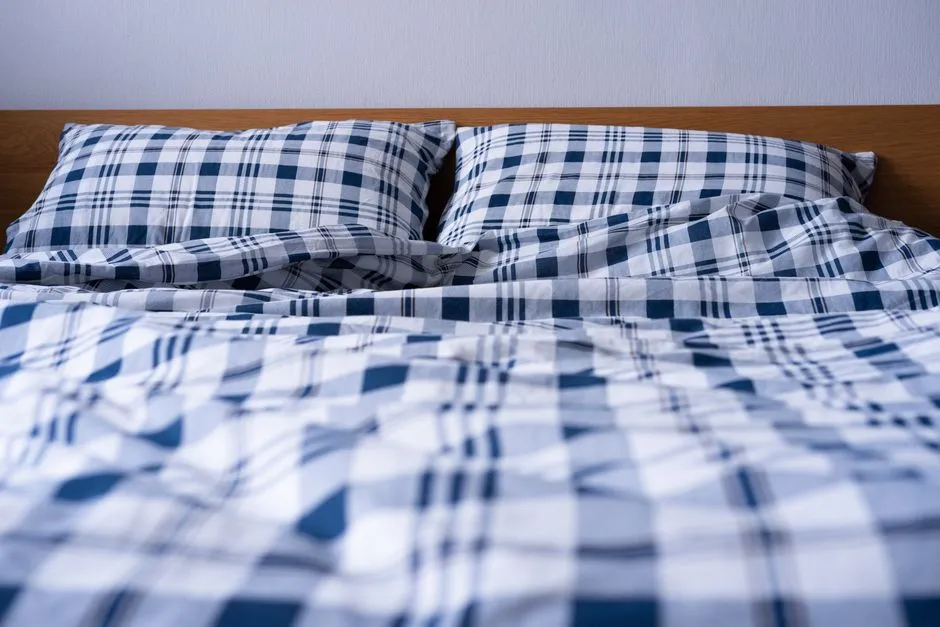
Anti-top sheet people say it’s an unnecessary inconvenience in the morning when making the bed, and it just ends up at the foot of the bed before the night is over anyway. That complaint is common, and there’s something honest about it. If the sheet spends most of the night kicked to the side, it’s not doing much protecting.
Some people don’t like being tucked under too many layers of bed linens. Ditching the top sheet gives more mobility during the night. For restless sleepers, a top sheet can actually wind up making bedding much less comfortable. That’s a real problem for anyone who moves around a lot in their sleep.
The European Approach: No Sheet, Just a Duvet

Sleeping with a top sheet is a thoroughly American bedding trend. Europeans tend to favor a fitted bottom sheet and a duvet only. The duvet cover itself does the work of the top sheet in that system, getting removed and washed regularly while the duvet insert stays clean inside.
A top sheet is common in the United States, Canada, Australia, Spain, Portugal, and parts of Latin America. Sleepers in most of continental Europe, the UK, and Asia slip directly under a duvet with no additional layer needed. Neither approach is universally wrong, they’re just culturally different solutions to the same problem of staying clean and comfortable overnight.
The Duvet Cover as a Top Sheet Replacement
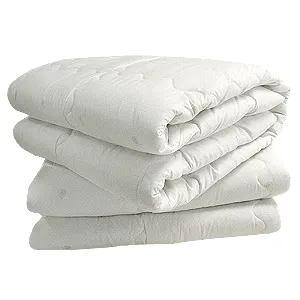
A duvet cover should be washed every two to four weeks, which helps preserve the pattern and color while maintaining the comfort of the bedding. If you’re skipping the top sheet, the duvet cover essentially becomes your primary hygiene barrier, and its washing schedule matters more. If you forgo a top sheet and sleep directly on a fitted sheet under your duvet cover, you should launder the duvet cover at the same interval as your bed sheet.
The frequency with which you wash a duvet depends on your use of a top sheet. If you use a top sheet between you and the duvet, you can stretch longer between washings. So the no-top-sheet crowd isn’t off the hook; they simply transfer the laundry responsibility to the duvet cover instead.
What Makes Bed-Making Easier (or Harder)
According to the National Sleep Foundation, making your bed in the morning can help you get a good night’s sleep. Having one less layer to smooth out makes the bed-making process less of a hassle and could help improve the start of your day. For the minimalist crowd, fewer layers means fewer steps.
One of the biggest arguments against top sheets is that they end up in a tangled mess at the foot of the bed. People don’t encounter this problem with fitted sheets, so most still opt for a fitted sheet even when forgoing the top sheet. The fitted sheet quietly earns bipartisan support regardless of where anyone lands on the top sheet question.
Temperature, Seasons, and Sleeping Style
On warm nights, you can sleep under just the flat sheet without any top blanket. A quality percale flat sheet provides minimal coverage while keeping you modestly covered. This is actually one of the most practical cases for keeping a top sheet around, particularly in warmer climates or during summer months.
Sleeping directly under a duvet without a top sheet is an approach that works particularly well in areas with cooler nights for at least part of the year. The fabric you choose for your bedding also plays a role in sleep quality, with research published in the Journal of Sleep Research in 2024 examining how different fibers in bedding affect thermal regulation and overall sleep quality. The choice of sheet material can matter as much as whether you use one at all.
The Debate Isn’t Going Away Anytime Soon

Despite the modern debate, almost half of adults still say a top sheet is an “absolute must,” while Baby boomers remain the biggest defenders of the top sheet at 59%, compared to just 43% of Gen Z and millennials. Those numbers suggest the divide isn’t closing, it’s just shifting generationally as older demographics age and younger ones set their own habits.
While many people blame millennials for “killing” the top sheet, data actually shows a slow decline in popularity across generations rather than a sudden generational rejection. Americans’ bedding habits have changed over the years, and what was once the standard is no longer the norm for everyone. The debate, in other words, reflects something broader: how deeply personal sleep really is, even in its most mundane details.
The Takeaway

The top sheet debate is unlikely to produce a winner. The hygiene argument supports keeping one, the comfort and convenience argument supports ditching it, and the European model proves there’s more than one workable system. What the data does confirm is that this is genuinely a choice, not a universal rule.
Whether you’re in the nearly two-thirds who still use one or the growing share who’ve moved on entirely, the most important thing is that your bedding, whatever it includes, gets washed regularly. The sheet itself is almost beside the point. How you maintain it is what actually matters for sleep hygiene and long-term comfort.
AI Disclaimer: This article was created with the assistance of AI tools and reviewed by a human editor.