

There’s a reason Benjamin Franklin’s old line about fish and houseguests has endured for centuries. It captures something universally uncomfortable: the moment a visit quietly crosses a line. Most people don’t announce it when they’re fed up. They just start closing doors a little faster, answering questions a little shorter, and hoping you notice.
The tricky part is that overstaying rarely happens dramatically. It creeps in slowly, one extra day at a time. If you’ve ever wondered whether the atmosphere in someone’s home shifted during your stay, these ten signs are worth reading carefully.
1. Your Host Stops Making Plans That Include You

Early in a visit, hosts usually fold you into their routines. They suggest things to do together, ask about your preferences for meals, or at least keep you in the conversational loop about the day’s plans. When that stops, it’s a quiet but telling signal.
If your host starts leaving the house without mentioning where they’re going, or begins making dinner reservations that don’t include you, take note. It often means they’ve mentally moved on from “hosting” mode and are simply trying to reclaim their normal life. The shift is rarely personal in a deep way. It’s just exhaustion expressing itself through distance.
2. The Guest Towels Have Disappeared
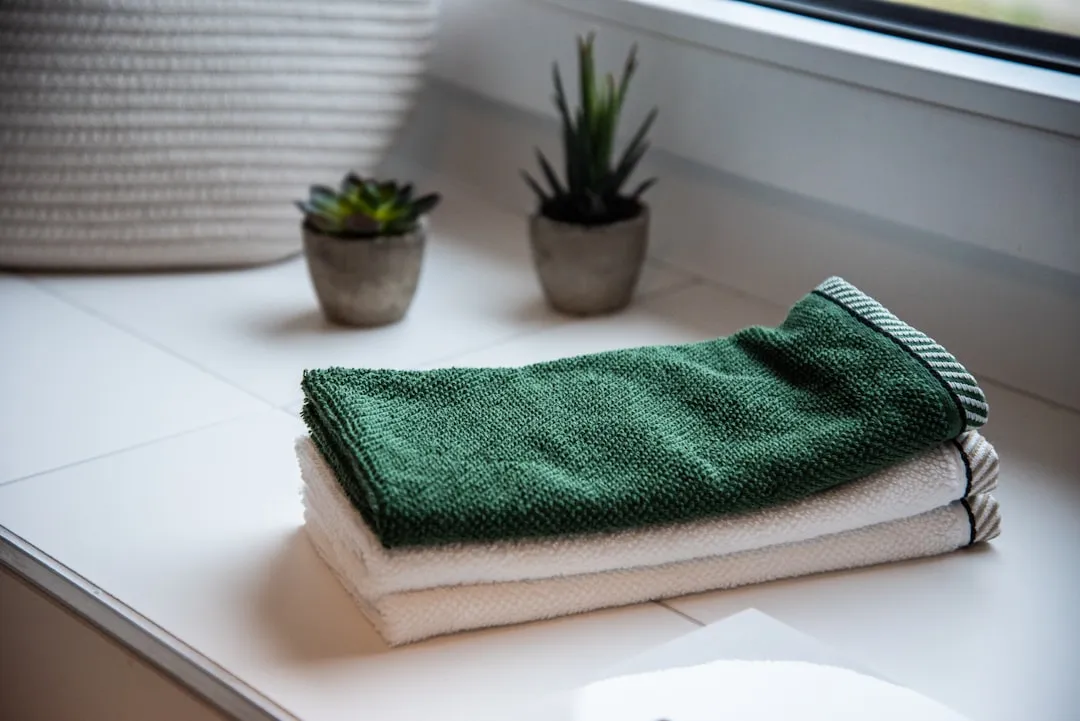
This one sounds small, but it carries real symbolic weight. Hosts who are genuinely happy to have you around maintain the courtesies of hosting: fresh towels, a cleared space for your things, maybe a spare phone charger left out. When those small gestures quietly vanish, it often reflects a shift in how your presence is being perceived.
Household etiquette experts have long noted that the removal of “guest-specific” accommodations is one of the most common passive signals that a host is ready to return to their regular rhythm. It’s not hostility. It’s the domestic equivalent of someone standing up from a table when a meal is over. The message, while unspoken, is fairly clear.
3. Conversations Feel Shorter and More Transactional

When you first arrive, there’s usually genuine warmth in the exchange. Hosts ask about your life, share what’s happening in theirs, and seem interested in the back-and-forth. Once the novelty fades, and especially once the welcome has worn thin, conversations tend to compress into logistics. “There’s coffee in the kitchen.” “I’ll be in my office.” “Let me know if you need anything.”
This shift in conversational texture is one of the more reliable signs that emotional bandwidth is running low. Hosting takes real energy, and when that energy is depleted, most people don’t want a confrontation. They manage by simply reducing engagement. If you notice that multi-sentence exchanges have become single-sentence ones, it may be time to set a departure date.
4. You’re Being Gently Reminded of Plans They Have “Coming Up”

Hosts who want guests to leave without saying so will often start referencing upcoming commitments in casual but pointed ways. “Oh, my sister is visiting next weekend” or “We’ve got a lot going on in the next few days” are classic examples. These aren’t random comments. They’re soft cues, offered in the hope that you’ll connect the dots yourself.
Social researchers who study indirect communication have found that this kind of “future event dropping” is extremely common in cultures that prize politeness over directness. The host is essentially giving you an off-ramp without forcing an awkward conversation. Taking that hint gracefully is one of the most socially intelligent things a houseguest can do.
5. The Household Routine Is Happening Around You, Not With You

In the first day or two of a stay, hosts often adjust their routines to accommodate a guest. They might eat at different times, stay up later, or alter their morning schedule. After that initial period, many hosts naturally drift back to their normal patterns. That’s expected and healthy. What matters is whether you’re included or simply in the way.
If the household is moving around you rather than with you, that’s a meaningful distinction. People cooking meals without asking if you’d like some, running errands without offering to bring you along, or watching TV in a different room are all quiet indicators that you’ve become more of a fixture than a visitor. A fixture, by definition, just sits there. A guest still has a role.
6. Your Host Is Visibly Tired in a Way That Started After You Arrived

Hosting is genuinely tiring. Research published in social psychology literature consistently shows that sustained social performance, which is essentially what hosting requires, depletes cognitive and emotional resources over time. Most people can manage it cheerfully for a day or two. Beyond that, fatigue tends to show.
Pay attention to the quality of your host’s energy, not just whether they’re being polite. Polite people can be exhausted and still courteous. Signs like sighing more often, going to bed noticeably earlier, or seeming slightly relieved when you announce you’re going out for a while are worth reading honestly. These aren’t character flaws in your host. They’re just what depletion looks like on a kind person.
7. The Wi-Fi Password Has Become a Recurring Topic

This one’s specific to the modern era of long-term houseguesting, but it matters. When hosts start making references, even light or joking ones, to data usage, screen time in common areas, or bandwidth, it often reflects a growing sense that their personal space is being consumed. A home’s digital environment is as personal as its physical one.
There’s also a broader dynamic at play: when guests treat a host’s home like a hotel with better Wi-Fi, hosts eventually feel it. Setting up workspaces at the kitchen table for extended periods, streaming content loudly, or occupying shared spaces as if they’re your own are all habits that compound over time. Small frictions accumulate into bigger ones if the stay drags on.
8. You’re Getting Fewer Invitations to Join Shared Meals

Shared meals are one of the clearest expressions of genuine hospitality. When hosts are happy to have you around, they tend to cook together, eat together, and linger over food. When the mood shifts, mealtimes are often the first place you notice it. Hosts start eating earlier or later, preparing just enough for themselves, or mentioning they’re “just grabbing something quick.”
Food culture researchers have documented that communal eating is deeply tied to feelings of belonging and group inclusion. Being quietly excluded from that shared ritual, even gradually and without any overt tension, signals a meaningful change in how the host-guest relationship has evolved. It’s rarely a deliberate snub. More often, it’s simply the natural result of someone wanting their kitchen, and their evenings, back.
9. You Notice Them Cleaning Obsessively in Your Wake
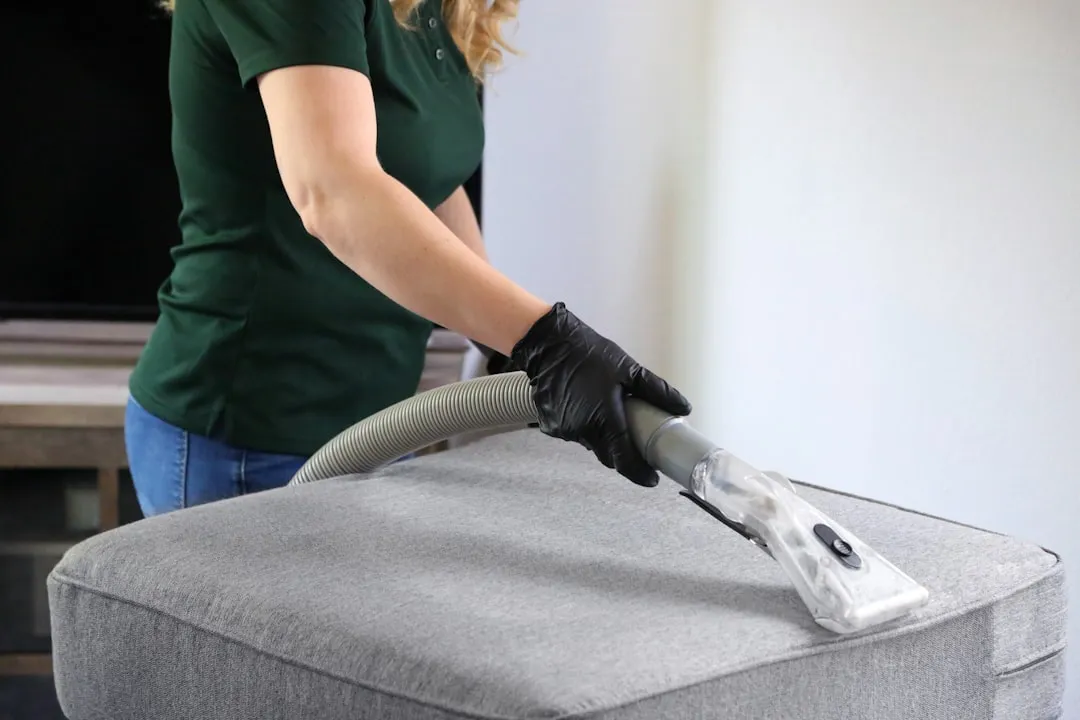
Some hosts are naturally tidy. Others become conspicuously tidy once a guest has been around long enough to disrupt their space. If you notice your host trailing slightly behind you with a sponge, re-folding things you’ve touched, or straightening cushions with unusual urgency, the message is layered. Part of it is about cleanliness. A larger part is about control over a space that no longer feels fully theirs.
Home environment researchers have noted that people’s sense of comfort and calm in their own homes is strongly tied to order and predictability. A long-term guest naturally disrupts both. The cleaning response is less about you personally being messy and more about the host attempting to restore the sense of ownership and normalcy that extended visits tend to erode.
10. You Feel It Yourself

This is the most reliable sign of all, and the one most people try hardest to ignore. There’s usually a moment somewhere in a prolonged stay where the guest themselves senses the shift. The air in the house changes slightly. Laughs feel a touch more performative. Eye contact gets shorter. Something is different, and some part of you knows it.
Trusting that instinct isn’t about being paranoid or overly sensitive. It’s about reading a social situation accurately, which is a skill most adults have but don’t always act on. Overstaying a welcome doesn’t make someone a bad person. It makes them someone who missed a cue. The good news is that cues, once noticed, can still be acted on gracefully. A warm goodbye after the right amount of time is worth far more than a strained one after too long.
The Takeaway

None of these signs require a confrontation to understand, and none of them mean the friendship or family bond is damaged. They’re simply the social language that polite people use when they don’t want to cause discomfort directly.
The most considerate thing any guest can do is stay curious about the atmosphere they’re in, not just comfortable within it. Reading a room well enough to know when the visit has been good and complete, and then leaving while it’s still warm, is genuinely one of the more underrated social skills there is.
AI Disclaimer: This article was created with the assistance of AI tools and reviewed by a human editor.