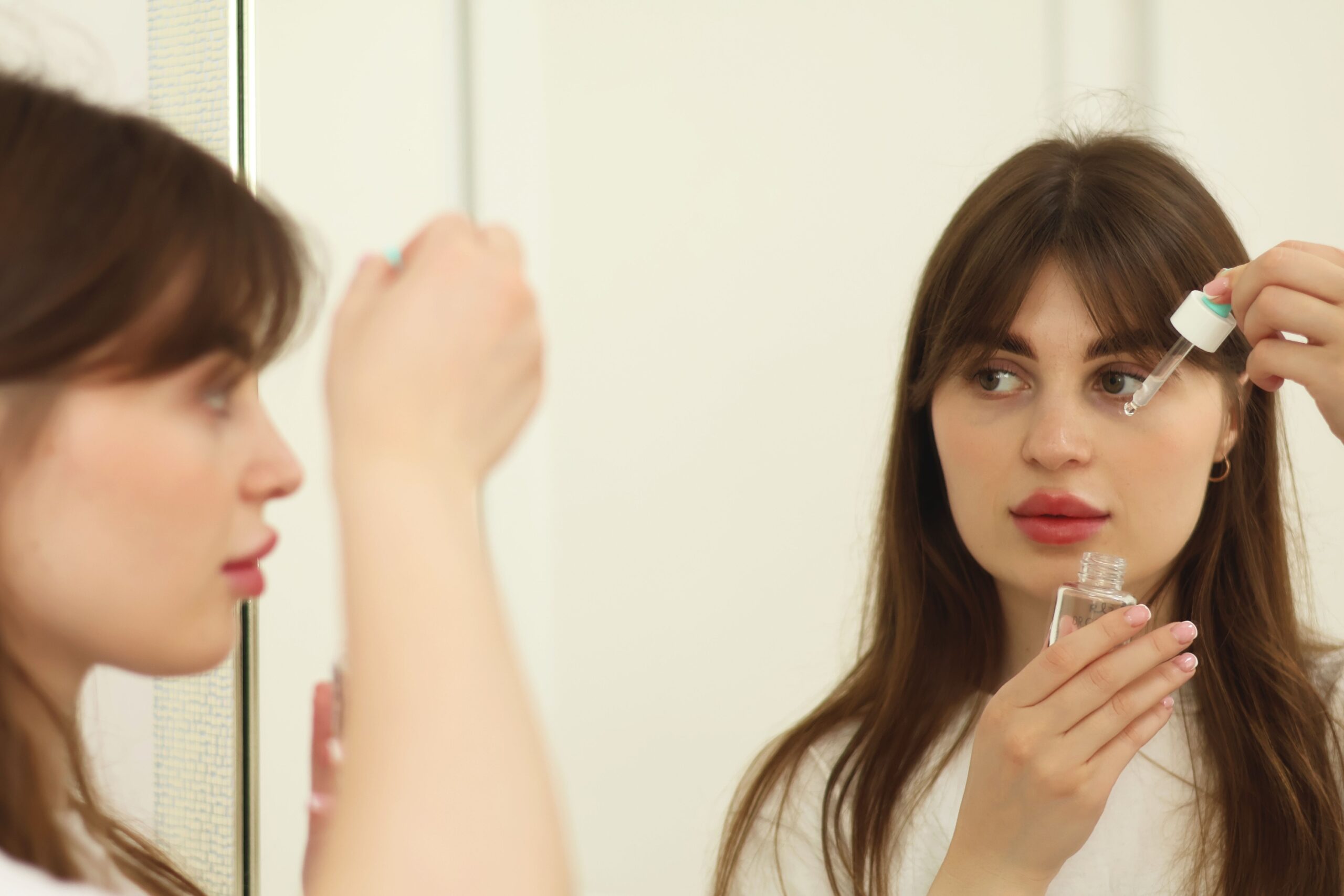

1. Cleansing with Oil
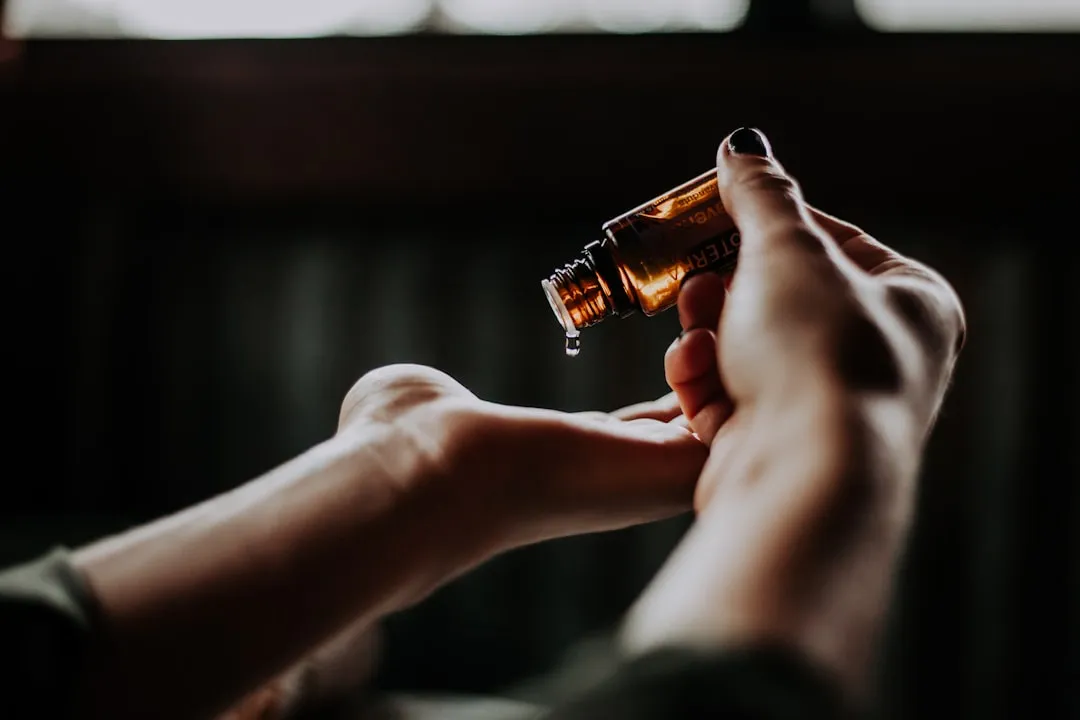
Oil cleansing is one of the oldest skincare habits in human history, practiced across Mediterranean, South Asian, and East Asian cultures for centuries. Grandmothers in many parts of the world used olive oil, coconut oil, or almond oil to dissolve makeup, dirt, and impurities before rinsing clean. The chemistry behind it is straightforward: oil dissolves oil, meaning a gentle oil cleanser can remove sebum and pollution without stripping the skin’s natural barrier.
Dermatologists and estheticians have increasingly endorsed this method, particularly for dry and sensitive skin types that react poorly to harsh foaming cleansers. Research published in dermatology literature confirms that over-cleansing and barrier disruption are among the leading causes of chronic dryness and irritation. Oil cleansing, done correctly, preserves the lipid layer that keeps moisture locked in.
2. Cold Water Rinses for Pore Tightening

Splashing the face with cold water at the end of a wash was a near-universal habit among older generations. Many grandmothers insisted it “closed the pores” and left skin looking fresher and firmer. While pores don’t technically open and close like doors, dermatologists acknowledge that cold water does cause temporary vasoconstriction, which visibly tightens the appearance of skin and reduces puffiness.
The practice also helps calm any inflammation triggered by warm water during cleansing. Skin experts now regularly recommend cool water rinses to reduce redness, especially for those with rosacea-prone or reactive skin. It costs nothing and has essentially no downside, which is perhaps why it survived for so long without needing a clinical trial to justify it.
3. Rose Water as a Toner

Rose water has been used in skincare for at least a thousand years, with roots in Persian and Ayurvedic traditions. Grandmothers across the Middle East, South Asia, and Europe kept bottles of it on their vanity tables, patting it onto skin after cleansing to soothe and hydrate. Modern research has confirmed that rose water contains phenolic compounds, including flavonoids and terpenes, that carry genuine anti-inflammatory and antioxidant properties.
A study published in the journal Natural Product Research found that Rosa damascena extract demonstrated meaningful antioxidant activity relevant to skin health. Dermatologists today recommend rose water particularly for sensitive and acne-prone skin, noting it is gentle enough to use daily without causing irritation. It remains one of the most accessible and evidence-supported toners available, and it hasn’t changed much since antiquity.
4. Honey as a Spot Treatment
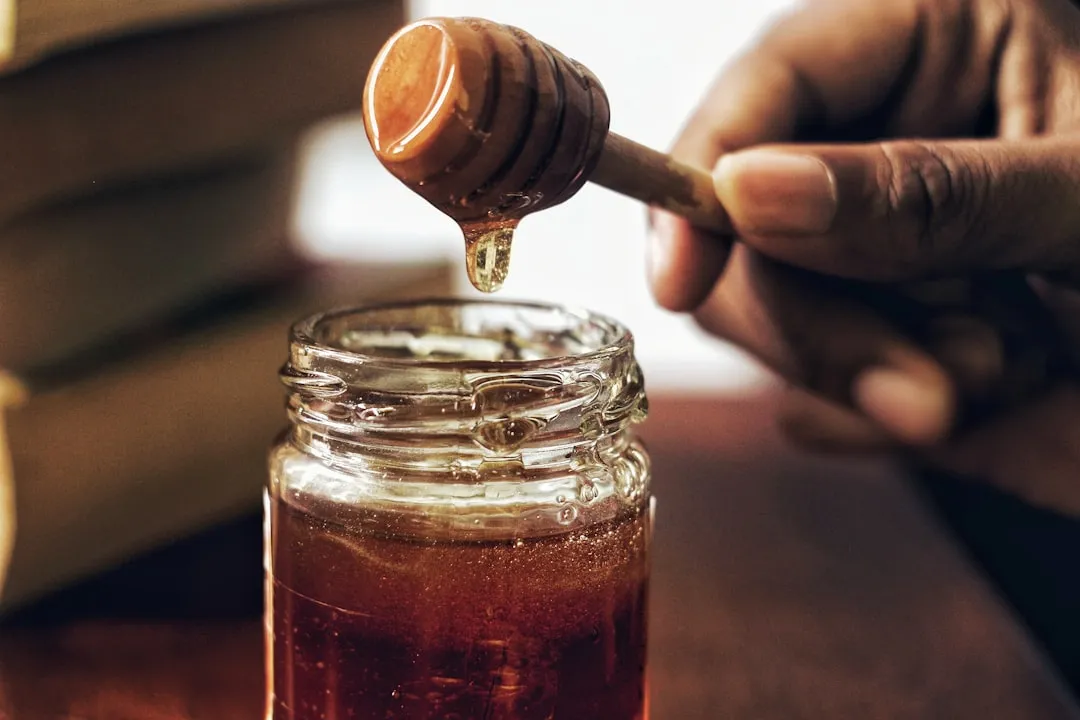
Raw honey applied directly to blemishes was a grandmother staple, and it turns out she was using one of the most scientifically interesting topical agents available without a prescription. Honey, particularly Manuka honey, has well-documented antimicrobial properties tied to its hydrogen peroxide content, low pH, and a compound called methylglyoxal. Clinical research has shown it to be effective against several bacteria associated with acne, including Staphylococcus epidermidis.
Dermatologists now reference honey in discussions of gentle, evidence-backed blemish care, especially for patients sensitive to benzoyl peroxide or salicylic acid. A 2024 review in the Journal of Dermatological Treatment highlighted honey’s wound-healing and antimicrobial credentials as genuinely worth clinical attention. The old habit of dabbing a drop of raw honey on a pimple overnight was, in effect, a low-cost targeted treatment.
5. Facial Massage and Lymphatic Drainage
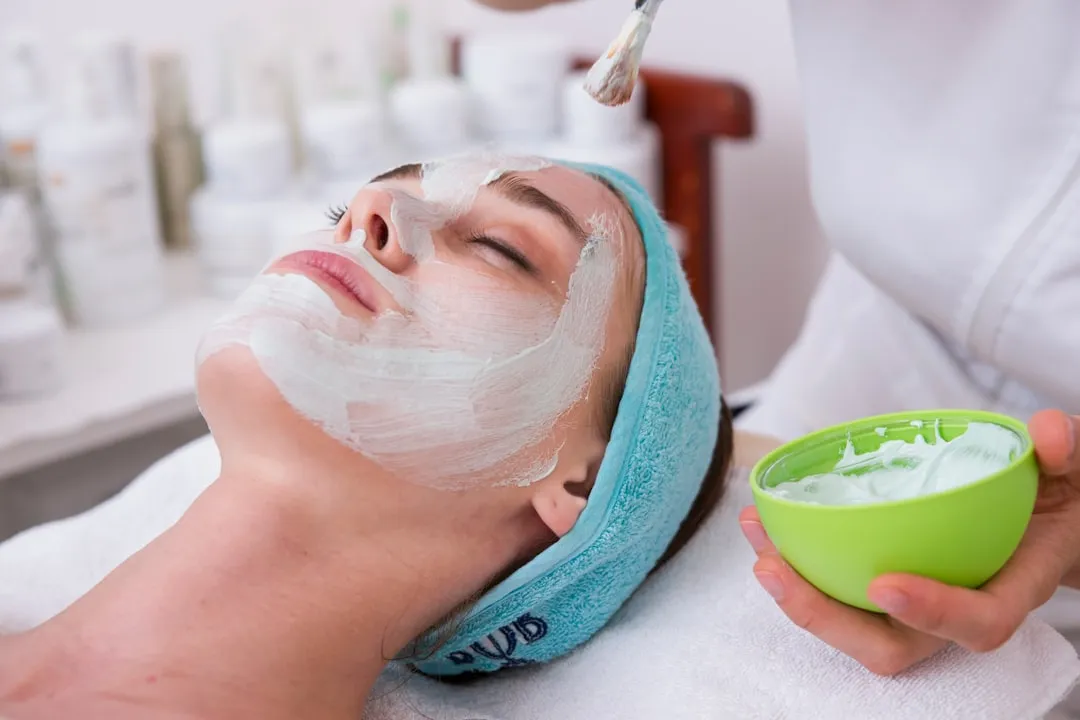
Many grandmothers practiced nightly facial massage without naming it anything. They simply pressed, tapped, and stroked their face while applying cream, often following the same upward and outward motions that aestheticians now describe as lymphatic drainage technique. These movements help reduce fluid retention, encourage circulation, and may support collagen production over time.
Research in the Journal of Cosmetic Dermatology has examined how regular facial massage can improve skin elasticity and increase blood flow to surface tissues. Dermatologists and plastic surgeons increasingly acknowledge massage as a legitimate complement to topical skincare. The specific motions older women used instinctively, working from the center of the face outward, align almost exactly with what modern facial massage protocols recommend.
6. Petroleum Jelly for Overnight Moisture
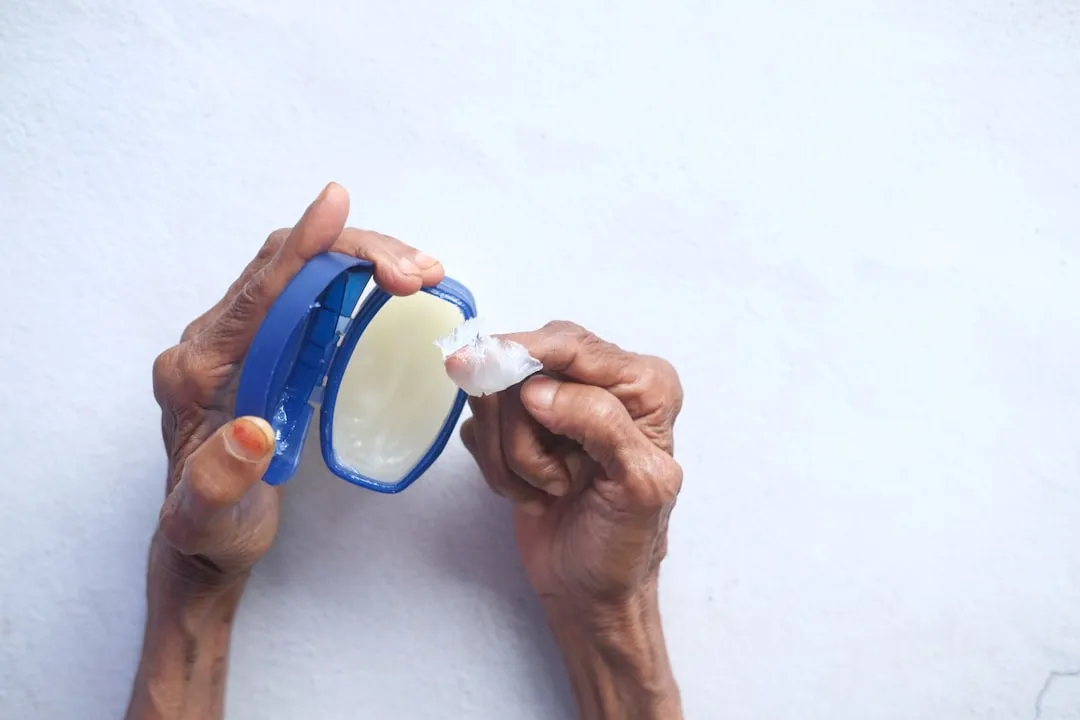
Slathering Vaseline on the face before bed was once considered a grandmother quirk, something slightly old-fashioned and perhaps excessive. In reality, it was a highly effective form of what dermatologists now call “slugging,” a technique that gained enormous popularity in skincare communities around 2021 and has held steady since. Petroleum jelly is an occlusive agent, meaning it forms a physical barrier on the skin’s surface that prevents transepidermal water loss overnight.
Dermatologists including those at the American Academy of Dermatology have consistently endorsed petroleum jelly as one of the safest and most effective moisturizing agents available. It is non-comedogenic despite its thick texture, making it suitable for most skin types when used correctly. Grandmothers who woke up with soft, hydrated skin after a Vaseline night were not imagining things.
7. Green Tea as a Skin Soother
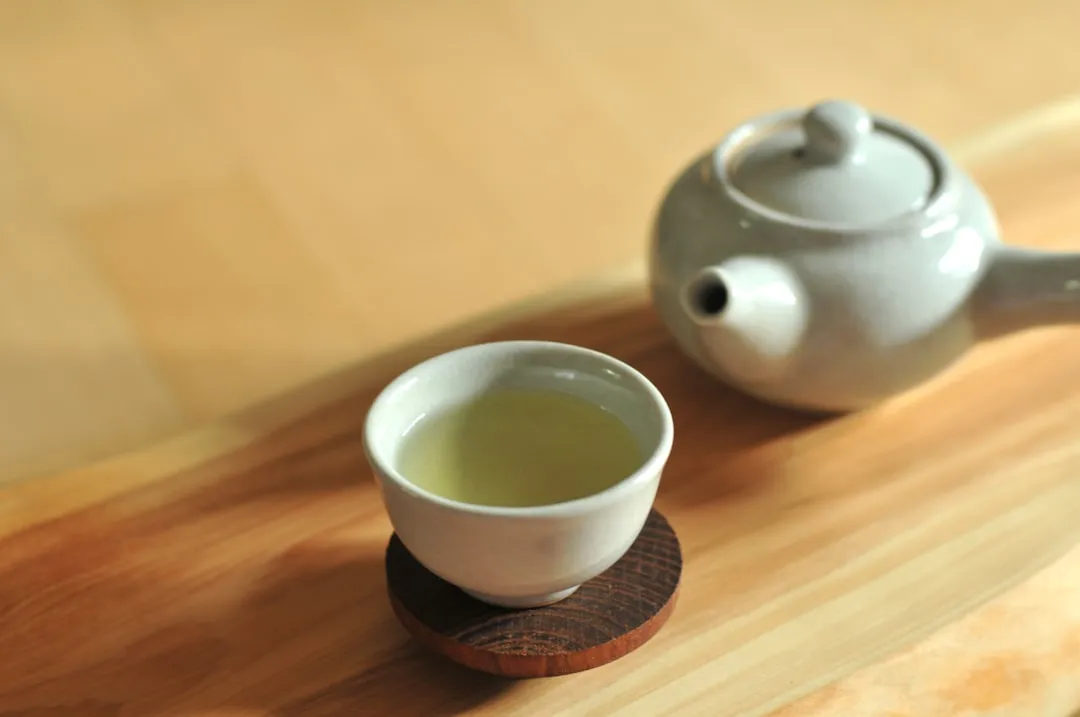
Used tea bags pressed against tired or puffy eyes was a home remedy passed down through generations, and cooled green tea applied to irritated skin was another common practice. The active compounds responsible for the benefit are polyphenols, specifically epigallocatechin gallate, commonly known as EGCG, which carries potent antioxidant and anti-inflammatory effects. Research published in the Archives of Dermatological Research has confirmed that topical green tea extracts reduce inflammation and show promise in protecting against UV-related skin damage.
EGCG has also been studied for its role in reducing sebum production, making it relevant for oily and acne-prone skin types. Numerous modern serums and toners now list green tea extract as a primary active ingredient, reflecting what older generations figured out simply by placing cooled tea bags on their faces. The science caught up; the ingredient stayed the same.
8. Aloe Vera Straight from the Plant

Keeping an aloe vera plant on the windowsill was a practical household habit for generations. When someone got a sunburn, a minor cut, or skin irritation, a grandmother would snap off a leaf and apply the clear gel directly. This is now one of the most clinically supported home remedies in dermatology, with research confirming aloe vera’s role in accelerating wound healing, reducing UV-induced inflammation, and maintaining skin hydration through its polysaccharide content.
A review in the Indian Journal of Dermatology noted that aloe vera contains over seventy-five active compounds, including vitamins, enzymes, minerals, and amino acids relevant to skin health. Dermatologists recommend it as a first-line soothing agent for sunburn, post-procedure skin care, and mild eczema flares. Fresh gel from the plant is chemically identical to what goes into high-end aloe-based products, just without the preservatives or added fragrance.
9. Sunflower and Almond Oil for Dry Skin
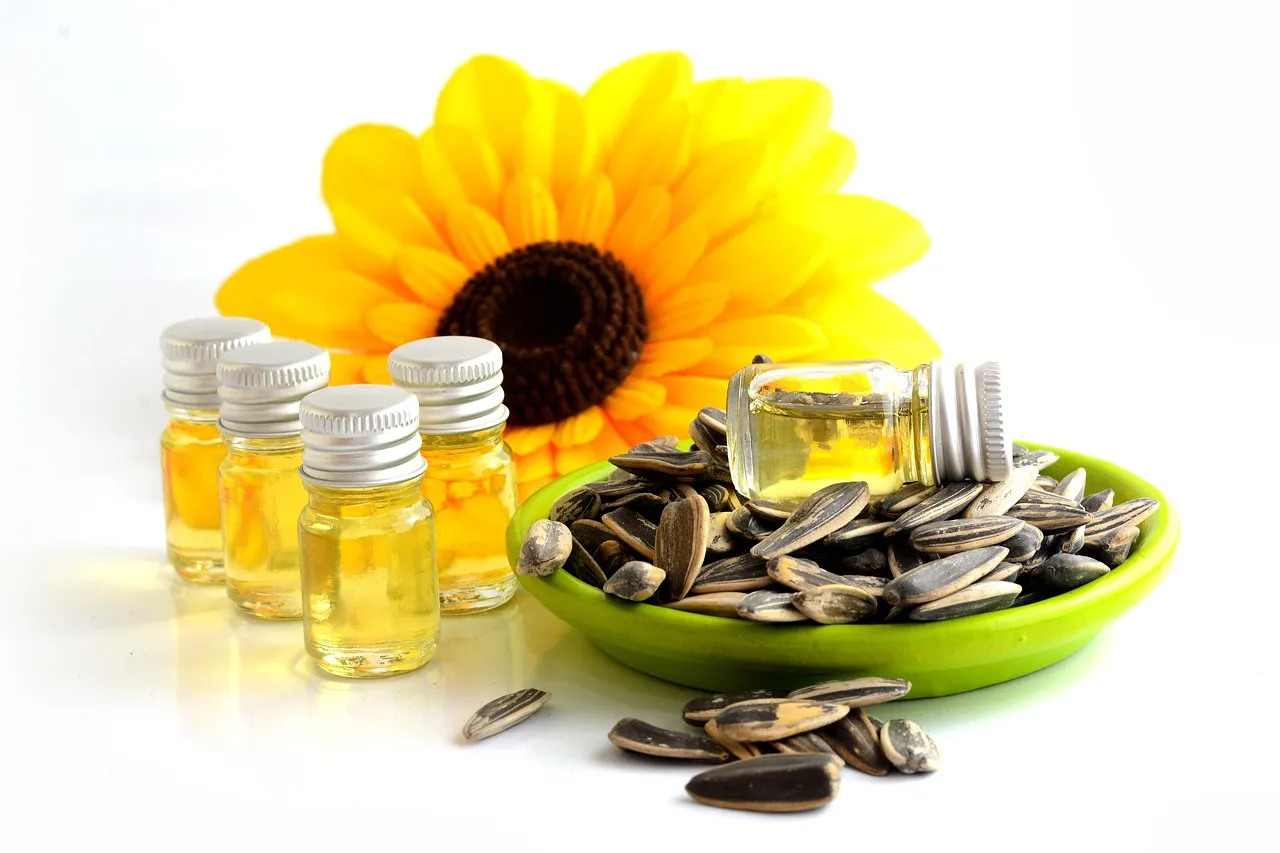
Before body lotion existed in its modern form, dry skin was treated with kitchen oils, most commonly sunflower, almond, or sesame oil applied after bathing. These weren’t just cheap substitutes for something better; they were, in many cases, the better option. Sunflower oil is rich in linoleic acid, an essential fatty acid that plays a key role in maintaining the skin’s barrier function, and clinical research has confirmed its effectiveness in managing conditions like eczema and xerosis.
A well-cited study in Pediatric Dermatology demonstrated that sunflower seed oil preserved the skin barrier more effectively than olive oil when applied to neonatal skin, pointing to the importance of fatty acid composition. Almond oil similarly contains oleic acid and vitamin E, both studied for their emollient and antioxidant roles in skin. The women who reached for the kitchen shelf after a bath were, nutritionally speaking, giving their skin exactly what it needed.
10. Sleeping on Silk and Staying Out of the Sun

Two habits that were less about what grandmothers put on their skin and more about how they treated it: sleeping on smooth pillowcases and staying covered in strong sunlight. Silk and satin pillowcases reduce the mechanical friction that can contribute to sleep lines and long-term skin creasing, and dermatologists now recommend them for patients concerned about premature aging. Research published in the Journal of Cosmetic and Laser Therapy supports the idea that repeated mechanical pressure during sleep can accelerate the formation of facial lines over time.
As for sun avoidance, grandmothers in many cultures wore wide hats, kept to the shade during peak hours, and thought very little of it as a beauty strategy. It simply was what it was. Today, broad-spectrum SPF protection is the single most recommended anti-aging intervention by dermatologists worldwide, and the World Health Organization classifies UV radiation as a Group 1 carcinogen. What looked like modesty or practicality was, by every dermatological standard we now have, the smartest skincare habit of all.
Final Thoughts

The pattern here isn’t coincidence. Generations of women refined their skincare practices through direct observation, passed habits down, and quietly discarded what didn’t work. What remained was genuinely effective, which is exactly what research keeps confirming. Oil, honey, rose water, cold rinses, gentle massage, real rest – none of it requires a credit card or an algorithm.
Dermatology is a rigorous science, and it matters enormously for diagnosing and treating serious conditions. Still, some of its most consistent recent findings amount to a quiet endorsement of things that were already happening in kitchens and bedrooms long before the first clinical trial was written. That’s worth paying attention to.
AI Disclaimer: This article was created with the assistance of AI tools and reviewed by a human editor.