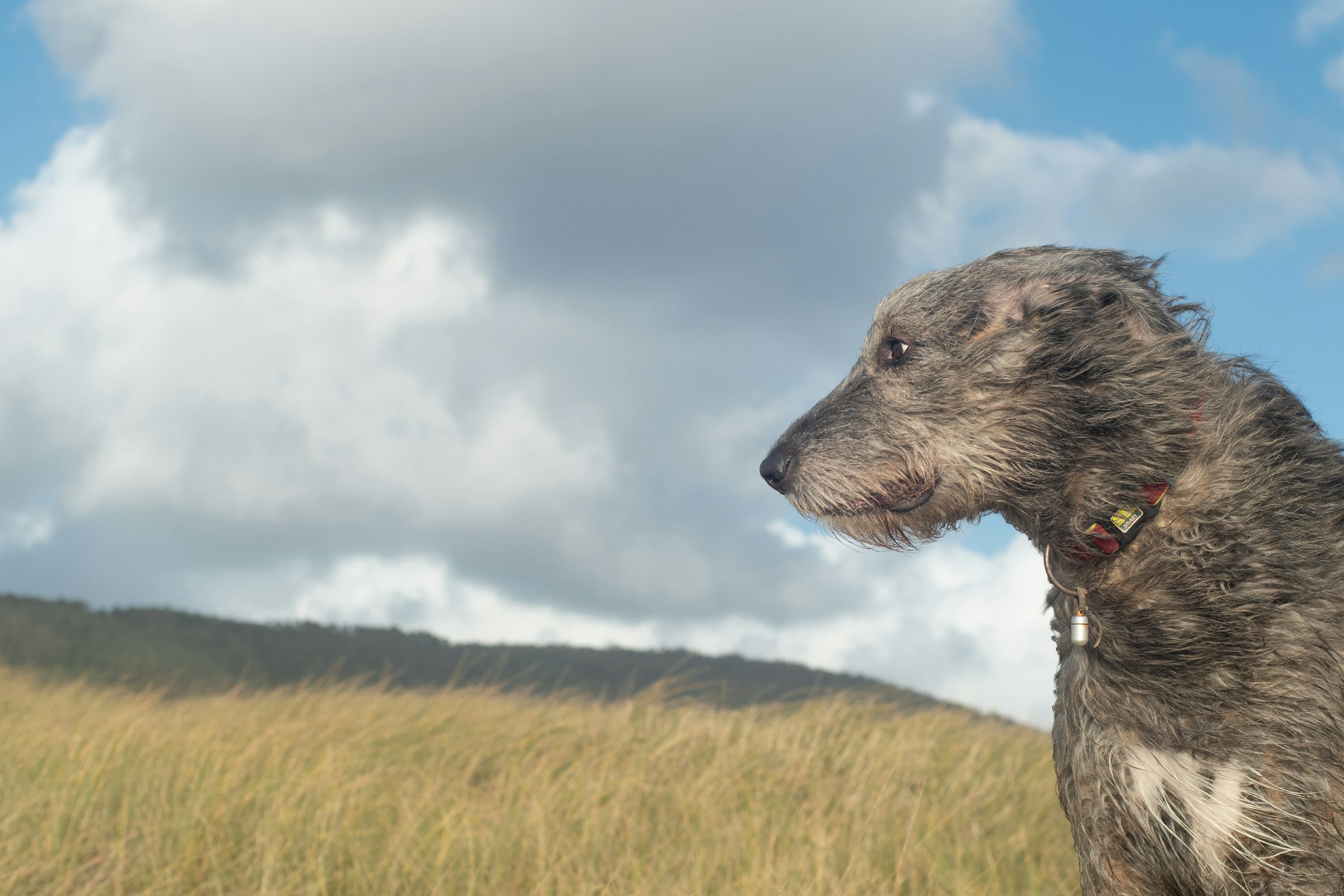

Most dog owners have been there. You clip the leash on, open the front door, and your dog plants all four paws firmly on the floor and refuses to budge. Outside, the trees are swaying and the air is moving fast. To you, it’s just a breezy afternoon. To your dog, it might as well be a different world entirely.
Wind is one of the more underappreciated triggers of canine anxiety, partly because it’s invisible and partly because owners tend to dismiss it quickly. Understanding what’s actually happening from your dog’s perspective makes the situation a lot easier to navigate.
Dogs Experience the World Through Smell First

A dog’s nose contains roughly 300 million olfactory receptors, compared to about six million in humans. That’s not a minor difference – it fundamentally changes how dogs process their environment. On a calm day, scents arrive in a relatively predictable pattern, giving a dog useful information about what’s nearby, who has passed, and whether anything feels threatening.
When wind picks up, that sensory landscape gets scrambled. Smells arrive from unexpected directions, intensify suddenly, and disappear just as fast. For a dog that relies on scent to feel oriented and safe, a windy day can feel genuinely disorienting, not just mildly unpleasant.
Hearing Is the Second Major Disruption
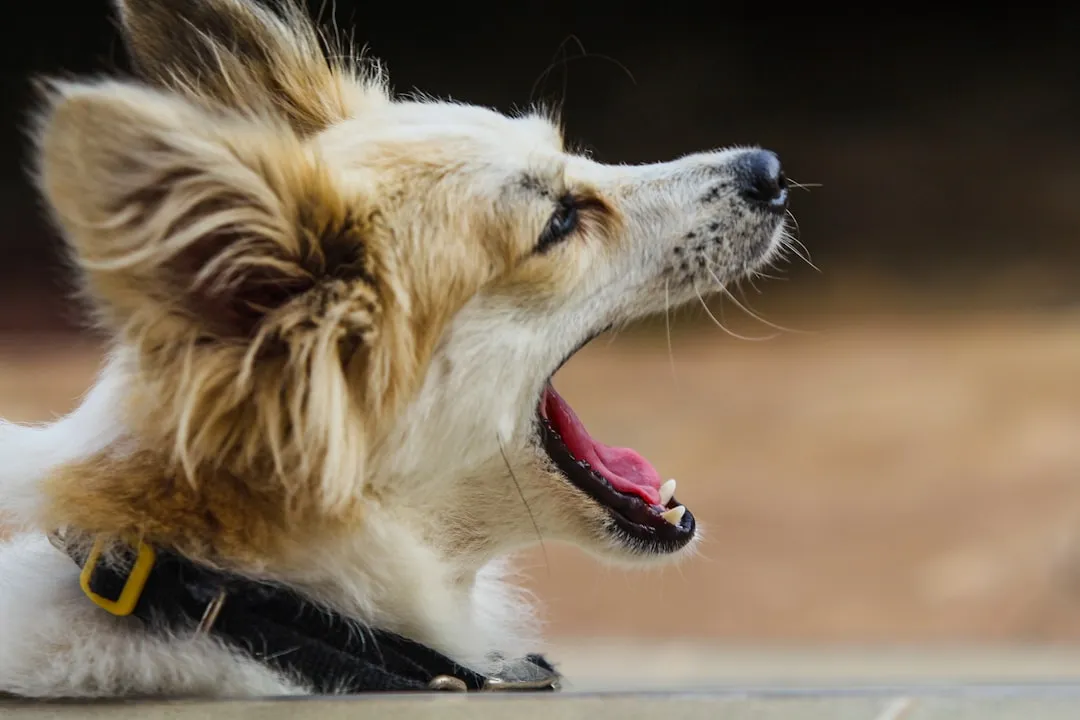
Dogs can hear sounds at frequencies between roughly 40 Hz and 65,000 Hz, a range far wider than the human hearing window. Wind generates a constant stream of unpredictable sounds – rustling leaves, creaking fences, banging bins, branches snapping – all of which fall within a dog’s sensitive hearing range.
Unlike humans, dogs struggle to consciously filter out background noise the way we do in a busy café. Every creak and rustle can register as a potential signal worth investigating or worrying about. On a windy day, that mental load accumulates quickly and leads to stress before your dog has even stepped off the porch.
The Role of Noise Sensitivity and Anxiety

Noise sensitivity in dogs is well documented in veterinary literature. Studies published in journals such as Applied Animal Behaviour Science have found that a significant portion of the domestic dog population shows measurable fear responses to environmental sounds, with estimates in some research samples suggesting that roughly one third to nearly half of dogs display some form of noise-related anxiety.
Wind itself isn’t a single sound – it’s an unpredictable, shifting collection of them. Dogs that already struggle with noise sensitivity are particularly vulnerable on windy days because the stimulus is continuous and impossible to predict or avoid. There is no moment where the sound stops and gives the dog a chance to feel safe.
Physical Sensations That Feel Strange or Threatening
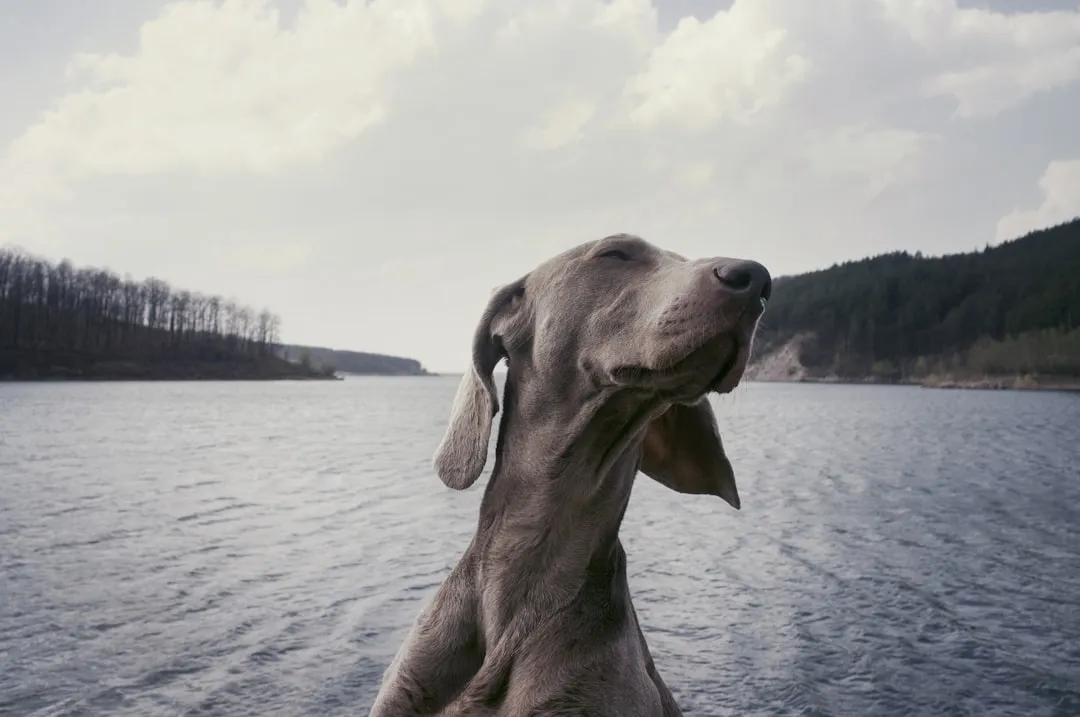
Beyond smell and hearing, wind creates real physical sensations on a dog’s skin and coat. Fur blows in unfamiliar directions, pressure changes occur around the face and ears, and moving air around the ear canal can feel particularly uncomfortable for dogs with large or sensitive ears.
For dogs that are already cautious about their physical environment, these tactile signals can be enough to trigger a full stop. The body is registering something unusual, and the instinctive response is to retreat rather than investigate. It’s worth noting that this reaction isn’t stubbornness – it’s a genuine self-protective impulse rooted in how dogs assess risk.
Breed Differences in Wind Sensitivity
Not every dog reacts the same way to windy conditions, and breed plays a meaningful role. Dogs bred for outdoor endurance work – herding breeds, many sporting dogs, northern sled breeds – tend to be more comfortable working in varied weather because their historical roles required it.
Toy breeds, sight hounds, and dogs with naturally anxious temperaments often show stronger aversion to sensory disruption, including wind. That said, individual variation matters just as much as breed. A Golden Retriever can be wind-averse, and a Chihuahua can be completely unbothered. Temperament, socialization history, and past experiences all contribute to how a particular dog responds.
Early Socialization and Its Lasting Impact

The socialization window in puppies – roughly the period between three and fourteen weeks of age – is when young dogs form lasting associations with environmental stimuli. Puppies that are exposed to a wide variety of outdoor conditions during this window, including wind, rain, and traffic noise, are significantly more likely to treat these experiences as normal later in life.
Dogs that missed varied outdoor exposure during this period are more prone to developing avoidance behaviors around anything unfamiliar. Veterinary behaviorists consistently identify early socialization gaps as one of the leading contributors to adult anxiety in dogs, including environmental anxiety triggered by weather conditions like wind.
Past Negative Experiences Can Anchor the Fear
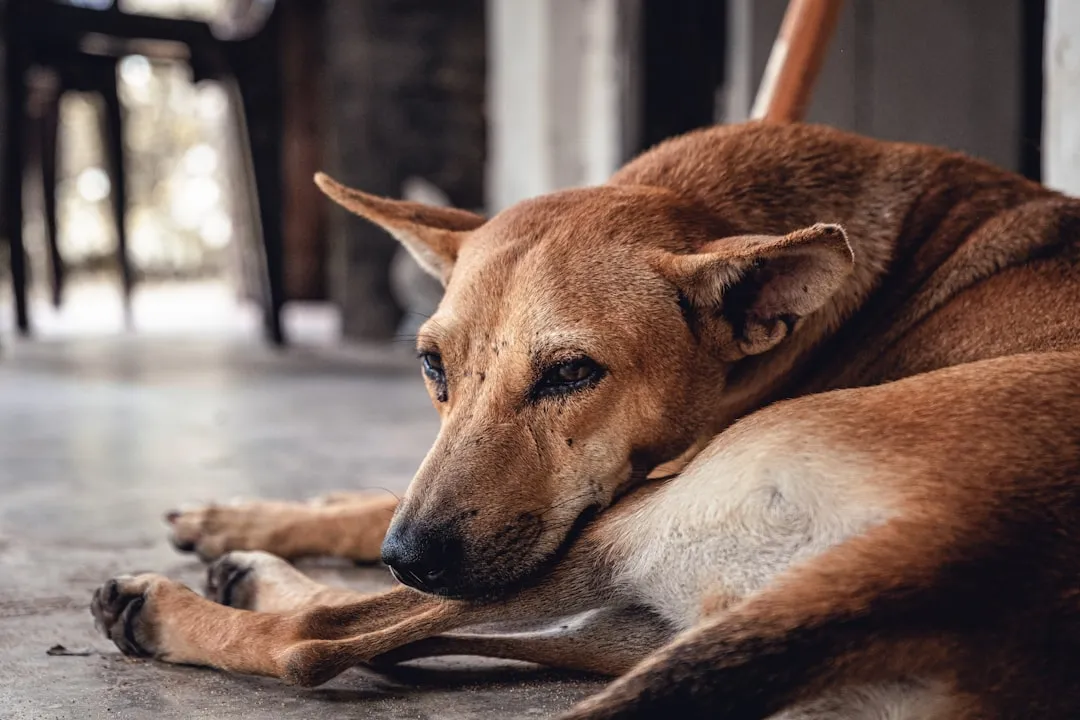
Associative learning is one of the most powerful forces shaping a dog’s behavior. If a dog experienced something frightening during a windy day – a sudden loud noise, a falling object, an encounter with another animal – the wind itself can become associated with that fear, even if the original threat is long gone.
This kind of conditioned response doesn’t require the dog to consciously remember the event. The sensory context – moving air, specific sounds, smell changes – can trigger the anxiety automatically. Rescue dogs or dogs with unknown histories are especially likely to carry these kinds of invisible associations, which can make the wind refusal seem to come out of nowhere from the owner’s perspective.
How Barometric Pressure Changes May Play a Role
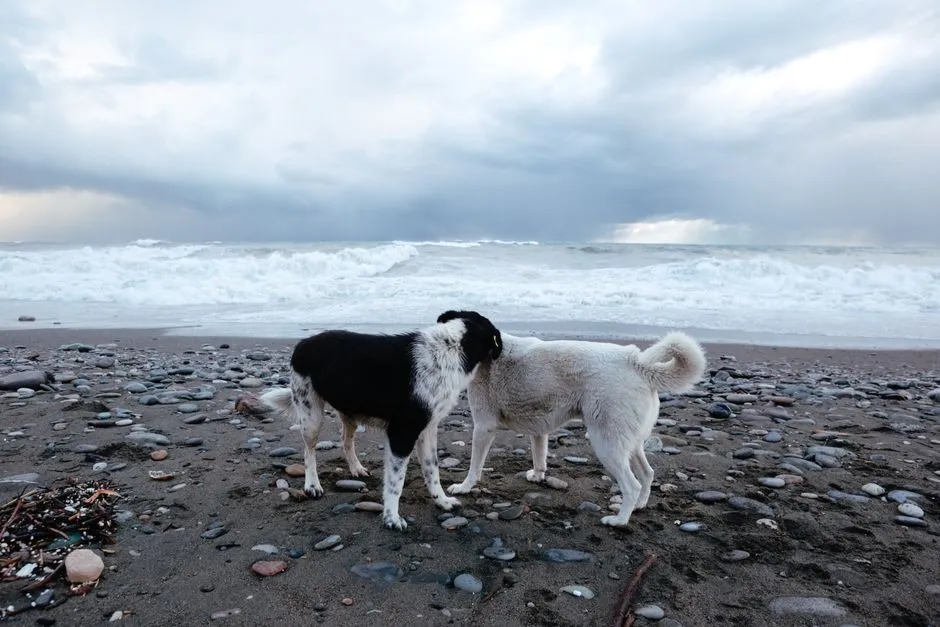
Windy conditions are frequently accompanied by shifts in barometric pressure, particularly ahead of incoming storm systems. There is growing interest in veterinary science around whether dogs can detect these pressure changes, and some research suggests dogs may be sensitive to them in ways that influence behavior and mood.
Anecdotal evidence from owners and some veterinary observations suggest dogs become restless, clingy, or reluctant to go outside before storms arrive, sometimes well before any visible weather change. Whether this is driven by barometric pressure, early sound detection, or a combination remains an active area of interest. The link isn’t fully established, but it’s plausible enough that many veterinarians take it seriously.
What Owners Can Do to Help
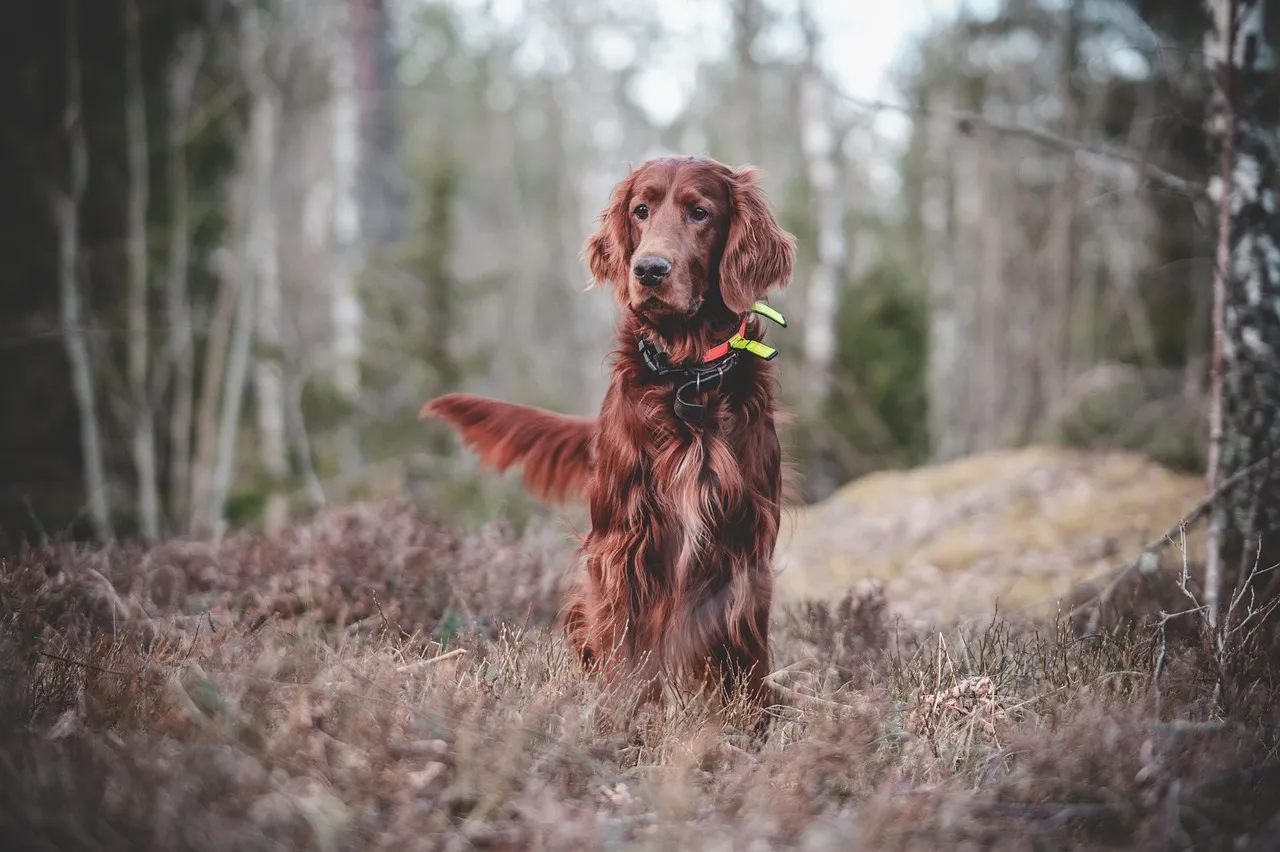
Forcing a wind-averse dog outside tends to backfire. It can entrench the fear further by pairing the already stressful environment with the additional stress of being overruled and dragged into it. Gradual desensitization – starting with brief, low-pressure outdoor exposure during light breezes and pairing the experience with high-value rewards – is the approach most behaviorists recommend.
Working with a certified veterinary behaviorist or a qualified trainer who uses positive reinforcement methods gives owners a structured path forward. For dogs with severe anxiety, a vet may also discuss whether short-term anxiety support, including behavioral medication, could help lower the dog’s baseline stress enough to make training more effective. Progress is often slow, but it’s real.
When Wind Refusal Is a Sign of Something Bigger

For some dogs, refusing to go outside in wind is just one piece of a broader anxiety picture. If the same dog also struggles with thunderstorms, fireworks, car rides, strangers, or other common triggers, the wind aversion likely reflects a generalized sensitivity rather than an isolated quirk.
Generalized anxiety in dogs is a recognized clinical condition that responds well to a combination of behavioral intervention and, in some cases, veterinary support. If a dog’s quality of life is visibly affected – skipping meals, unable to settle, avoiding basic routines – it’s worth a direct conversation with a vet rather than waiting for things to improve on their own.
Understanding Before Judging
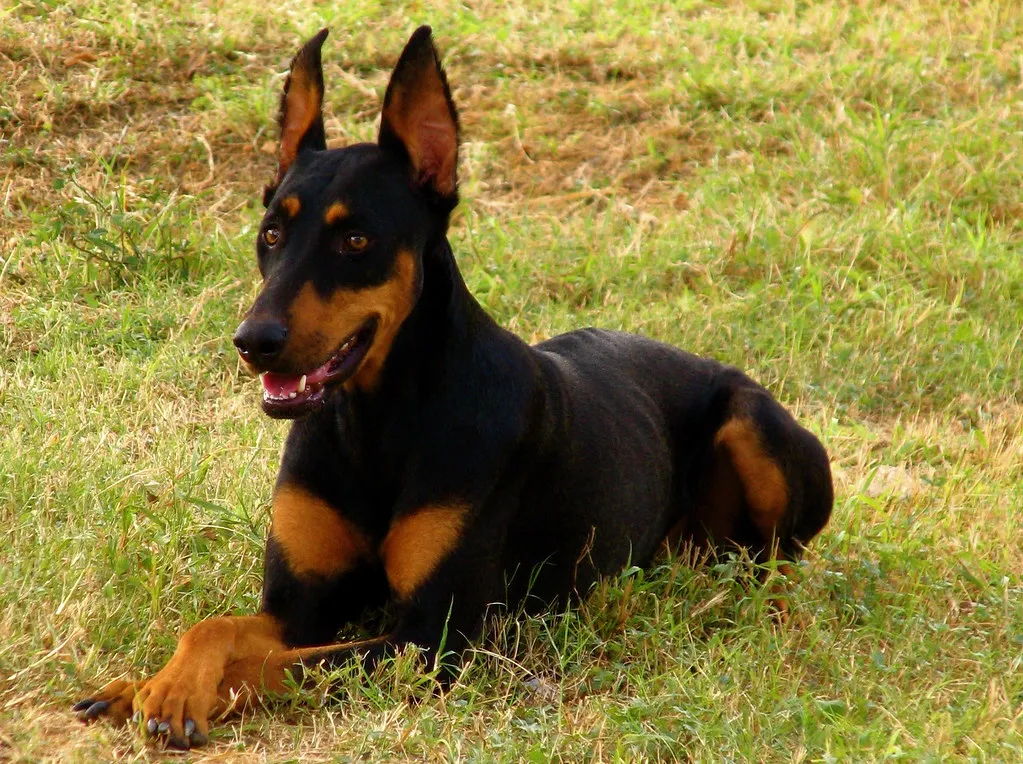
It’s easy to label a dog that won’t go outside as difficult, dramatic, or stubborn. The reality is almost always more straightforward. Dogs that refuse to walk in the wind are responding to a sensory environment that genuinely feels overwhelming to them, using the only communication tool they have: stopping.
Seeing the behavior for what it actually is – a stress response, not defiance – tends to shift how owners approach it. Patience, consistency, and a little professional guidance go a long way. Most dogs can build a more comfortable relationship with outdoor conditions over time, even if they never fully love a gusty afternoon the way some of their peers do.
AI Disclaimer: This article was created with the assistance of AI tools and reviewed by a human editor.