
There’s a specific kind of regret that comes from assembling flat-pack furniture on a Saturday afternoon, only to realize the shelf is already bowing under the weight of a few books. Most people have been there. The price tag was reasonable, the delivery was free, the photos online looked fine. A year later, you’re hauling it to the curb.
The shift away from that cycle isn’t really about frugality or nostalgia, though both play a role. It’s more about a quiet realization that the furniture being sold in big-box stores today is built to a different standard than the pieces sitting in someone’s living room for the past forty years. Estate sales became the obvious answer once that clicked into place.
The Moment the New Furniture Model Stopped Making Sense
The new furniture industry has faced serious headwinds from high interest rates, housing market problems, and tariffs, putting pressure on both retailers and consumers. That pressure eventually filters down to the buyer, who ends up paying more for pieces that haven’t necessarily gotten better. On average, U.S. consumers spent around $648 on furniture in 2024, a figure that feels modest until you realize a large portion of that spending went toward items with a limited lifespan.
Refurbished wooden items show a roughly forty percent lower return rate than new composite goods, and the appeal is bolstered by vintage aesthetics and a broad rejection of fast-furniture culture. That single data point says something real about the difference in quality between what was made then and what’s being made now.
What Estate Sales Actually Are (and Aren’t)

Estate sales often feature one-of-a-kind items, antique furniture, and vintage collectibles that can’t be found in regular retail stores. They’re not yard sales with better lighting. They typically take place inside a home, run by a professional company, and the inventory reflects the full contents of a lifetime of collecting, buying, and living.
The estate liquidation services industry is valued at around $230.3 million in the 2024 to 2025 period. This steady growth reflects ongoing demand for estate sales nationwide, with factors like aging populations and downsizing trends contributing to the expansion. It’s a genuine industry, not a niche hobby. Over half of estate sale businesses now consider estate sales their main source of income.
The Scale of the Secondhand Furniture Market Right Now
The secondhand furniture market was valued at $47.17 billion in 2025 and is estimated to grow from $49.46 billion in 2026 to $62.66 billion by 2031 at a compound annual growth rate of 4.85%. That’s not a trend on the fringe. That’s a market segment with serious momentum. In North America alone, the secondhand furniture market is poised to grow from $13.81 billion in 2024 to $25.62 billion by 2033.
According to Chainstoreage, nine in ten Americans will look for lightly used or resale options before purchasing new furniture, highlighting a strong consumer preference for secondhand options in the United States. That statistic is striking. It suggests that the stigma once attached to buying used furniture has largely dissolved.
What You Actually Find at Estate Sales
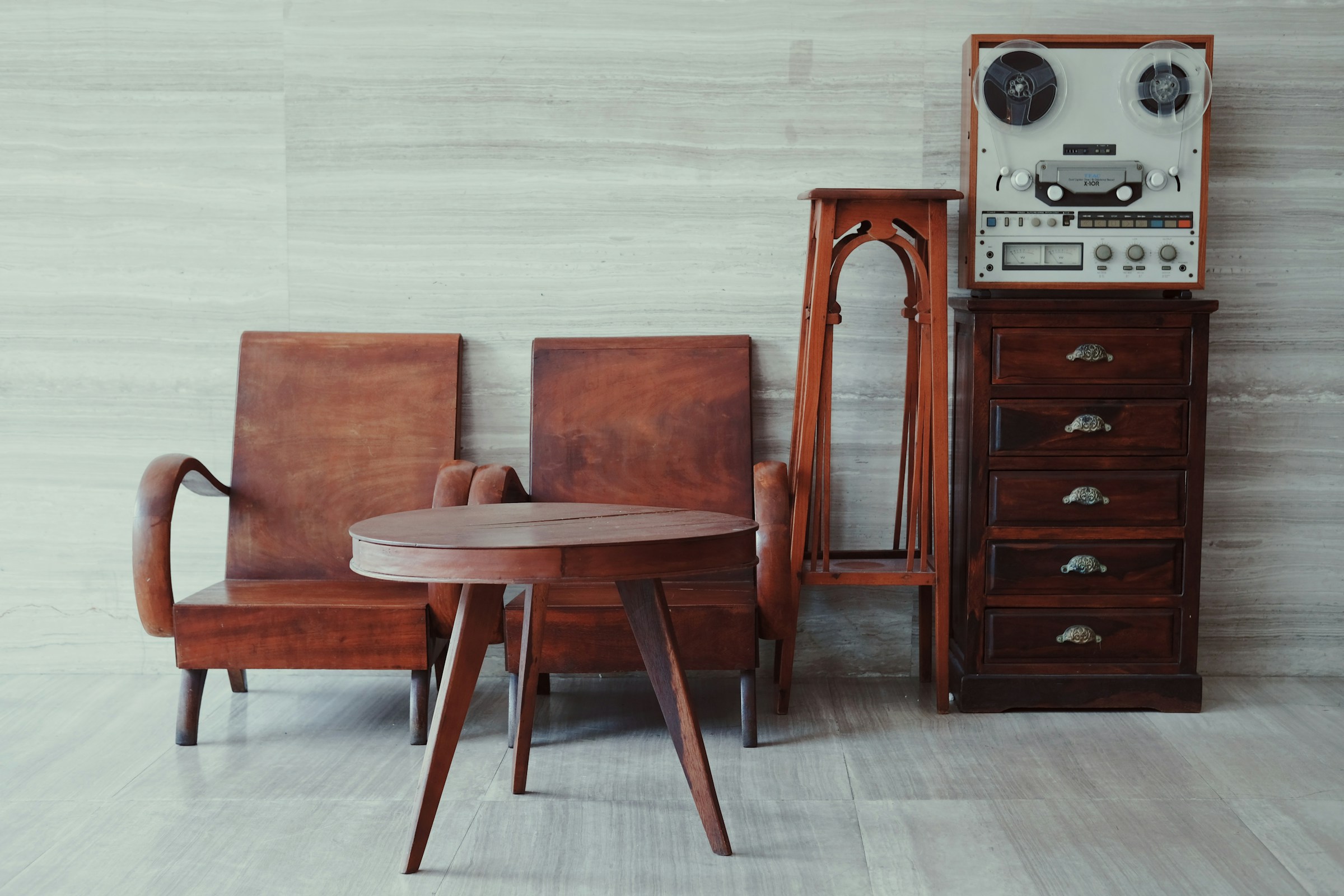
Quality solid wood furniture continues to perform well at estate sales, particularly pieces with clean lines and mid-century styling. Travertine and marble tables, especially smaller side tables and coffee tables, are trending for quality pieces in good condition. These are items that would cost multiples more if bought new or through a vintage dealer. At an estate sale, they’re priced to move.
Mid-century modern furniture remains popular, but buyers have become more discerning. The market now distinguishes sharply between authentic designer pieces and mass-produced reproductions. Specific designers like Eames, Wegner, Knoll, and Herman Miller command premium prices, as do pieces featuring quality materials like solid teak, walnut, and rosewood.
The Environmental Case You Didn’t Realize Was This Strong
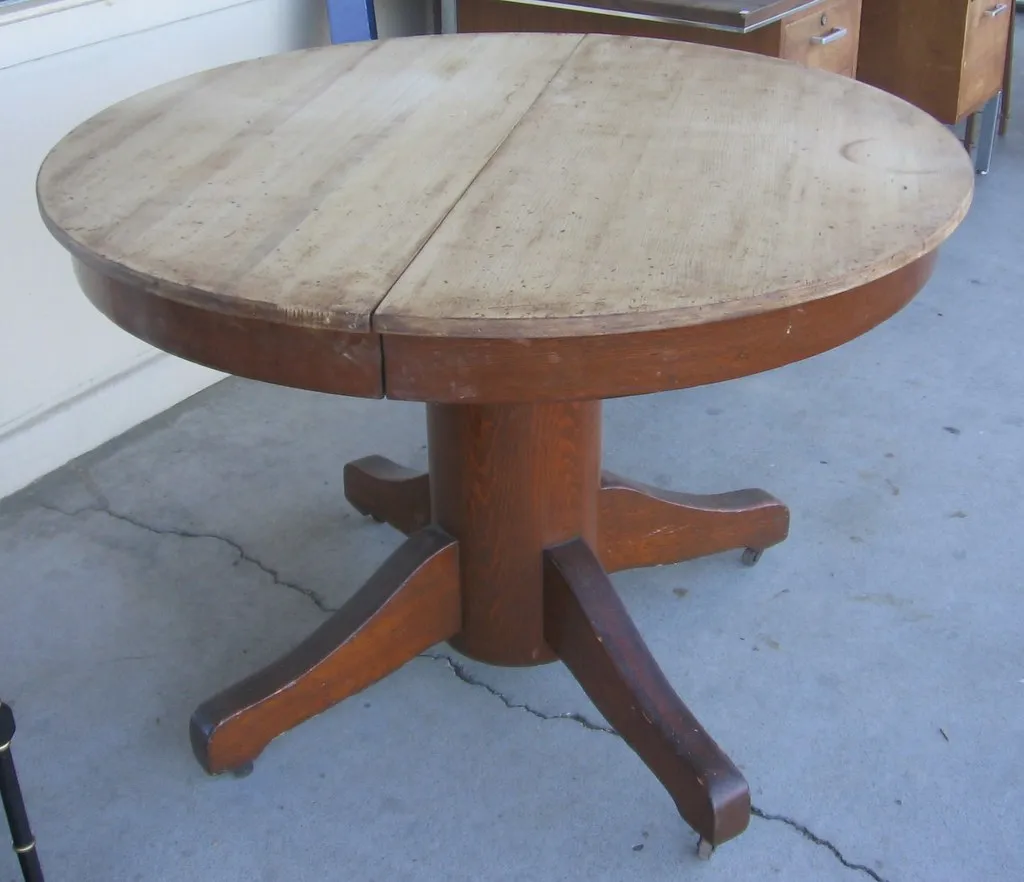
The furniture market is among the most significant landfill waste creators, and purchasing secondhand extends the product life cycle while reducing its environmental footprint. That’s not marketing language. It’s a measurable reality. The carbon footprint of vintage furniture is anticipated to be sixteen times smaller than that of mass-produced modern furniture.
Sustainability is becoming a factor in buying decisions, with nearly half of U.S. shoppers saying they’d buy eco-friendly furniture if the price increase remained small, though cost sensitivity still limits broader adoption. Estate sales sidestep that trade-off entirely. The eco-friendly choice is also the cheaper one.
Why New Furniture Online Has Quietly Gotten Worse
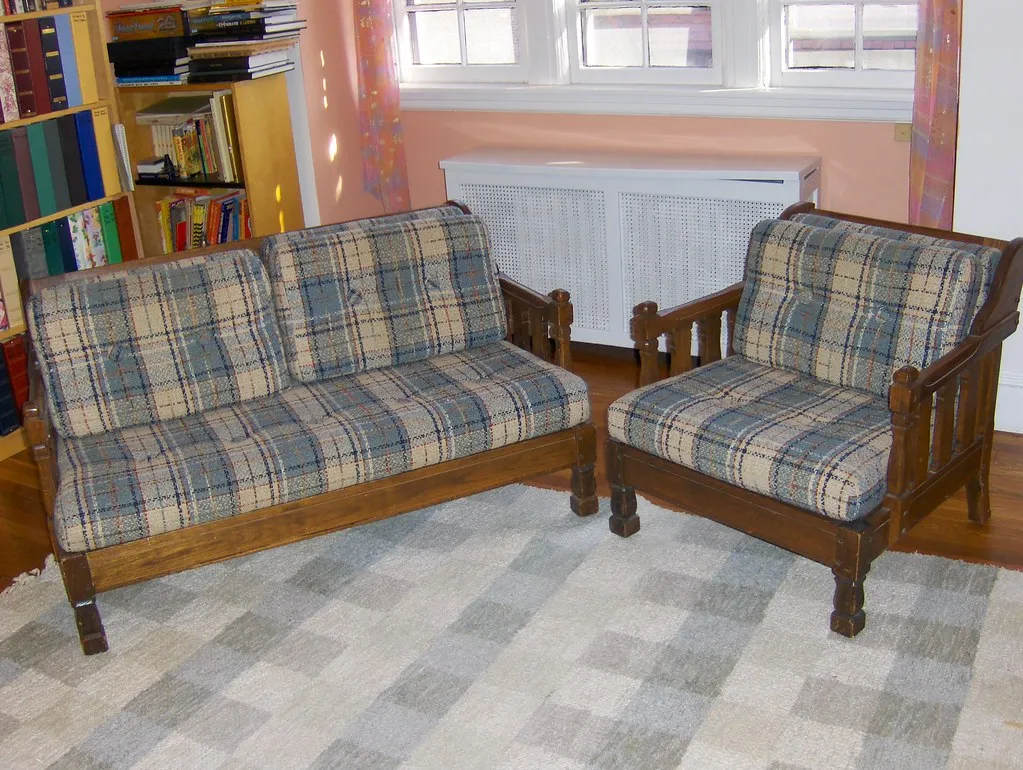
Online sales fell 0.4% year over year in 2024 for the top 193 U.S.-based online retailers in Housewares and Home Furnishings. That dip happened even as online retail in other categories kept growing. The furniture sector is dealing with something specific. In a category susceptible to high interest rates, housing market problems, and tariffs, online merchants have already been through a lot on the heels of a sales boom during the pandemic. Even the most successful companies in the space now face real uncertainty.
The result of that uncertainty is predictable. Costs get cut somewhere, and it’s usually materials and construction. Estate sale furniture, by contrast, was often built before those pressures existed. The wood segment of the secondhand market is foundational and prized for its durability and potential for product life extension.
What Not to Buy at an Estate Sale
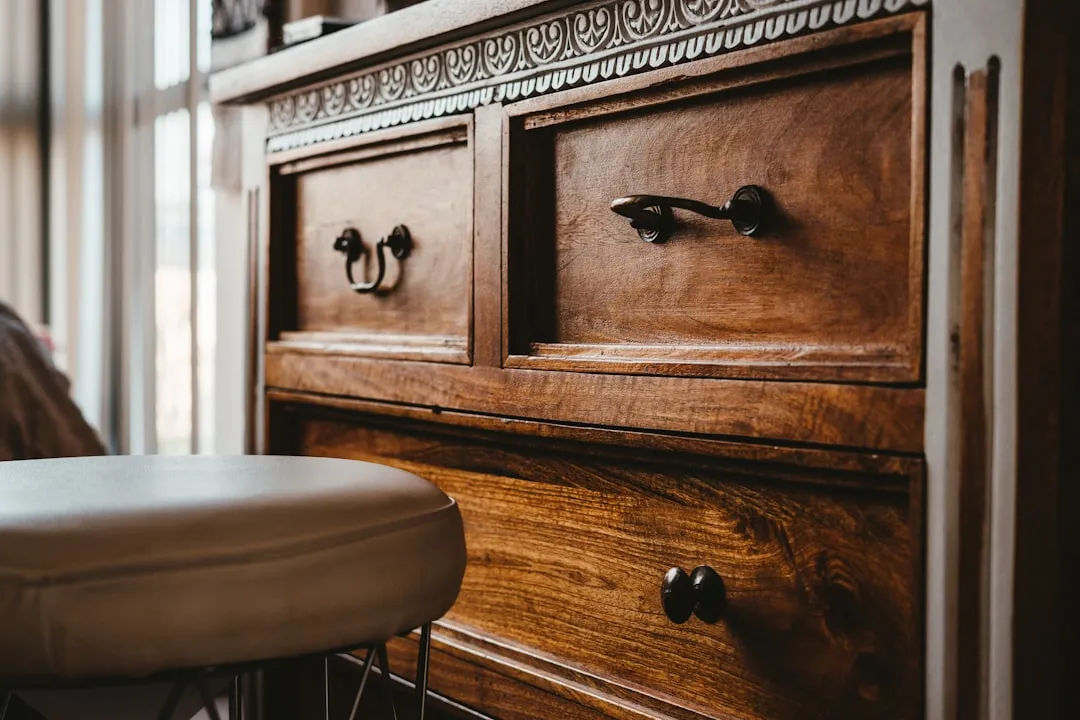
Large traditional furniture faces lower popularity at estate sales, particularly formal dining sets, china cabinets, oversized entertainment centers, and bulky upholstered pieces. Today’s buyers typically live in smaller spaces with different entertaining styles, and these pieces simply don’t fit their lifestyles or aesthetics. Knowing this before you walk in saves time and prevents impulse decisions on pieces that won’t work.
Condition matters more than ever. Buyers want original finishes or professionally restored pieces, not amateur refinishing projects. A piece that’s been sanded and repainted by an enthusiastic but inexperienced hand can actually be harder to restore than one that’s simply old and dusty. Look closely before committing.
How to Approach an Estate Sale Like Someone Who Knows What They’re Doing

Arriving at the start of the sale ensures you get first dibs on the best items. Some sales even offer early-bird hours for serious shoppers. The best pieces rarely last past the first hour of the first day. Haggling is a common practice at estate sales. If you’re interested in an item, don’t be shy about making an offer. Just remember to be respectful in your negotiations.
While many estate sales now accept credit cards, cash transactions can be smoother and faster. Having exact change can make the buying process more efficient. It also tends to make negotiation feel more concrete for both sides. A cash offer in hand carries a different weight than a card swipe.
The Community and Industry Growing Around This Habit

Estate sales often serve as hubs for exchanging goods within local communities. This promotes a culture of sharing and resourcefulness, ultimately building a more resilient economy. There’s something quietly valuable about that. Shopping at an estate sale keeps money local and keeps goods circulating within a community rather than flowing into the supply chain of a distant manufacturer.
The number of individuals listing estate sale management as their primary occupation grew by 11.3% year-over-year, with the median annual income for full-time estate sale business owners reaching $67,400, up from $59,800 in 2024, driven largely by rising demand in Sun Belt retirement communities across Florida, Arizona, and Texas. The infrastructure supporting this market is expanding to meet demand.
What This Shift Does to How You See Furniture Altogether
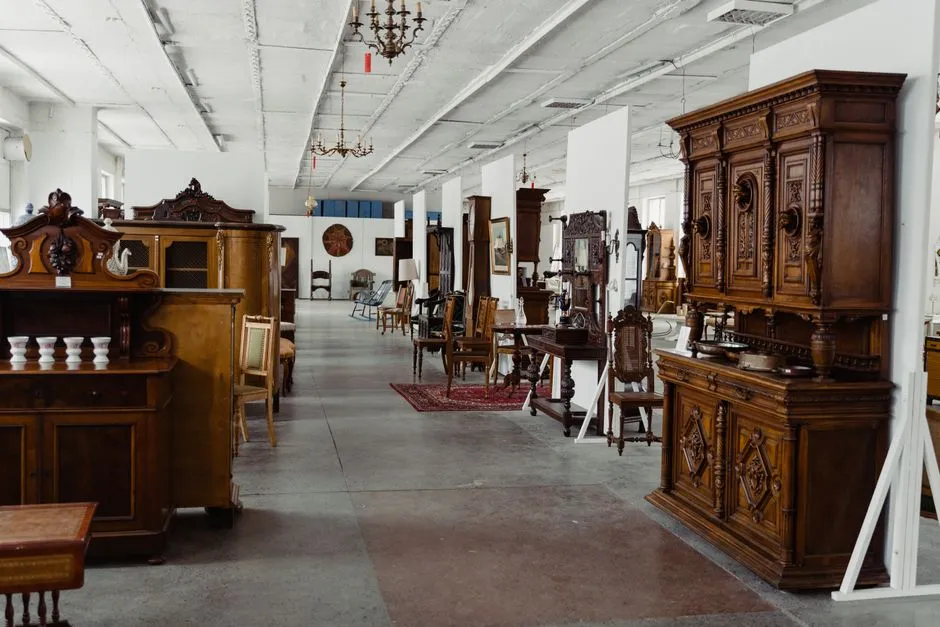
Once you start shopping estate sales regularly, something shifts in how you evaluate furniture in general. Estate sales offer a unique opportunity for both sellers and buyers to transact in a marketplace that is driven by quality, rarity, and nostalgia. Those three things are hard to manufacture. They either exist in a piece or they don’t.
Rising demand for vintage and statement pieces is driving the resale of living room furniture, as consumers seek unique sofas, coffee tables, and décor that reflect personal style and sustainability. The motivation isn’t purely financial, though the savings are real. It’s also about living with things that have some weight to them, not just physically but in terms of history.
The Takeaway
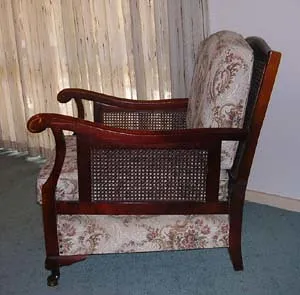
The estate sale habit doesn’t require any particular expertise to begin. It requires patience, some willingness to get up early on weekends, and an openness to the idea that the best things in your home might already exist somewhere, waiting to be found. Market growth is being supported by expanding circular-economy regulations, increasing commercial furniture resale activity, and the rising popularity of retailer-led buyback and refurbishment programs. The broader economy is catching up to what many individual shoppers already figured out.
The flat-pack era had its moment. It made furniture accessible, and there’s something to be said for that. Still, a solid walnut credenza that survived forty years in someone else’s home is likely to survive forty more in yours. That’s not sentimentality. That’s just how wood works.
AI Disclaimer: This article was created with the assistance of AI tools and reviewed by a human editor.