
What Cameras Can and Cannot Do
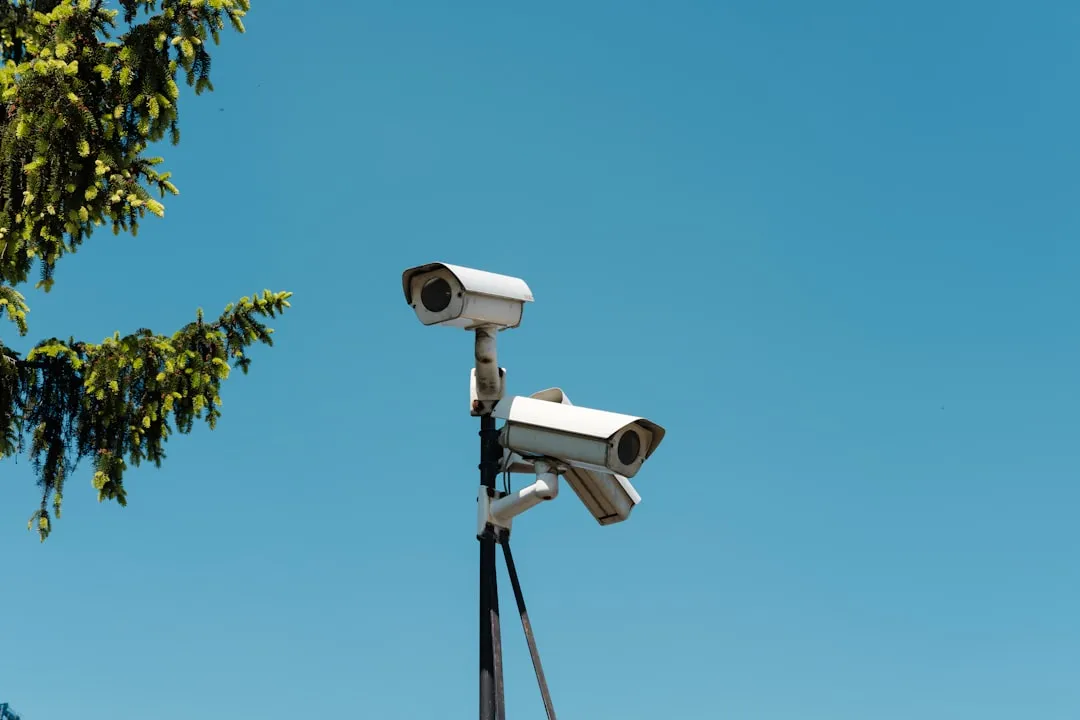
Surveillance cameras are genuinely useful for certain things. These systems preserve evidence of crime and enhance the detection of criminal activities, thereby deterring potential offenders and bolstering public perceptions of safety. That’s a real and measurable benefit, and it shouldn’t be dismissed.
The limits, though, are also real. CCTV has not been shown to reduce violent crime, and researchers consistently report that efforts to reduce or deter crime are complex, making it an error to point to one method alone. Hardware works best as a supplement, not a foundation.
Perhaps most telling is what research from Japan found when studying a city with one of the highest densities of surveillance cameras in the nation. Citizens perceived safety activities as irreplaceable by surveillance cameras, indicating that both should be concurrently promoted to enhance crime prevention initiatives. The cameras didn’t make people feel truly safe on their own.
The Human Connection That Technology Can’t Replace

A major study published in PNAS Nexus in 2025 examined the interaction between cameras and community ties across Chinese cities with notable findings. While surveillance cameras can enhance residents’ safety perceptions by deterring crime, technological advancements do not diminish the essential role of human relationships, and trust and support from close social connections remain critical sources of individuals’ sense of safety.
This is not a small caveat. It goes to the heart of why some neighborhoods feel safe while others, despite visible camera coverage, remain places where people walk quickly and avoid eye contact. For migrants, surveillance cameras improve perceived safety only when complemented by social ties, with neighborhood ties being more effective than distant ones.
The mechanism is fairly intuitive once you think about it. A camera records an event. A neighbor intervenes before one happens. These are not equivalent functions.
Social Cohesion and Its Surprising Power Over Crime
Criminologists use the term “collective efficacy” to describe communities where neighbors both trust each other and are willing to act on that trust. Cohesion is exemplified in social ties among neighbors that allow them to trust one another and protect their environment, while informal social control is the willingness of neighbors to intervene on behalf of the common good when they see a problem. Both terms, when combined, are known as collective efficacy.
The evidence linking this to crime reduction is substantial across multiple research settings. Research has found that trust has a significant and negative effect on violent crime rates, and there is a significant negative relationship between social cohesion and crime levels in disadvantaged areas. The stronger the social fabric, the harder it is for crime to take root.
In criminology, social cohesion among neighbors has been linked to their willingness to cooperate in order to solve common problems and reduce violence, and cooperation, as opposed to disorganization, creates the mechanisms by which residents themselves achieve guardianship and public order.
The Neighborhood Watch Model and What It Actually Does Well

Neighborhood Watch, as a formal structure, has been around since the early 1970s. The United States National Neighborhood Watch Program is a community-based initiative aimed at enhancing citizen involvement in crime prevention and safety, encouraging neighborhoods to form watch groups that collaborate with local police to deter crime. The program’s value, at its core, has always been relational.
Over the decades, the program has grown well beyond simple crime reporting. Neighborhood watch groups have adapted their strategies to address specific local issues, engaging in activities such as neighborhood patrols, security assessments, community clean-ups, and support for vulnerable residents. That expansion toward health and social wellbeing reflects a deeper understanding of what safety actually requires.
Research published in 2025 in the journal Safer Communities found that Neighbourhood Watch in the UK has similarly evolved. It is a voluntary movement which brings people together with the aim of creating safer, stronger and more active communities, extending its focus beyond crime to issues of health and wellbeing and expanding membership beyond traditional residential boundaries.
Why Knowing Your Neighbor’s Name Matters More Than It Sounds
There’s something that happens when neighbors move from strangers to acquaintances. The street becomes legible in a way that no camera feed can replicate. You notice when someone’s car is missing for two weeks, when a van is parked where it hasn’t been before, when an elderly resident hasn’t collected their mail.
A 2024 study published in Public Health Nursing explored the stages of neighborhood trust and found that the process begins with shared agreements and grows through genuine relational contact. The first stage of neighborhood trust that a group cultivates is agreement on the rules that will govern the community, with Block Watch programs and neighborhood associations serving as examples of rules-based agreements used to develop neighborhoods.
Research is also studying the associations that increased neighborhood trust and increased perceived neighborhood safety have with perceived stress levels and the biological responses to chronic stress, with these insights foundational in the development of tools that leverage neighborhood-level protective factors to mitigate the impacts of chronic stress. Safety, in other words, isn’t just about crime statistics. It’s physiological.
Fear of Crime Falls When People Know Each Other
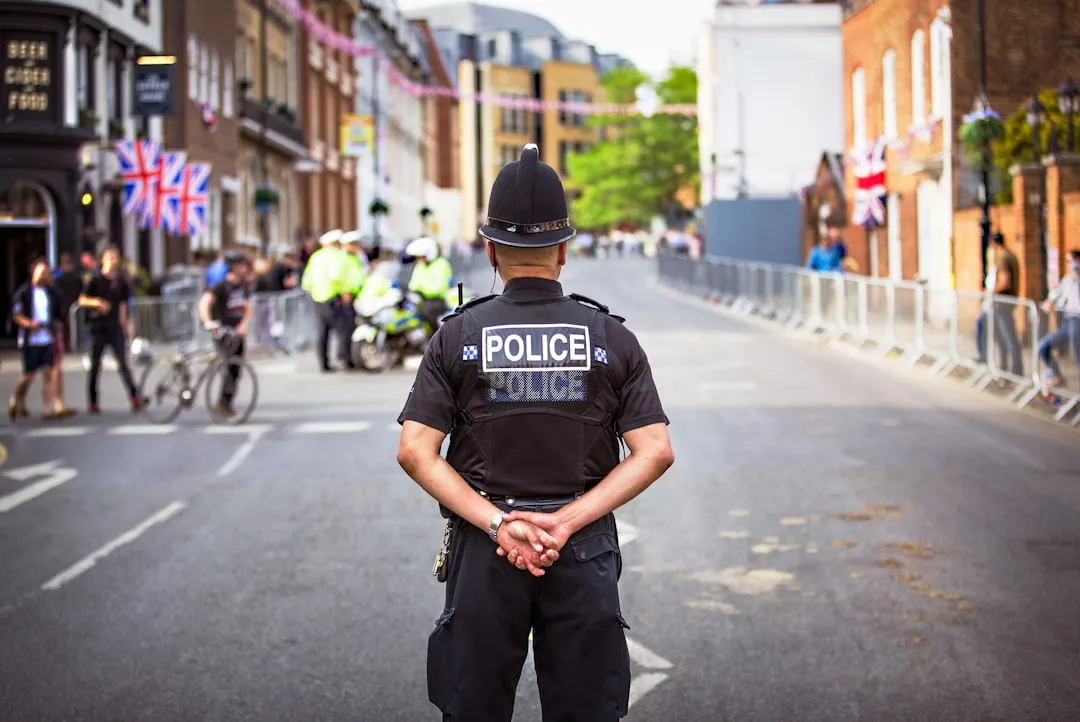
One of the more striking findings from the National Institute of Justice’s work in Miami-Dade County is the distinction between social cohesion and collective efficacy in terms of how they affect fear. Residents who had higher perceptions of social cohesion had less fear of crime; residents who had higher perceptions of collective efficacy did not. It’s the feeling of genuine connection, not just the readiness to act, that quiets anxiety.
That finding complicates the assumption that preparedness alone is enough. People can be ready to report crimes and still feel afraid walking to their car at night. What reduces that ambient fear is something closer to belonging. Preliminary findings from community policing research suggest that community policing has positively influenced perceptions of safety and trust between police and communities.
The Simple Habit: Consistent, Low-Stakes Interaction
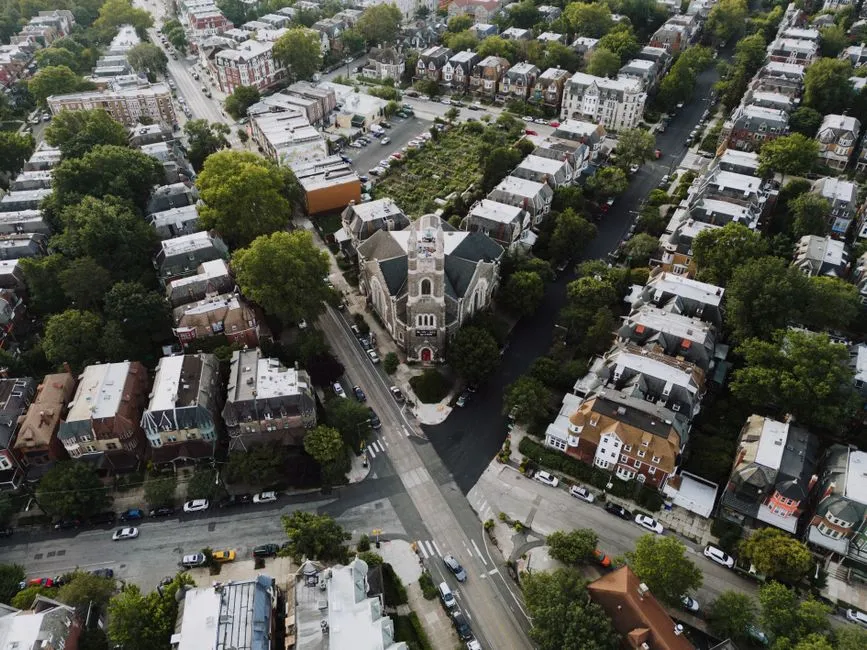
What makes the trust-building habit so underrated is that it doesn’t require formal structures or scheduled meetings. It happens through repetition and smallness. A wave from the driveway. A brief conversation about weather or the construction down the road. Helping carry groceries up three porch steps.
Social cohesion describes how residents think and feel about their neighborhood: whether people get along with their neighbors and whether they can count on each other’s help when there is a problem. These aren’t abstract civic values. They’re built through mundane, consistent contact over time.
Research from Manhattan Institute’s analysis of crime hot spots found something that challenges a simple narrative. Even on violent and drug hot-spot streets, more than three quarters of residents say they are willing to help their neighbors, and trust may be less evident on hot-spot streets than on safer streets, but these are not places wholly devoid of social cohesion. The foundation of trust is often there. It just needs to be cultivated.
Community Safety as a Health Issue, Not Just a Policing Issue
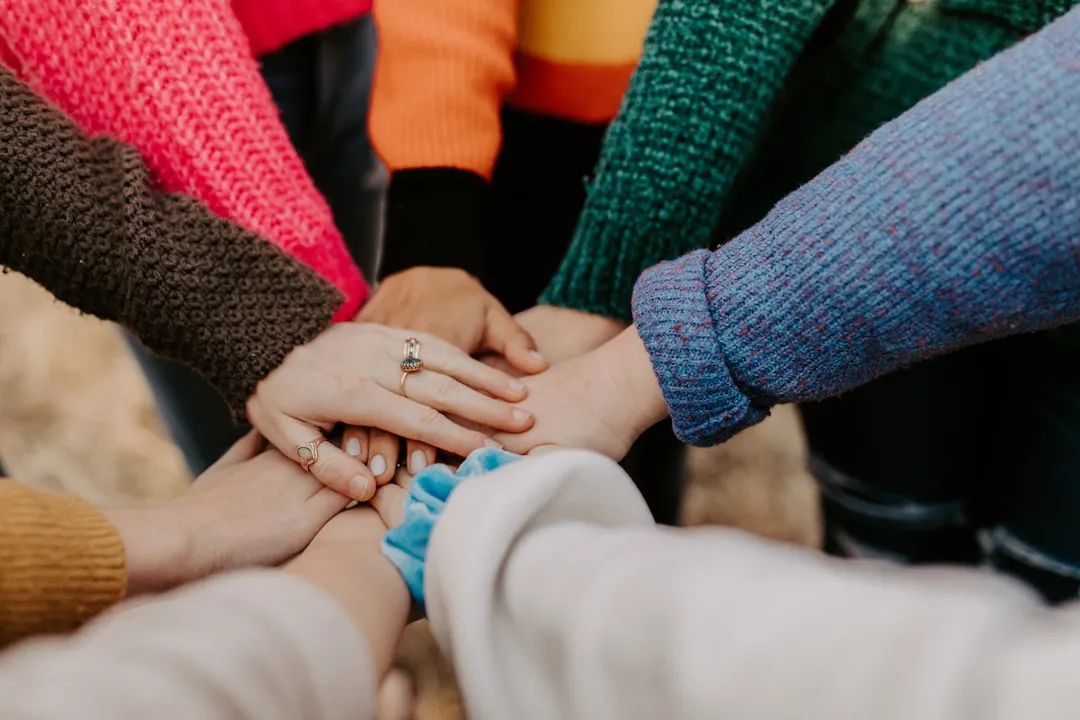
One shift in how researchers frame neighborhood safety is the growing recognition that it’s a health matter. Chronic fear of crime increases stress hormones, disrupts sleep, and shapes health outcomes over time. Safe communities, in this framing, are a public health resource.
The current Neighbourhood Watch Strategic Plan includes an aim to be a recognised contributor to community health and well-being, expanding beyond a sole crime prevention and community safety focus. That’s a meaningful reframe. It positions neighbor-to-neighbor trust as something that serves people across every part of their lives, not just when something goes wrong.
Safe housing is a key target of the United Nations 2030 Agenda and Sustainable Development Goals, specifically SDG11 on sustainable cities and communities, and is essential for creating livable and sustainable living environments. Community trust sits at the center of what makes housing genuinely safe, not just structurally secure.
The Role of Technology as a Tool, Not a Substitute

Technology is not the enemy of community trust. Used thoughtfully, it can support the relational work that actually builds safety. Neighborhood Watch programs now foster the use of technology and digital tools, such as mobile reporting apps, community safety platforms, and social media communication, to enhance information sharing between citizens and local law enforcement.
The risk is treating these tools as endpoints rather than instruments. Public engagement is crucial, and transparency in data usage and surveillance practices can build public trust. When communities are included in decisions about how surveillance is deployed and why, the trust dynamic changes entirely.
Surveillance camera acceptance depends on government practices and collective trust. That’s the telling detail. Even the acceptance of cameras depends on the human trust that already exists in the community. The social layer comes first.
What a Trust-Building Routine Actually Looks Like in Practice

The habit isn’t dramatic. It might look like introducing yourself to a new neighbor within their first week on the block. It might look like organizing a single annual block event, something low-key enough that most people will actually show up. It might be as minimal as making eye contact and nodding when passing on the sidewalk rather than staring at a phone.
Neighborhood Watch now emphasizes modern safety concerns by promoting emergency preparedness, disaster response, and homeland security education, helping communities respond to a wide range of natural and human-made emergencies. Neighbors who know each other don’t just deter crime. They also check on the elderly after storms and coordinate during power outages.
The research from the Journal of Participatory Research Methods puts it plainly: social ties among neighbors allow them to trust one another and protect their environment. That protection, earned through time and familiarity, is something no amount of camera hardware can manufacture from scratch.
The Takeaway
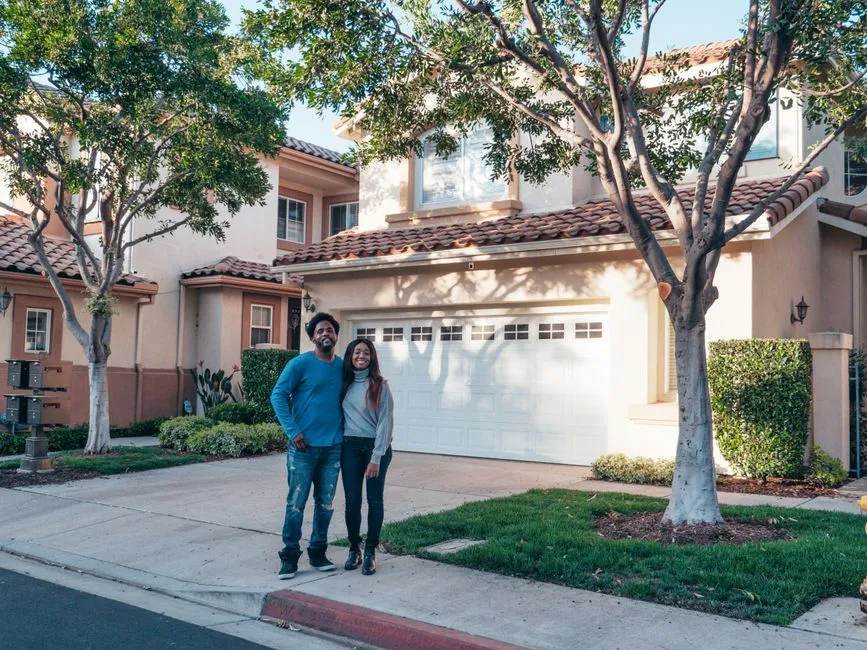
Cameras capture what has already happened. Neighbors prevent things from happening in the first place. That’s not a knock on technology. It’s a reminder that the social infrastructure underneath a community determines how much any tool can actually accomplish.
The habit of genuinely knowing your neighbors is unglamorous. It takes time and a willingness to be briefly inconvenienced by small talk. It doesn’t produce a notification or a recording. What it does produce, slowly and reliably, is a street where people look out for each other because they actually care about each other.
That kind of trust can’t be installed. It has to be grown. And the growing starts the next time you’re both reaching for the mail at the same moment and you choose to say something instead of nothing.
AI Disclaimer: This article was created with the assistance of AI tools and reviewed by a human editor.