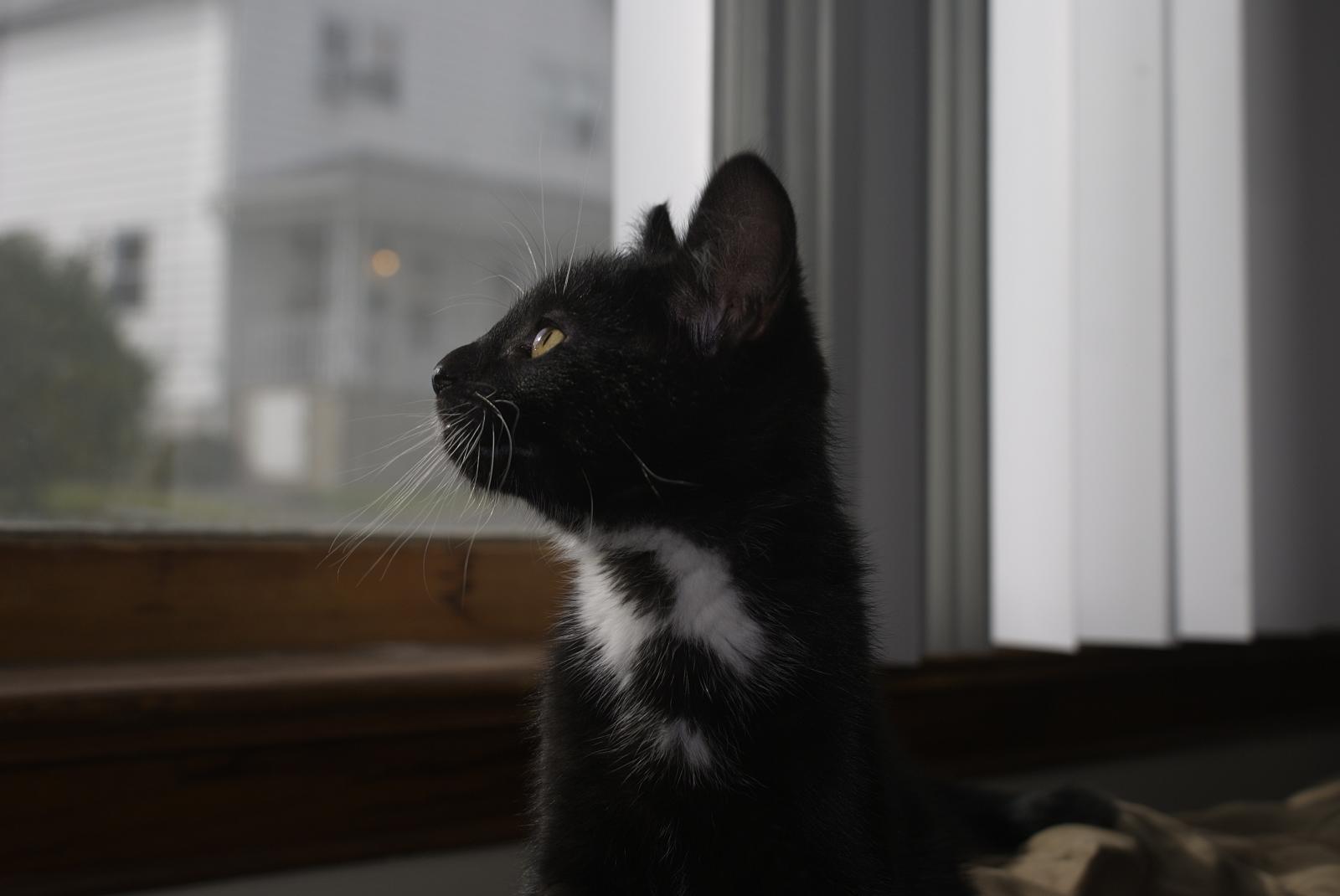

What Cat Chirping Actually Sounds and Looks Like
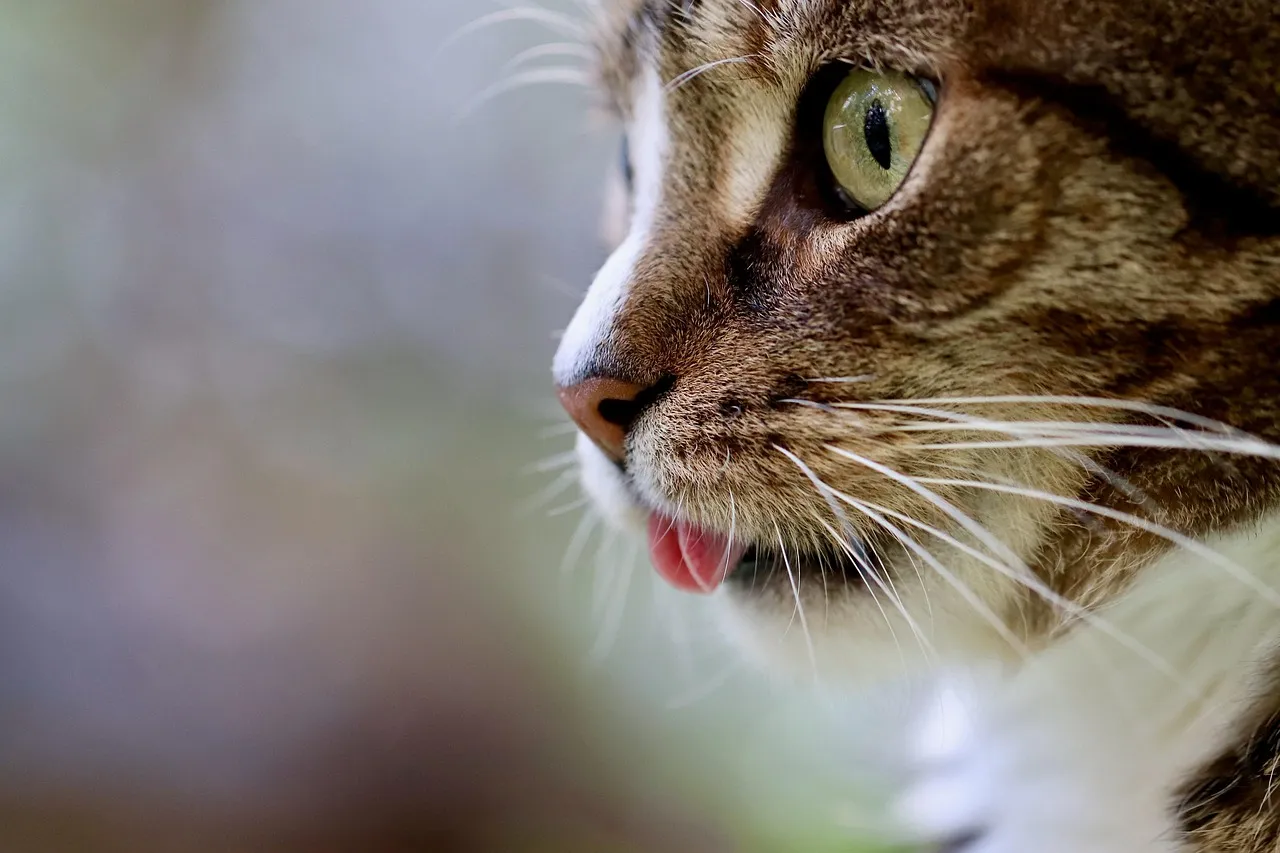
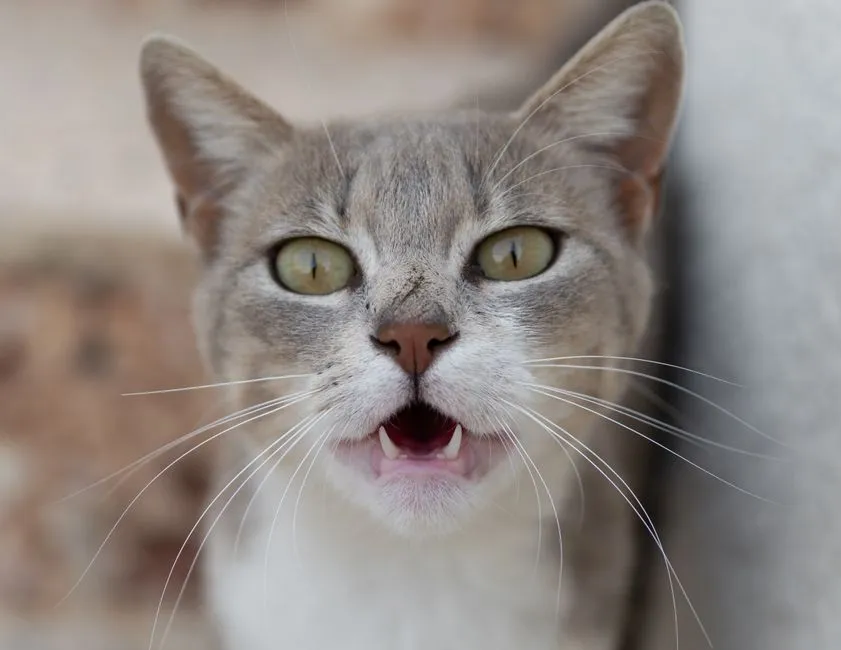
Cat chattering, also known as chirping or twittering, mimics the sounds of small prey like birds and squirrels. It involves rhythmic jaw movements and an open mouth, often accompanied by physical signs like widened eyes and tilted ears, indicating a cat’s focused attention.
Their pupils dilate, their tails twitch rhythmically, and most peculiarly, they begin to emit a series of rapid, rhythmic sounds accompanied by a fast vibration of the jaw. The whole thing can last just a few seconds or go on for several minutes, depending on how long the bird cooperates by staying in view.
Chirping is a vocalization somewhere between a bird call and a half-purr. It’s sharp, quick, and accompanied by jaw movements or soft teeth chattering. Once you’ve heard it, you don’t forget it.
It All Starts With the Prey Sequence
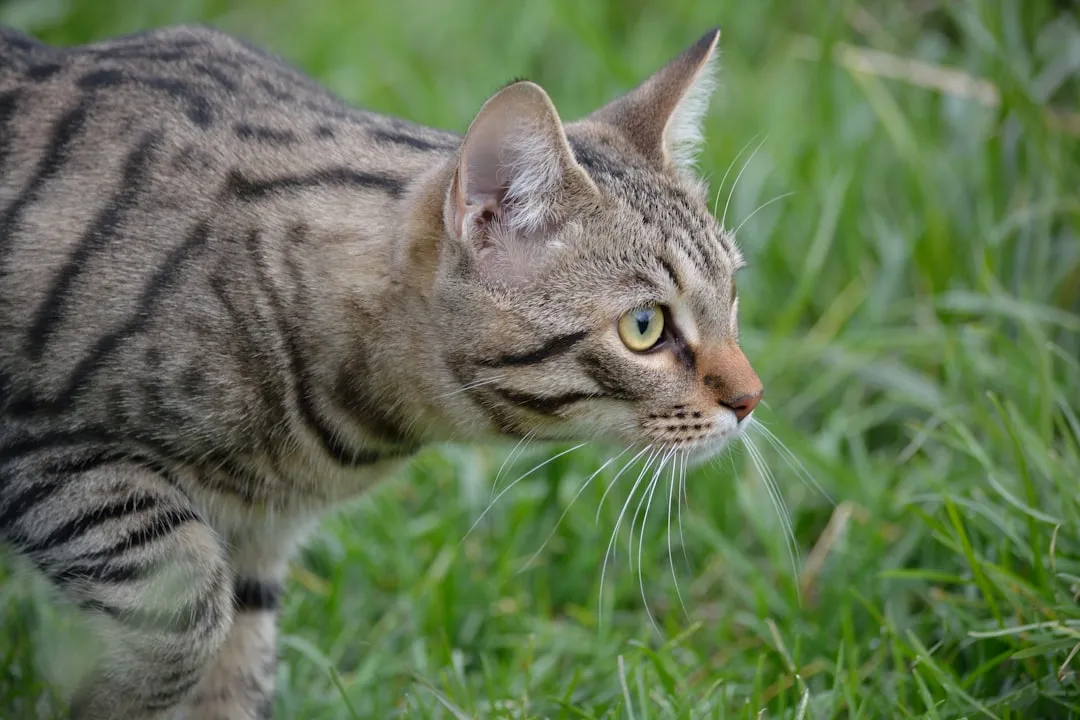
If your cat gets excited about birds and squirrels outside windows, this can initiate something called the “prey sequence,” a series of behaviors that cats perform when they hunt. The first step of this prey sequence is staring at prey animals and getting excited, which is where chirping or chattering might come in. The second step is stalking or chasing, then comes pouncing or grabbing, and lastly comes the killing bite.
As the pet parent to a house cat, you may be unaware of the prey sequences that cats experience in the wild when on the hunt. The first step in this sequence is watching their prey with anticipation. During this process, the chirping sound often comes into play. The next steps include the chasing or stalking of the prey, then the pounce, and finally, the killer bite.
While your indoor cat may not participate in the entire sequence, it only makes sense that spotting a bird outside should at least get the ball rolling inside them. The chirp, in this reading, is simply the engine turning over.
The Frustration Theory: Wanting What You Cannot Have
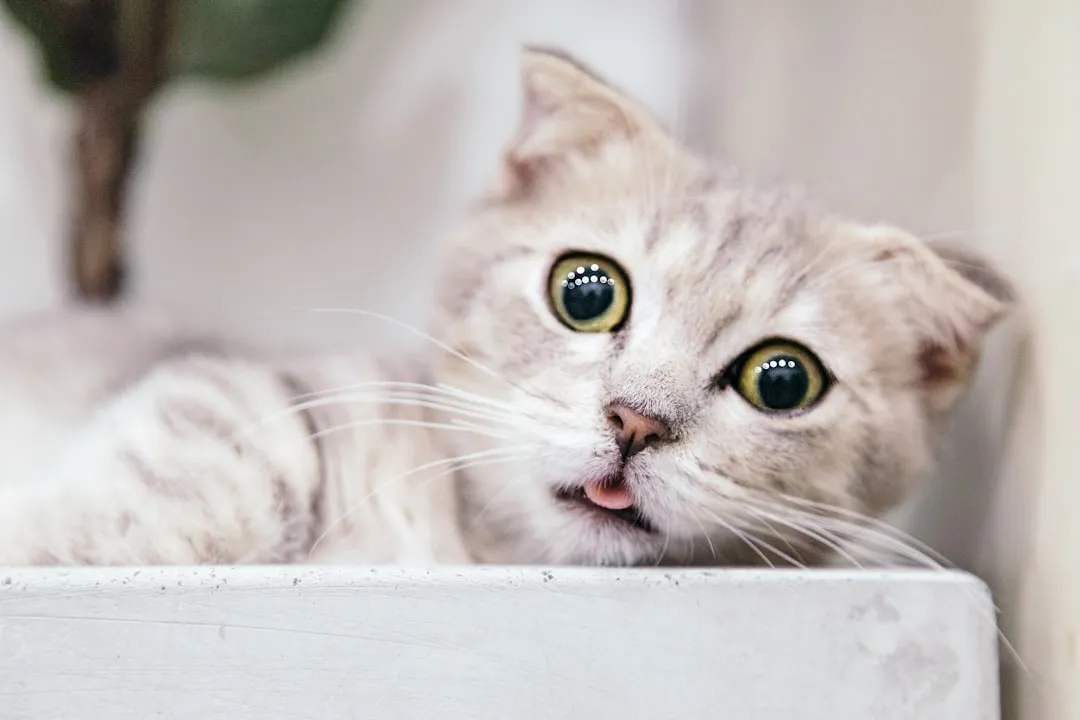
That window is a wall of frustration. According to Marilyn Krieger, a certified cat behaviorist in San Francisco, when cats are separated by a barrier like a window, their chattering indicates irritation at being unable to reach the prey.
Some people believe that the special noises a cat makes when watching a bird are due to the frustration of not being able to get to the prey. Your cat may be venting extreme irritation with the fact that she is unable to perform as a hunter when her prey is so very close.
When a cat watches a bird or small animal that is out of its reach, it may become frustrated by its inability to catch it. Chattering may be a way for cats to release this pent-up energy and express their frustration. It’s a reasonable explanation, though it turns out to be only part of the picture.
The Excitement Theory: Pure Predatory Joy
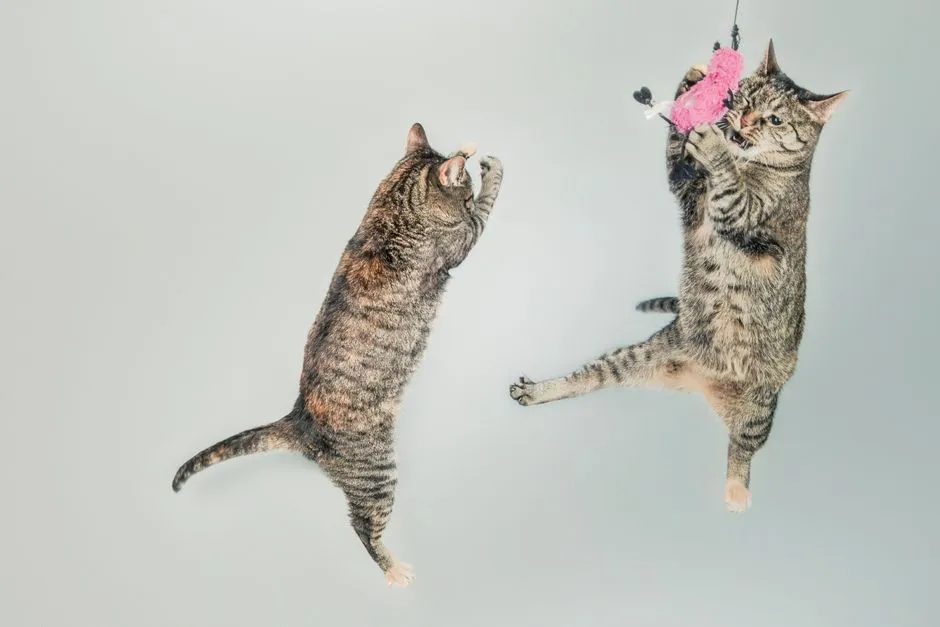
Cats can’t help but get excited when they see potential prey. According to the president of The International Cat Association (TICA), Vicki Jo Harrison, their hunting instincts simply take over when cats see birds through a window.
When your cat chirps at birds or other prey, there’s also a chance it could be an involuntary reflex that happens secondary to excitement. So even if your domestic cat is chirping at squirrels or birds outside, it may not be out of frustration but rather enthusiasm and entertainment. One expert describes it as cats watching “kitty cat TV through the window” and being pretty engaged with what they’re watching.
They’re so excited to see that bird outside their window, and chirping is their way to exercise that excitement so they don’t scare the prey away or rush after it prematurely. That framing actually makes the sound feel a little strategic, even if it isn’t entirely intentional.
The Mimicry Theory: Talking the Bird’s Language
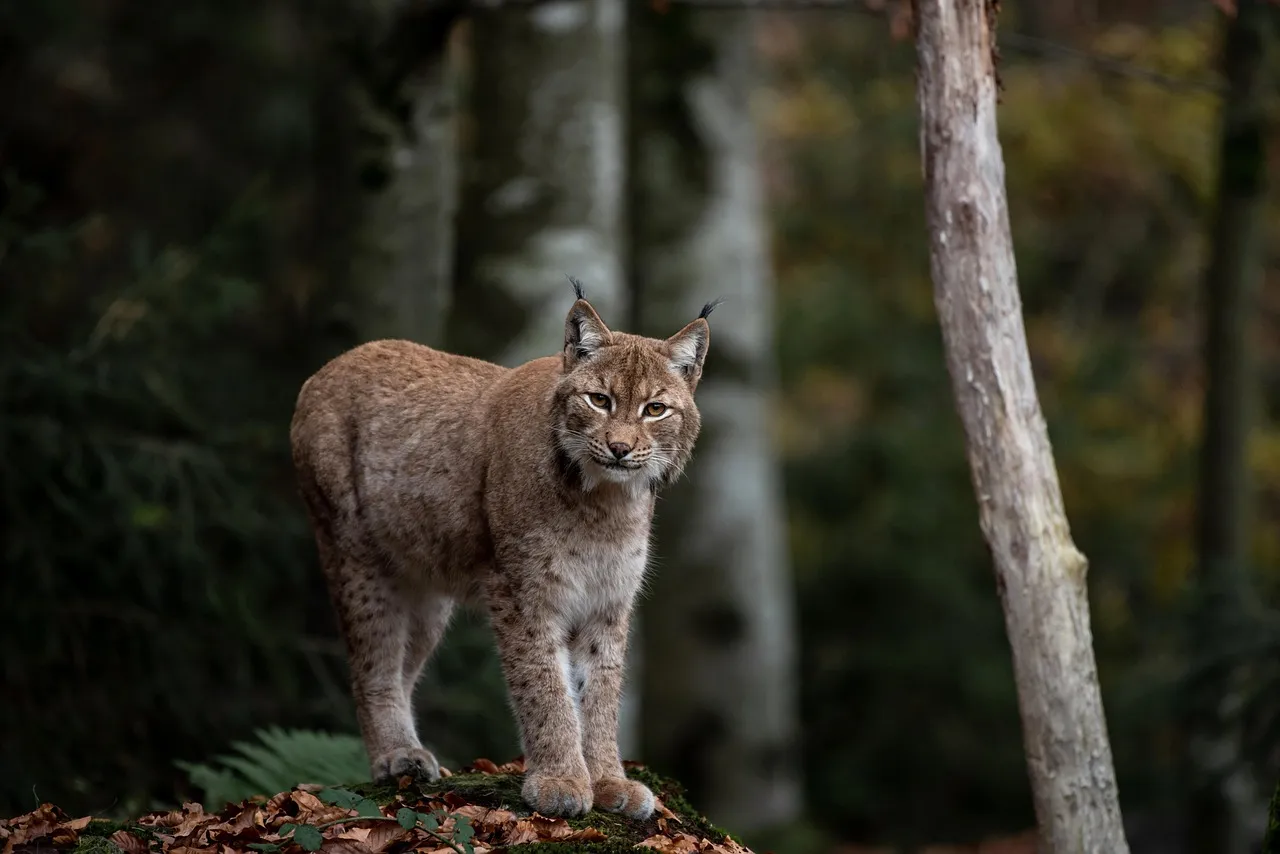
A more recent theory proposes that the chattering sound could be the cat’s attempt at mimicking a bird’s sound. Proponents of this fascinating theory suggest that mimicry could be an attempt at luring the prey closer by making familiar sounds, although scientific evidence supporting intentional vocal mimicry in domestic cats is very limited, so this remains a hypothesis rather than a proven behavior.
Wildlife Conservation Society researcher Fabio Rohe was studying a group of pied tamarin monkeys in their natural habitat in the Amazon forests of Brazil. Rohe and his fellow scientists were recording monkey vocalizations when a wildcat prowled onto the scene. The wildcat began making calls identical to those of the monkeys, mimicking their vocalizations, which was the first recorded instance of a wildcat in the Americas mimicking the sound of its prey.
That discovery opened the door to a more serious look at whether domestic cats might do something similar with birds. The evidence remains inconclusive, but the behavior in the wild gives the theory real scientific weight.
The “Killing Bite” Hypothesis
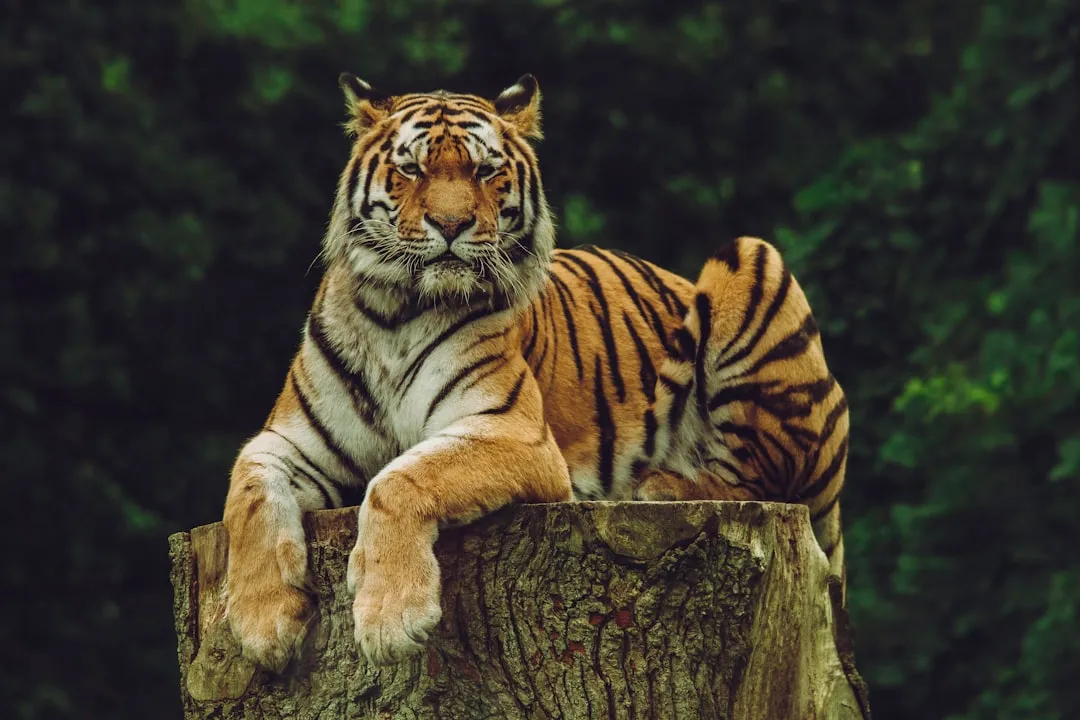
The most prominent scientific explanation for feline chattering is rooted in the physical mechanics of hunting. In the wild, felids utilize a specialized lethal bite to dispatch prey quickly. This involves a rapid series of jaw movements designed to sever the prey’s spinal cord at the neck.
Some animal behaviorists, including renowned zoologist Desmond Morris, suggest that the chattering noise is a vacuum activity, a behavior performed in the absence of the actual stimulus. The cat is essentially practicing or anticipating the killing bite.
When a cat observes a bird, its motor neurons may fire in anticipation, triggering the jaw muscles to mimic the rapid biting motion they would use if the bird were within reach. The chattering behavior is believed by some to be a deeply rooted instinct related to the manner in which cats promptly kill their prey. The faster the prey is killed, the lower the chance that the cat itself will receive an injury during the process.
What’s Happening in the Cat’s Brain
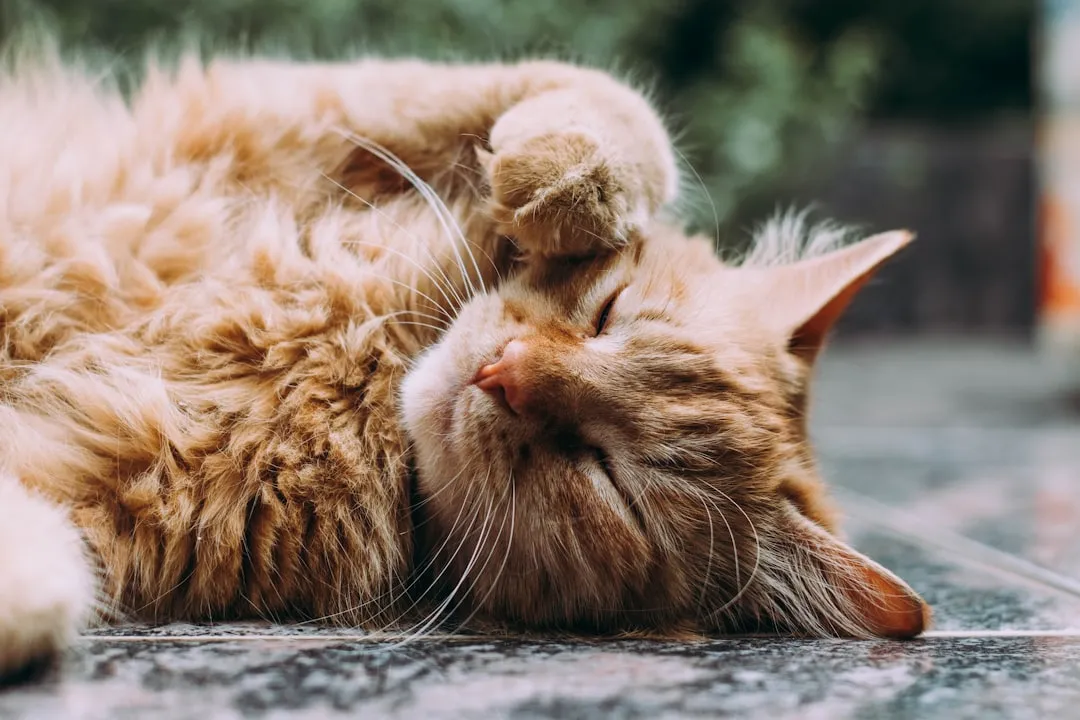
According to Marilyn Krieger, certified cat behavior consultant in San Francisco, chattering might be caused by neurotransmitters such as dopamine, as well as the hormone cortisol and adrenaline that is released into the system.
When your cat notices movement, such as a bird outside the window, dopamine begins to rise. Dopamine isn’t the “pleasure” chemical many people believe it is. Instead, it fuels curiosity, anticipation, focus, and motivation. This is why cats can spend several minutes stalking a toy before pouncing. The anticipation is itself part of the reward.
Dopamine is released in a cat’s brain when she is hunting, creating a feeling of eager anticipation. This feeling of eager anticipation makes it less likely for her to feel bored, anxious, or depressed. Essentially, watching a bird through the window is a neurochemical event, not just a cute moment.
It Isn’t Always About Birds
Cats typically chatter at birds through the window, but that is not the only time they make the sound. They can also chatter at rabbits, chipmunks, and squirrels. They might also make the sound after seeing an insect on the ceiling or somewhere they can’t reach.
While birds are the most common trigger, cats have been known to chirp at squirrels, moths, or even ceiling fans. The common denominator seems to be movement that triggers the predatory instinct, regardless of what’s actually moving.
Cat chattering nearly always happens when a cat is interested in a visual or auditory stimulus, such as a bird or rodent moving about. There are also cases of cats chattering while directing the noise at toys that mimic prey, and even chattering while chasing a laser beam. The trigger matters less than the state of mind it creates.
Should You Be Worried When Your Cat Chirps?
Cat chirping is a natural and complex behavior rooted in hunting instincts, emotional excitement, and sometimes frustration when prey is out of reach. This quirky vocalization is a sign of mental engagement, not distress, and reflects a cat’s primal drive in a modern setting.
While the chattering discussed here is completely normal and harmless, cats with dental health issues may chatter their teeth frequently along with excessive drooling. If your cat is experiencing these symptoms or is chattering without any apparent reason, reaching out to a vet for advice is worthwhile.
If you think your indoor cat is chirping out of frustration or anxiety because they can’t catch their prey outside, there’s not much reason to worry. An important thing to remember is that out in nature, cats do not catch their prey all the time. Not even close. A little unresolved tension at the window is entirely within normal range for a healthy cat.
How to Support Your Chirping Cat at Home
Pet parents can support their chirping feline by providing enriching environments, such as window views or interactive toys, while understanding that chirping is normal and endearing.
When your cat chirps at a bird outside, it’s actually a great opportunity to get out a wand toy and give them a workout. At least one daily play session with a toy they are able to physically catch and “kill” is a great way to vent some pressure and keep them feeling content.
By providing enough toys and playtime, we can create the same feelings in our cats that they feel when they are hunting. Cats benefit from both interactive and object play. Interactive play involves engaging with your cat by holding a fishing pole-type toy or laser pointer that mimics some form of prey your cat can hunt. Closing the loop on the prey sequence, even with a toy, genuinely matters to a cat’s sense of satisfaction.
The Bigger Picture: A Wild Animal Behind Glass
Though you may think of your house cat as an adorable fluffball who loves to take long naps and bask in the sun for hours at a time, all cats are wild carnivorous beasts, so it’s really important to give them an outlet for those instinctual habits.
This behavior, often called chattering or twittering, is one of the most fascinating aspects of feline biology and ethology. While it may look humorous to a pet owner, it is a deeply rooted predatory response that offers a window into the evolutionary history of domestic cats.
Even the most indoor of domesticated cats still have natural hunting instincts, and these instincts are often the driving force behind many cat behaviors, both positive and negative. Chattering at birds is just one of those behaviors driven by a cat’s natural instincts. The window between your living room and the outside world is, in a sense, the thinnest boundary between domestication and something much older.
Final Thoughts
Nobody has landed on a single, definitive explanation for why cats chirp at birds. The frustration theory, the excitement theory, the mimicry theory, and the killing-bite hypothesis all have merit, and the honest answer is probably that all of them contribute something, depending on the individual cat and the moment.
What’s clear is that the behavior is normal, deeply instinctual, and worth paying attention to. It’s a rare, unguarded glimpse into what’s actually going on inside a creature that spends most of its day looking composed and indifferent. The chirp says otherwise.
The next time your cat freezes at the window and starts doing that strange little jaw-stutter, it isn’t performing. It’s being exactly what it is: a hunter who happens to live indoors, momentarily held back by nothing more than a pane of glass.
AI Disclaimer: This article was created with the assistance of AI tools and reviewed by a human editor.