
The Junk Drawer: Ground Zero for Mystery Items
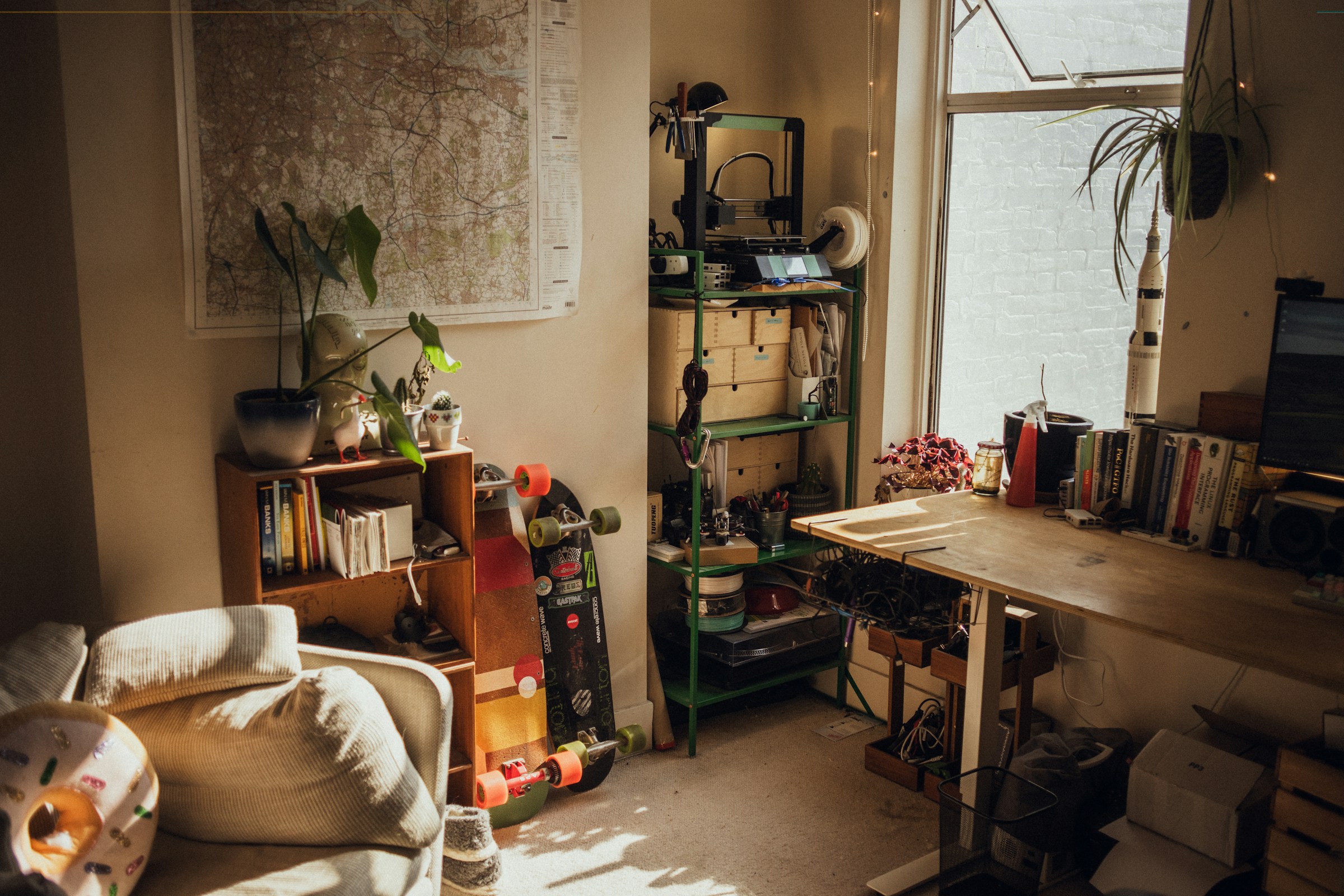
Every home has one. The kitchen is the most common location for the junk drawer, and these spaces serve as the primary battlegrounds for daily clutter wars. They pull in everything without discrimination: loose batteries, rubber bands, a single chopstick, takeout menus for restaurants that closed years ago.
About three quarters of Americans see their junk drawer as the go-to spot for random storage, while nearly two thirds of people confidently claim their junk drawer is “a bit messy, but I know where everything is.” That last part is almost always optimistic fiction.
In Maine, the average junk drawer holds an astounding average of 73 items. Seventy-three. In one drawer. That’s not a drawer, that’s a small archive.
Plastic Bags: The Item That Multiplies on Its Own
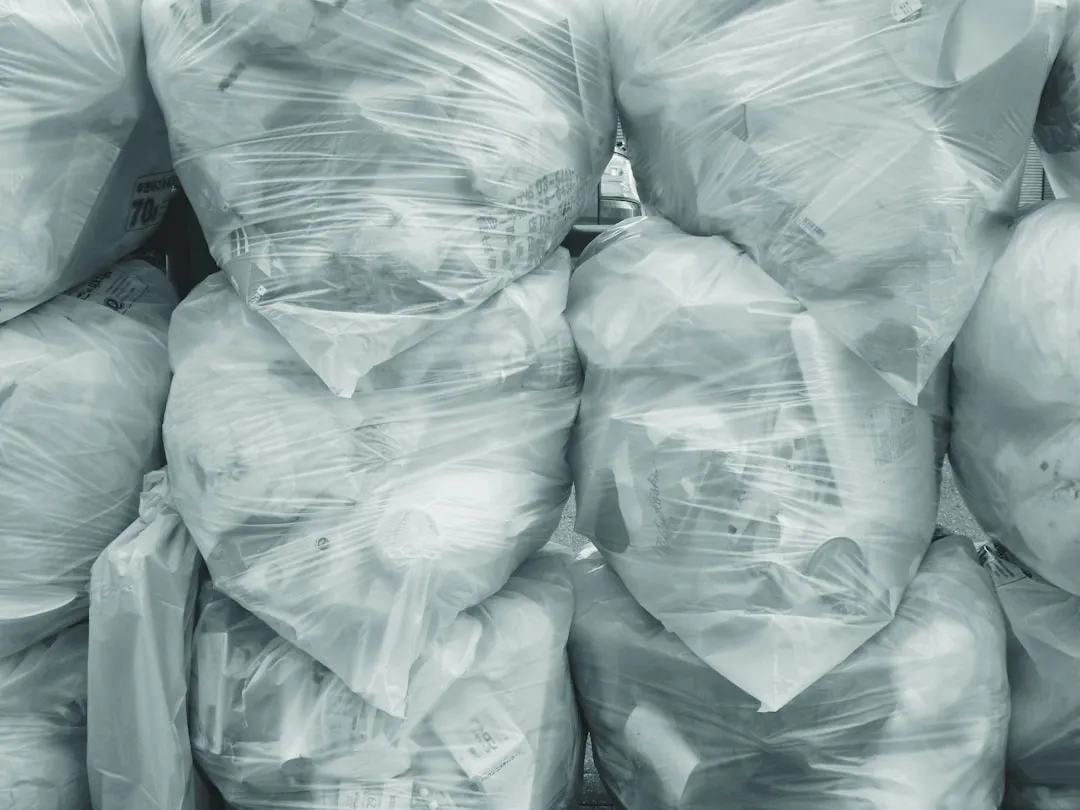
Everyone has a stash of plastic grocery bags tucked away somewhere. They multiply like rabbits, filling up drawers and cabinets until they can barely close. Nobody made a conscious decision to collect them. They just arrived, trip by trip, year by year.
The cycle is self-sustaining. You keep them thinking they’ll be useful as trash liners or for carrying wet shoes. Once upon a time, many households build a huge stash of plastic grocery bags, far more than they ever need, and when you have more than you need or will use, they take up an enormous amount of space.
This item is the clearest example of passive accumulation. Nobody goes out specifically to buy a bag of bags. They simply appear, folded small enough to seem harmless, until the cabinet won’t close anymore.
Mismatched Tupperware Lids: The Phantom Pairs
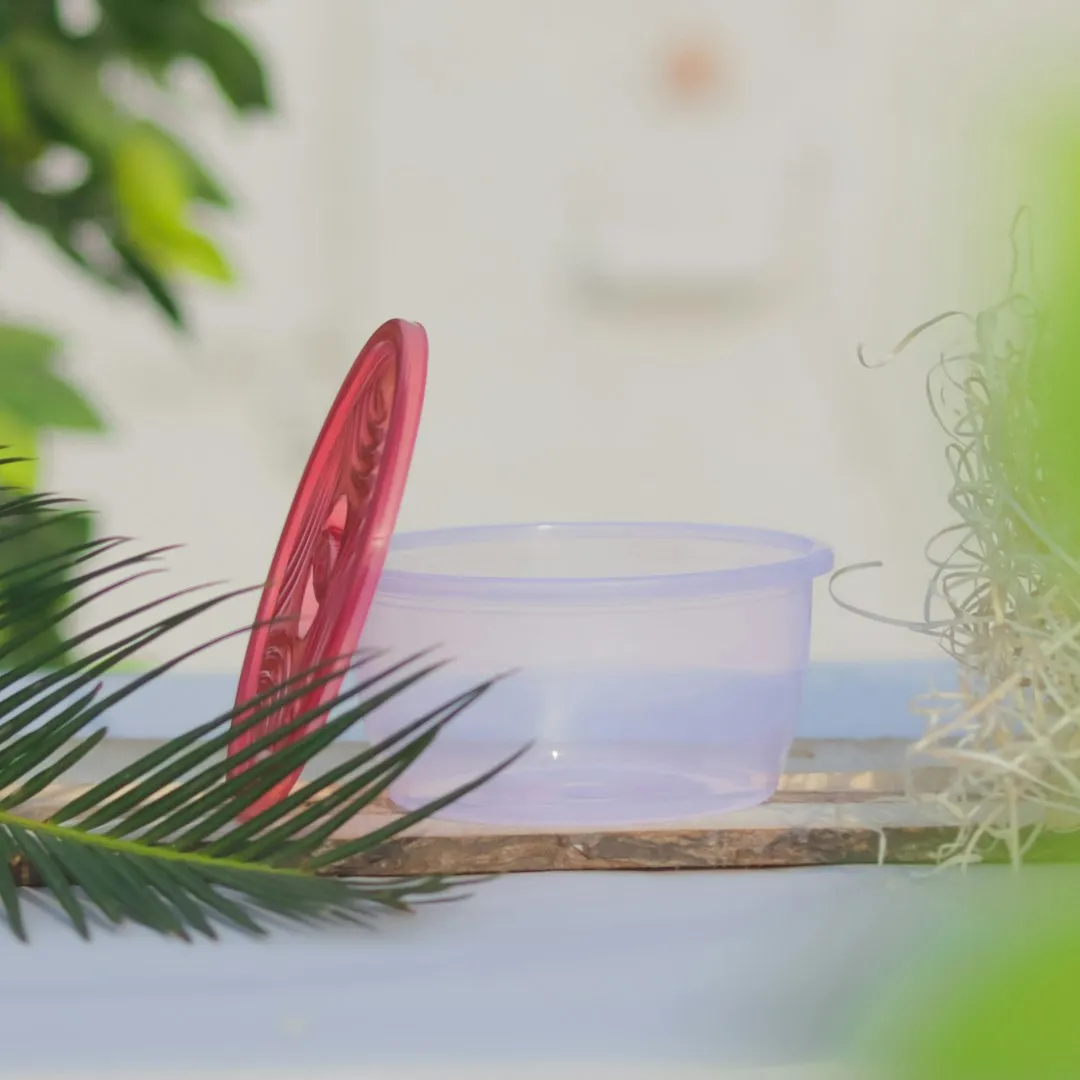
A Tupperware drawer or cabinet that always seems to be a disaster is a universal pain point. Most households have at least one shelf dedicated to food storage containers where bottoms outnumber lids, or lids outnumber bottoms, and nothing matches anything else.
Lids with no matching Tupperware are a classic decluttering problem. The advice is simple: go through your entire Tupperware drawer, match everything up, do a quick fridge and cabinet check, and if there are still no matches, toss them. Simple advice, rarely followed.
How do we end up with so many orphaned lids? Containers crack, get left at potlucks, or disappear into office refrigerators never to return. The lid survives because it’s sturdier. It sits there, technically hopeful, indefinitely.
Single-Use Kitchen Gadgets: The Optimism Shelf
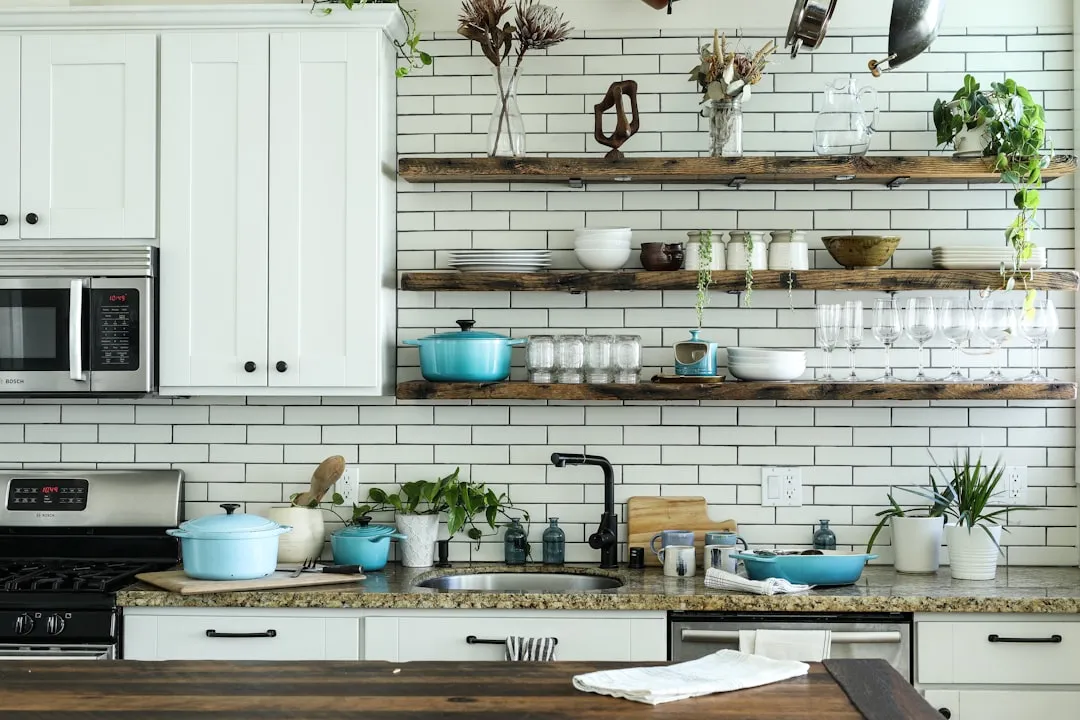
Single-purpose appliances sound like they might be helpful, but they’re one of the biggest culprits of kitchen clutter. Many can be found lurking in kitchen cabinets: grilled cheese makers, panini presses, waffle irons, cake pop makers, bread machines, juicers, fondue pots, apple slicers, and donut makers.
These single-purpose appliances seem fun and useful, but they take up too much valuable space on the countertop or in the cabinet, and they get used rarely, if ever. The avocado slicer is a particular offender. It does one job, does it only slightly better than a regular knife, and yet it somehow makes it into the cart.
Many people stand in front of the kitchen gadget aisle thinking they need items like an egg separator or avocado slicer, but if an item hasn’t been used in the past year, it’s probably just taking up space. The gadget represents hope for a more organized, elaborate version of cooking that rarely materializes.
Excess Towels and Linens: The Closet That Never Empties
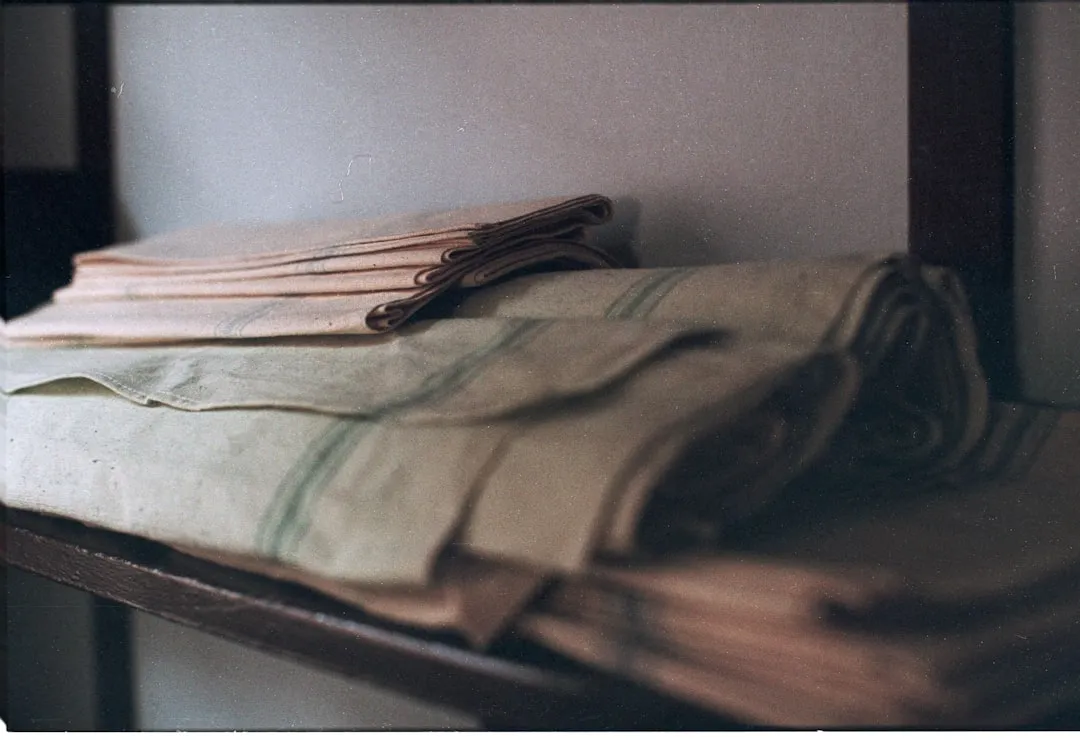
We only wear about a quarter of the clothes in our closets. The rest just hang there. That same principle extends to linens. Bath towels, hand towels, guest sheets, and spare blankets pile up in linen closets until they become structural features of the room.
Bath towels, hand towels, washcloths, kitchen towels, dish towels, and blankets are among the most commonly over-accumulated household items. They often arrive as gifts, come bundled in sets, or survive long past the point of usefulness because getting rid of a perfectly fine towel feels oddly wasteful.
The math rarely works in anyone’s favor. A household of two people does not need fourteen bath towels. Still, there they sit, folded neatly or not, shelf after shelf, waiting for a houseguest wave that may never come.
Old Electronics and Orphaned Chargers
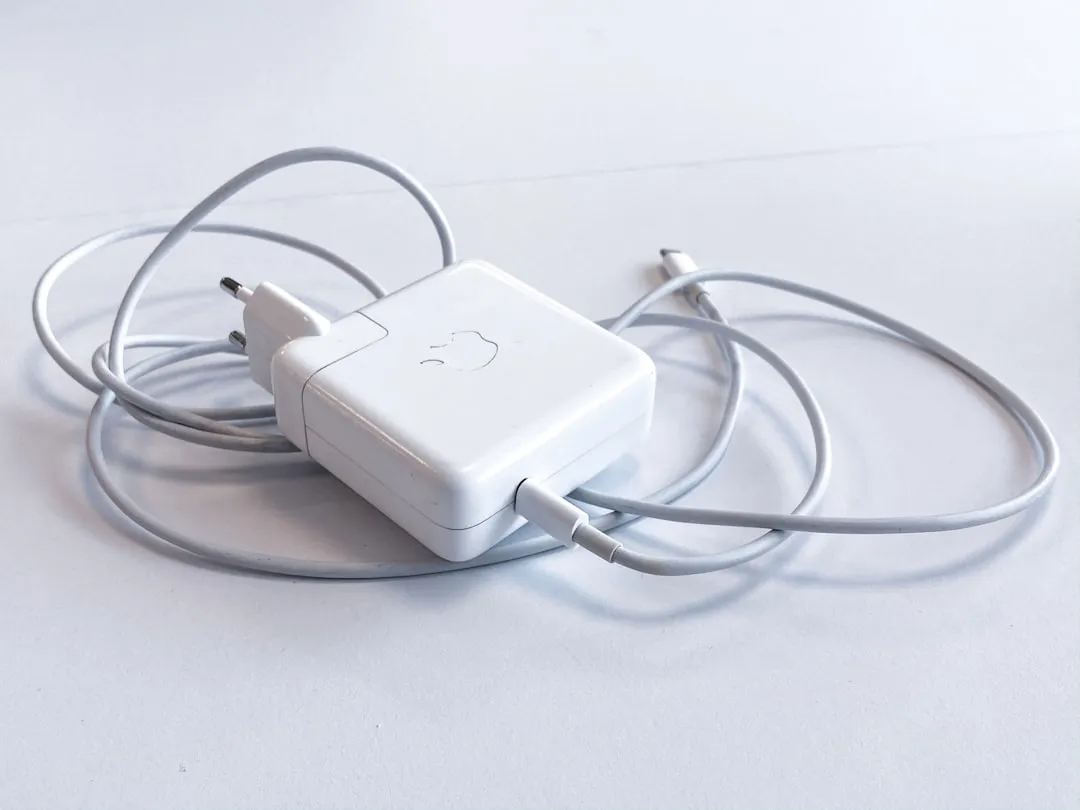
Old technology, from outdated computer parts to obsolete devices, tends to linger in homes longer than necessary. These items take up valuable storage space without offering any practical use. The instinct to keep them is rooted in a kind of technological sentimentality, or simply the vague belief that someone, somewhere, might still need a 30-pin charger.
Orphaned cables are their own category. Chargers without phones, headphone adapters for devices long gone, USB cords whose original purpose is completely forgotten. Old chargers without the electronics to go with them are among the most common drawer-fillers in any home.
They’re kept partly out of guilt and partly out of the fear of needing them the moment they’re gone. In practice, that moment almost never arrives.
The Stash of Boxes Nobody Asked For
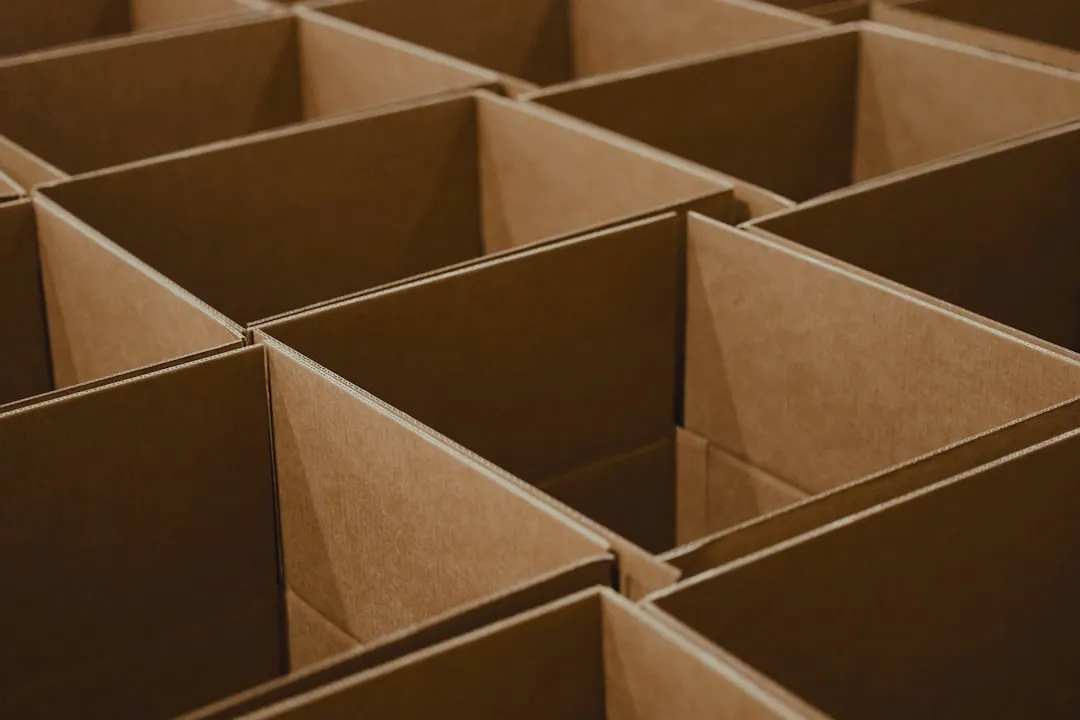
It’s acceptable to hold onto a few boxes for returns or storage, but accumulating every single one quickly becomes problematic. They occupy valuable space in closets, garages, and other storage areas, and some people even hold onto boxes from bulk purchases at stores.
The reasoning is always the same: “I might need to return it.” The return window expires, the box stays. Or: “It’s a good box.” There’s no such thing as a good box in a closet you’re paying rent on. The reality is that more boxes will always come with future purchases, and it’s time to break down those unused boxes and recycle them.
Online shopping has made this significantly worse. Packages arrive weekly in some households, each with its own cardboard shell, and the shells pile up faster than anyone can deal with them.
Magazines and Paper Clutter: The “I’ll Read It Later” Collection
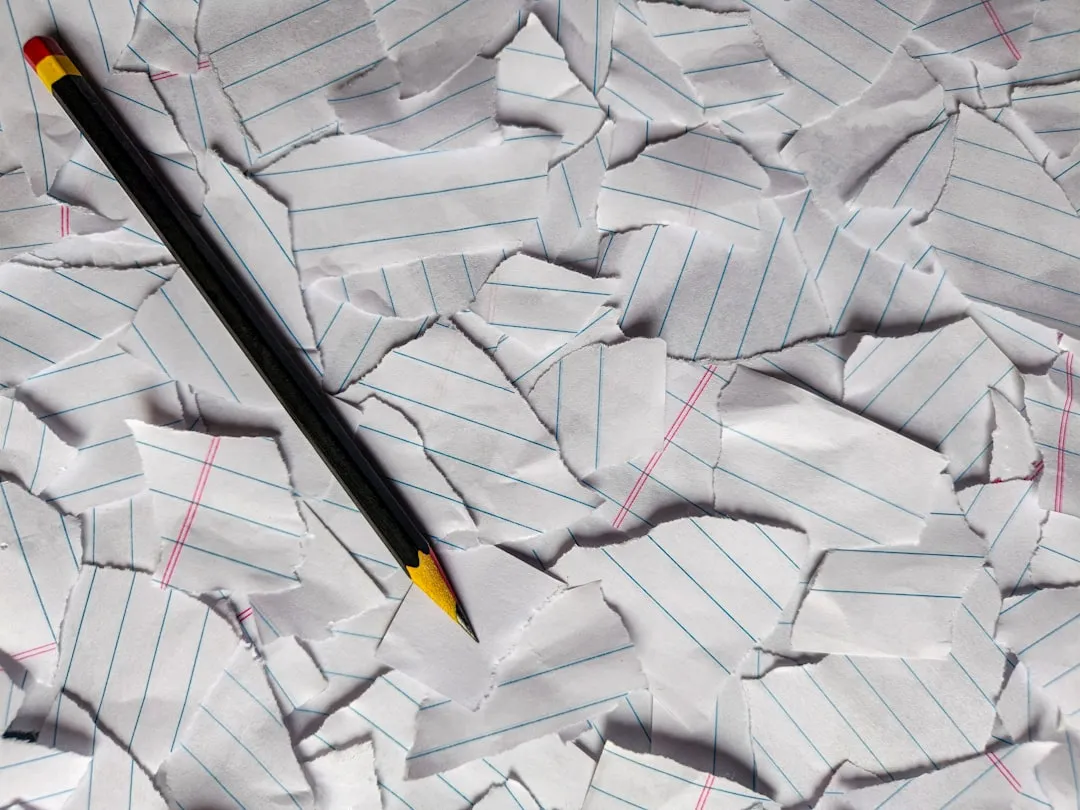
It’s easy for stacks of magazines and newspapers to pile up, especially with a habit of saving them “just in case.” Unless they’re referenced frequently, they’re just taking up space and collecting dust, and the home will feel far more relaxing without piles of old reading material everywhere.
The magazine that seemed important enough to save in March rarely gets read by December. Printed articles, newspaper clippings, paper receipts, instruction manuals for appliances nobody owns anymore – paper has a way of generating more of itself without permission.
Americans spend a staggering amount annually replacing lost items due to disorganized clutter, and nearly a quarter of adults have paid late fees because they couldn’t find their bills in time. Paper clutter, in particular, has a very real financial cost that most people don’t connect to the stack on the kitchen counter.
The Scale of It: What the Numbers Actually Show
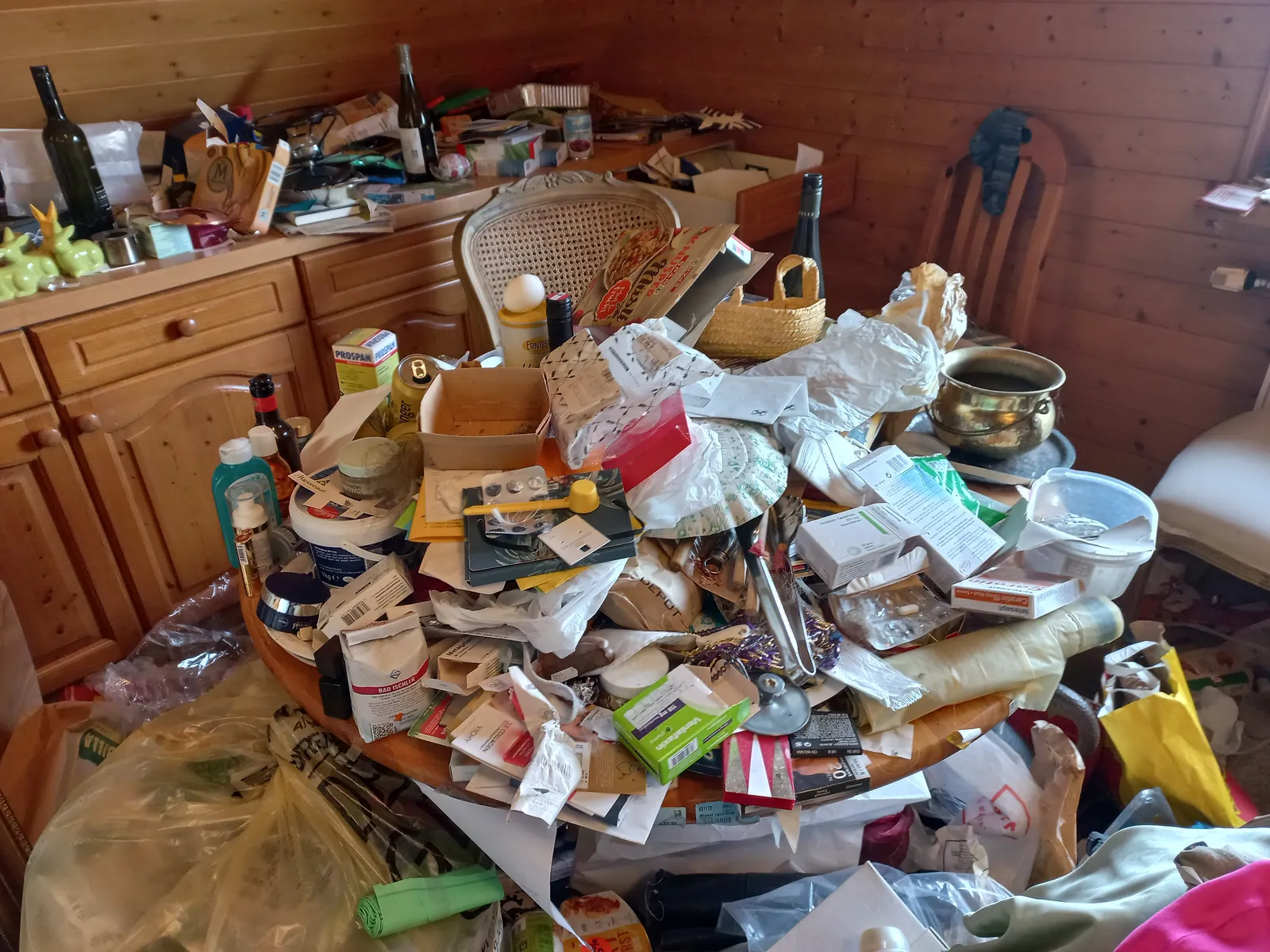
It has been estimated that most homes contain an average of 300,000 items, and most of those items carry some sort of emotional value to those who live there. That number is almost impossible to picture. Three hundred thousand. In one house.
Research by the National Association of Professional Organizers suggests that roughly four fifths of the items we keep are never used, and the average home has over 40 completely unnecessary items. That means the vast majority of what fills our shelves, drawers, and garages is functionally inert.
The average person wastes around a thousand dollars annually replacing items they can’t find, and clutter drives a significant proportion of household budget mismanagement. The objects nobody remembers buying aren’t just taking up space. They’re quietly costing real money.
Why We Keep Things We Never Chose
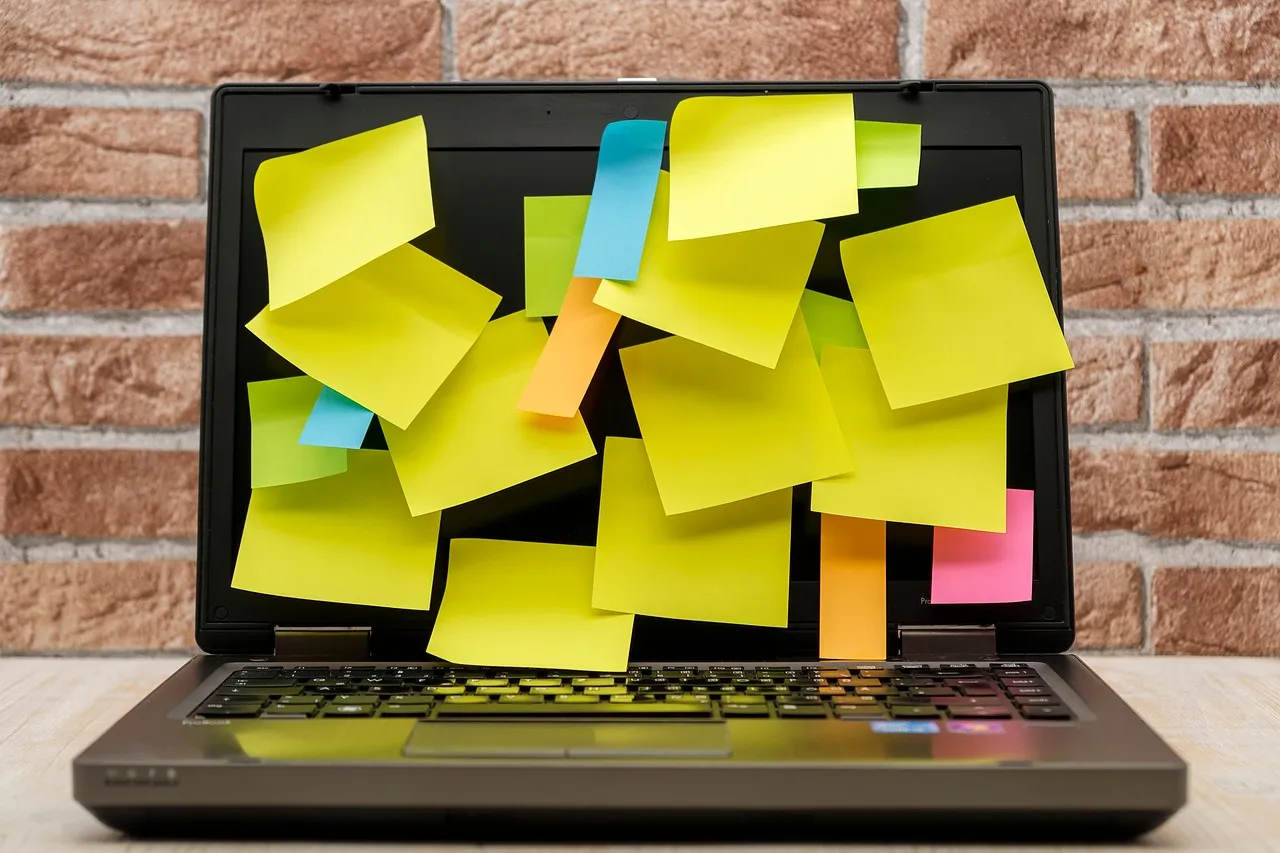
Roughly four fifths of the clutter in our homes is a result of disorganization, not a lack of space. That’s worth sitting with for a moment. The problem isn’t that our homes are too small. It’s that the things we own have outpaced our ability to make decisions about them.
The problem isn’t a lack of storage solutions. It’s simply owning more than we need or use, and this excess has real costs including increased financial burden and decreased wellbeing. Items that nobody consciously chose tend to stay because they don’t feel urgent enough to deal with – until they suddenly do.
We accumulate possessions thinking more will make life easier, but the opposite often happens. The more stuff we own, the more life bogs down with maintenance, cleaning, shuffling, and organizing. The mystery item in the back of the drawer is almost never the problem alone. It’s the symbol of a pattern.
The Quiet Takeaway
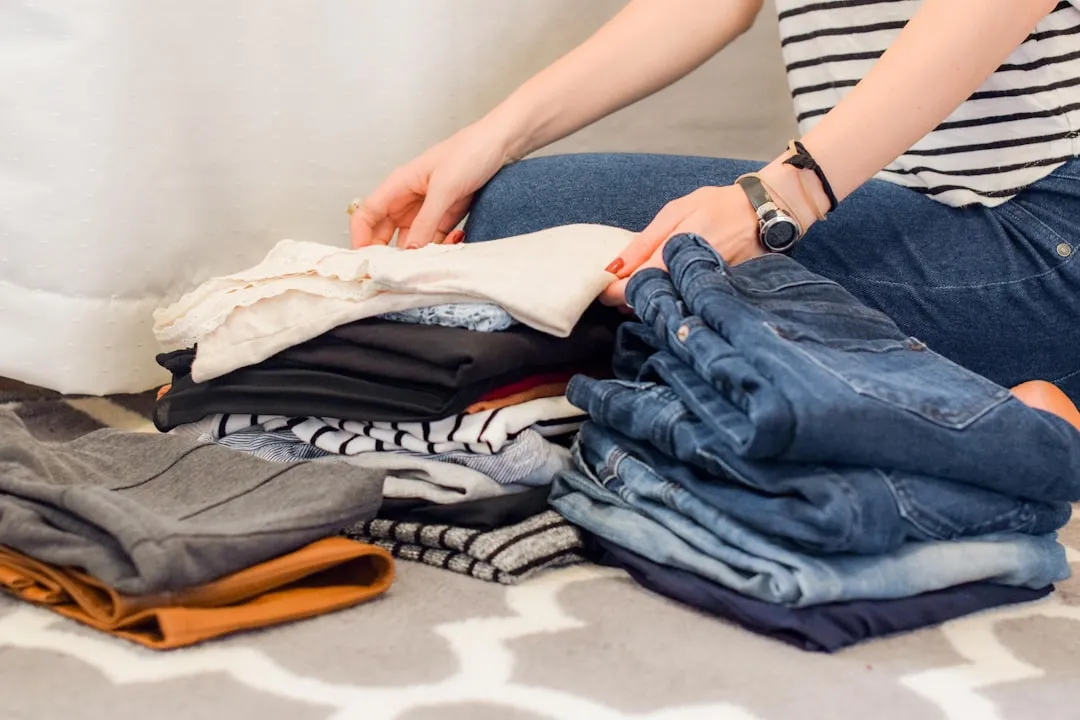
Nobody sets out to fill their home with things they don’t remember acquiring. It happens slowly, one grocery run, one gift, one impulse purchase at a time. Over a lifetime, we’ll spend over 3,600 hours searching for misplaced items, losing phones, keys, sunglasses, and paperwork that get buried under everything else.
The household item nobody remembers buying isn’t one specific thing. It’s the category itself – every object that arrived quietly, stayed out of inertia, and now occupies space that could hold something better. A full four fifths of the things people hang onto are never actually used again.
Recognizing the pattern is the first step. The second step, actually clearing it out, is harder. Yet it turns out that most of those objects, the lids without bottoms, the chargers without devices, the gadgets without purpose, were never really yours to begin with. They just stopped by and forgot to leave.
AI Disclaimer: This article was created with the assistance of AI tools and reviewed by a human editor.