
1. Flowers Trigger Genuine, Immediate Happiness

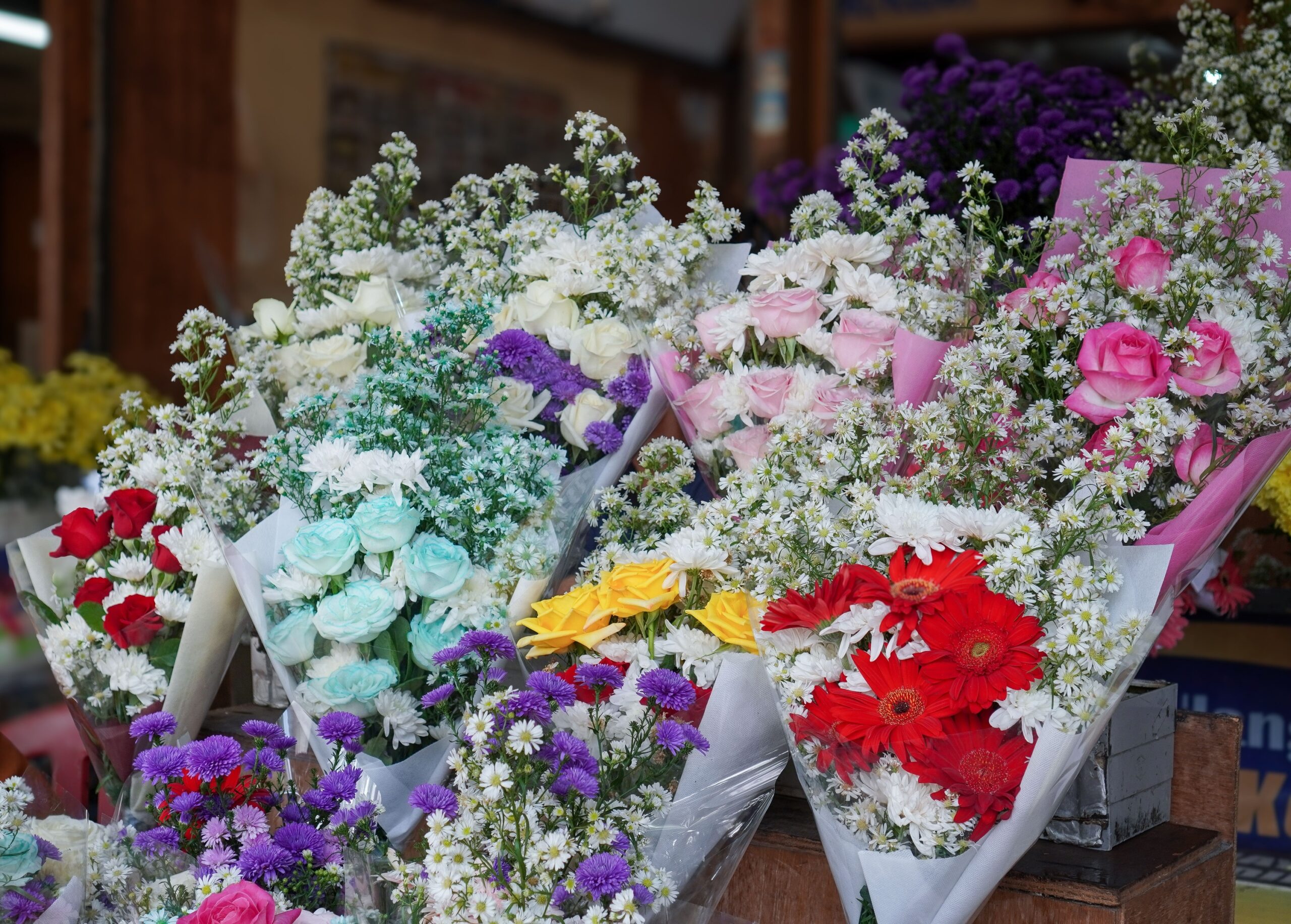
There’s a specific kind of smile researchers call the Duchenne smile. It’s the involuntary, whole-face expression that signals real joy rather than polite acknowledgment. In a controlled Rutgers University study, every single participant in the flower group produced this genuine smile within the first five seconds of receiving a bouquet, compared to ninety percent of fruit recipients and seventy-seven percent of candle recipients.
Research consistently shows that flowers produce a true, immediate, and lasting positive emotional response in individuals across different age groups. That’s not a modest finding. It means the reaction happens regardless of whether the recipient is a teenager or a grandparent.
Research conducted at Rutgers found that flowers generate happy emotions and strengthen feelings of overall life satisfaction far beyond what was initially believed. For a gesture that takes minutes to arrange, that’s a remarkable return.
2. The Mood Boost Lasts for Days, Not Just Moments
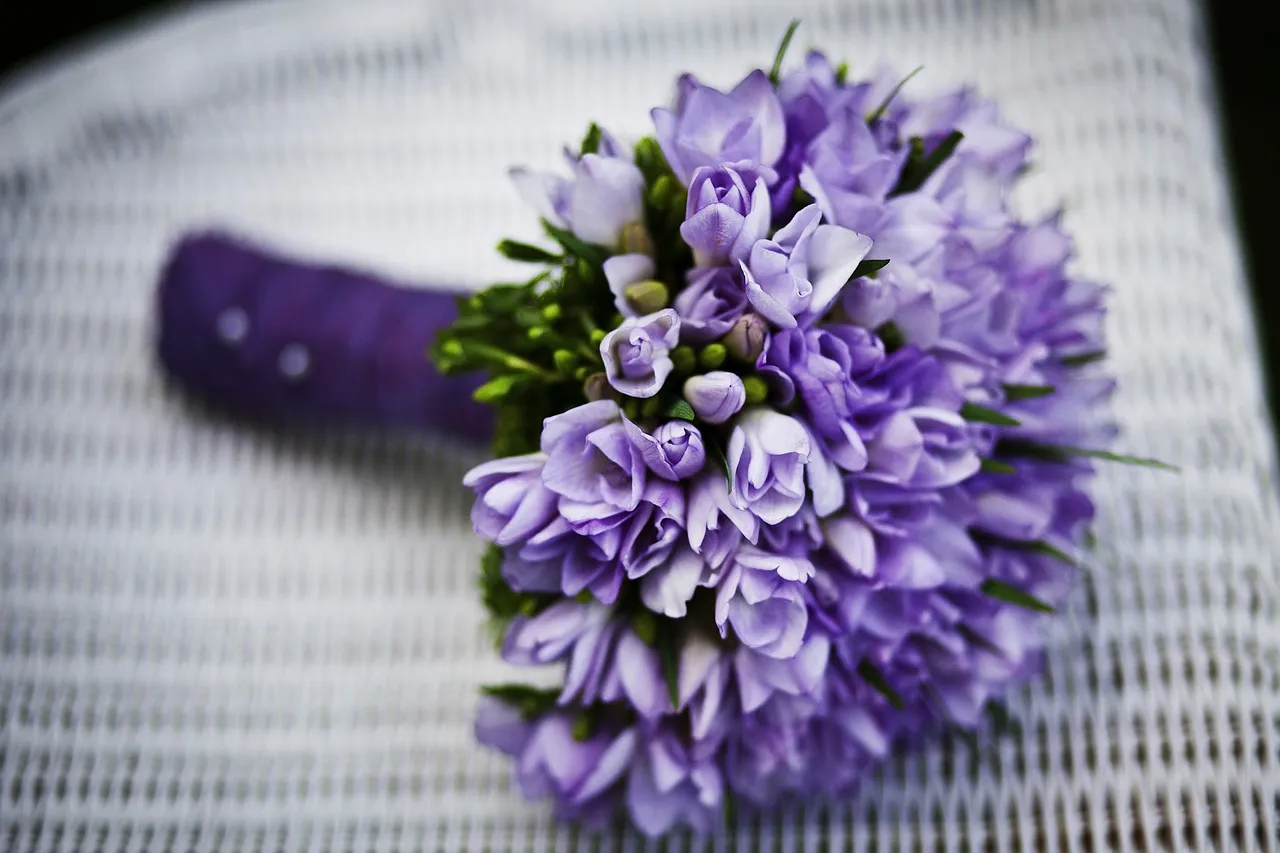
Most gifts create a spike of pleasure that fades quickly. Flowers work differently. Those who received a gift basket or a candle reported that their positive mood faded almost immediately, while those who received flowers reported that their positive mood lasted two to three days.
One study also recorded that participants were less anxious or depressed for three days after they received flowers. That’s a meaningful window of wellbeing, not just a fleeting moment of delight.
This emotional boost isn’t just momentary. Research suggests the positive effects can last for days after receiving or purchasing flowers. Given that, a single thoughtful bouquet can quietly reshape someone’s entire week.
3. Flowers Reduce Stress in a Measurable Way
The University of North Florida’s Department of Public Health found that living with flowers significantly reduces stress. Their study, which monitored women who received flower deliveries, showed a notable reduction in stress scores compared to control groups. Participants reported feeling less stressed both at home and in the workplace when flowers were present in their environment.
Research has explored how natural scents can increase positive emotions, enhance feelings of comfort, and decrease anxiety. Scent is particularly powerful here, partly because our sense of smell connects more directly to emotional memory than any other sense.
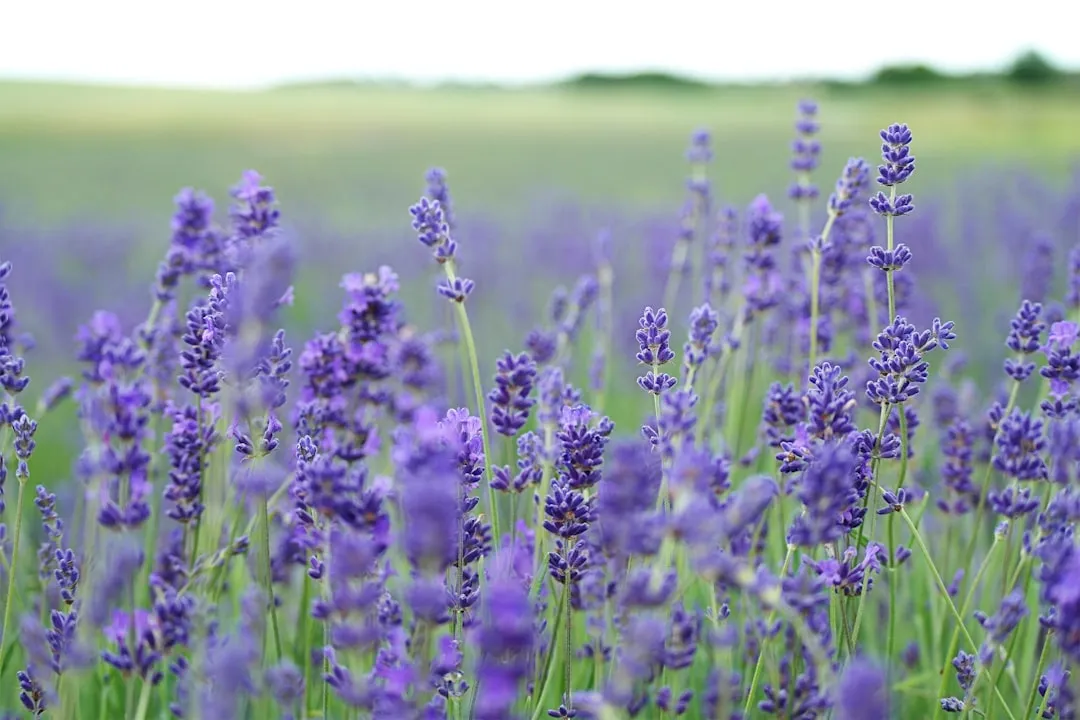
The scent of lavender has been shown to promote relaxation and alleviate anxiety, while jasmine, with its sweet and soothing fragrance, can enhance mood and increase feelings of happiness. Choosing a fragrant variety over a purely decorative one can amplify the effect considerably.
4. Flowers Communicate What Words Often Can’t
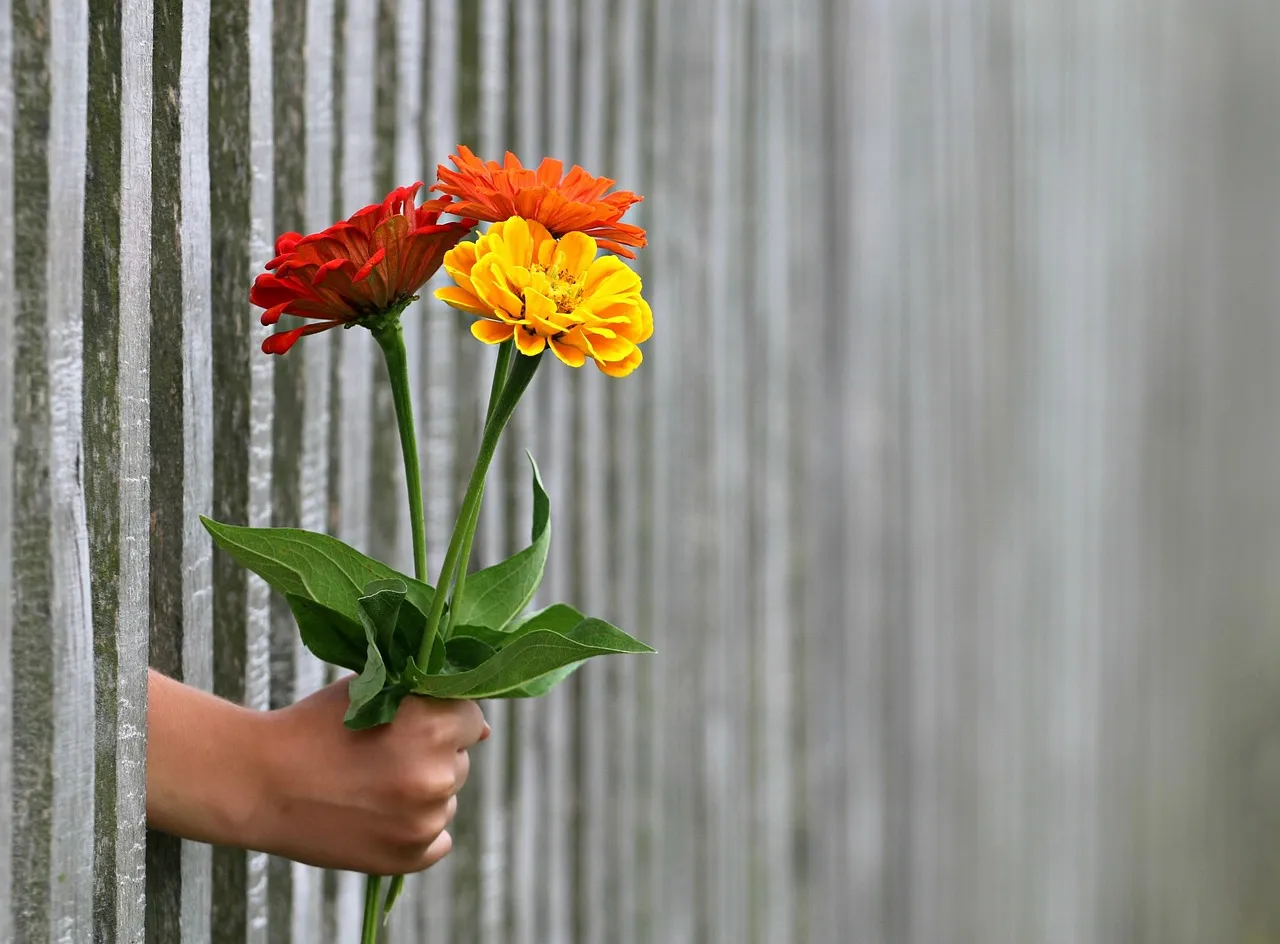
Psychologists suggest that gift-giving allows the giver to communicate emotions that might otherwise be difficult to articulate with words alone. Flowers have filled this role across cultures for centuries, and they remain particularly effective at it.
At the heart of giving flowers is the ability to express emotions that may be difficult to put into words. Whether it’s love, gratitude, sympathy, or apology, flowers convey feelings in a way that is universally understood. This emotional expression is crucial for maintaining strong and healthy relationships, as it fosters a sense of connection and understanding between individuals.
From joyful celebrations to moments of comfort, flowers offer a way to speak without words, touching emotions that often go unspoken. That quality is rare in any gift, and it’s one reason flowers remain so consistently meaningful across very different relationships and occasions.
5. Flowers Strengthen Social Bonds and Closeness
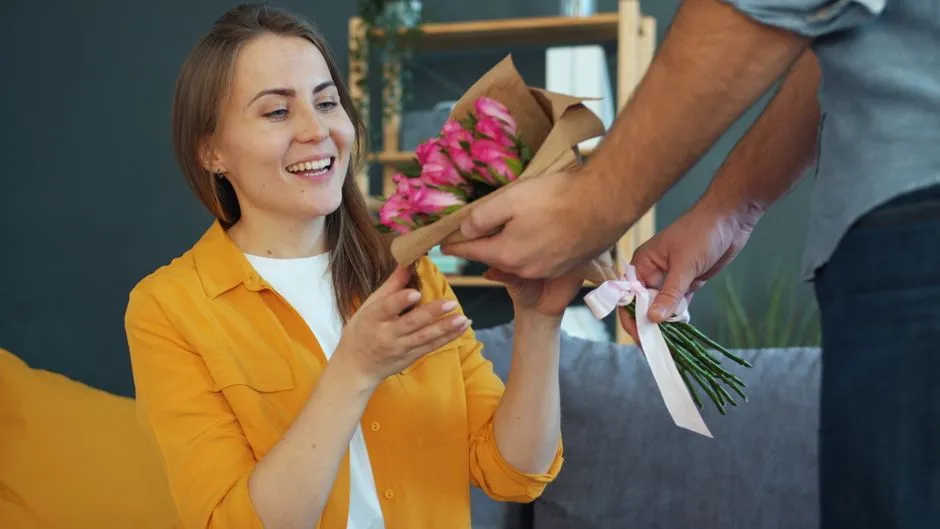
Throughout history, flowers have served as tokens of love, gratitude, and sympathy. Gifting flowers to loved ones can strengthen social bonds, improve relationships, and create lasting memories. This isn’t sentimental speculation. It’s a pattern that behavioral research has documented across multiple studies.
Flowers make intimate connections. The presence of flowers led to increased contact with family and friends in Rutgers University’s landmark study. Recipients were more likely to initiate conversations, spend time with loved ones, and re-engage in postponed social plans, suggesting that flowers act as emotional connectors, nurturing not just joy but interpersonal closeness.
Research shows people who spend a lot of time around plants benefit from increased feelings of compassion and empathy for others. It’s also been shown that when people spend more time around plants, they are more likely to try and help others. The benefits of having ornamental plants around can improve relationships between people.
6. The Giver Benefits Too
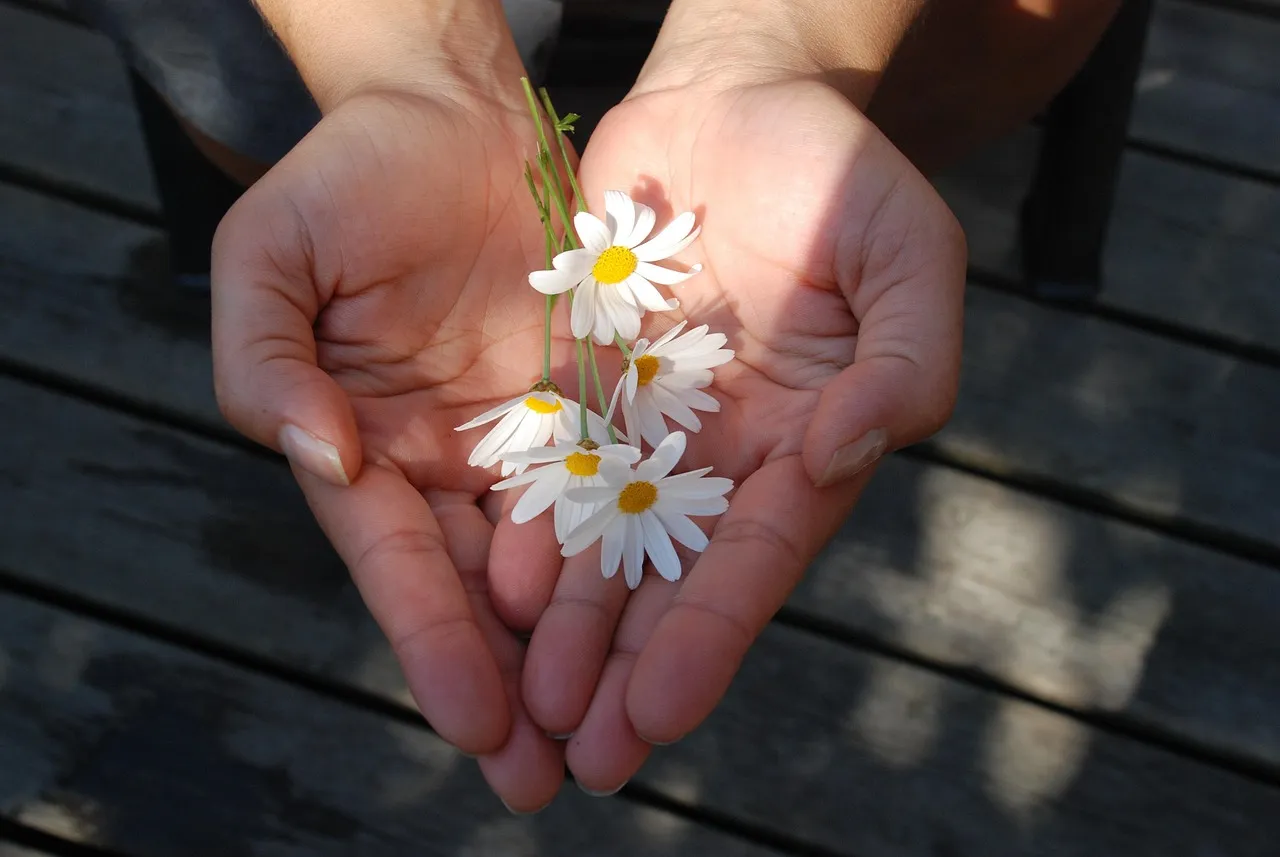
It’s easy to think of flower gifting as a one-way transaction, but the emotional math runs both ways. Research from Rutgers University found that the vast majority of people reported that the act of giving flowers themselves also made them feel happier. This means that flowers have positive effects for all those involved.
Gift-giving can enhance the giver’s sense of identity and provide a sense of satisfaction through altruism. According to studies in behavioral economics and consumer psychology, the act of giving makes people feel good by activating the reward centers in the brain and strengthens social bonds.
There’s something worth noting in that symmetry. The gesture doesn’t deplete the giver emotionally. If anything, it replenishes them. That makes buying flowers one of the more reciprocally generous things a person can do for someone they care about.
7. Flowers Engage Multiple Senses at Once
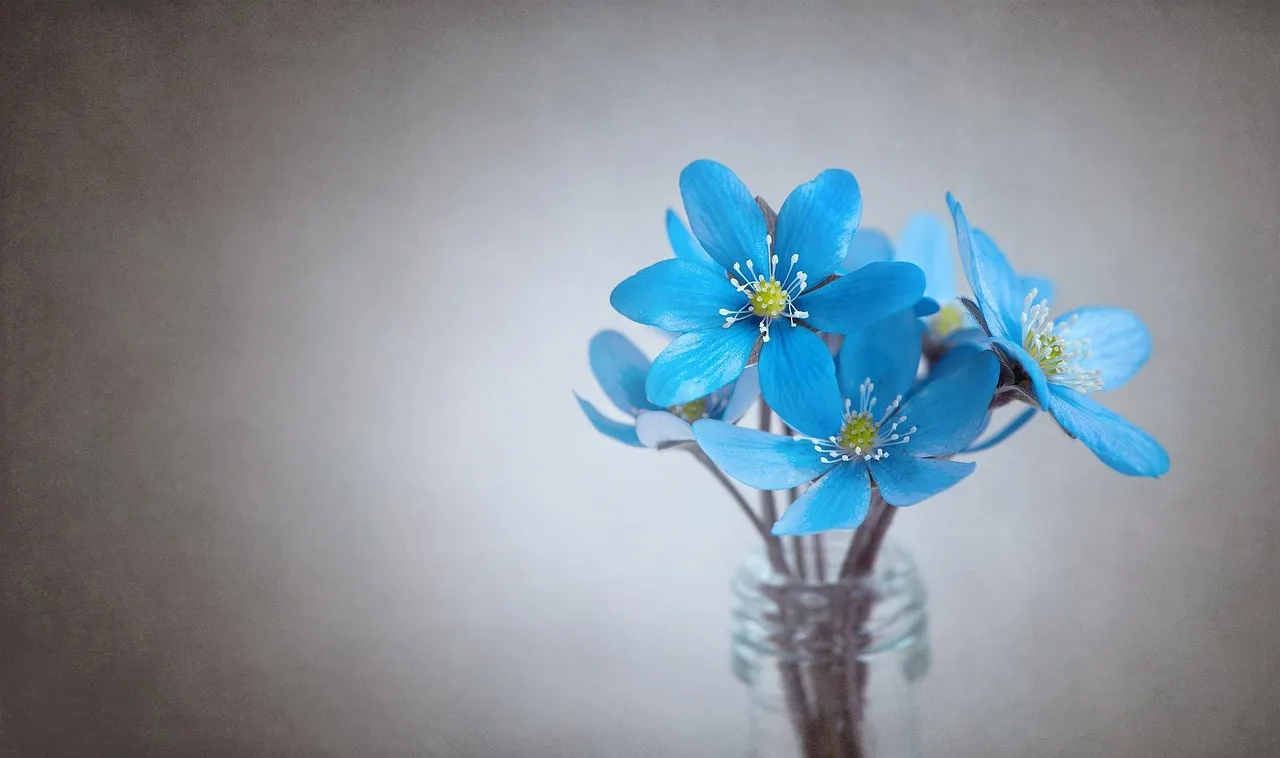
Flowers engage multiple senses including sight, smell, and sometimes touch, to create a multi-sensory experience that can alter a person’s mood. Bright colors and fragrant scents lift moods and reduce stress. Few other common gifts work on that many levels simultaneously.
In one study, warm-colored flowers evoked greater positive mood, while cooler hues like blue were most linked to relaxation. The color you choose genuinely matters, not just aesthetically but emotionally.
Colors, shapes, and even scents awaken feelings of joy, nostalgia, or peace. A bright sunflower can radiate cheer, while soft white lilies can bring calm and reflection. The emotional impact of flowers lies in their ability to mirror human emotions, helping people process and communicate what they sometimes cannot say aloud.
8. Flowers Are Universally Received Well, Regardless of Age or Background

According to the Society of American Florists, a staggering proportion of Americans say receiving flowers makes them happy. What’s notable is that this response doesn’t belong to any one demographic. Flowers have an immediate impact on happiness. All study participants expressed “true” or “excited” smiles upon receiving flowers, demonstrating extraordinary delight and gratitude, and this reaction was universal, occurring in all age groups.
Among countless gift-giving options, flowers are universally appreciated, transcending language, age, and gender. They have a wide range of meanings and can serve as a romantic, friendly, congratulatory, or apologetic gesture, depending on the circumstances.
That versatility is genuinely hard to match. You don’t need to know someone’s size, dietary restrictions, or current reading list. A well-chosen bouquet is almost always welcome.
9. Flowers Offer Comfort During Difficult Times
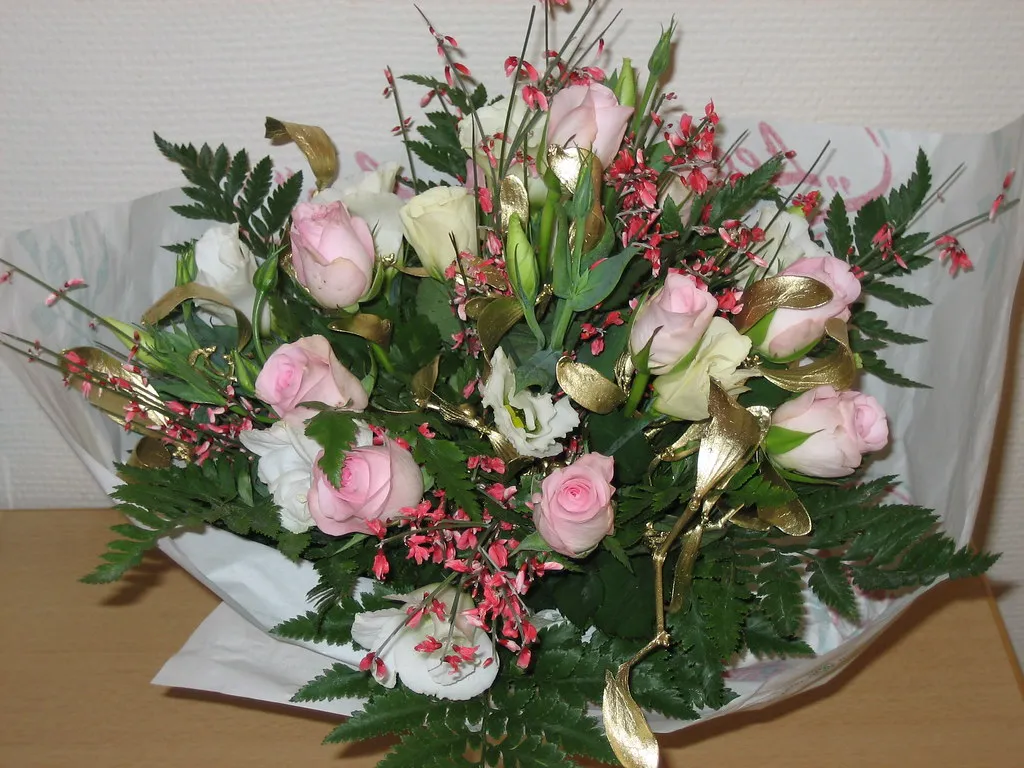
Bouquets provide comfort, reduce feelings of isolation, and express compassion during difficult times. This is one reason flowers have always been a part of how people show up for one another during grief, illness, and hardship.
Patients receiving flowers report lower stress levels, improved mood, and even faster recovery. It’s a modest but real contribution to the healing environment, and it’s why the tradition of hospital flower-giving has persisted across cultures for so long.
Flowers have many properties that promote healing and feelings of well-being, which is why there’s a long tradition of sending bouquets to people in the hospital. Sometimes the most honest comfort you can offer someone comes in the form of something alive and beautiful.
10. Flowers Turn an Ordinary Moment Into a Lasting Memory
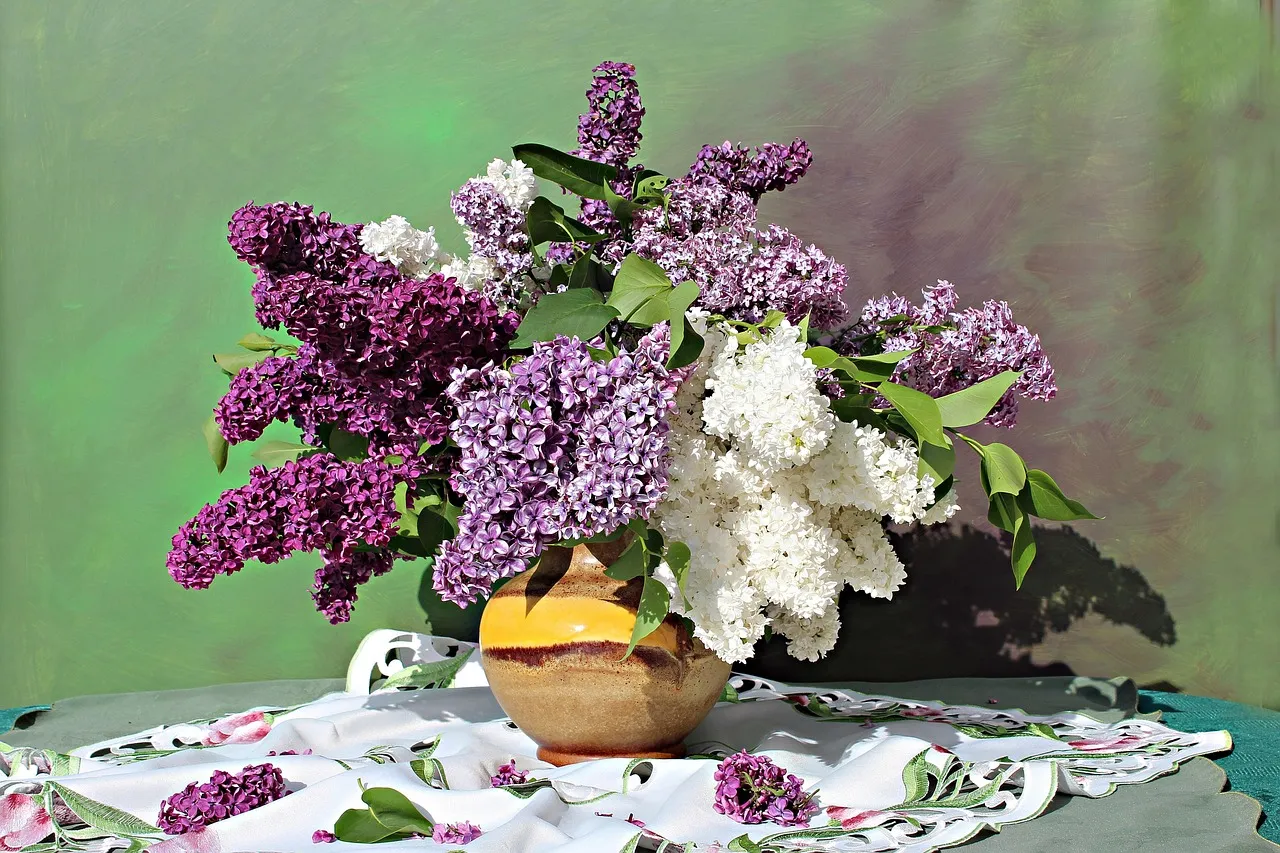
A well-made bouquet or arrangement is not just an object in a room, but a small, deliberate intervention in someone’s emotional life. That framing is worth sitting with. It repositions the gesture from something trivial to something genuinely considered.
Our sense of smell has a particular role in memories and our connection with others. This means a fragrant bouquet doesn’t just brighten the day it arrives. Its scent can trigger the memory of that moment weeks or months later, keeping the emotional warmth alive long after the petals have dried.
People may forget messages, but they remember how something made them feel. Flowers turn ordinary moments into meaningful experiences, and that emotional imprint lingers long after the flowers are gone. That kind of staying power is something very few gifts can claim.
The Takeaway
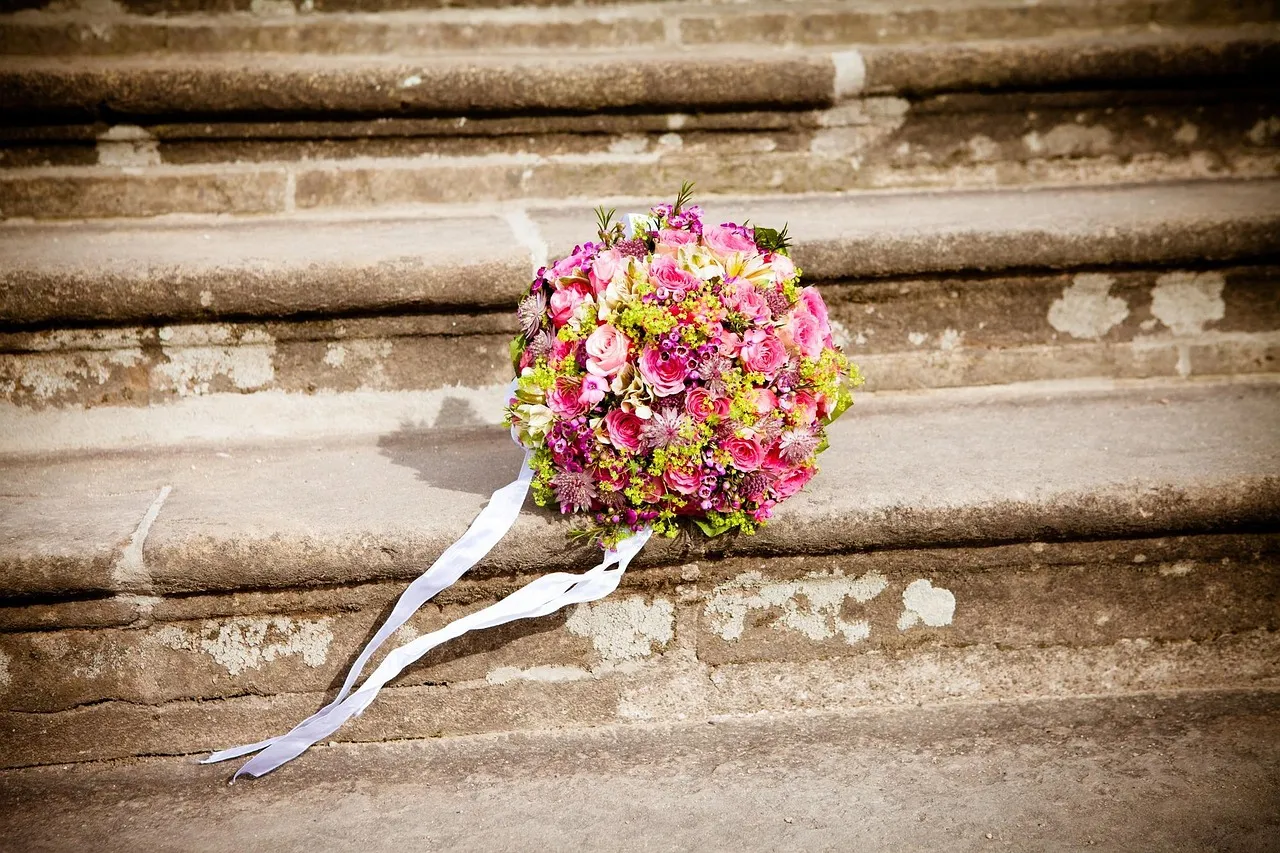
The science here is consistent and clear. Flowers aren’t just a pretty placeholder when you don’t know what else to give. They’re one of the most emotionally effective gifts a person can offer, backed by research from behavioral scientists, psychologists, and public health researchers across multiple decades and institutions.
What makes them particularly special is the combination: immediate joy, a mood improvement that stretches across days, reduced anxiety, stronger social connection, and a memory that the recipient carries forward. Very few gestures deliver that full range of outcomes.
If you’re looking for a reason to stop by a florist this week, the research has already made the case. The only real question is which flowers your person would love most.
AI Disclaimer: This article was created with the assistance of AI tools and reviewed by a human editor.