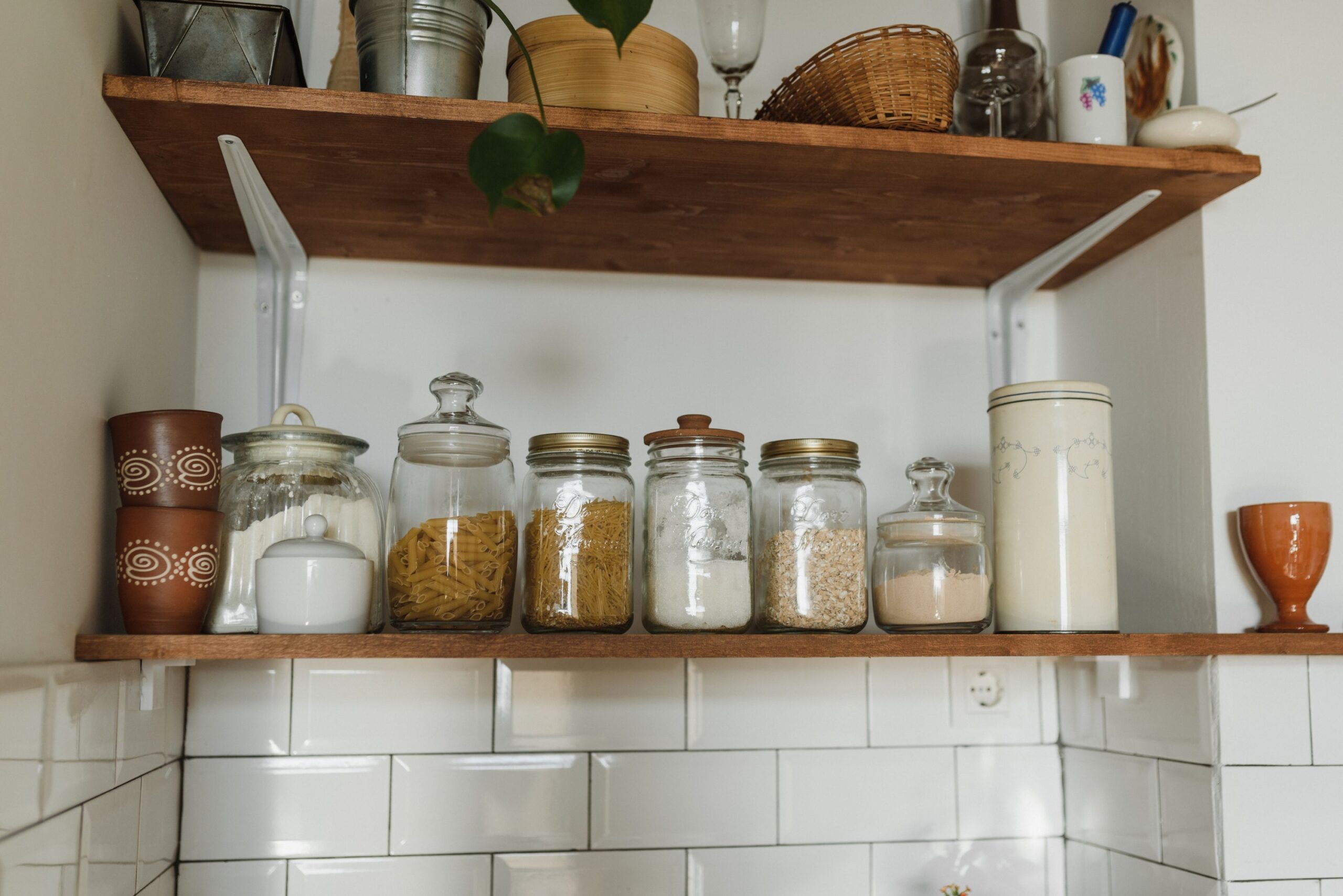

Stock What You Actually Eat
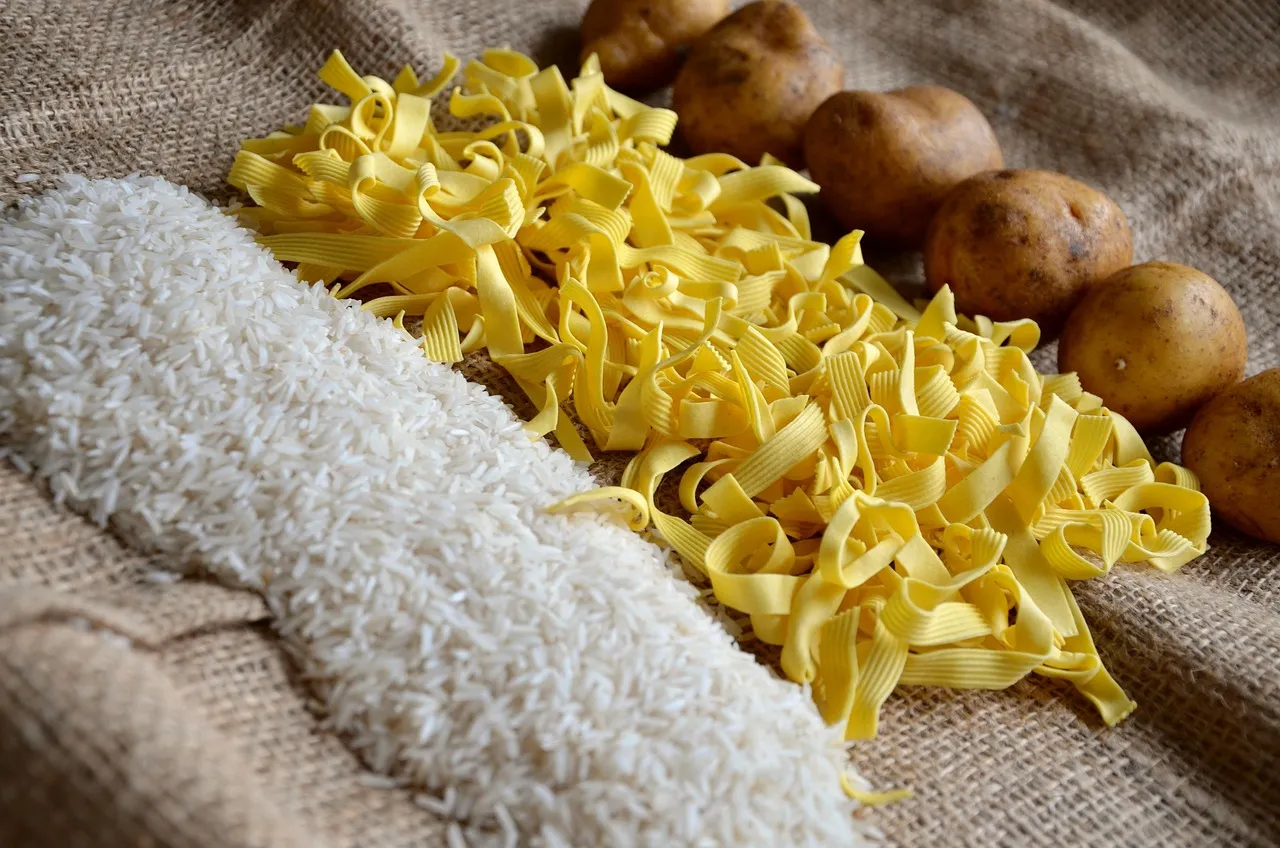
The foundational rule of the traditional pantry method is deceptively simple: store foods your household already consumes. Storing foods that are difficult to prepare and are unlikely to be eaten could be a costly mistake. Grandparents understood this intuitively. Their pantries held rice, dried beans, canned tomatoes, and oats because that’s what went into their everyday cooking.
One approach to long-term food storage is to store bulk staples along with a variety of canned and dried foods. That combination, staples plus canned goods, is exactly what modern preparedness guides still recommend today. It keeps the pantry practical rather than performative, and it means the food gets used and replaced regularly rather than quietly expiring on a shelf.
The FIFO Rotation Principle
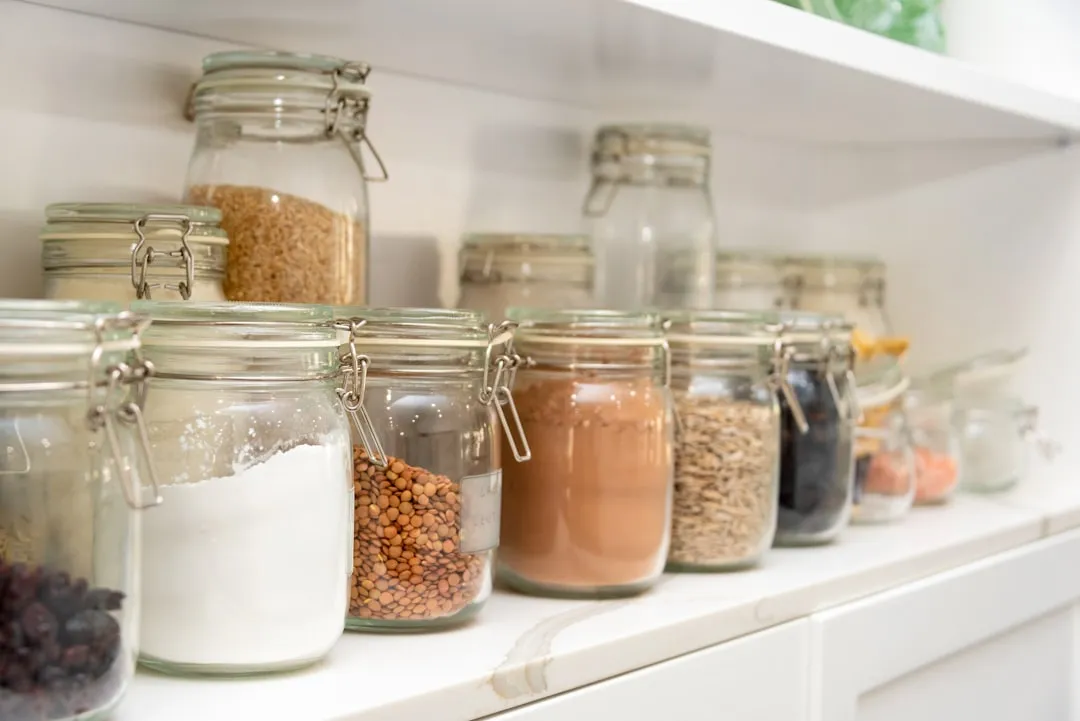
Older generations didn’t call it FIFO. They just called it common sense. Experienced preppers and retailers alike are probably familiar with the acronym FIFO, which means “First In, First Out.” It means using older items first and storing newer items behind them to create a front-to-back rotation. This is precisely what grandmothers did when they pulled the oldest can of soup to the front every time they restocked the shelf.
It means you capitalize on the full shelf life of different food products and avoid allowing forgotten, tucked-away provisions to sit around and spoil. The beauty of this method is that it requires no special equipment and no complex system. It minimizes food waste and financial loss, maintains freshness of food, and increases the quality of food you serve. The most common way to achieve this is the First In, First Out method of stock rotation.
Store in a Cool, Dark, and Dry Place
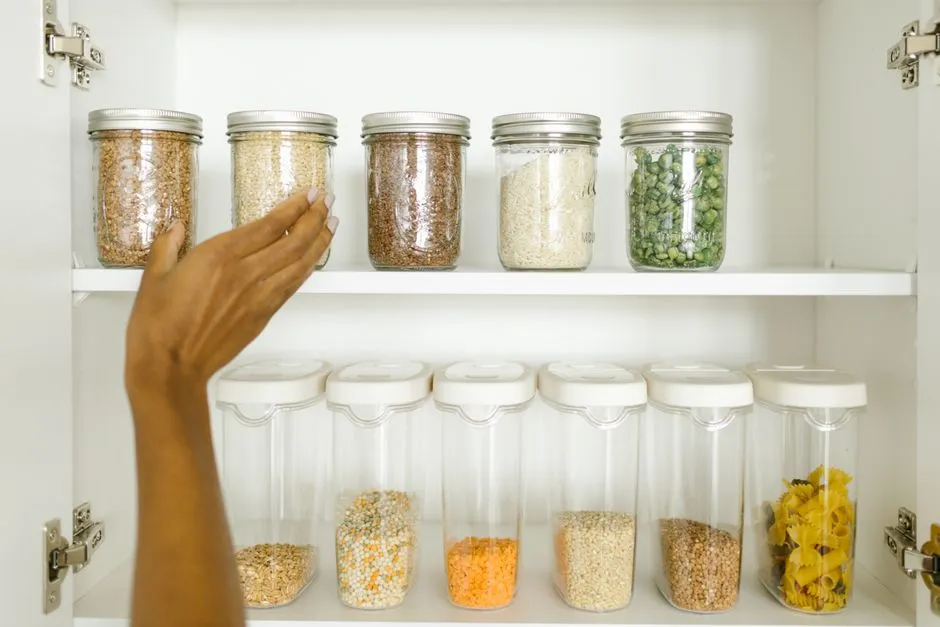
Traditional pantries were almost always located in the coolest, darkest part of the house. That wasn’t an aesthetic choice. All dry ingredients or supplies should be stored off the floor in clean, dry, dark places away from any source of moisture. Foods will maintain quality longer if extreme changes in temperature and exposure to light are avoided. This principle hasn’t changed at all.
It’s essential to choose a cool, dry, and dark location, such as a basement or pantry, to store your food. Avoid storing food in areas that are prone to moisture, such as attics or garages, as this can lead to spoilage and contamination. You should also keep your food stockpile off the floor and away from walls to reduce the risk of pest infestation and water damage. Grandparents figured this out through experience. Modern guidelines simply formalized it.
Label Everything with a Date
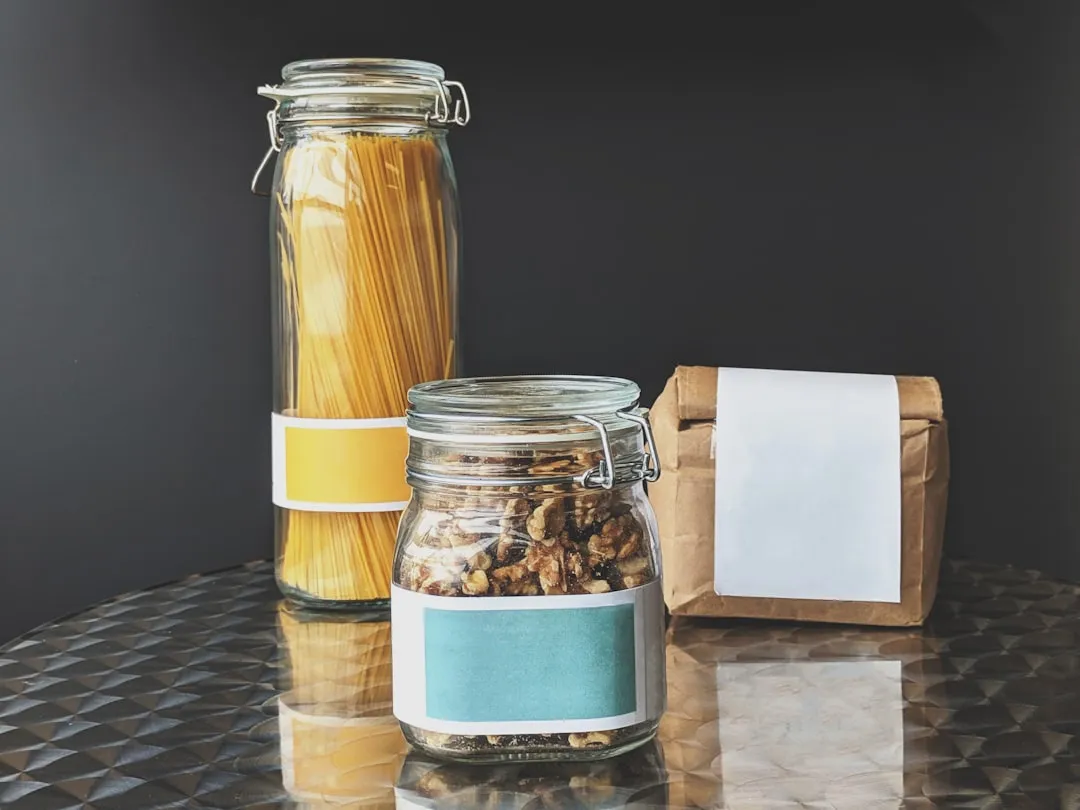
Walk into a well-maintained traditional pantry and you’d find handwritten dates on jars, tins, and bags. It wasn’t fussy. It was functional. Labeling and dating your containers can help you keep track of what you have and ensure that you use the oldest items first. This habit prevented waste and kept the household honest about what needed to be replenished.
Every item in storage needs a visible expiration date or date-of-purchase. Commercial products already have this; home-packaged items need a label added. Today, preparedness guides recommend the same habit. Every container should include the food type and the packaging date. Clear labeling prevents confusion and allows quick visual inspection. A permanent marker and a piece of tape still do the job just fine.
Keep a Deep Supply of Shelf-Stable Staples
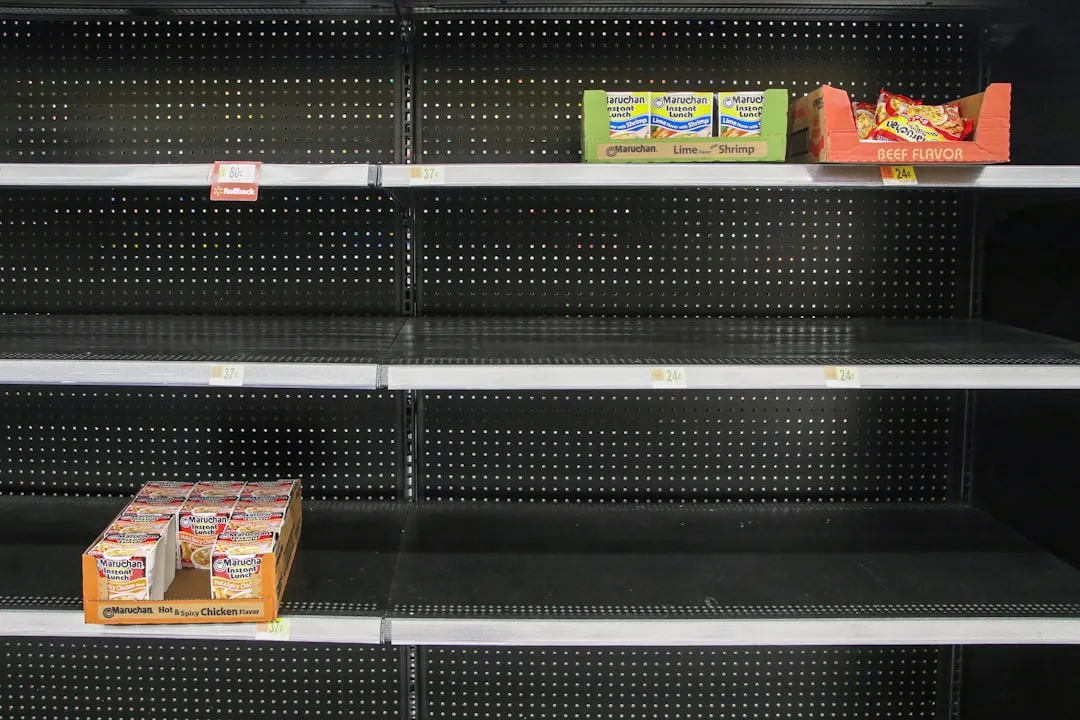
Before the era of weekly grocery runs, households maintained what was simply called a “deep pantry.” Items like rice, beans, and oats are excellent choices for long-term food storage. They’re lightweight, shelf-stable, and nutrient-dense, making them perfect for any emergency stockpile. These were the backbone of the traditional pantry, and they remain the backbone of every serious preparedness plan today.
According to FEMA and the American Red Cross, families should maintain a minimum 72-hour food supply, but experienced emergency preparedness professionals recommend storing 30 to 90 days of food for true resilience. A deep pantry built around staple foods gets you well into that range without requiring expensive specialty products or freeze-dried kits. Buying shelf-stable staples today, such as rice, dried beans, canned goods, pasta, and oats, at current prices is a practical hedge against future price increases.
Use Airtight Containers to Protect Your Stock
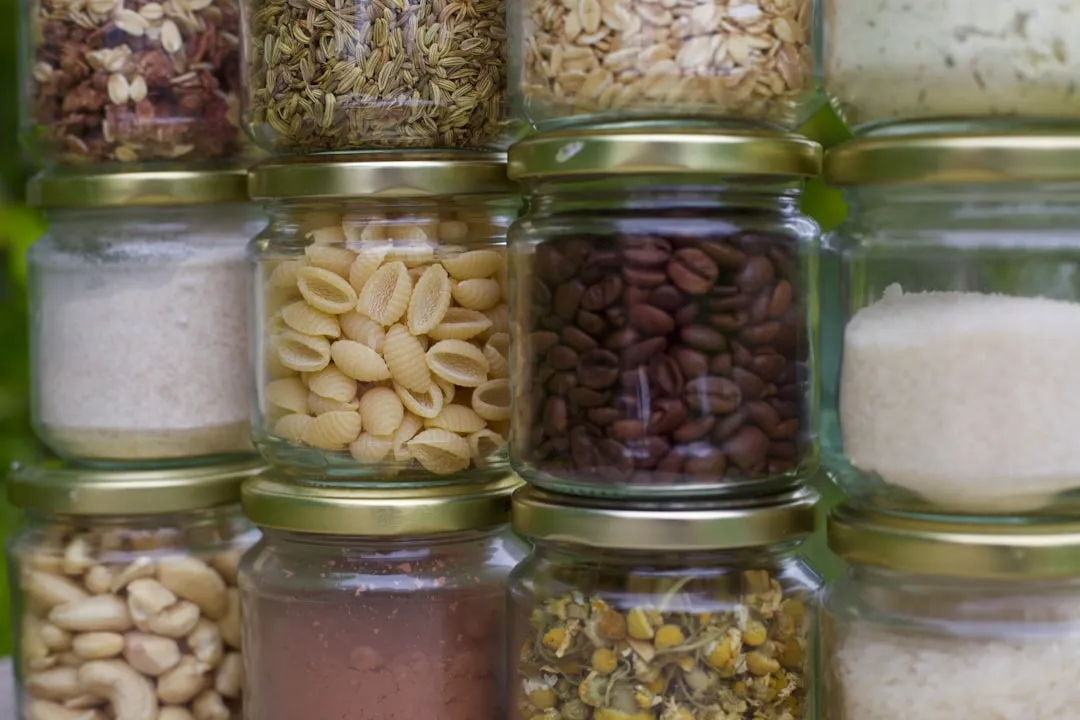
Old-fashioned pantries were full of glass jars, ceramic crocks, and tin canisters with tight-fitting lids. The goal was to keep pests and moisture out, because both could destroy months of stored food quickly. It’s crucial to use airtight containers or storage bins to keep your food fresh and protected from pests and moisture. This is one area where modern tools have genuinely improved on the old methods.
In many cases, it makes sense to transfer certain foods from their original packaging to a different container to prolong shelf life and protect against pests, dampness, and the like. Airtight containers or vacuum-sealed packaging are ideal for dry goods. Whether you use glass mason jars, food-grade plastic buckets, or modern Mylar bags, the principle is unchanged from what your grandparents practiced without a second thought.
Calculate Your Household’s Real Needs
The traditional pantry wasn’t stocked randomly. Families knew roughly how much their household consumed in a week and stocked accordingly, scaling up for hard seasons or uncertain times. That calculation is still the correct starting point. A minimum of 2,000 calories per adult per day is the standard baseline, with children between 6 and 12 needing around 1,600 calories and toddlers between 2 and 5 needing roughly 1,200.
The average adult requires 2,000 to 2,500 calories per day, but stress, cold weather, and physical labor during emergencies can increase this significantly. Grandparents feeding large households through lean times understood that physical work required more food. For a two-week supply for one adult, you will need roughly 28,000 total calories and 14 gallons of water. Those numbers give a useful, concrete target to plan toward.
Don’t Forget Water, the Most Overlooked Staple
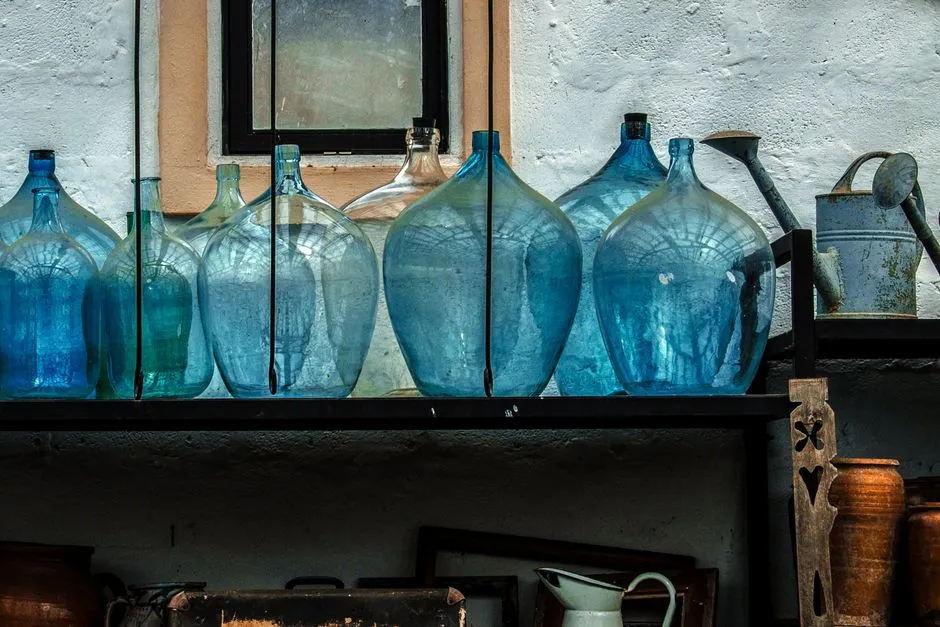
Water was never an afterthought in the old homestead pantry. Households without reliable running water kept barrels and jugs filled precisely because they knew access could be disrupted. Modern households often don’t think about water storage at all, which preparedness experts consistently flag as the biggest gap in most family plans.
FEMA recommends that households have a minimum of one gallon of water per person per day for drinking, cooking, and hygiene, as well as a supply of non-perishable food items. That figure adds up quickly. FEMA recommends stocking a basic emergency kit with water at one gallon per person per day for several days, non-perishable food, a flashlight, battery-powered radio, first aid kit, and medications. Water is heavy and bulky, which is exactly why planning for it in advance matters so much.
Integrate the Pantry Into Daily Life, Not Just Emergencies
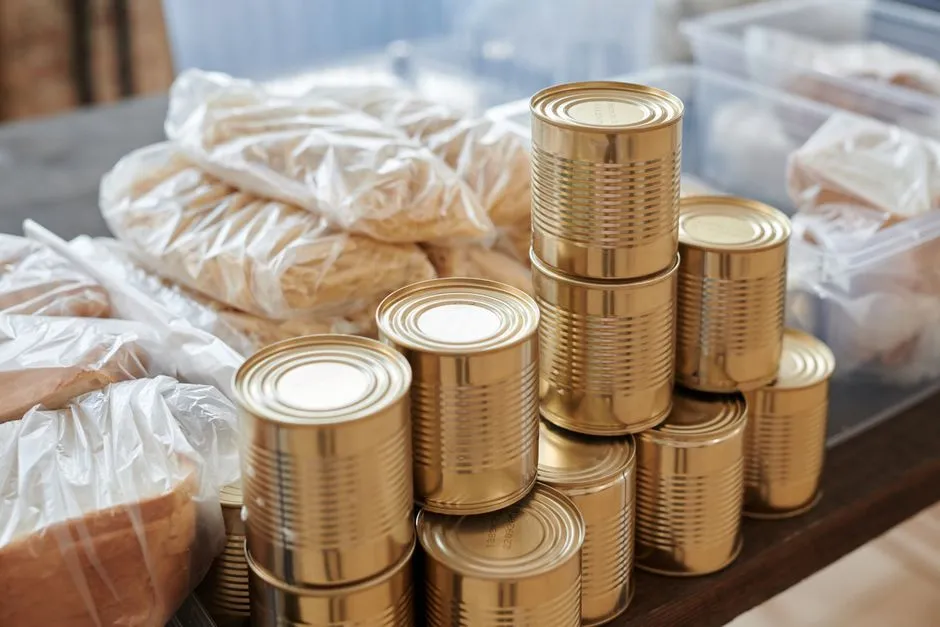
One of the most practical aspects of the traditional pantry model was that it wasn’t a separate emergency system. It was just how the household functioned. Food went into the pantry, and food came out of the pantry for daily meals. There was no separation between “normal” food and “emergency” food. Rotation also integrates preparedness into everyday life, reducing the gap between storage and real consumption.
The FIFO method means you’ll rotate out old or about-to-expire foods into your pantry or kitchen for use in everyday meals, replacing them with fresher stock for your emergency supply. When the pantry is a living, daily system rather than a sealed vault in the basement, it stays fresh, relevant, and actually useful. An emergency food supply is not only about external disasters. If your household loses income unexpectedly, a well-stocked pantry significantly reduces your most immediate financial pressure.
Conduct Regular Pantry Audits
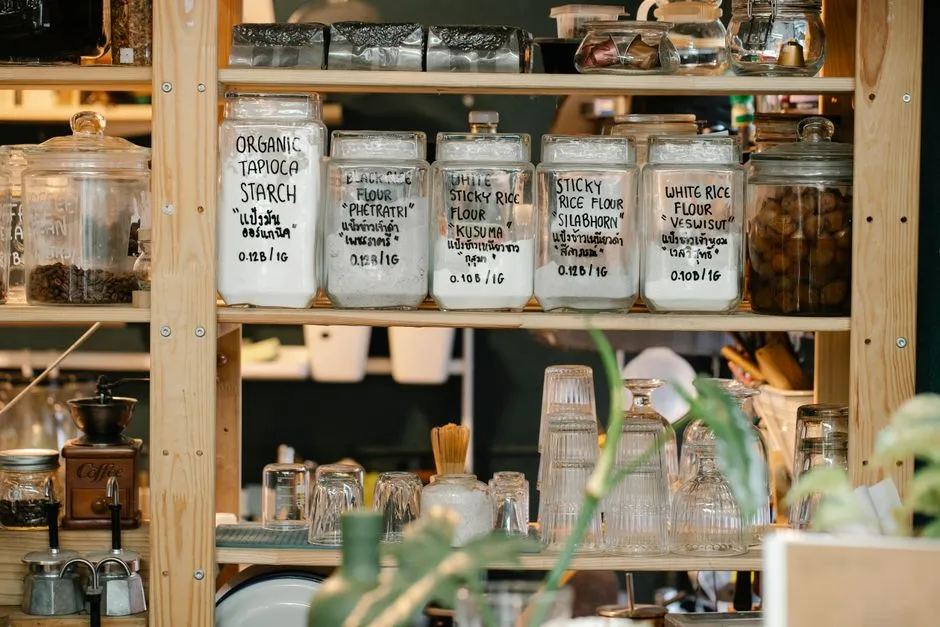
Grandparents didn’t just stock the pantry once and walk away. They checked it regularly, took stock of what was running low, and restocked before they ran out. That habit of consistent inventory kept the household from ever facing a sudden shortage. Consider developing a rotation schedule to keep your supplies fresh. Regularly reviewing your inventory and updating your plan based on seasonal changes or new dietary needs will help maintain your preparedness.
Every three months, spend 20 to 30 minutes with the storage. Check dates, look for damaged packaging, and note what needs restocking. One common oversight is underestimating how quickly food supplies can diminish during an emergency, so planning for a buffer can ensure you are never caught off guard. A quarterly check is a small investment of time that keeps the entire system honest and functional.
The Takeaway
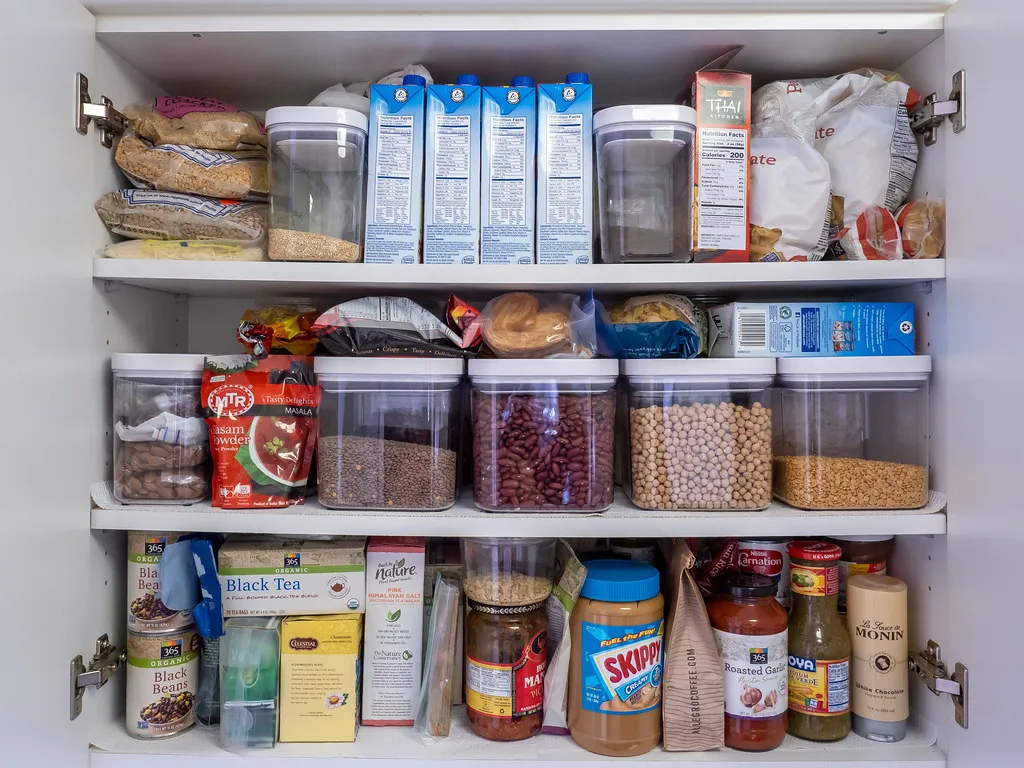
The pantry method that emergency planners now recommend isn’t new. It’s old, practical, and grounded in real experience. Stocking food and fuel used to be something your grandparents did. Today, it’s something every household should be doing. The circumstances have changed. The logic hasn’t.
The U.S. Department of Homeland Security, FEMA, and the American Red Cross all recommend that families maintain a food and water supply that will last at least two weeks. That standard is entirely achievable with the same straightforward habits that kept households fed through difficult times for generations. The pantry doesn’t need to be glamorous. It just needs to work when it’s needed most.
AI Disclaimer: This article was created with the assistance of AI tools and reviewed by a human editor.