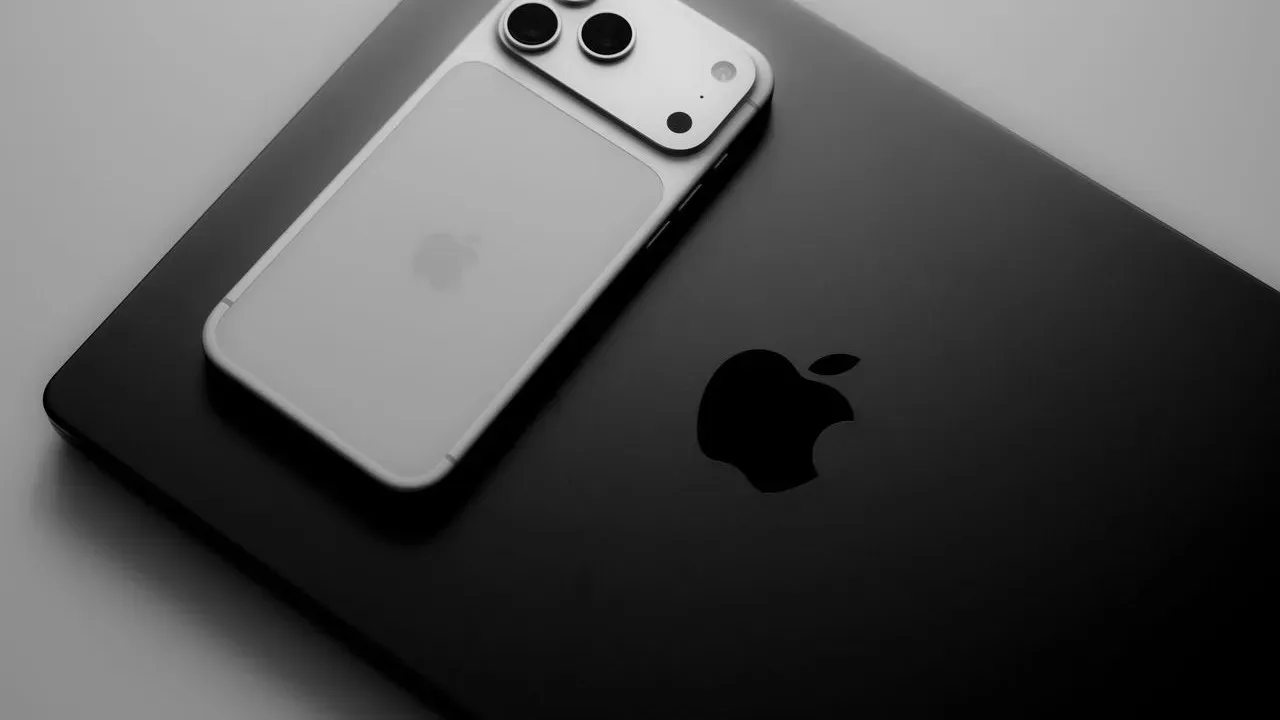

Cupertino, Calif. – Apple opened its annual September showcase on Wednesday with a new chief executive at the helm for the first time in more than a decade. John Ternus, who succeeded Tim Cook on Sept. 1, addressed attendees at the Steve Jobs Theater and framed the company’s ongoing focus on refinement and quality. The event also highlighted expectations for a foldable model among the latest iPhone releases.
Transition at the Top
The change in leadership marks a notable moment for the company. Ternus stepped into the role after Tim Cook’s 15-year tenure, during which Apple grew into one of the world’s most valuable businesses. His opening remarks emphasized the firm’s commitment to excellence, setting expectations for how he intends to guide product development and strategy going forward. Analysts note that the new CEO inherits both strong operational systems and the need to adapt to evolving consumer habits. The iPhone remains central to Apple’s revenue, yet questions persist about how long smartphones will serve as the primary device for most users. Ternus’s approach will be watched closely as he balances continuity with potential shifts in direction.
Anticipated Hardware Updates
The iPhone 18 Pro and 18 Pro Max models were presented with emphasis on battery life, camera systems, and overall performance gains. These refinements build on the previous generation’s introduction of an ultra-thin “Air” variant that contributed to solid sales. A foldable iPhone has been the subject of speculation for years. While competitors including Samsung, Motorola, and Google already offer such devices, Apple has historically entered new categories only after assessing market readiness and technical maturity. The current event aligns with that pattern, positioning the company to influence a still-small segment of the smartphone market.
AI Integration and Market Context
Alongside hardware details, the presentation spotlighted updates to Siri that incorporate new artificial intelligence features. Apple continues to stress privacy protections as a distinguishing element compared with rivals that have advanced further in AI deployment. Pricing for the iPhone 18 lineup is expected to rise in part because of a global shortage of memory chips. The prior generation ranged from $799 to $1,999 depending on configuration and model. Such increases reflect broader supply-chain pressures affecting the industry.
Analyst Perspectives on Next Steps
Forrester analyst Dipanjan Chatterjee observed that Apple’s measured entry into foldables follows its established method of allowing technologies to mature before committing resources. He added that the real test lies in whether the company can grow the category beyond its current limited share. Chatterjee also described the broader challenge facing Ternus: sustaining the execution and scale established under Cook while preparing Apple for a future in which the smartphone may no longer dominate personal computing. The simultaneous debut of new leadership and a potentially category-shifting device underscores the dual pressures of continuity and innovation. The event illustrates how Apple is navigating a period of internal change alongside competitive and technological developments that will shape its trajectory in the years ahead.
AI Disclaimer: This article was created with the assistance of AI tools and reviewed by a human editor.