
Renovating Everything at Once
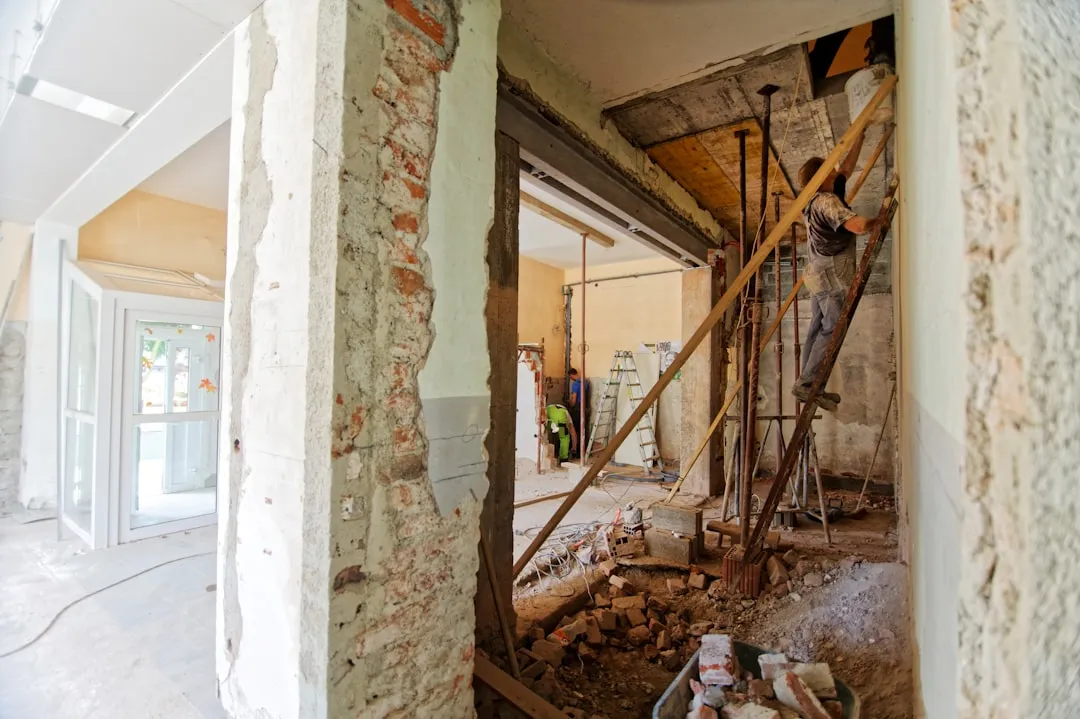
Costs are unpredictable, and roughly half of homeowners say they’ve ended up spending more on renovations than they originally planned since purchasing their home. The urge to renovate immediately is understandable, but it’s also one of the most reliable ways to overspend early.
In 2025, roughly four out of five homeowners spent money on an unplanned repair, with nearly one in five saying they had to stop a renovation project halfway through because of unexpected costs. Stopping mid-project often costs more than finishing it would have, because incomplete work tends to create new problems.
Moving forward without finalizing details is one of the fastest ways to overspend, and when layout, materials, or finishes are still undecided, changes happen mid-project, with each change impacting cost, timeline, and workflow. Patience in year one isn’t passive. It’s a financial strategy.
Ignoring the True Scale of Hidden Costs
Owning a home costs over $21,000 a year in hidden expenses, according to a 2025 Bankrate study. That number alone should reshape how new owners think about their budgets from day one.
The typical homeowner spends $23,686 per year on non-mortgage expenses, including costs toward utilities, maintenance, renovations, property taxes, and homeowners insurance. None of that is optional, and very little of it is predictable down to the dollar.
Nearly half of homeowners say the cost of homeownership is more than they expected, and nearly three in ten were not aware of additional homeownership costs when they first purchased their home, while more than half say they could not accurately estimate repair costs before buying. That’s not a small knowledge gap. That’s a structural blind spot.
Skipping Maintenance Until Something Breaks
In 2024, roughly four out of five homeowners faced unexpected repairs, and nearly half spent more than $5,000 fixing them, while nearly three quarters reported regrets about their purchase. Deferred maintenance is one of the most predictable paths to those regrets.
According to the National Association of Home Builders, maintenance for a post-2010 home may cost roughly three percent of its value each year, and for older homes that figure rises to about five percent annually. Many buyers purchase older homes without factoring in that the maintenance multiplier grows with age.
Homebuyers purchasing older homes face up to four times more in unexpected first-year costs, a difference that pre-purchase property assessment can help identify and plan for. The inspection and assessment phase isn’t a bureaucratic hurdle. It’s the earliest chance to price reality correctly.
Furnishing a Whole House in Month One

Buyers of newly built homes spend an average of $26,882 on appliances, furnishings, and remodeling and repairs during the first year after purchasing a home, nearly three times the amount spent by non-moving homeowners. Much of that gap is driven by the impulse to furnish everything before the boxes are even unpacked.
Property alterations and repair projects account for the largest share of home buyer spending, and during the first year, buyers of newly built homes spend an average of over $14,000 on such projects. That figure rises sharply when furnishing decisions add pressure to an already stretched budget.
Spreading furniture purchases across twelve months instead of concentrating them in the first sixty days costs no more in total but keeps cash available for the repairs that almost always arrive uninvited. The math on timing matters as much as the math on price.
Draining the Emergency Fund Before Month Three

Although first-year expenses are common, roughly half of new homeowners said they did not budget for them, and the overwhelming majority had to pay out of pocket. Running out of emergency reserves early in homeownership is exactly where financial stress compounds.
Nearly half of homeowners said they weren’t financially prepared for the true cost of homeownership when they bought their home, and that share jumps even higher among first-time buyers. Starting year one without a dedicated repair reserve is a bet that nothing will go wrong, and that bet rarely pays off.
More than half of homeowners have nothing saved for emergency repairs, and nearly one in three have gone into debt completing a home renovation project. Debt taken on in year one carries interest, reduces flexibility, and makes every subsequent repair feel like a crisis.
DIY Projects That Quickly Go Wrong
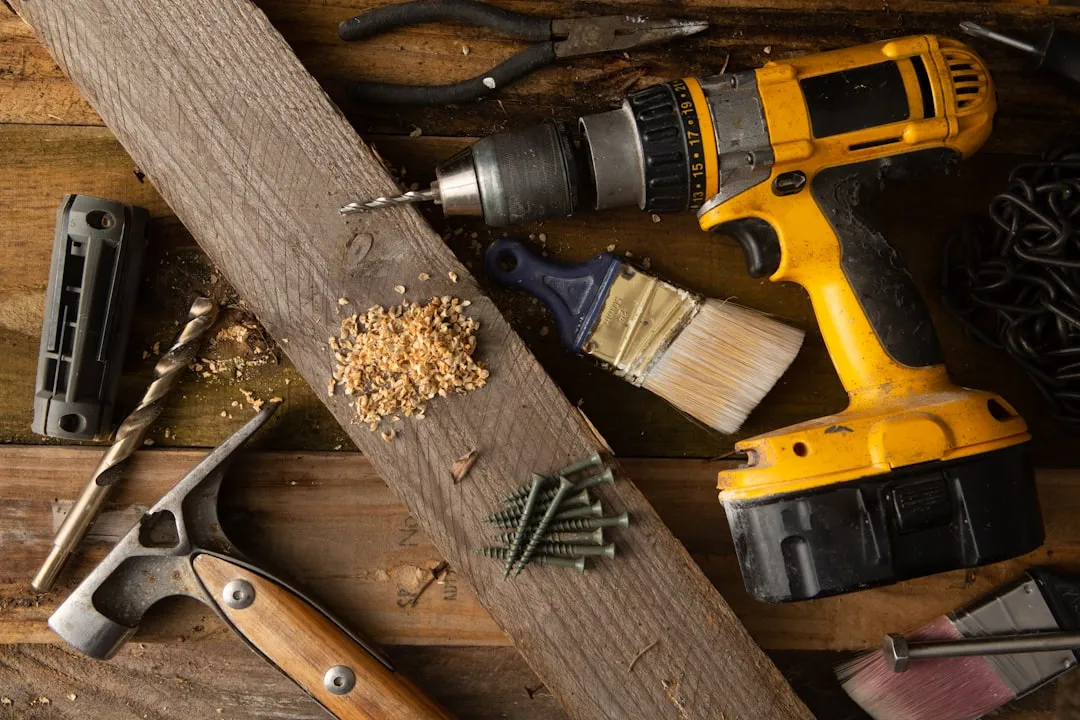
Hippo’s DIY survey found that more than half of DIYers overspent due to mistakes, and more than half needed financial help when projects went sideways. The savings that looked obvious at the hardware store often disappear by the second weekend of a project.
Data shows that more than a third of homeowners spent more than their planned home maintenance budget in 2025, emphasizing the need for regular maintenance and proactive planning. DIY enthusiasm, when it outruns actual skill, becomes a direct contributor to that overage.
Some tasks, like painting or basic caulking, genuinely suit beginners. Others, like electrical work or structural repairs, quickly turn into contractor jobs anyway after a failed attempt, and by then the cost has doubled. Knowing the difference before starting is the real skill.
Underestimating Property Taxes and Insurance

According to Cotality, non-mortgage housing costs soared by thirty percent in 2025, while ATTOM found that the national average on property taxes was $4,427 in 2025, representing a three percent annual increase. Both of those numbers catch many first-time owners off guard.
Average homeowners insurance premiums climbed faster than inflation across all major regions of the U.S. between 2018 and 2024, and they’ve risen further since the start of 2025. A policy that seemed affordable at closing can become meaningfully more expensive by renewal time.
Roughly one in four homeowners didn’t realize their property taxes would fluctuate and likely increase over time, and another sixteen percent didn’t budget for HOA fees. These are predictable line items that new owners routinely leave out of their year-one calculations.
Replacing Appliances and Systems Without Shopping Around
Nearly half of new homeowners had to replace a major appliance or system within the first year of homeownership, and nearly two thirds didn’t have a home warranty to help cover certain types of unexpected costs. When a water heater or HVAC system fails, urgency tends to override comparison shopping.
Data shows that nearly a third of homeowners experienced an appliance breakdown in 2025. Replacing systems under pressure, without multiple quotes, is one of the cleaner ways to overpay by hundreds or even thousands of dollars on a single purchase.
A home warranty isn’t a cure-all, but for first-year owners who haven’t yet built up a repair fund, it can function as a useful buffer. The key is reading exactly what it covers before signing, not after the furnace quits in January.
Skipping the Home Inspection or Treating It as a Formality

Of those surveyed, nearly one in four homeowners waived their home inspection before purchase, and of those who did, nearly a quarter regretted it, with more than four in ten saying it didn’t save them money in the long run. Waiving the inspection to win a bidding war is a trade-off that frequently costs more than the offer itself.
Among all homeowners, more than one in four ended up discovering something in their homes that their inspector should have found. That points to another layer of the problem: even when inspections do happen, buyers sometimes treat the report as background noise rather than a financial document.
Professional inspectors examine structural integrity, electrical safety, plumbing performance, and roof condition, often catching hidden problems invisible to the untrained eye, and without this step, buyers can inherit thousands in unseen repairs that emerge within the first year. The inspection report, read carefully, is essentially a forecast of where year-one money will go.
Closing Costs and Moving Expenses Nobody Planned For

According to Ramsey Solutions’ Real Estate Report 2025, the median total for closing costs on a home purchase was $7,306, covering third-party services like lenders, home inspectors, appraisers, and title companies. That’s a substantial sum that many buyers don’t clearly account for until they’re sitting at the closing table.
When it comes to moving expenses, the average cost to hire professional movers is about $1,700, and that number can go significantly higher for long-distance moves. Tacked onto closing costs, these transition expenses can quietly erase a chunk of the reserves people intended to keep for year one.
Over one in ten homeowners regret spending as much as they did on their home, and nearly one in four didn’t budget for closing fees. Those fees aren’t hidden in any meaningful sense. They’re just easy to deprioritize mentally when attention is locked on the purchase price and the mortgage payment.
The Real Cost of Year One, and How to Survive It
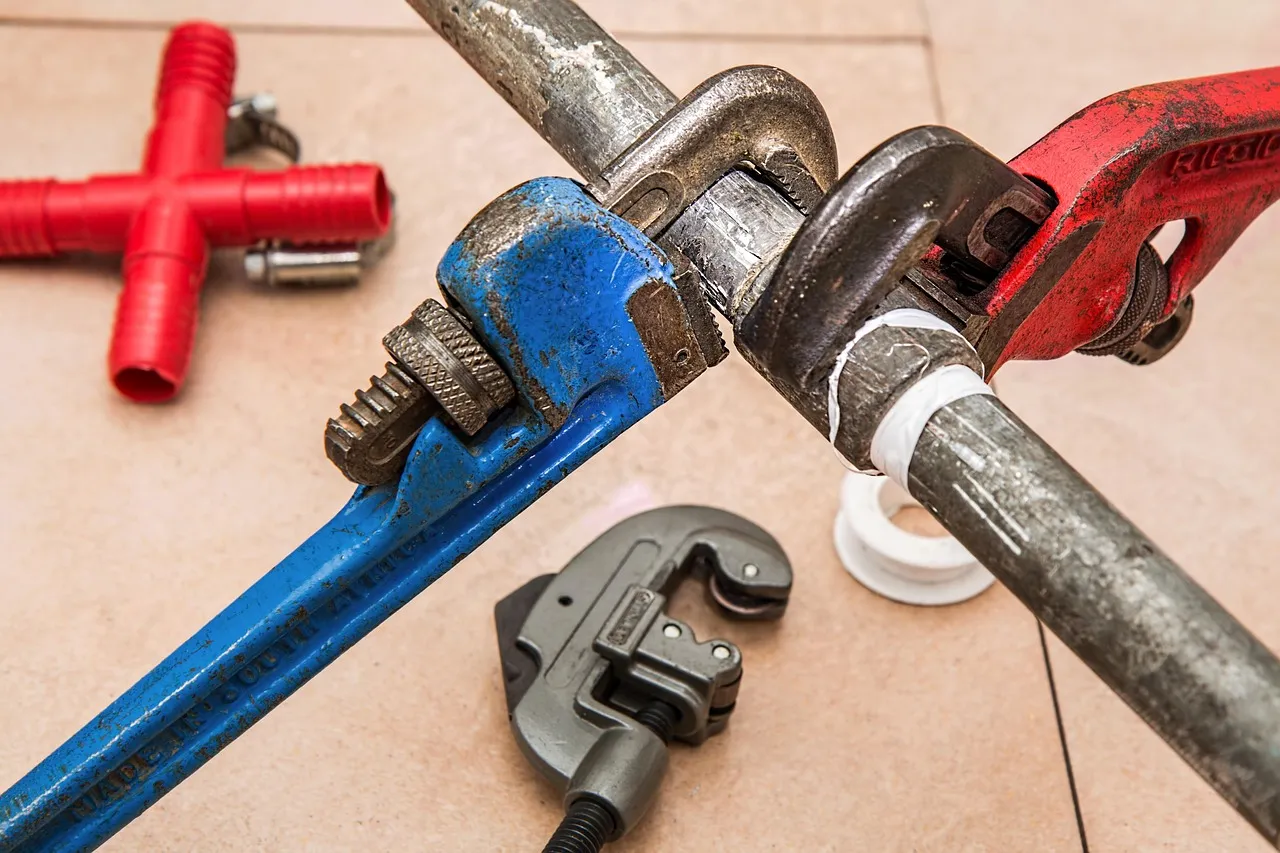
The habit that wastes the most money in year one isn’t any single purchase. It’s the pattern of treating each decision as isolated, when in reality they’re all drawing from the same limited pool. Renovations, furnishings, emergency repairs, taxes, and closing costs all arrive within months of each other.
Adding up down payments, furnishing, renovations, and tools purchased, the first year of homeownership can cost tens of thousands more than buyers anticipated, and many don’t budget accordingly. Awareness of that total, before it arrives, is the single most useful thing a new homeowner can carry through the door.
Data shows that the vast majority of homeowners paid out of pocket for unexpected repairs in 2025, and half of all homeowners would advise anyone looking to purchase a home to schedule and budget for regular, proactive maintenance and emergencies. That advice comes from experience, and the price of ignoring it is built right into the numbers.
AI Disclaimer: This article was created with the assistance of AI tools and reviewed by a human editor.