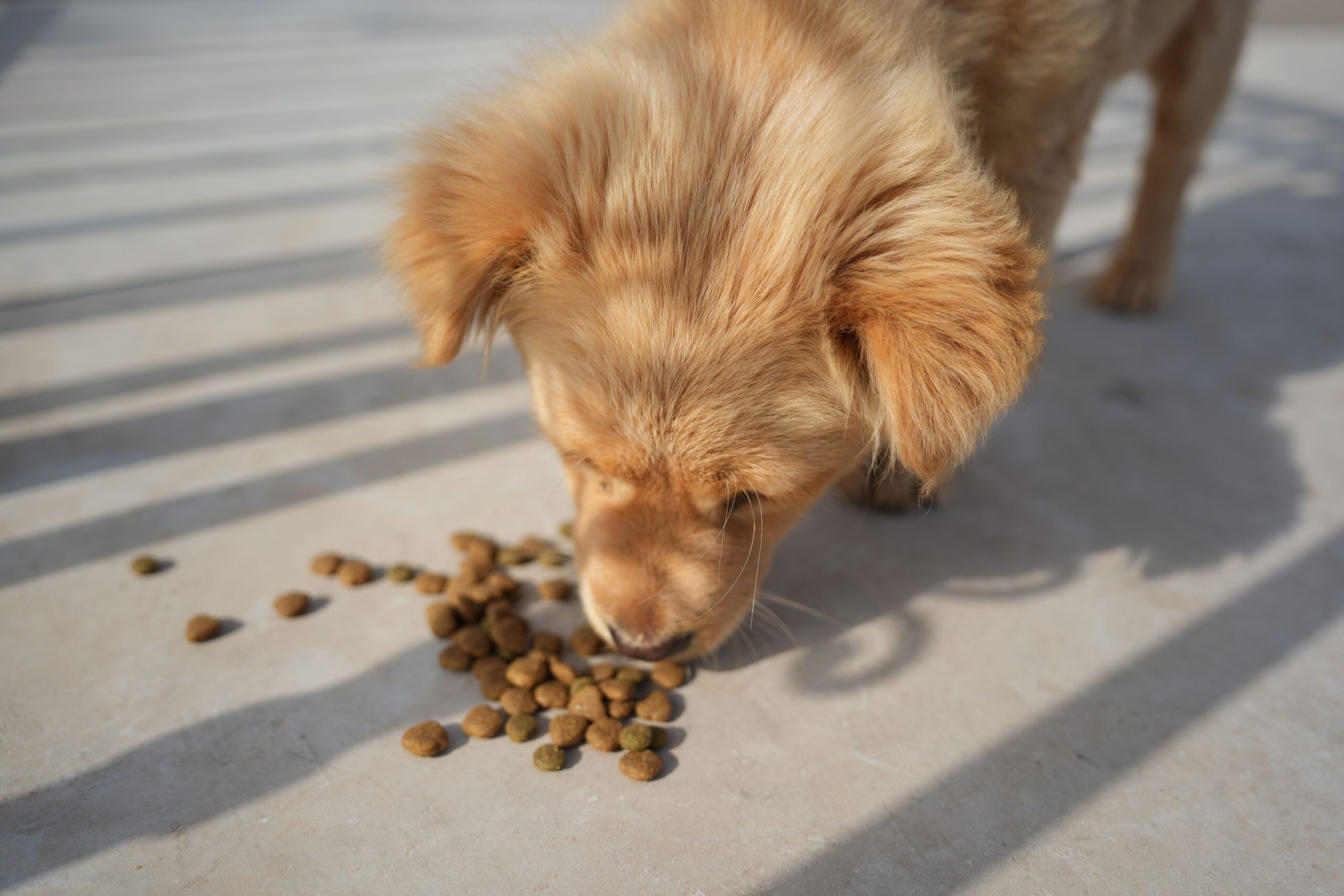

One day your dog practically knocks you over rushing to the bowl. The next day, the same food sits untouched. It’s one of the more puzzling things that can happen in life with a dog, and it tends to make owners anxious fast.
The truth is, food refusal in dogs is more common than most people realize, and the reasons behind it range from the mundane to the medically serious. It’s estimated that up to roughly one in eight dogs may experience changes in appetite at some point in their lives. Understanding what’s driving that behavior is the key to knowing whether to wait it out or call the vet.
Their Genetics Play a Bigger Role Than You Think
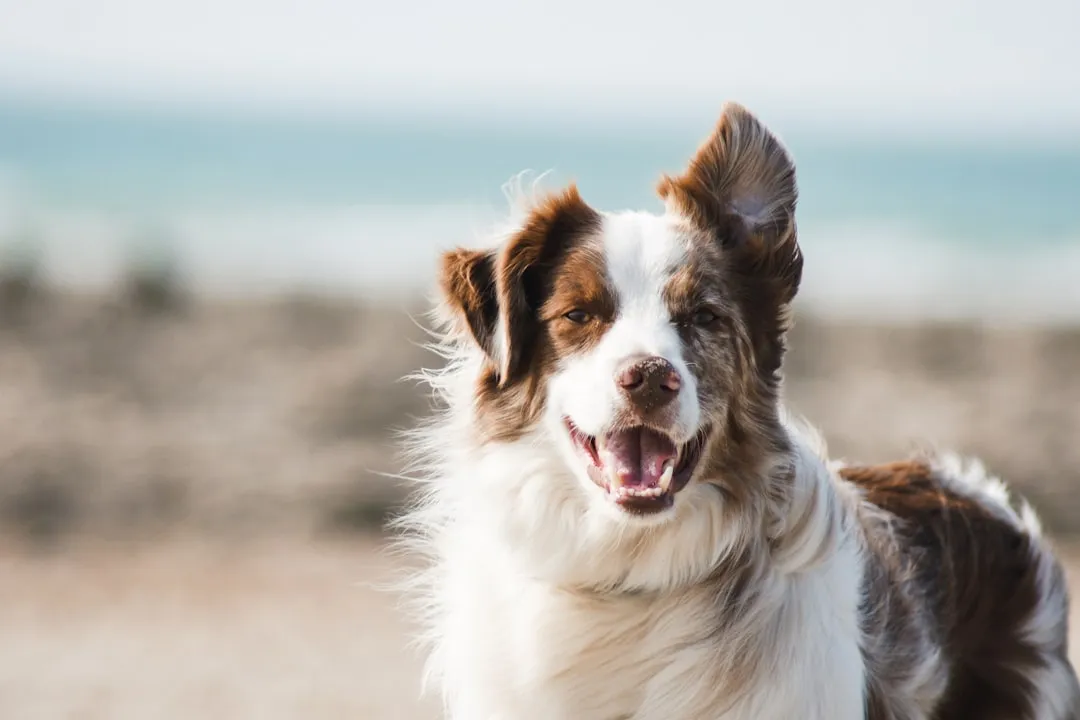
A 2025 study from the Dog Aging Project found that food motivation – meaning how strongly a dog is driven to seek out and eat food – is partly innate and linked to breed and genetics. Some dogs are simply wired to be less enthusiastic about meals than others.
The research confirmed that food motivation is partly hardwired, and a lower interest in dinner can simply be your dog’s personality rather than a sign that anything is wrong. This is worth keeping in mind before jumping to conclusions. A dog that has always been a moderate eater is different from one who suddenly stops after years of eagerness.
Illness Is Often the First Suspect for Good Reason
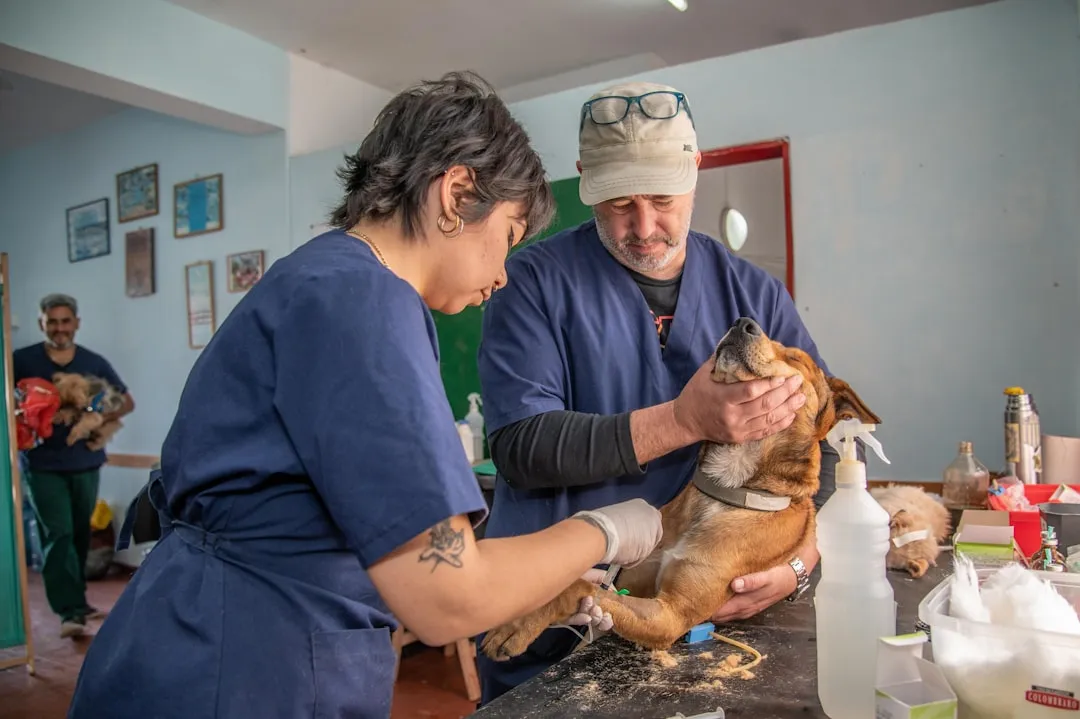
A decreased appetite in dogs is often a sign of sickness, especially if your dog is showing other symptoms at the same time. A loss of appetite doesn’t necessarily indicate serious disease, but prompt veterinary attention is important because it could signal significant illness, including cancer, various systemic infections, pain, liver problems, and kidney failure.
Gastrointestinal problems are among the most common causes of dog appetite loss. An upset stomach, constipation, inflammatory bowel disease, or an obstruction caused by ingesting a foreign object are all possible culprits. The key sign to watch for is whether the food refusal comes alongside changes in energy, behavior, or digestion. When those additional signals appear together, it moves things from “probably fine” to “worth checking today.”
Dental Pain Is Frequently Overlooked
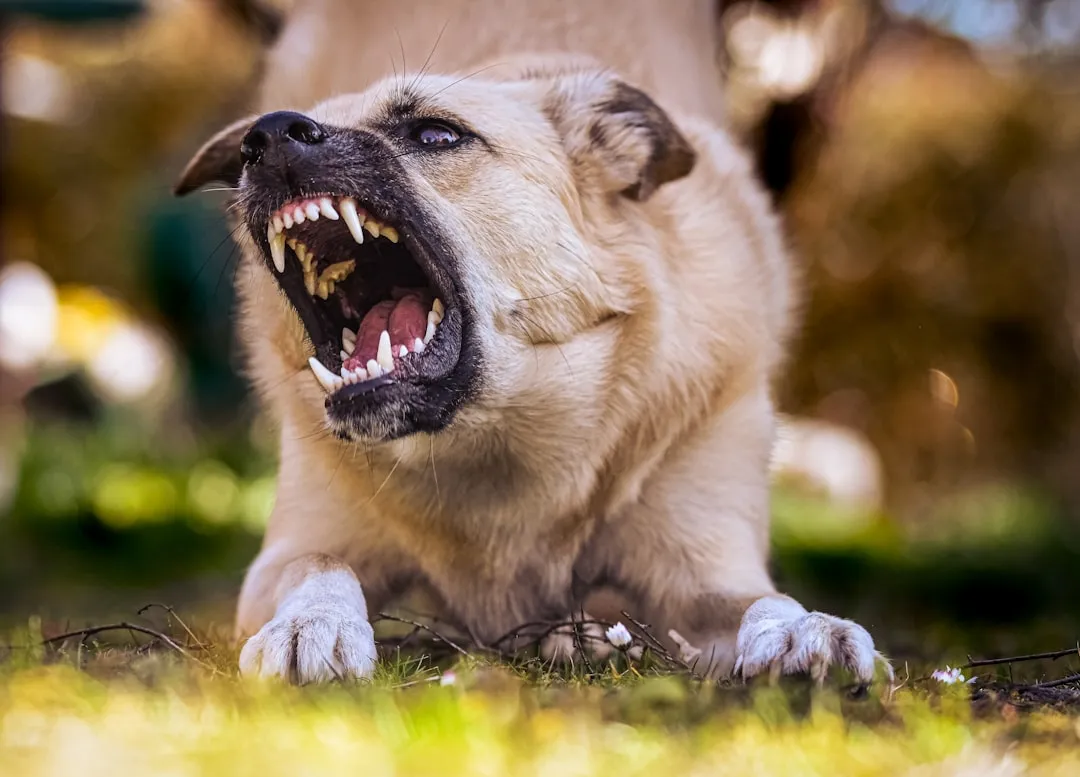
Dental pain can make eating uncomfortable or even impossible. Dogs may still act hungry, walk to the bowl, sniff the food, and then back away because chewing hurts. It can look a lot like picky behavior on the surface, which is what makes it so easy to miss.
Your dog may not want to eat because something in its mouth is causing pain. Vets check for a broken or loose tooth, severe gingivitis, and even oral tumors. Sometimes things happen below the gum line that cannot be seen, like a tooth root abscess. Many animals instinctively hide pain, so changes in eating habits may be one of the first noticeable signs that something is wrong.
Stress and Environmental Disruption Can Switch Off Appetite

Dogs can lose their appetite when they feel stressed. Even dogs that normally love food may stop eating when their routine changes or they feel unsettled. Moving house, the arrival of a new baby, construction noise nearby, or even a shift in the owner’s daily schedule can be enough to do it.
A house move, a new baby, building work, or a change in routine can all put a dog off their food for a while. This kind of appetite loss is usually temporary. Once the source of stress is removed or the dog has had time to adjust, eating typically resumes on its own. Still, if the refusal stretches beyond two days, don’t rely on that assumption alone.
The Food Itself May Have Changed Without You Noticing
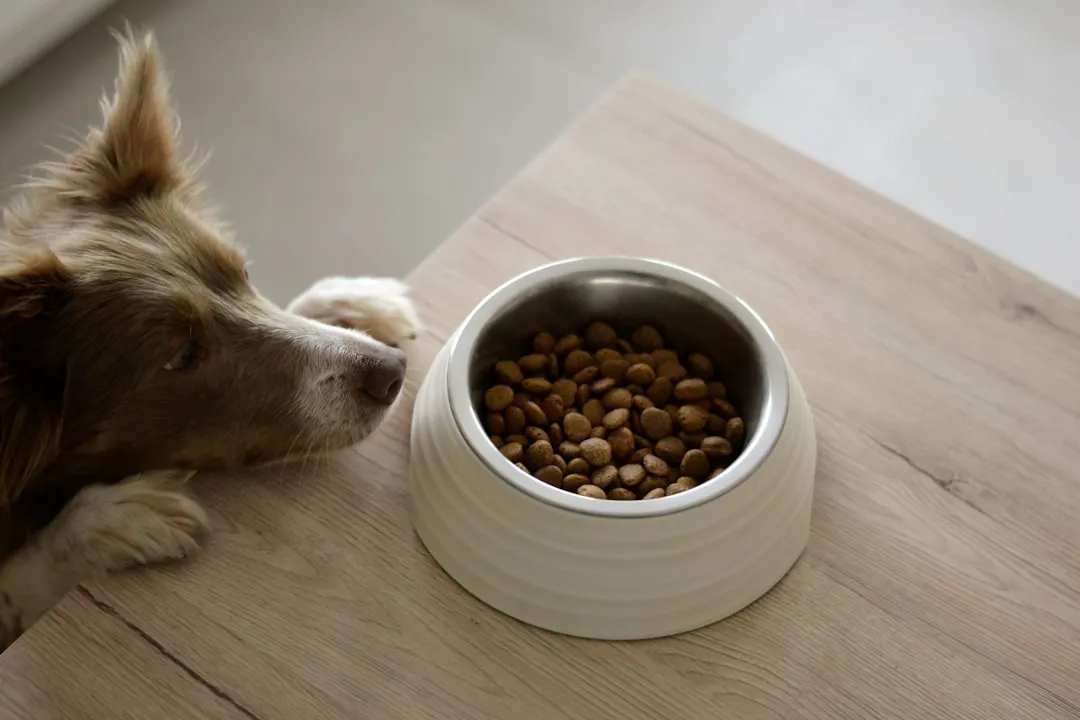
A 2024 review of pet food palatability found that aroma and texture are central to whether a dog engages with a meal. Manufacturers occasionally tweak their recipes, swap ingredient suppliers, or adjust processing methods. The bag might look identical, but the food inside can smell and taste noticeably different to a dog.
Cold food straight from the fridge smells of very little, which is another factor that often gets ignored. Dogs rely heavily on scent to assess whether food is worth eating. If the aroma is blunted by temperature or recipe changes, even a once-beloved food can suddenly seem unappetizing.
The “Novelty Effect” – When Familiarity Breeds Boredom
Dogs fed the same diet for long periods often display enhanced preferences for other diets, an example of what researchers call the “novelty effect.” In plain terms, a food that your dog once found irresistible can lose its pull simply because it’s always there. This is actually rooted in evolutionary biology rather than stubbornness.
In the wild, this tendency encourages the animal to try new sources of nutrition – a useful survival mechanism should the usual food source become unavailable. Domestic dogs carry that same instinct, even if their food bowl is reliably full every day. It doesn’t mean they need constant variety, but it does explain why enthusiasm can quietly fade over time with no other cause.
Food Aversion After Illness: When the Brain Connects the Dots
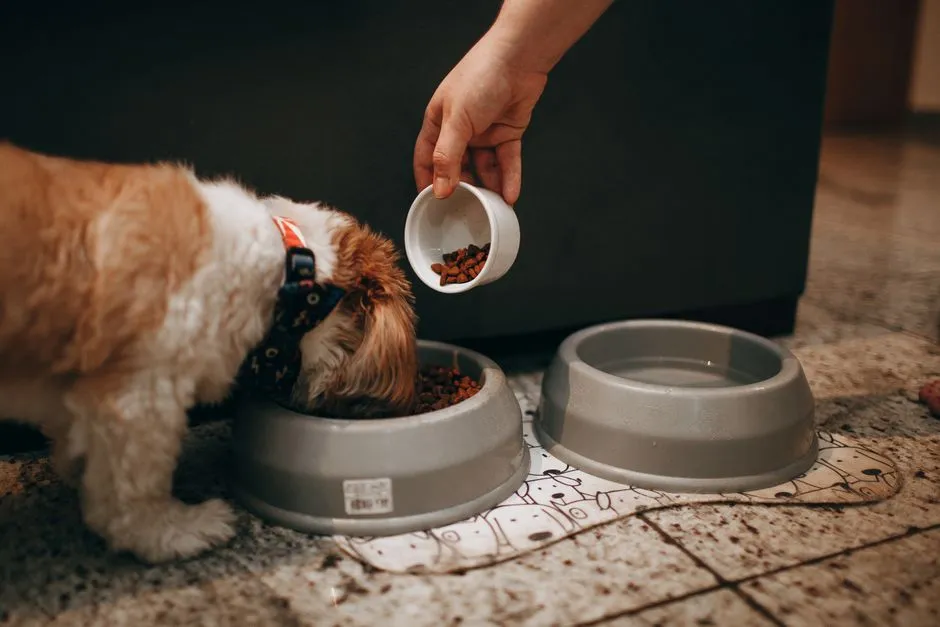
The most powerful effects of experience on feeding behavior in any species are one-trial aversions, in which sickness following a meal induces complete and persistent refusal of the same food at subsequent encounters. Dogs don’t need to experience this repeatedly – just once is enough for the association to form.
Domestic dogs can develop an aversion to foods they were eating at the onset of an illness. This trait helps them avoid foods that have caused discomfort. Even if the food itself is perfectly safe, the brain can still send the message to avoid it as a precautionary measure. It’s a protective mechanism that made sense in the wild but can be frustrating when the food was never actually the problem.
Medications and Vaccinations Can Temporarily Suppress Appetite
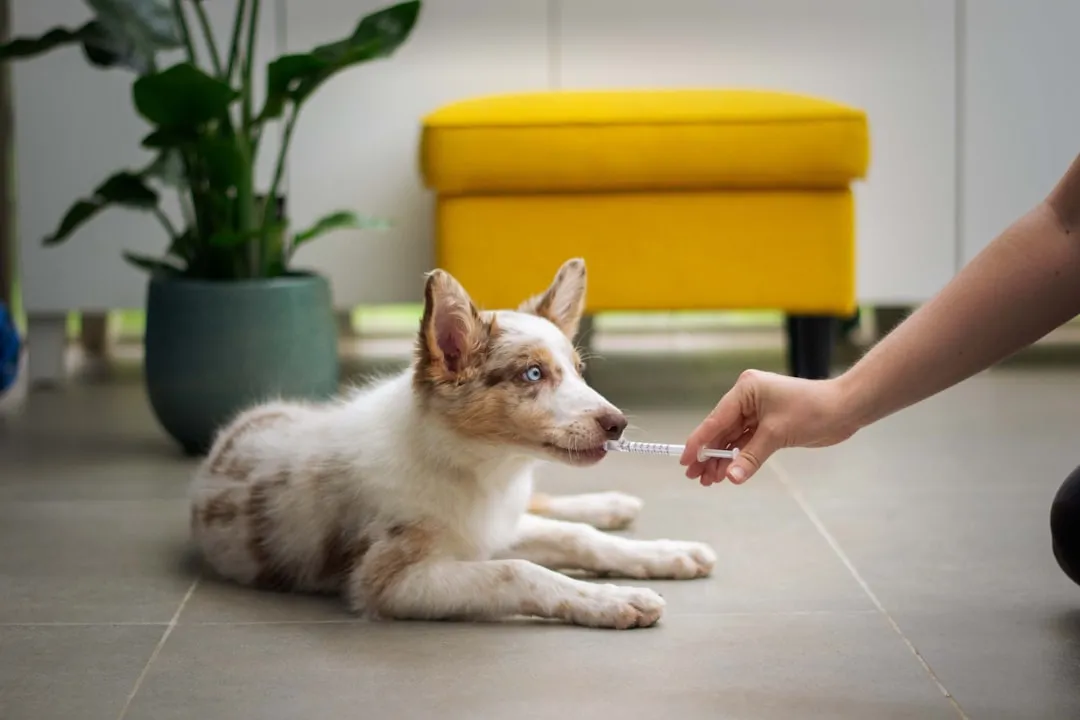
A new medication could be the reason behind your dog’s loss of appetite. Many common treatments, including antibiotics, anti-inflammatory drugs, and certain preventive medications, list reduced appetite as a known side effect. The timing is usually the clearest clue – if your dog stopped eating shortly after starting something new, that connection is worth raising with your vet.
Certain medications can influence appetite. If your pet recently started a new medication and suddenly stops eating, telling your veterinarian is the right move. In most cases the appetite returns once the medication course is finished or the dose is adjusted. Vaccinations can also cause a day or two of reduced interest in food, which is generally mild and self-resolving.
Cognitive Decline in Senior Dogs

More common in senior pets, cognitive decline can make dogs lose interest in eating or drinking. Older dogs experiencing canine cognitive dysfunction, which is broadly comparable to dementia in humans, can forget feeding routines, seem confused around the bowl, or simply disengage from behaviors they once found rewarding.
Sudden appetite loss in puppies, senior dogs, or dogs with health conditions may signal a serious issue and needs prompt care. With senior dogs especially, any abrupt change in eating habits warrants a vet visit rather than a wait-and-see approach. Catching cognitive or organ decline early gives you more options and more time.
When Owners Accidentally Train the Behavior
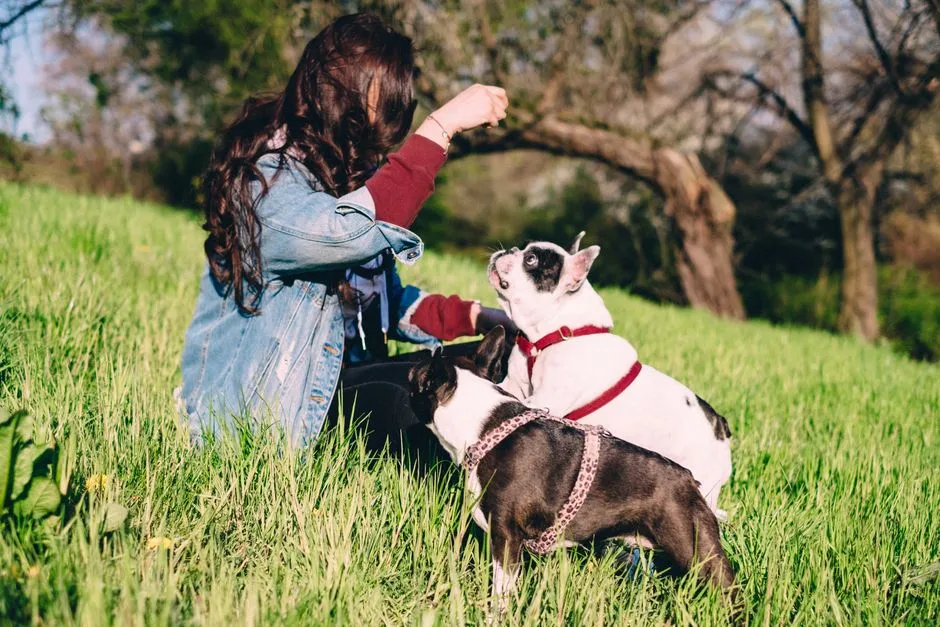
Worrying that your pet isn’t eating and giving them tasty treats instead, or always giving in to those begging eyes, teaches your dog that if they don’t eat dinner, something much tastier will come along soon. This is one of the more common patterns vets see, and it’s remarkably easy to fall into without realizing it.
A dog who has learned this pattern isn’t being defiant – they’ve simply figured out how the system works. Cutting back on all treats so your pet isn’t filling up on them, and giving your pet a different dinner time from you so they won’t be tempted to stare at what’s on your plate, are practical steps to reset the habit. Consistency matters more here than any specific food switch.
When to Stop Waiting and Call the Vet
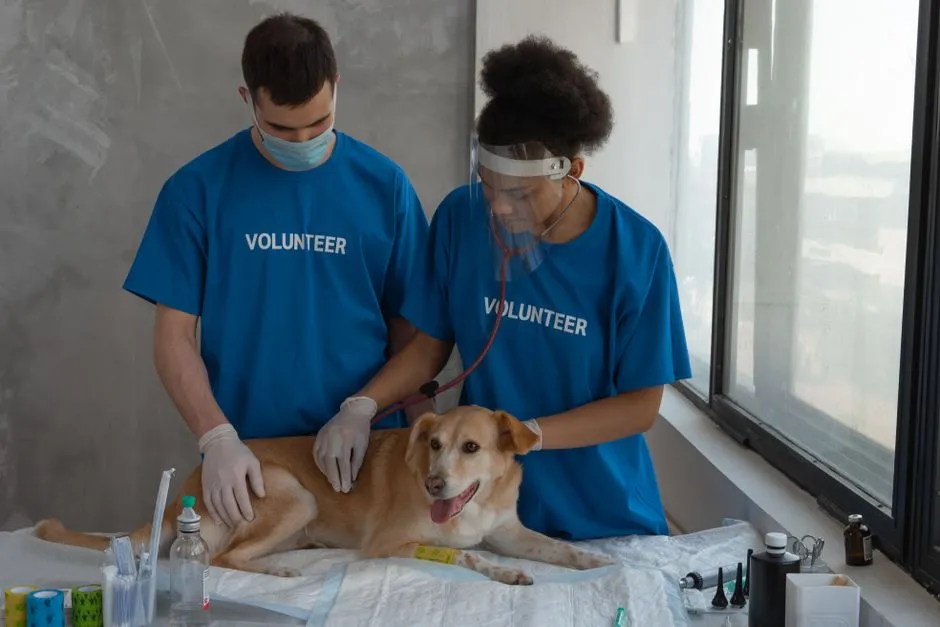
A dog that refuses food for more than 24 to 48 hours – or stops eating and has vomiting, diarrhea, lethargy, or trouble breathing – should be evaluated by a veterinarian as soon as possible. That window is shorter than most owners expect, which is why it’s worth knowing in advance.
A sudden change is different from long-term choosiness and is worth taking seriously. If a dog who normally eats well goes off their food from one day to the next, ruling out health issues first is the right call – especially if there are other signs like low energy, weight loss, or mouth discomfort. Prolonged appetite loss can quickly lead to weakness, dehydration, and nutritional deficiencies, so acting sooner is nearly always better than waiting.
The Takeaway
A dog turning away from food it once loved is never just “a dog being weird.” Sometimes the cause is minor and clears up on its own. Other times it’s the clearest early signal that something else is going on.
The practical rule is simple: watch the whole picture, not just the bowl. A skipped meal paired with normal energy and behavior is usually low-urgency. A skipped meal paired with anything else unusual – lethargy, vomiting, weight loss, or obvious discomfort – needs a vet’s eyes sooner rather than later. Your dog can’t explain what’s wrong. Changes in appetite are often the closest thing to a message they can send.
AI Disclaimer: This article was created with the assistance of AI tools and reviewed by a human editor.