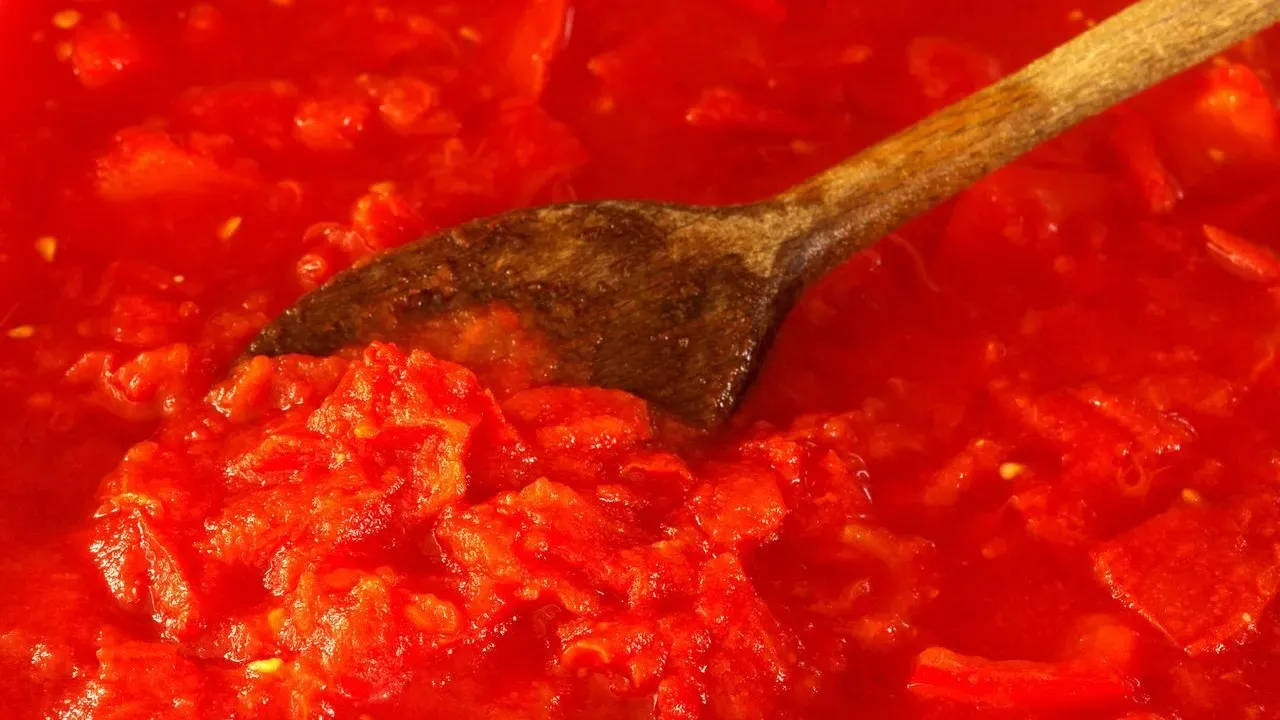

Home gardeners across the country are facing an abundant tomato harvest this season, with vines heavy from summer heat and now ready for preservation. Many turn to canning as a reliable way to store the surplus for winter meals. Yet a common oversight in the process can turn a safe pantry staple into a potential health risk. ([1])
The Acidity Challenge in Tomato Canning
Tomatoes sit on the borderline between high-acid and low-acid foods. Their natural pH can vary depending on variety, ripeness, and growing conditions. This variability means they do not always meet the strict safety threshold required for water-bath canning without adjustment.
Without proper intervention, the environment inside a sealed jar can support the growth of harmful bacteria. The consequence is not just spoilage but the possibility of botulism, a serious concern for any home preserver. Gardeners who skip this step often do so believing their tomatoes are acidic enough on their own.
Why the Timing Matters This Season
Peak harvest brings both opportunity and pressure. Families want to capture the flavor of fresh-picked fruit before it goes to waste, yet rushing the process increases the chance of error. September typically marks the height of this activity for many regions, when yields can overwhelm even experienced growers.
Stakeholders include not only individual households but also community gardens and small-scale producers who share or sell preserved goods. A single batch prepared incorrectly can affect multiple people and undermine confidence in home canning overall. The practical result is lost produce and, in the worst cases, health incidents that could have been avoided with one extra step.
The Required Adjustment and Its Effect
The fix involves adding an acidifying agent such as bottled lemon juice or citric acid to each jar before processing. This step lowers the pH reliably, bringing tomatoes into the safe range for water-bath canning. The amount is small and does not noticeably alter taste when measured correctly.
Recipes from extension services and preservation authorities specify exact quantities based on jar size. Following these guidelines ensures the final product remains shelf-stable through winter without refrigeration. Gardeners who adopt the practice report consistent results across different tomato varieties.
Putting the Method Into Daily Use
Begin by selecting firm, ripe tomatoes free of blemishes. Prepare jars and lids according to standard sterilization procedures. Add the recommended acid to each jar, then pack with tomatoes and any additional seasonings before sealing and processing for the prescribed time.
Record keeping helps track batches and varieties. Labeling with the date and any adjustments made allows quick identification later. This approach turns a potentially risky task into a dependable routine that protects both the harvest and those who will enjoy it months later.
AI Disclaimer: This article was created with the assistance of AI tools and reviewed by a human editor.