

Size Matters More Than You Think

Many cities cap yard signs at 16 to 24 square feet, and that’s just the municipal baseline. The unwritten rule in most neighborhoods goes further: if your sign feels like a billboard, people will notice, and not in the way you want. A sign that dominates the front of a house tends to read as aggressive rather than persuasive, and neighbors often register that distinction even if they never say anything directly.
HOAs may have rules about how big a yard sign can be, and those rules typically reflect what the community as a whole considers reasonable. A common standard seen in HOA policy examples is one yard sign no larger than 18 by 24 inches. Staying within or below that range, even when no one’s technically measuring, is a simple way to signal that you’re making a point, not staging a protest.
Placement Near the Street Can Be a Legal Violation
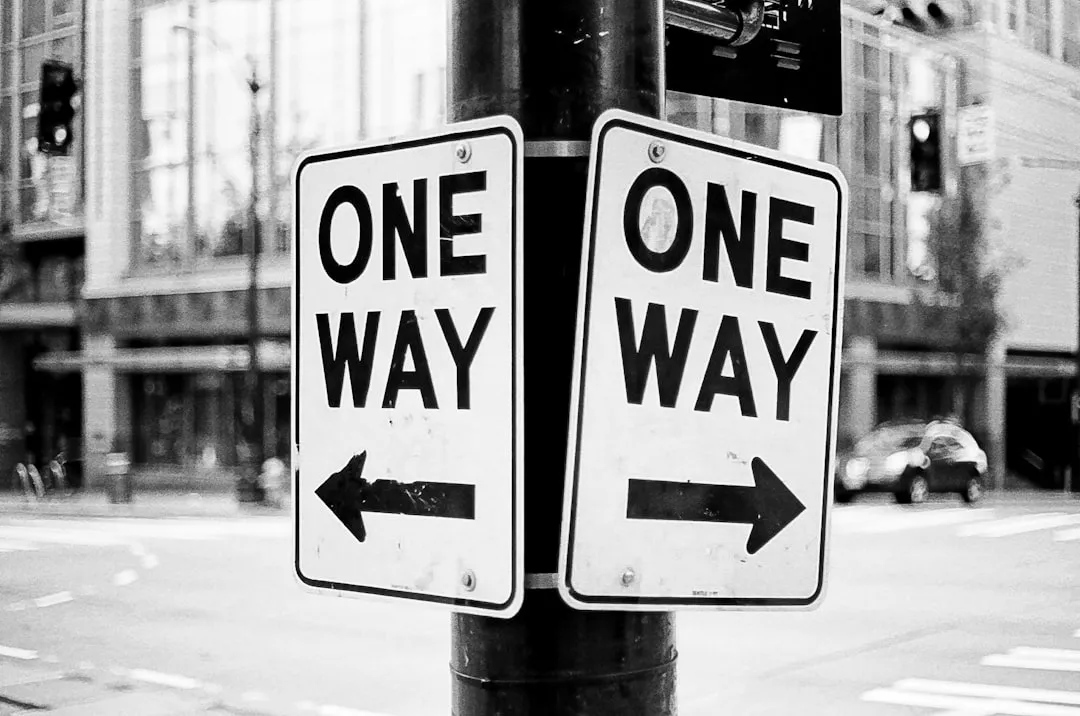
The right-of-way is the area between the street and private property, and this space is typically controlled by the city or state, meaning you cannot place signs there without permission. This trips up a surprising number of homeowners who assume that the strip of grass in front of their fence is theirs to use freely. It often isn’t.
Placement restrictions commonly prohibit signs on public land, utility poles, and medians. Signs placed in public rights-of-way may be removed without notice, and you could face fines ranging from fifty to five hundred dollars depending on your location and whether it’s a repeat offense. The neighborhood standard is usually simpler: keep the sign clearly on your own property, away from the sidewalk edge, and you’ll avoid both the legal risk and the side-eye.
The Unwritten Rule on How Long Signs Can Stay Up
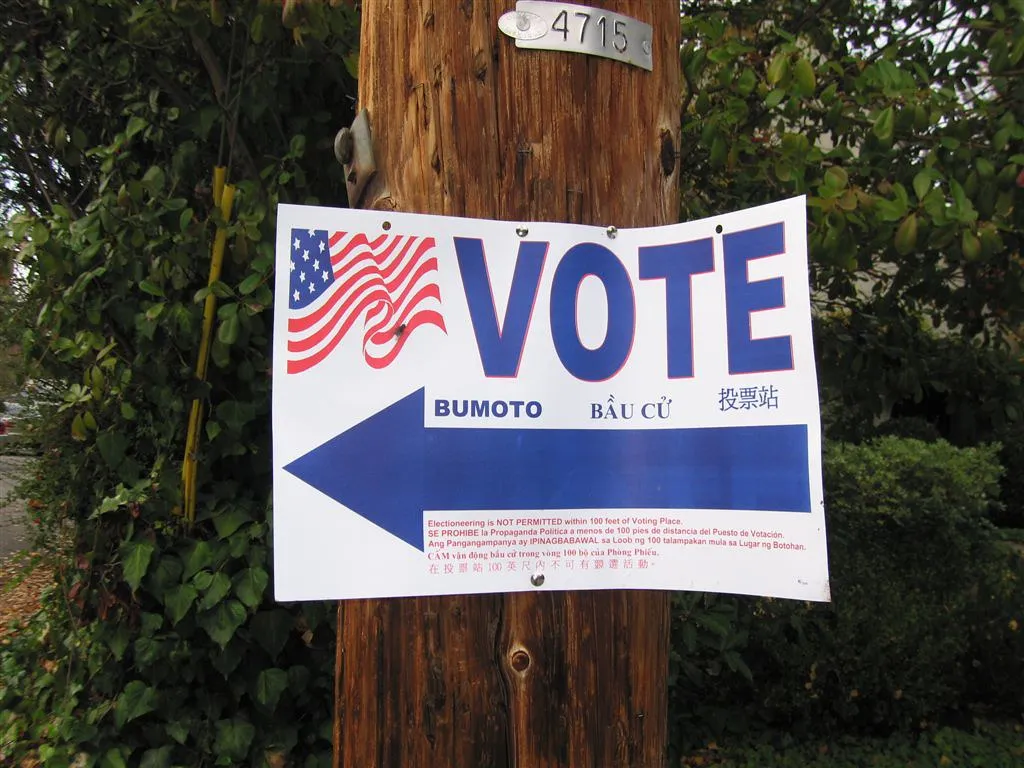
Much like seasonal decorations, election signs hanging around weeks after the event has passed create friction. Setting a reasonable timeframe for how long signs can be displayed before an election, and how long owners have after the election to remove them, is a consistent expectation in managed communities.
Some states restrict how early and how long signs can be displayed before and after an election. In Georgia, for example, political signs are permitted 60 days before and 7 days after an election. According to Texas law, property owners’ associations cannot prohibit political yard signs within 90 days before and within 10 days after the election. Even where the law is quiet on the matter, the neighborhood norm is clear: once an election is over, the clock is ticking.
HOAs Can Legally Restrict Your Signs, but Not Selectively
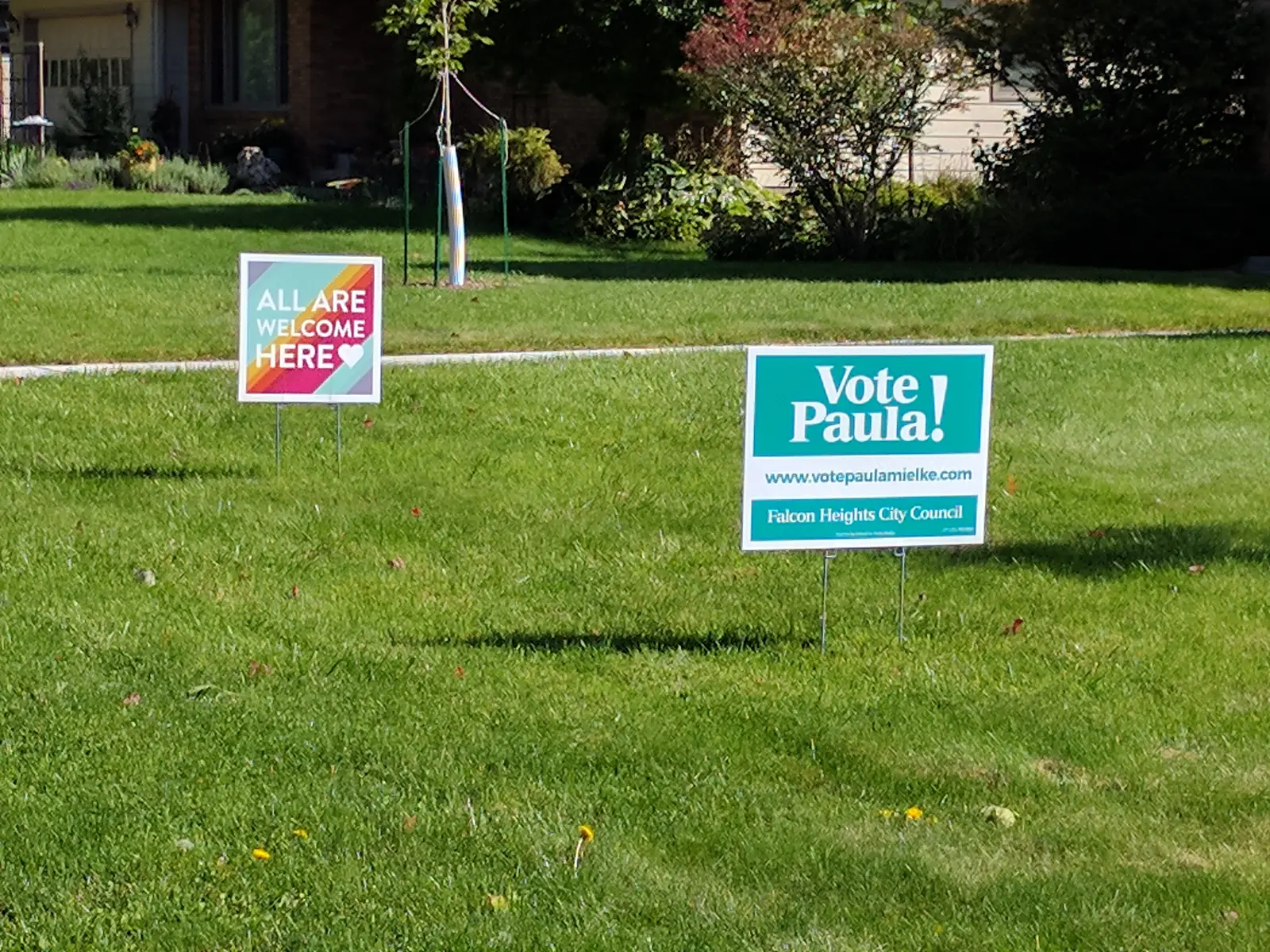
Neighborhoods with homeowners’ associations often have strict guidelines for signage, and these rules can dictate everything from the yard sign size to how many signs you can display at once. The First Amendment generally restricts government action, not private associations. Because HOAs are private contractual communities governed by CC&Rs, homeowners agree to follow association rules when purchasing property.
Political sign rules in an HOA should be consistent and fair. An HOA cannot allow political signs endorsing one candidate and then prohibit them for another. This shows bias. If one resident is told to remove a lawn sign, the same standard must be applied to any other resident regardless of political affiliation. The etiquette standard mirrors the legal one: consistency is the baseline of fairness.
Public Property Is Off Limits, Even When It Looks Available

Placement of signs on public property, including sidewalks and medians, is prohibited in many states, and this rule applies almost universally regardless of the sign’s content. The temptation to stake a sign at a busy intersection for maximum visibility is understandable, but it routinely puts homeowners and campaigns into legal trouble.
If you live in an area with a lot of traffic or near schools and stop signs, there might be additional restrictions for yard sign placement. Beyond the letter of the law, there’s a practical element: signs placed on public property tend to disappear quickly, either through official removal or through the actions of frustrated passersby. Keeping signs on private property is the only placement that offers both legal protection and staying power.
State Law Sometimes Overrides HOA Restrictions
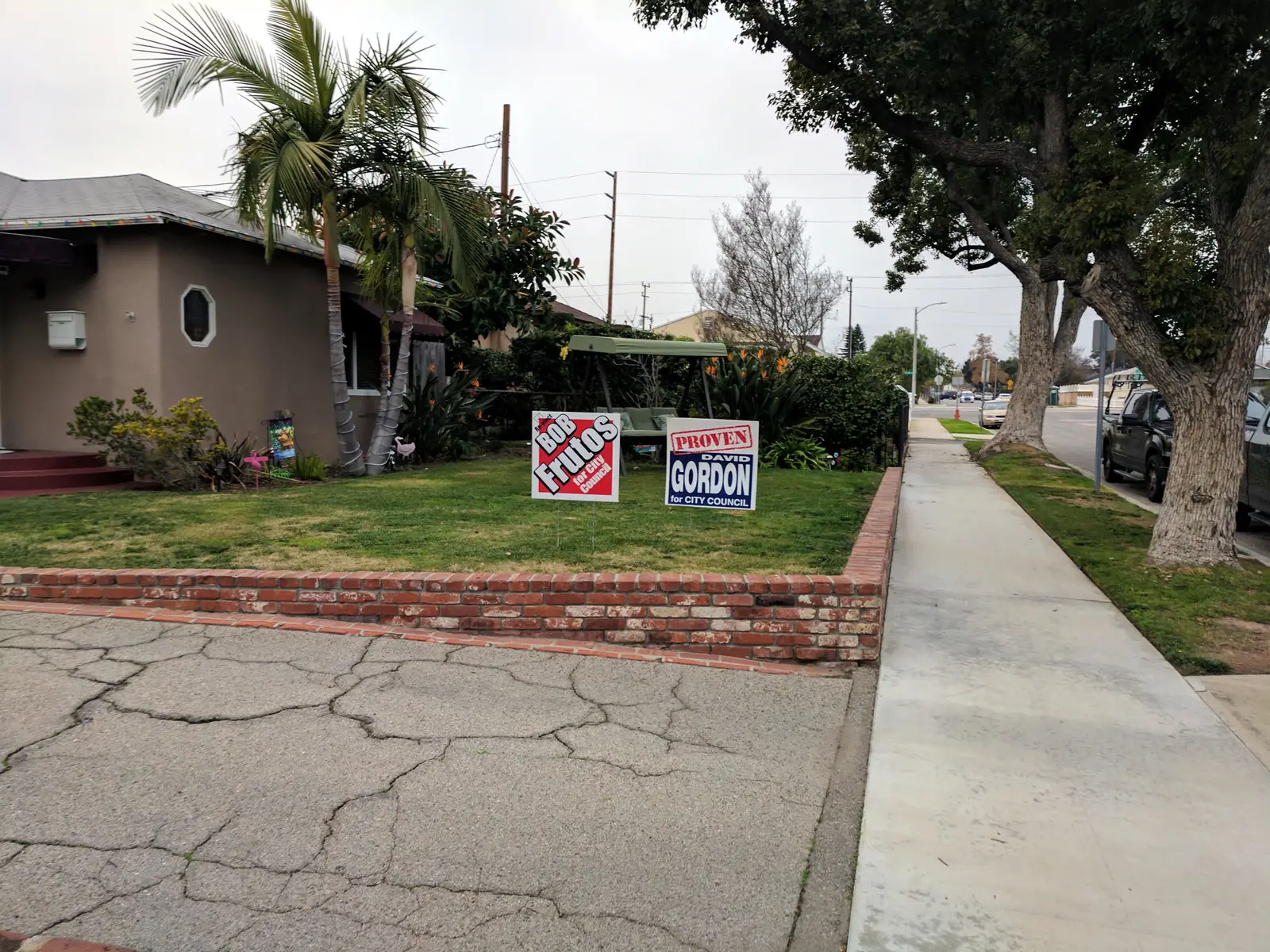
Colorado law states that an association shall not prohibit the display of a sign by an owner or occupant of a unit on property within the boundaries of the unit or in a window. The association shall not prohibit or regulate the display of signs on the basis of their subject matter, message, or content, though the association may establish reasonable, content-neutral regulations based on the number, placement, or size of the signs.
California law similarly states that governing documents may not prohibit the posting or displaying of noncommercial signs, posters, flags, or banners on or in a member’s separate interest, except as required for the protection of public health or safety or if the posting or display would violate a local, state, or federal law. Knowing your state’s statute before assuming your HOA has full authority is worth the ten minutes it takes to look it up.
The Quantity Question: One Sign or a Whole Campaign?
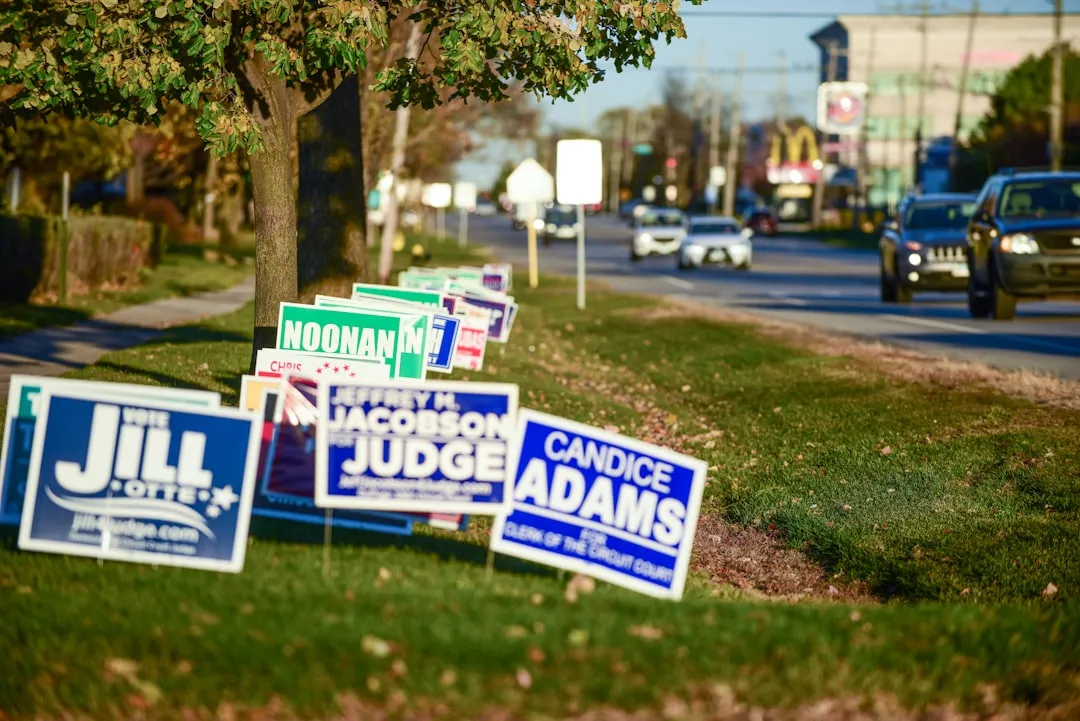
HOAs may seek to limit the number of signs posted at any given residential property. This reflects a broader and very real community concern: a lawn covered in multiple signs of the same message can feel overwhelming to neighbors, even neighbors who share your views. The cumulative visual effect changes the character of a street more than a single well-placed sign ever could.
Some HOAs prohibit any political signage outside designated election windows or restrict signs to temporary display. Even in neighborhoods without an HOA, the informal code tends to be similar: one or two signs read as civic participation, while a yard full of signs reads as something else entirely. Most neighbors will tolerate the former without comment and quietly resent the latter.
A Neighbor Can’t Legally Remove Your Sign, Even If They Hate It

Removing signs because you disagree with the message is not legally justified, even if you find the content offensive. Penalties for removing political signs can include fines, misdemeanor charges, or civil liability. This is a point that surprises many people: the frustration of seeing a neighbor’s sign is real, but acting on it by pulling the sign out is a legal risk, not a resolution.
In most places, if a neighbor puts up a sign you dislike on their private property, they’re allowed to put basically whatever political signs they want. It’s their First Amendment right. Your only recourse is to ask them to take it down, which is your own First Amendment right. That conversation, approached calmly and respectfully, is far more likely to produce a result than anything else.
Maintaining Your Sign Is Part of the Deal

Regularly checking for damage, fading, or obstructions such as overgrown vegetation helps maintain legibility and visibility during the allowed period. A torn, sun-bleached sign that’s listing at a 45-degree angle sends a message no homeowner intends. Neighbors often find a neglected sign more objectionable than the message on it, simply because it looks like no one cares.
During severe weather, promptly removing signs that could blow into the street or create obstruction to traffic or pedestrians is a practical courtesy. A respectful, well-maintained display tends to minimize complaints and simplifies compliance, even when the window of permissible display is narrower. Treating a sign with care signals to the neighborhood that you take both your message and your community seriously.
Disclaimers and Transparency Requirements Are Legally Real

Most states enforce laws covering key aspects including disclaimers, with many states requiring a clear statement identifying who paid for the sign. In Illinois, for example, political yard signs must clearly state the name of the person or entity that paid for them. This is less a matter of neighborhood etiquette and more a straightforward legal requirement that many residents and campaigns overlook entirely.
Laws governing sign use aim to balance free speech with community interests such as traffic safety, public property concerns, and aesthetics. The transparency requirement fits into that logic: a yard sign is a public statement, and the community has a reasonable interest in knowing who’s making it. Ignoring the disclaimer requirement doesn’t just risk a fine. It undermines the credibility of the message itself.
The Takeaway

Lawn sign etiquette isn’t really about signs. It’s about how people navigate shared space and competing values in close proximity. Yard signs are a protected form of free expression under First Amendment jurisprudence, and city officials can place reasonable time, place, and manner restrictions on yard signs, but flat bans are unconstitutional. The law sets the floor. Community norms set everything above it.
The signs that create the least friction are the ones placed on private property, maintained in decent condition, displayed for a reasonable duration, and sized to communicate rather than overwhelm. None of those standards require a legal degree to follow. They mostly just require the same awareness you’d apply to any other thing you do that your neighbors can see. That quiet standard, enforced through social pressure rather than formal rules, is what most neighborhoods are actually relying on.
AI Disclaimer: This article was created with the assistance of AI tools and reviewed by a human editor.