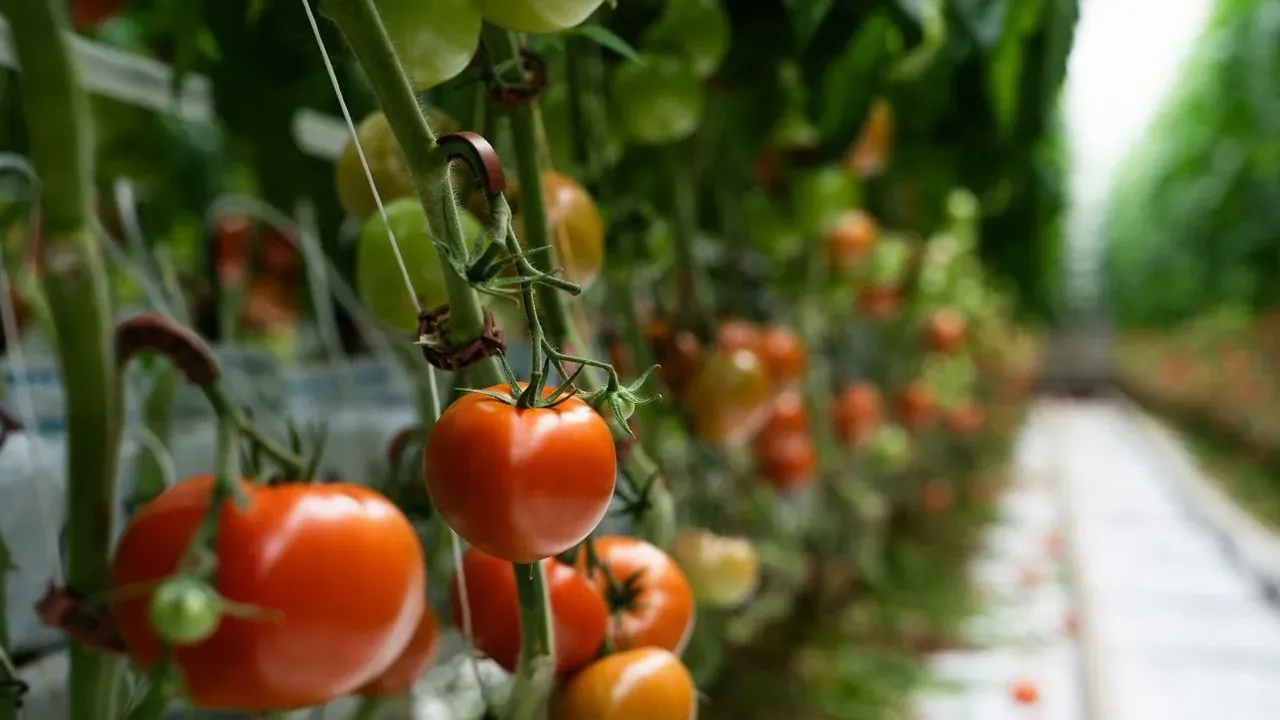

Gardeners across the country watch with growing frustration as their tomato plants produce plenty of fruit that simply refuses to change color. The plants look healthy, the season is advancing, and yet the tomatoes remain stubbornly green on the vine. This common setback often stems from a handful of environmental and care-related factors that are straightforward to identify and correct once you know where to look. ([1])
Temperature swings that halt color development
Tomatoes ripen best within a narrow temperature range. When daytime highs climb above 85 degrees or nighttime lows fall below 50, the plant slows or stops producing the pigments responsible for red color. The fruit may linger in a green or pale orange state for weeks while the plant waits for more favorable conditions.
Many gardeners notice the problem during a prolonged heat wave or an early autumn chill. Providing afternoon shade with lightweight cloth during extreme heat or covering plants on cold nights often restarts the ripening process without further intervention.
Nutrient balance that favors leaves over fruit
Excess nitrogen encourages lush foliage at the expense of fruit maturation. Plants fed repeatedly with high-nitrogen formulas or all-purpose fertilizers can appear vigorous while the tomatoes stay green because energy is directed toward new growth rather than ripening.
Switching to a tomato-specific fertilizer lower in nitrogen and higher in phosphorus and potassium helps redirect resources. Reducing feeding once flowering begins also prevents the imbalance from recurring in the same season.
Insufficient light reaching the fruit
Tomatoes require at least six to eight hours of direct sun daily to ripen properly. Shade from buildings, trees, or neighboring plants that have grown taller can limit the energy available for color change, leaving fruit underdeveloped even when the plant itself receives adequate light.
Pruning lower leaves and suckers improves airflow and allows sunlight to reach the tomatoes directly. Relocating container plants or trimming nearby obstructions provides a quick adjustment when light levels are the limiting factor.
Water stress and plant crowding
Inconsistent watering or extremes of too much or too little moisture place the plant under stress that slows ripening. Overwatering dilutes sugars in the fruit, while underwatering forces the plant into survival mode. Crowded plantings compound the issue by reducing airflow and blocking light.
Consistent deep watering of one to two inches per week, combined with mulch to stabilize soil moisture, supports steady development. Proper spacing, staking, and selective pruning keep plants upright and ensure each tomato receives the conditions it needs.
Variety traits and additional stresses
Some tomato types, particularly large heirlooms, naturally require more days to reach full color than smaller or hybrid varieties. When this timeline is overlooked, gardeners may assume a problem exists where none does. Pests or disease can further delay ripening by diverting the plant’s energy toward defense.
Checking seed packets for expected maturity dates sets realistic expectations. Regular inspection for insects or disease symptoms, followed by prompt organic treatment, keeps plants healthy enough to complete the ripening cycle.
Most cases of stalled tomatoes respond to one or two targeted changes in care. Once temperatures moderate, nutrients are balanced, and light and water are optimized, the fruit typically begins to color within days or weeks. The result is a more reliable harvest even in a challenging season.
AI Disclaimer: This article was created with the assistance of AI tools and reviewed by a human editor.