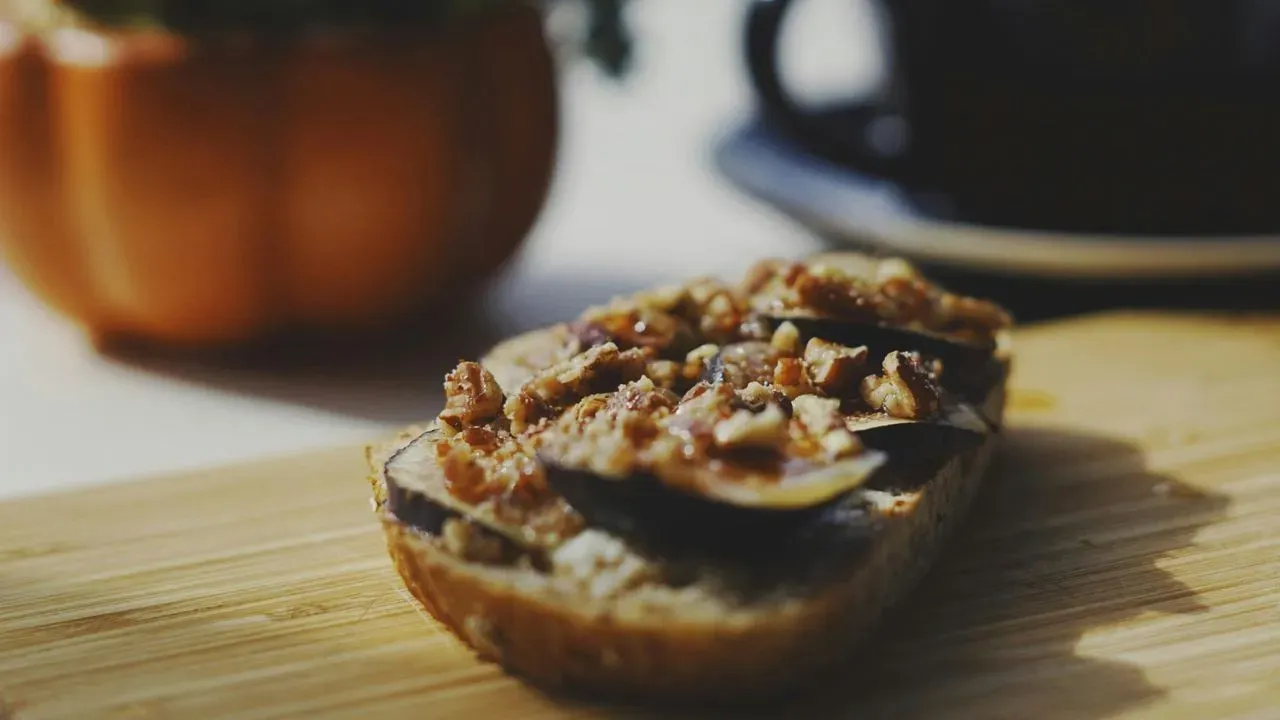

At the close of summer, when figs ripen on backyard trees or appear in abundance at local markets, a simple assembly of grilled bread, creamy cheese, and ripe fruit offers an appealing way to enjoy the harvest. This approach requires little more than quality ingredients and a few minutes at the grill or stove, turning peak-season produce into a dish that feels both casual and refined. The combination of sweet figs, tangy goat cheese, and savory accents has gained attention for its balance of flavors and ease of preparation. ([1])
Why Fresh Figs Shine in Late Summer
Figs reach their best flavor when the weather remains warm, delivering a natural sweetness that pairs well with salty and herbal elements. Gardeners and home cooks often find themselves with a sudden surplus during this window, making quick preparations especially useful. The fruit needs little embellishment beyond a drizzle of honey and a touch of salt to highlight its qualities. This timing aligns with outdoor gatherings, where minimal cooking keeps the kitchen comfortable.
Selecting ripe but firm figs ensures the best texture once sliced or quartered. Those grown locally or picked from a home tree tend to offer superior taste compared with fruit that has traveled long distances. The season encourages experimentation with whatever looks freshest, keeping the focus on simplicity rather than elaborate techniques.
Building the Base With Grilled Bread
Thick slices of sourdough, country bread, or focaccia provide the sturdy foundation for this appetizer. Brushing both sides generously with olive oil before grilling or pan-frying creates a crisp exterior that contrasts nicely with the softer toppings. Medium-high heat produces light char marks in just a minute or two per side, adding subtle smokiness without drying the bread.
Those without access to an outdoor grill can achieve similar results in a cast-iron skillet with a thin layer of oil. The goal remains the same: golden, crunchy slices that hold up under the weight of cheese and fruit. Preparing the bread first allows the rest of the assembly to move quickly once guests arrive.
Layering Flavors for Balance
Soft herbed goat cheese spreads easily across the warm bread, its tang cutting through the sweetness of the figs. Alternatives such as ricotta or burrata work equally well depending on what is available. Thin ribbons of prosciutto add a savory depth, while fresh mint leaves contribute a bright, cooling note.
A final drizzle of honey and olive oil, finished with flaky sea salt, ties the elements together. The salt enhances the fruit’s natural sugars, creating a more complex bite. Arranging everything on a large board lets guests assemble their own portions, encouraging a relaxed, interactive style of serving.
Variations to Extend the Season
Once the grilled bread method is mastered, the same structure adapts readily to other market finds. A few reliable combinations include:
- Ricotta with nectarines, basil, flaky salt, and olive oil
- Burrata with cantaloupe, prosciutto, flaky salt, and cracked black pepper
- Creamy blue cheese with pears, thyme, honey, and flaky salt
- Goat cheese with strawberries, basil, honey, and flaky salt
These options keep the preparation under ten minutes while highlighting whatever produce is at its peak. The formula travels well across seasons, substituting ingredients as availability changes.
A Practical Addition to Any Gathering
This style of appetizer suits both impromptu visits and planned events because it requires almost no advance planning. The visual appeal of colorful fruit against creamy cheese and charred bread makes it an attractive centerpiece without extra effort. Many find that once the basic method is in place, it becomes a reliable way to showcase garden harvests throughout the warmer months.
Ultimately, the appeal lies in its restraint. By letting high-quality, seasonal ingredients speak for themselves, the toast delivers satisfaction that feels both immediate and memorable.
AI Disclaimer: This article was created with the assistance of AI tools and reviewed by a human editor.