

It Has an Official Name: The Photic Sneeze Reflex
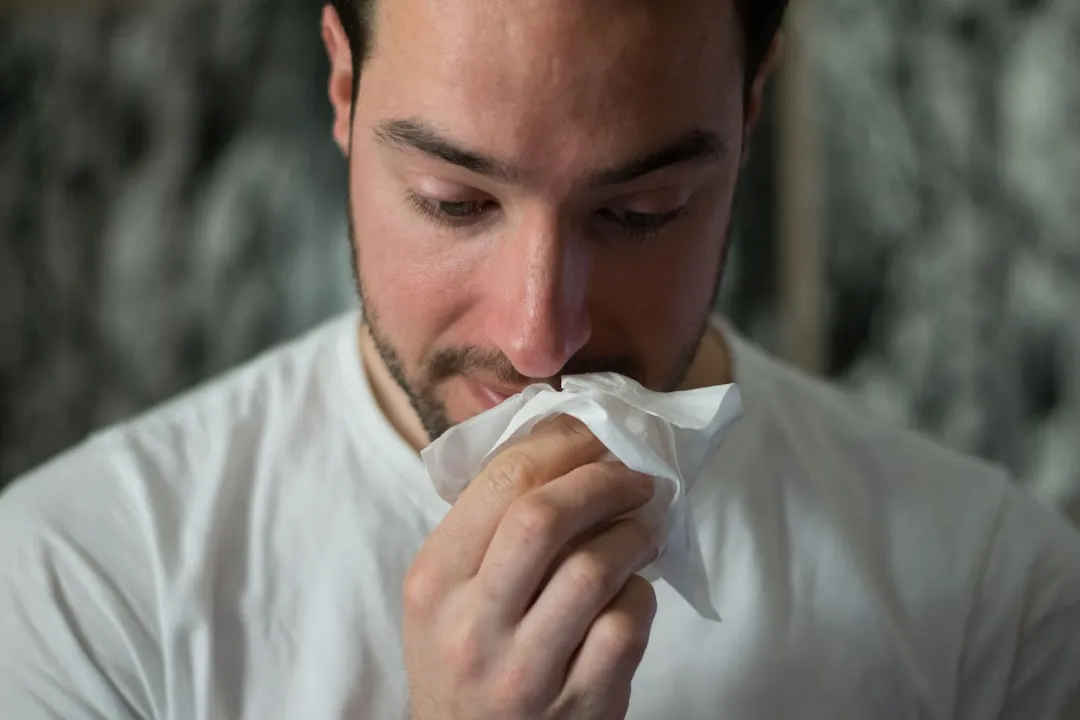
The condition, formally called Autosomal Dominant Compelling Helioopthalmic Outburst (ACHOO) Syndrome, is characterized by uncontrollable sneezing in response to the sudden exposure to bright light, typically intense sunlight. It also goes by the photic sneeze reflex, or PSR, which is the term most commonly used in recent scientific literature.
An estimated one quarter of people sneeze when exposed to a very bright light stimulus, such as stepping outside of a building into bright daylight. The condition is reported to affect somewhere between 18 and 35 percent of the world’s population.
As far back as the early 20th century, a researcher named Freund published a self-report describing the tangible sensations leading to a sneeze when changing from a shadowy into a bright area. The phenomenon has a paper trail stretching much further back than most people realize.
Aristotle May Have Noticed It First
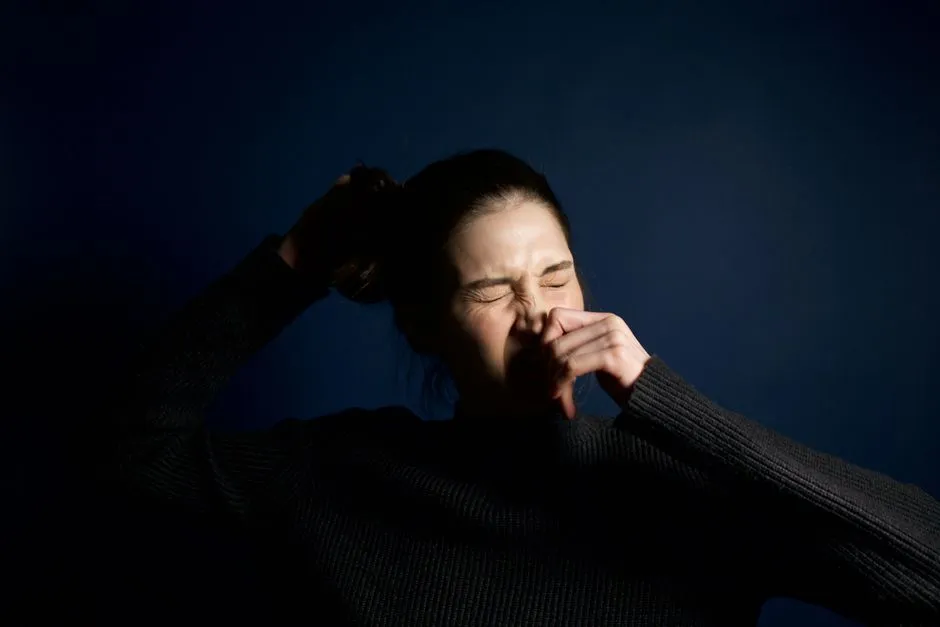
The first mention of the phenomenon is probably in the later work attributed to Aristotle, in his Problems, book XXXIII. That alone tells you something important: this is not a modern quirk tied to urban life, air conditioning, or screen exposure. It is a genuinely ancient trait in the human nervous system.
The photic sneeze reflex has been documented for decades, if not centuries, but despite its relatively high prevalence, it remains poorly understood. That gap between how common it is and how little we actually know about its mechanism is one of the more surprising things about it.
The Genetics Are Surprisingly Clear-Cut

ACHOO syndrome is inherited in an autosomal dominant manner. As such, if one parent is affected, their child has a 50 percent chance of inheriting the syndrome. You only need one copy of the relevant gene variant to express the trait.
ACHOO syndrome is an inherited condition where a person will involuntarily sneeze after seeing a bright light. A person with this condition will sneeze multiple times, and in rare cases may sneeze 30 to 40 times.
Genome-wide association studies have identified numerous single nucleotide polymorphisms contributing to this trait, with 23andMe research pinpointing at least 54 such genetic markers across the genome that modulate risk. These variants collectively influence neural signaling pathways, but no single locus accounts for the majority of cases, highlighting the complex, additive nature of the genetic architecture.
The Brain Is Sending Crossed Signals
In a typical sneeze, the trigeminal nerve, the main sensory input for the face, detects an irritant in the nose and fires an initial signal. However, in a photic sneeze, researchers believe the brain misinterprets a powerful signal from the optic nerve and mistakenly activates the sneeze pathway.
Stimulating the trigeminal nerve can cause sneezing. So, with optic-trigeminal summation, it is theorized that stimulating the optic nerve, like sensing light, can also stimulate the trigeminal nerve. The nose ends up receiving a signal it was never supposed to get.
The optic-trigeminal summation theory posits a crosstalk between the second cranial nerve (CN II) and the fifth cranial nerve (CN V) at the level of the midbrain, resulting in referred sensations such as nose-prickling commonly experienced by photic sneezers.
Three Main Theories Compete for Acceptance
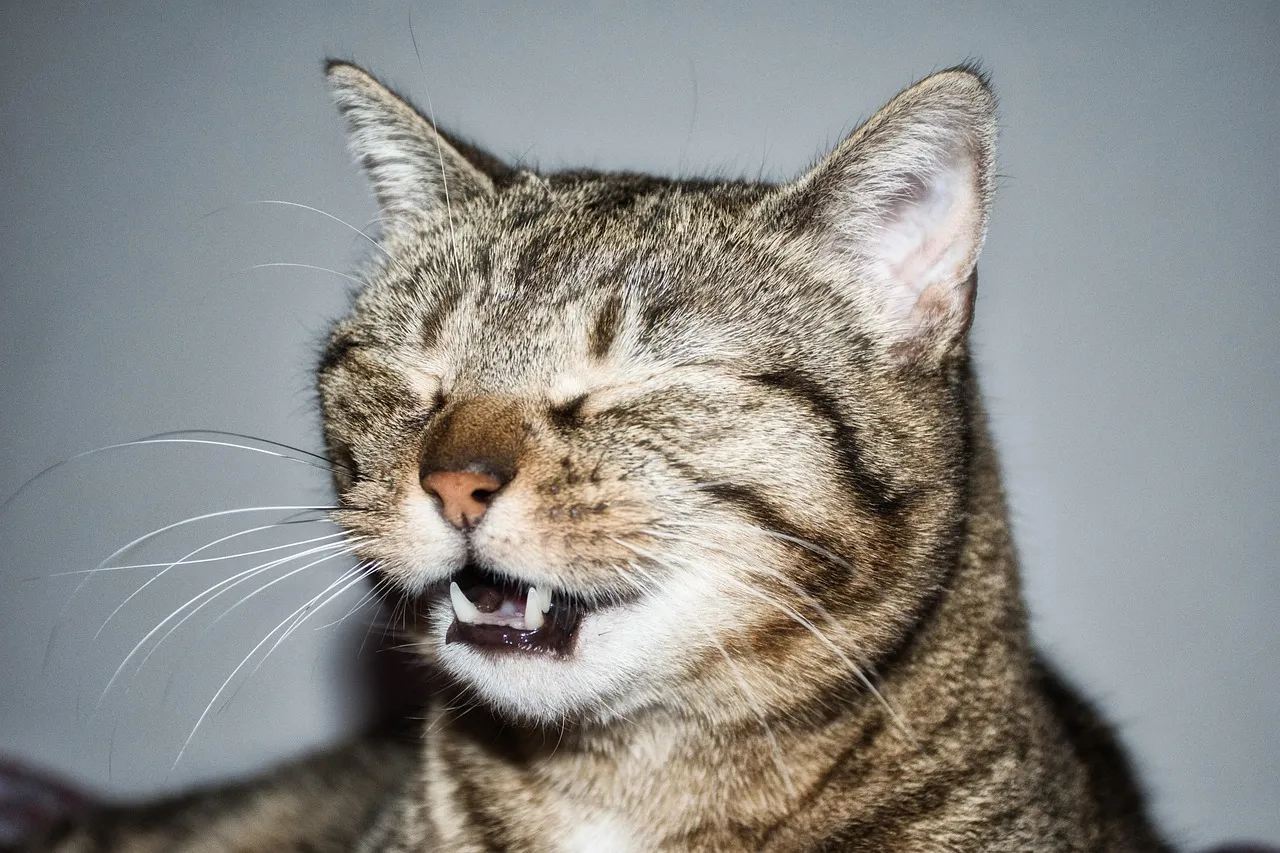
Despite a long history in scientific literature, the underlying mechanisms of the photic sneeze reflex remain unclear. Several theories, including optic-trigeminal summation, parasympathetic hypersensitivity, and parasympathetic generalization, have been proposed, but none have been conclusively validated.
The parasympathetic hypersensitivity theory assumes a general hypersensitivity of the photic sneezers’ parasympathetic system. Alternatively, ocular sensory input could lead to activation of neighbouring neurons involved in the sneeze response due to parasympathetic generalisation.
It may also involve an over-excitability of the visual cortex in response to light, leading to a stronger activation of the secondary somatosensory areas. Each of these theories has some supporting evidence, but none has been proven definitively in a controlled laboratory setting.
The Timing and Intensity of Light Matter
The syndrome is usually more intense if the person with the condition moves suddenly from darkness into an area with bright lights or sunlight. Gradual transitions appear to reduce the strength of the response, which is why most photic sneezers notice the reflex most sharply when they emerge from a movie theater or drive out of a tunnel.
Sudden increases in environmental lighting can provoke the photic sneeze reflex. While artificial stimuli in laboratory settings have elicited only a tickling sensation, further refinement of research protocols could enable reliable induction of the full reflex.
Reproducing the photic sneeze reflex reliably in a laboratory setting is crucial for understanding its neural underpinnings, yet the specific light parameters that trigger it are not yet well-defined. This is part of why progress on the topic has been slow.
Research Took a Meaningful Step Forward in 2025

Articles published between 2020 and 2024 were screened in a recent systematic review, resulting in 167 records, with seven studies focusing on stimulus parameters included in the analysis. The review, published in Experimental Brain Research in February 2025, represents one of the most organized attempts yet to understand what specific light conditions reliably trigger the reflex.
The mini-review aimed to consolidate current knowledge on the light stimulus parameters, including intensity, spectral composition, wavelength, duration, timing, and spatial configuration, that elicit the photic sneeze reflex. These are the granular details that have long been missing from the scientific picture.
Future studies should investigate the variability in individual photic sneeze reflex responses to natural and artificial stimuli, define absolute light intensity thresholds for generating tickling and sneezing responses in photic as well as non-photic sneezers, and attempt to identify the underlying genetic, neurological, and sensory mechanisms of the reflex.
It Can Be Genuinely Dangerous in Certain Situations

The photic sneeze reflex often manifests as a mild phenomenon but may cause devastating consequences in some situations, particularly for aeroplane pilots and car drivers. These are scenarios where a sudden, uncontrolled blink and sneeze at the wrong moment carry real consequences.
Potential hazards include the possibility of drivers having an accident caused by sneezing brought on by, for example, exiting a road tunnel on a bright day. Similarly, airline pilots may be at risk.
Undergoing surgery might also be problematic for people with the photic sneeze reflex. Aside from surgical lights, having the eye injected with an anesthetic before eye surgery could also trigger a sneeze since the injection stimulates the trigeminal nerve. Patients are advised to disclose the condition to their doctors before any procedure.
The Condition Is Connected to Broader Neurological Research

Studying the genetics and neural mechanisms behind sneezing induced by bright light can help scientists better understand neural circuits in the brain. What seems like a trivial reflex is turning out to be a useful window into how sensory signals interact and sometimes interfere with one another.
Interest in the photic sneeze reflex has emerged from work on more serious genetic disorders like epilepsy and migraine. Researchers suspect that the neural pathways involved may overlap with those implicated in other light-sensitive neurological conditions.
Interestingly, the roles of the fifth and tenth cranial nerves, brainstem nuclei, and inciting patterns closely mimic a well-known brainstem reflex called the trigeminocardiac reflex (TCR). Some researchers have hypothesized that the photic sneeze reflex can be a variant of the TCR. If that theory holds up, it would meaningfully reframe how the reflex is classified medically.
Managing It Is Simple, Even If Curing It Isn’t Possible

Recommendations for management of ACHOO syndrome include using a hat or sunglasses to shield the eyes from direct sunlight whenever possible. These are low-effort interventions that work reasonably well for most people in most settings.
Trying to limit very sudden exposures to bright light can help. If you are going in for a medical procedure, even just a routine dental or eye exam, letting your doctor know you have ACHOO syndrome is worthwhile. With appropriate lifestyle adjustments, ACHOO syndrome should not be significantly more disruptive than regular sneezing.
There is no approved drug or procedure to eliminate the reflex entirely. Given that researchers still do not fully agree on its mechanism, any targeted treatment remains a distant possibility. For now, the humble pair of sunglasses remains the most reliable tool available.
The Takeaway
The photic sneeze reflex is one of those biological quirks that sits at the intersection of the mundane and the genuinely mysterious. It affects a substantial portion of the population, it has been noted since antiquity, and yet the precise neural wiring behind it is still being mapped.
Recent work published in 2025 is pushing the field forward, but there are still more questions than firm answers. What is clear is that this is not a defect or a disorder in any meaningful sense. It is simply a case of neighboring neural pathways being a bit too friendly with one another.
Next time you walk into sunlight and sneeze, you can take a small amount of satisfaction in knowing that Aristotle probably did the same thing, and that scientists in Munich, San Francisco, and elsewhere are still trying to figure out exactly why.
AI Disclaimer: This article was created with the assistance of AI tools and reviewed by a human editor.